

We may earn a commission when you buy through links on this page, at no extra cost to you. Learn more.
How to pronounce cava: say KAH-vah, with the stress on the first syllable. In Spanish the word is [ˈkaβa], and in Catalan, the language of its home region, it is [ˈkaβə]. The “v” is a soft sound between “b” and “v,” and English speakers can use KAH-vah without any trouble.
Cava is a Spanish sparkling wine, and the name is short enough that people rarely think twice about it. The main confusion comes from the “v,” which many English speakers pronounce as a hard “v,” and from the difference between the Spanish and Catalan forms. Once you know the stress and the soft consonant, the word is easy to say confidently.
The short answer and the sound
The English respelling is KAH-vah. Say “KAH” with an open “a” as in “father,” stress it firmly, and finish with a light, short “vah.” The final vowel should be soft and open, not a drawn-out “ah.”
The Wikipedia entry on the Spanish wine gives two forms. In Catalan the pronunciation is [ˈkaβə], with a schwa-like final vowel and a plural written as caves. In Spanish it is [ˈkaβa], with a clearer final “a” and a plural written as cavas. Both forms share the same stress and the same soft consonant.
Breaking the word into syllables
The word has two syllables: CA-va. The stress is on the first, so the weight of the word falls on “KAH,” and the second syllable is light. Saying the first syllable with confidence and then letting the second fall away gives the most natural result.
The most frequent mistake is to pronounce the “v” as a hard English “v” with teeth on the lip. In Spanish and Catalan, the sound is softer and sits between a “b” and a “v.” English speakers can approximate it with a gentle “v” and still be understood, so do not worry about making the sound perfect.
Why the Spanish and Catalan forms differ
Cava comes from Catalonia, a region in northeastern Spain with its own language. Catalan and Spanish spell and pronounce many words in similar ways, but the final vowel in Catalan is more reduced. That is why the Catalan form ends on a schwa-like sound, while the Spanish form ends on a clear “a.”
In everyday English, most people use the Spanish-style KAH-vah, and that is widely understood in wine shops and restaurants. The Catalan version is a good way to show respect for the region, but there is no need to switch between them in conversation.
Where cava comes from and how it is made
The Wikipedia entry describes cava as a Spanish sparkling wine with denominación de origen status. About 95 percent of it is produced in the Penedès area of Catalonia, with many large producers in Sant Sadurní d’Anoia. Other Spanish regions, including Aragon, the Basque Country, and Valencia, also make cava.
Cava is made using the traditional method, also called the champagne method, and only wines made this way may be labelled cava. The Wikipedia entry notes that the wine is riddled, with the lees moved into the neck of the bottle before disgorgement. The main grapes are Macabeo, Xarel-lo, and Parellada.
| Part of the word | English respelling | Sound and stress note |
|---|---|---|
| Ca | KAH | Stressed; open “a” as in “father” |
| va | vah | Light and short; soft “v” between “b” and “v” |
Tip: Cava is a Spanish wine, so the Spanish-style KAH-vah is the easiest form to use when you order, even though the Catalan form is the regional one.
Cava and other sparkling wines
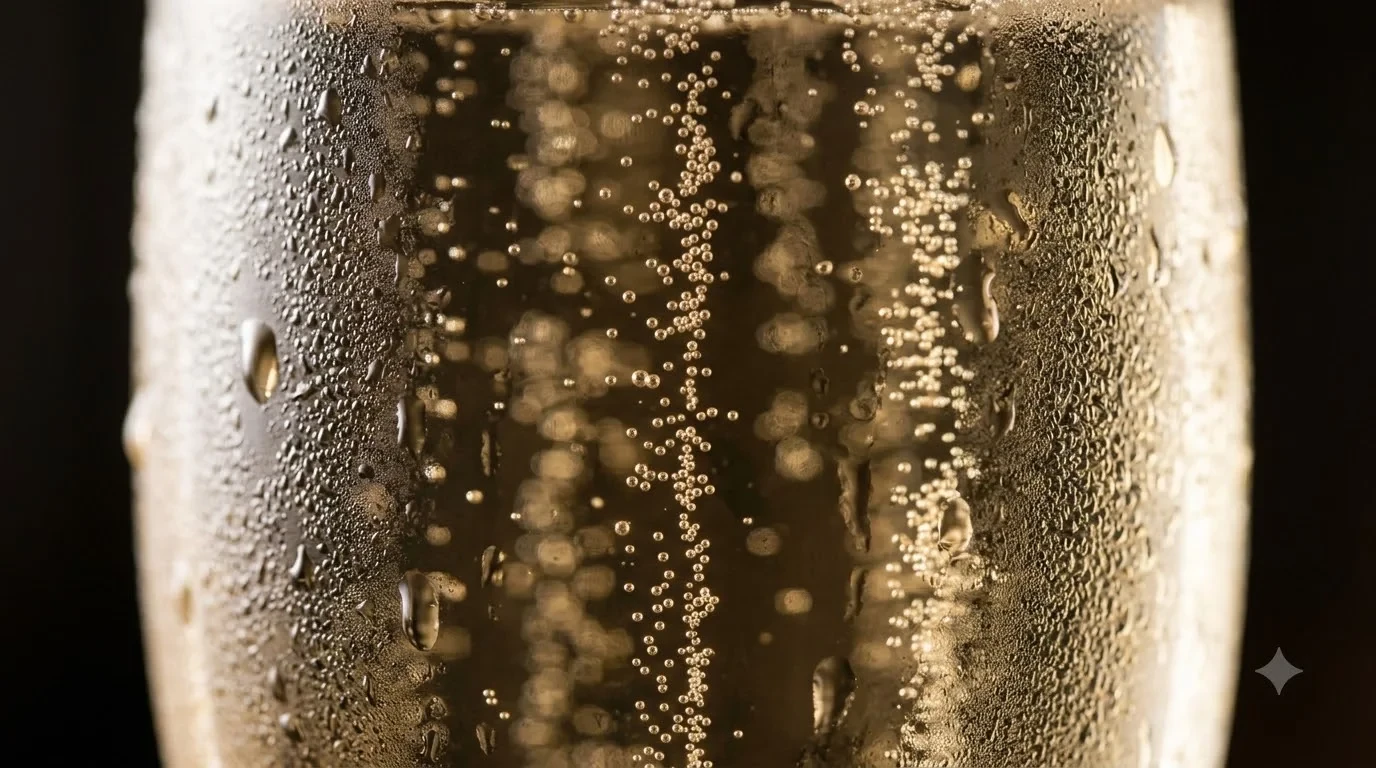
Cava is often compared with champagne and prosecco. The traditional method used for cava is the same process as champagne, which is why the two wines share a similar style of bubbles and texture. The grapes differ, and cava usually comes from Macabeo, Xarel-lo, and Parellada rather than the Champagne grapes used in France.
When you order at a restaurant, saying cava with the right stress makes it easier for the server to find the bottle you want. For a broader overview of sparkling and other wine styles, see Wine by Type, which groups the main categories together.
Serving and food ideas
Cava is usually served well chilled, in a flute or a standard wine glass. Its bright acidity and fresh citrus notes make it a good match for tapas, seafood, and fried snacks. Many people also enjoy it as an aperitif before a meal because it is light and easy to drink.
Learning the name is a small step toward understanding the wine itself. Once you know how it is made and where it comes from, the pronunciation feels like part of a larger picture rather than a single word to memorize.
Practicing cava in context
Cava is easiest to remember when you say it alongside other Spanish words you are likely to meet on a menu or in a shop. Tapas is said TAH-pahs in Spain, with the stress on the first syllable, which matches the way you should stress cava. Rioja, the red wine region, is said ree-OH-hah, and its stress falls on the middle syllable. Penedès, the area that produces most cava, is said pen-eh-DEHS, with the stress on the last syllable.
A short routine works well. Say cava, tapas, and Penedès in a row, then say each word in a sentence. Notice that the stress patterns differ, and that the word cava always carries its stress on the first syllable. Repeating the set helps the patterns settle in your memory. For the cava history behind the wine, see cava history, and compare the names amontillado and beaujolais too.
Context also makes the word feel natural. Ask for a glass of cava with a plate of snacks and say the name clearly. A server will usually respond quickly, and each successful order builds confidence for the next time.
Cava and the Catalan language
Cava’s home region of Catalonia has its own language, and the Catalan form of the word reflects that. In Catalan the final vowel is more reduced, so the word ends on a softer sound than the Spanish form. Many people in the region use both languages every day, and either form is understood across the wine trade.
For most English speakers, the Spanish-style KAH-vah is the simplest choice. It matches what you will hear in most shops and restaurants, and it avoids the need to switch forms in conversation. Learning the Catalan sound is a nice extra, but it is not required.
Common mistakes with the sound
The most common mistake is a hard English “v” with the teeth pressed against the lower lip, which sounds noticeably different from the Spanish version. The second is stressing the final syllable, which pushes the word toward an unfamiliar rhythm. The third is letting the final vowel stretch out into a long “ah,” which takes away the light ending that the Spanish form has.
Correcting these is simple. Keep the first syllable firm, let the second fall away lightly, and aim for a soft sound between “b” and “v.” Those three adjustments are enough to make the word sound natural to most listeners.
Frequently Asked Questions
How do you pronounce cava?
The English respelling is KAH-vah, with the stress on the first syllable. The Spanish form is [ˈkaβa], and the Catalan form is [ˈkaβə], with a softer final vowel.
Is cava the same as champagne?
No. Cava is a Spanish sparkling wine made using the traditional method, which is the same process used for champagne. The grapes and region differ, and cava is made mainly in Catalonia.
Which grapes are used in cava?
The main grapes named in the Wikipedia entry are Macabeo, Xarel-lo, and Parellada. Producers may also use other grapes depending on the style they want.
Where does cava come from?
Cava comes from Catalonia in northeastern Spain. About 95 percent is produced in the Penedès area, and other Spanish regions, including Aragon, the Basque Country, and Valencia, also make it.
Cava is a short word with a clear stress, and it is easy to say once you know the first syllable carries the weight. Practice KAH-vah in a sentence, then order a glass with a plate of tapas to hear it in context. The more often you say it, the more natural it will feel.
More in Wine Types & Grapes
 Zinfandel Sugar Content: Dry Red vs. White Zinfandel GramsUpdated Nov 21, 2026
 Best Zinfandel Substitute Options for Sipping and CookingUpdated Nov 21, 2026
 Zweigelt Food Pairing: Best Dishes, Cheeses, and Serving TipsUpdated Nov 21, 2026
 Zinfandel Tannins Explained: How Structure Shapes Every BottleUpdated Nov 21, 2026
 Zinfandel Sweetness Level: Dry Red vs. Sweet White Zin ExplainedUpdated Nov 21, 2026
 Xinomavro Food Pairing: Best Dishes, Styles, and Serving TipsUpdated Nov 21, 2026