

We may earn a commission when you buy through links on this page, at no extra cost to you. Learn more.
How to make wine less sweet is easiest to understand through chilling, balancing acidity, and blending it with a dry wine. These methods can reduce the impression of sweetness without requiring complicated equipment or winemaking knowledge. The best approach depends on whether you want to adjust one glass, improve an entire bottle, or choose a different wine next time.
A wine that tastes too sweet can be difficult to enjoy, especially if you prefer crisp whites, dry rosés, or structured reds. However, sweetness is only one part of wine’s overall flavor. Acidity, alcohol, fruit aromas, tannins, and temperature all influence how sweet a wine seems. Understanding these elements makes it easier to find a practical solution while preserving the wine’s character.
1. Chill the Wine to Reduce Perceived Sweetness
Chilling wine is the simplest way to make a sweet wine taste less sugary without adding ingredients or changing its composition. Lower serving temperatures reduce the perception of sweetness and make acidity seem more pronounced, creating a fresher impression.
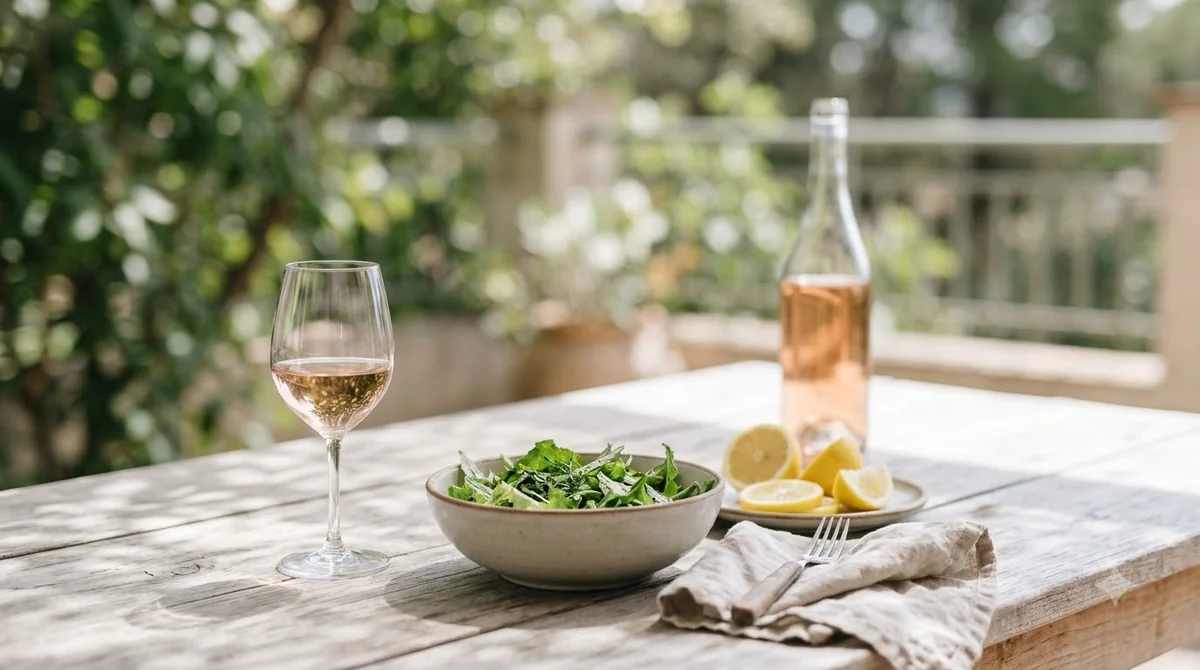
Start by placing the bottle in the refrigerator for approximately 30–60 minutes if it is already at room temperature. Pour a small amount into a glass and assess the flavor before serving more. If the wine still tastes excessively sweet, give it additional time to cool rather than immediately adding another ingredient.
The ideal temperature depends on the wine style. A sweet white such as Moscato or a late-harvest Riesling generally benefits from being served between 43 and 50 degrees Fahrenheit. Sparkling wines are usually best between 40 and 50 degrees Fahrenheit, while lighter whites and rosés work well between 45 and 50 degrees Fahrenheit.
Very cold temperatures can temporarily mute aromas, so avoid assuming that the colder the wine becomes, the better it will taste. A wine served almost at freezing temperature may lose some of its floral, citrus, and fruit character. Aim for refreshing rather than excessively cold.
Red wine requires a different approach. A sweet red blend can be chilled to approximately 55–60 degrees Fahrenheit, especially if it has a lighter body. Full-bodied reds generally taste better around 60–65 degrees Fahrenheit. Chilling a red moderately can make its sweetness less obvious without making its tannins excessively prominent.
Temperature is particularly useful when serving wine at a gathering because it does not alter the alcohol content, sugar concentration, or original ingredients. It simply changes the balance perceived by the palate. This makes chilling a sensible first step before experimenting with blending or adding mixers.
Tip: Chill a sweet white wine to approximately 45–48 degrees Fahrenheit, pour a small sample, and allow it to warm gradually in the glass. This gives you an opportunity to find the temperature at which the wine tastes balanced rather than merely cold.
2. Add Acidity to Balance Sweetness
Acidity is one of the most effective ways to make sweet wine seem drier because tart flavors counterbalance the sensation of sugar. A small amount of lemon or lime juice can change the flavor of a glass, although it also changes the wine itself.
Think about the difference between drinking plain sweetened water and drinking lemonade. Both can contain sugar, but the acidity in lemonade creates a sharper, more refreshing taste. A similar relationship exists in wine: higher acidity can make residual sugar less noticeable.
For a quick adjustment, begin with a small glass of wine and add just a few drops of fresh lemon juice. Stir gently, taste, and increase the amount gradually if necessary. Avoid squeezing an entire lemon into a glass because excessive citrus can overwhelm delicate grape aromas and make the wine taste like a cocktail ingredient.
Lime juice is another possibility, particularly with fruit-forward white wines, sparkling wine, and simple wine spritzers. Its flavor can be more pronounced than lemon, so a conservative starting amount is important. Fresh citrus is generally preferable to bottled juice when the goal is to maintain a clean flavor.
Another option is to pair the wine with an acidic food rather than modifying the drink. Lemon-dressed seafood, goat cheese with citrus, and tomato-based appetizers can create a more balanced tasting experience. The food changes the way the wine is perceived without permanently changing the liquid.
However, adding acidity is not identical to removing sugar. The residual sugar remains in the wine, and the final flavor may become sharper rather than genuinely dry. This distinction matters if you dislike sweetness because of its texture or the overall weight of the wine rather than simply its sugary taste.
Acidity also varies by grape variety. Sauvignon Blanc and Riesling are generally high-acid varieties, while Chardonnay typically has medium acidity. These differences explain why two wines with similar residual sugar can taste quite different.
3. Blend Sweet Wine With a Dry Wine
Blending sweet wine with dry wine is one of the most practical ways to reduce sweetness across an entire serving. The dry wine dilutes the concentration of residual sugar, while its acidity and structural characteristics can help create a more balanced result.
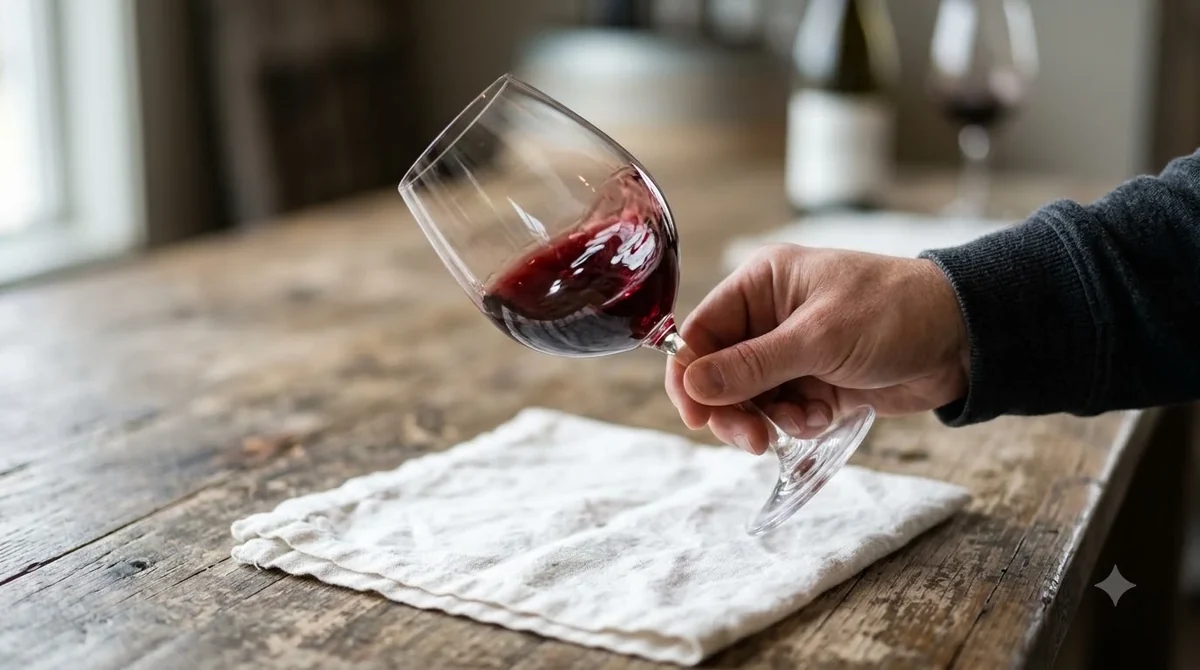
Choose a dry wine with a similar style, color, and general flavor profile. For example, a sweet white wine may work with dry Sauvignon Blanc, Pinot Grigio, or another crisp white. A sweet red may blend more naturally with dry Merlot or Pinot Noir, depending on its body and fruit character.
Do not immediately combine two full bottles. Instead, prepare a small tasting sample and experiment with different proportions. A useful starting point is one part sweet wine to one part dry wine. If the result remains too sweet, increase the dry portion gradually.
How blending proportions change sweetness
The following example assumes that the dry wine contains approximately 2 g/L of residual sugar and that the sweet wine contains 40 g/L. These are illustrative concentrations, not measurements for every bottle.
| Sweet wine | Dry wine | Approximate final residual sugar | Result |
|---|---|---|---|
| 100% | 0% | 40 g/L | Original sweetness |
| 75% | 25% | 30.5 g/L | Moderately reduced sweetness |
| 50% | 50% | 21 g/L | Noticeably less sweet |
| 25% | 75% | 11.5 g/L | Much drier impression |
| 10% | 90% | 5.8 g/L | Close to a dry-style concentration |
The calculation uses a weighted average of the two residual-sugar concentrations. For instance, combining 50 milliliters of wine at 40 g/L with 50 milliliters at 2 g/L produces a mixture containing approximately 21 g/L of residual sugar.
Remember that this calculation describes sugar concentration, not the exact sweetness perceived by your palate. A high-acid dry wine can make the mixture seem less sweet than its sugar concentration suggests. Alcohol, tannins, and fruit aromas also influence the result.
Blending can affect more than sweetness. Combining a high-acid Sauvignon Blanc with a soft, aromatic sweet white may improve freshness but create a less harmonious aroma. Similarly, mixing a heavily tannic Cabernet Sauvignon with a light, sweet red may produce an unbalanced mouthfeel.
For a better result, taste the wines separately before blending. Choose complementary flavors, experiment with small portions, and serve the finished mixture at the appropriate temperature. Once you find a proportion that works, you can repeat it for a larger serving.
4. Use Dry Wine Styles to Choose a Better Balance
Choosing a naturally dry wine is often more effective than repeatedly adjusting a bottle that is too sweet. Understanding grape varieties and their typical acidity and tannin levels helps you select a wine that feels crisp, restrained, and balanced.
For white wine, Sauvignon Blanc is a useful starting point because it typically has high acidity and refreshing citrus or green-fruit characteristics. Dry Riesling can also provide considerable acidity, although Riesling is produced in several sweetness styles, so the grape name alone does not guarantee dryness.
Pinot Grigio is another popular choice for drinkers who prefer lighter, fresher whites. Many examples have a relatively restrained fruit profile and a dry finish. Chardonnay generally has medium acidity and can range from lean and crisp to richer, rounder, and more oak-influenced styles.
For red wine, Pinot Noir offers low-to-medium tannins and relatively high acidity. Merlot generally has medium tannins and a softer texture, while Cabernet Sauvignon is known for high tannin. Syrah commonly has medium-plus to high tannin, depending on the style.
These structural differences matter when choosing a wine to replace or blend with a sweeter bottle. A high-tannin red can feel more drying, but it will not automatically remove residual sugar. Likewise, a high-acid white may taste fresher even if it contains a modest amount of sugar.
Useful grape varieties for different preferences
- Sauvignon Blanc: A good choice for drinkers who want pronounced acidity, citrus notes, and a crisp finish.
- Dry Riesling: Suitable for those who enjoy aromatic fruit and high acidity without substantial sweetness.
- Pinot Grigio: Often light-bodied, refreshing, and straightforward in flavor.
- Pinot Noir: A lighter red with relatively high acidity and low-to-medium tannins.
- Merlot: A softer red with medium tannins and approachable fruit characteristics.
- Cabernet Sauvignon: A fuller red with high tannin and a firmer structure.
When choosing a replacement, consider the wine’s overall style rather than relying exclusively on its grape variety. A ripe, high-alcohol Chardonnay aged in oak can taste sweeter than a leaner example, even when both wines are technically dry.
For more information about wine styles, grape characteristics, and serving decisions, explore our Wine Q&A section.
5. Make a Wine Spritzer With Sparkling Water
A wine spritzer is an easy way to make a sweet wine lighter and less concentrated. Adding plain sparkling water reduces the amount of wine in each sip, softens the intensity of sweetness, and introduces refreshing carbonation.
Start with approximately 3 ounces of wine and 2 ounces of chilled sparkling water. Pour the wine into a large glass filled with ice, add the sparkling water, and stir gently. Taste the mixture before adding more water.
If the wine is particularly sweet, a 1:1 ratio may work better. This means using equal amounts of wine and sparkling water. For example, 3 ounces of wine combined with 3 ounces of sparkling water creates a lighter drink with less sugar per serving than the original wine.
Use unflavored sparkling water rather than sweetened soda or tonic water. Flavored mixers can contain additional sugar, which defeats the purpose if your main objective is to reduce sweetness. Plain soda water, club soda, or mineral sparkling water are suitable options.
A small squeeze of lemon can add another layer of freshness. Mint leaves, a thin cucumber slice, or a small piece of citrus peel can also provide aromatic complexity without requiring additional sweeteners.
Which wines work best in spritzers?
Sweet Moscato, fruity rosé, and off-dry Riesling can all work in simple spritzers. Wines with noticeable acidity tend to produce particularly refreshing results because the carbonation reinforces their lively character.
For sparkling wine, remember that the sweetness classifications can be confusing. Brut Nature is generally drier than Extra Brut, which is drier than Brut. Extra Dry is actually sweeter than Brut, despite the name. Demi-Sec and Doux are progressively sweeter categories.
A wine spritzer does not reduce the sugar concentration within the original bottle. Instead, it reduces the proportion of wine in the finished drink. This is an important distinction if you are trying to change the entire bottle rather than prepare one lighter serving.
Keep the sparkling water cold and add it immediately before serving to preserve carbonation. Once the drink sits for an extended period, the bubbles gradually disappear, leaving a less refreshing mixture.
6. Avoid Common Mistakes When Adjusting Sweet Wine
Changing the flavor of sweet wine requires a little restraint because aggressive adjustments can create new problems. Adding too much citrus, using the wrong dry wine, or serving the bottle at an unsuitable temperature can make an otherwise enjoyable wine taste unbalanced.
The first common mistake is adding large amounts of lemon juice or vinegar. Although acidity can counterbalance sweetness, excessive amounts introduce sourness that may overwhelm the wine’s fruit, floral, and mineral characteristics. Always begin with a small sample and make gradual adjustments.
The second mistake is adding ordinary table sugar or sweet mixers. These ingredients increase sweetness rather than reduce it. If the wine already tastes sugary, adding fruit syrup, lemonade, or sweetened soda will generally move it further from the flavor you want.
Another mistake is confusing fruity aromas with actual sugar. A dry wine can smell like peaches, pineapple, mango, or ripe strawberries without containing substantial residual sugar. Oak aging can also introduce vanilla and caramel aromas that create an impression of sweetness.
As Decanter’s explanation of residual sugar in wine explains, acidity, oak, fruit flavors, alcohol levels, and serving temperature can all influence how sweet a wine tastes. This helps explain why a technically dry wine can seem sweet even when it contains very little residual sugar.
Alcohol deserves particular attention. Higher alcohol can contribute a sweet impression while also producing warmth on the palate. Adding a high-alcohol dry red to a sweet wine may reduce its sugar concentration but create a hotter, heavier final drink.
Food pairing can also make a difference. A wine should generally be at least as sweet as the dessert served alongside it, otherwise the wine may taste sharper and less balanced. Salty or fatty foods can soften tannin perception, while acidic foods benefit from wines with equal or higher acidity.
Spicy dishes require additional care. Alcohol and tannins can amplify the sensation of chili heat, so a powerful red wine may make spicy food seem hotter rather than more balanced. A high-acid, slightly sweet Riesling can be a better choice for spicy dishes than a strongly tannic red.
Finally, do not assume that every adjustment will preserve the wine’s original character. Once you mix citrus, sparkling water, or another wine into a bottle, you have created a different beverage. That is perfectly acceptable, but it is better to experiment with individual servings before making changes to the entire bottle.
For readers who want to understand other questions about wine consumption, our explanations of why does wine make me sneeze and can wine make you sick cover separate topics that should not be confused with sweetness or flavor balance.
Frequently Asked Questions
Does adding ice to wine make it less sweet?
Ice initially chills wine and reduces the perception of sweetness, but melting ice also dilutes the drink. A standard ice cube can add several milliliters of water as it melts, depending on its size. If you want to maintain the original flavor more closely, use frozen grapes instead of conventional ice cubes.
Can baking soda make wine less sweet?
Baking soda is not a recommended way to balance sweet wine. Sodium bicarbonate neutralizes acids and can reduce the wine’s freshness, potentially making its sweetness more noticeable. It can also introduce an unpleasant mineral or salty impression.
Does wine become less sweet after being opened overnight?
Wine does not reliably lose its residual sugar after opening. Exposure to oxygen can change its aromas and flavors, but it does not provide a dependable way to remove sweetness. Keep opened still wine refrigerated and generally consume it within 3–5 days for better quality.
Can a wine aerator remove sugar from sweet wine?
No. An aerator exposes wine to oxygen and can change the way certain aromas are expressed, but it does not filter out dissolved sugar. Aeration is more commonly useful for young, full-bodied red wines, which may benefit from approximately 30–60 minutes of decanting.
Can you ferment an already bottled sweet wine again?
Simply leaving an opened bottle exposed to air does not restart controlled fermentation. Commercial wines are produced and packaged with microbial stability in mind, and deliberately introducing yeast into bottled wine can create unpredictable results. Uncontrolled refermentation can also produce unwanted gas and flavors, making professional winemaking controls important.
Making wine taste less sweet does not require expensive equipment or complicated techniques. Start by chilling the wine, then consider a small amount of citrus, a dry-wine blend, or sparkling water depending on the style and your preferences. With a little experimentation, you can find a balance that preserves the wine’s character while making each glass more enjoyable.
More in Wine Basics
 Which Rose Is Best for Your Taste, Budget, and Food PairingsUpdated Nov 21, 2026
 Is Cheap Wine Bad? How to Find Bottles Worth DrinkingUpdated Nov 21, 2026
 What To Write On A Wine Gift Tag: Thoughtful Messages For Every OccasionUpdated Nov 21, 2026
 Which Wine Is Best For Weight Loss? Compare Lower-Calorie ChoicesUpdated Nov 21, 2026
 What Is The Best Wine For Mimosas? Choose Bubbly That Balances Orange JuiceUpdated Nov 20, 2026
 Which Prosecco Is Best for Your Taste and OccasionUpdated Nov 20, 2026