

We may earn a commission when you buy through links on this page, at no extra cost to you. Learn more.
How many calories in a bottle of wine? A standard 750ml bottle usually holds about 525 to 700 calories, and most dry table wines land somewhere between 600 and 650. The exact figure depends mostly on alcohol by volume (ABV), because alcohol supplies most of the energy in wine. Residual sugar, which is the sweetness left after fermentation, adds more on top of that. A bottle’s label gives the ABV, so you can get a closer estimate in under a minute.
Calorie counts for wine are easy to guess and hard to pin down, which is why so many numbers circulate online. This guide explains where the calories come from, gives a simple table you can use for any 750ml bottle, and shows how to convert a bottle count into glasses so you can plan a dinner, a party, or a weekly budget with a reasonable estimate.
Where the Calories in Wine Come From
Wine has two main sources of energy. The first is ethanol, the alcohol produced when yeast turns grape sugar into alcohol during fermentation. Each gram of alcohol carries about 7 calories, which is more than carbohydrates or protein provide per gram. The second source is residual sugar. Each gram of sugar contributes about 4 calories, so a wine that finishes sweet carries more energy than a wine that ferments almost completely dry.
Wine contains almost no fat and very little protein, so the calorie picture is mostly about alcohol and sugar. That is also why two wines of the same volume can have quite different calorie totals. A dry wine at 15% ABV can contain more calories than a lightly sweet wine at 11%, because the alcohol does more of the work than the sugar does.
Calories by Alcohol Level in a 750ml Bottle
When producers and reference sites estimate wine calories, they often start with ABV because it is printed on every label. A commonly used table, published by Vintage Roots in its wine calorie guide, shows how the count moves as the alcohol level rises. The numbers below are for a full 750ml bottle of a dry wine, where alcohol is the main driver.
| ABV on the label | Calories per 750ml bottle | Calories per 175ml glass |
|---|---|---|
| 11% | 462 | 108 |
| 12% | 504 | 118 |
| 13% | 546 | 127 |
| 14% | 588 | 138 |
| 15% | 630 | 147 |
| 20% | 840 | 198 |
The pattern is simple. Every extra percentage point of alcohol adds roughly 42 calories to a 750ml bottle. A wine labeled 12.5% ABV, for example, works out to about 525 calories per bottle, which is the figure many people land on when they look for a middle-of-the-road estimate. If you see a label at 14.5% or 15%, expect a bottle near the top of the typical range rather than the bottom.
The table is a guide rather than a lab result. The same source explains that the estimate assumes alcohol is the main contributor and does not fully adjust for sugar, so a sweet wine at the same ABV will usually come in a little higher. For most dry reds and whites, though, the ABV number on the label is the fastest way to a reliable answer.
Red, White, Rosé, and Sparkling Compared
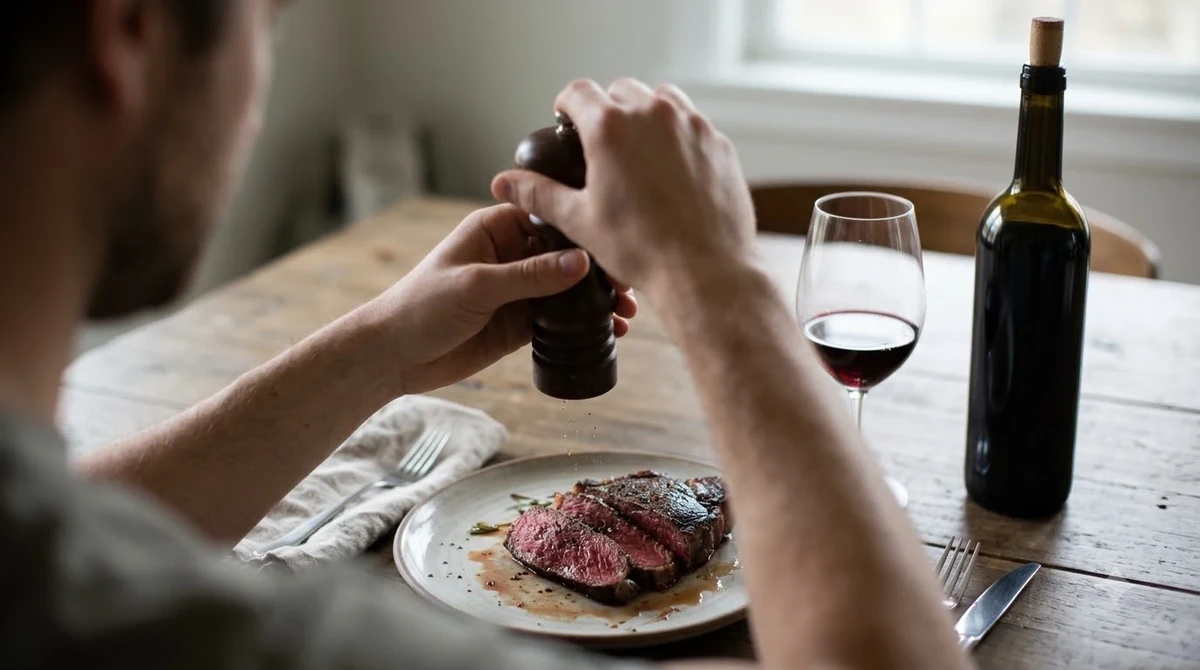
Many people assume red wine is always more caloric than white, and the idea has some truth to it. Red wines are often a little higher in alcohol, especially full-bodied styles from warm regions, so they tend to carry more calories per bottle. Yet the color itself does not add calories. Two white wines at 14% ABV will have the same alcohol-based count as a red at 14%, and a crisp white at 12.5% will usually come in below a bold red at 14.5%.
Rosé follows the same logic. Its calories depend on ABV and sugar rather than on its pink color, so a dry rosé and a dry white with similar alcohol will sit in the same range. Sparkling wine is more varied. Many sparkling wines are made in a dry style with moderate alcohol, while some are labeled sweet and carry more sugar. When you compare two sparkling bottles, check both the ABV and the sweetness word on the label before you assume one is lighter than the other.
Sweet and Dessert Wines Carry More Energy
Sweet wines are where the calorie count can rise quickly. Because sugar supplies about 4 calories per gram, a wine that keeps a large amount of residual sugar adds to the alcohol total instead of staying near the dry-wine range. Late-harvest wines, sweet Rieslings, and dessert wines made from dried or botrytized grapes often sit at the high end of the scale. Fortified wines such as port and sherry are higher still, because they combine high alcohol with sugar.
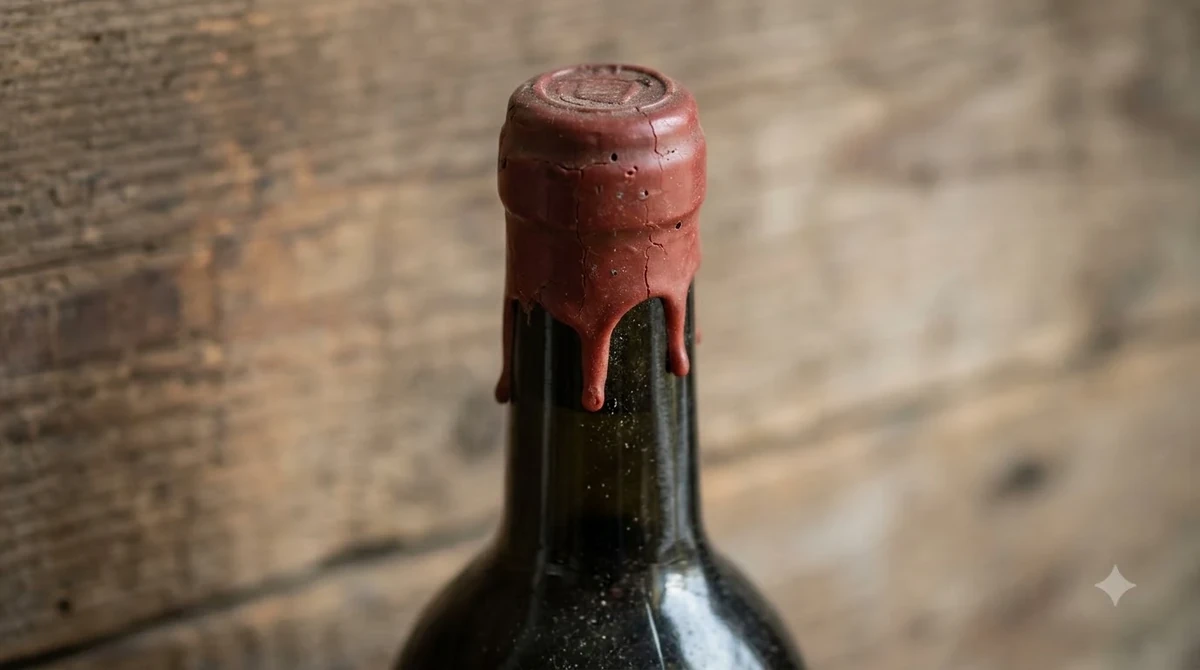
A practical way to spot a sweeter bottle is to read the label and the producer’s description. Words such as “dessert,” “late harvest,” “sweet,” or “off-dry” usually signal more sugar. Dry styles are often described as “dry,” “brut,” or “bone dry,” and those bottles generally sit closer to the lower end of the calorie range for their ABV. The label may not state sugar levels directly, so the ABV and the style description are the two clues you can rely on most often.
Converting a Bottle Into Glasses and Pours
Most people do not drink a whole bottle in one sitting, so a per-glass figure is often more useful. The same Vintage Roots table lists about 108 calories for a 175ml glass of an 11% wine, rising to about 138 for a 14% wine and 147 for a 15% wine. A typical restaurant pour is a little larger than 175ml, so a generous glass will land above these figures. If you want the per-glass math in more detail, our guide on how many calories in a glass of wine walks through the same numbers with different pour sizes.
Bottle size also matters for planning. A 750ml bottle holds about five 5-ounce pours, or a little more than four generous pours at 6 ounces. If you are planning a party, it helps to count pours rather than bottles, and to check the ABV of each bottle you open. A mix of 12% and 14.5% wines can change the total more than you might expect across a long evening.
Serving size can shift the total in the other direction as well. A small pour of a dry 12% wine stays comfortably lower than a full glass of a sweet dessert wine, even when the bottles are the same size. For a broader look at how bottle sizes convert into servings, see our guide on how many ounces are in a bottle of wine, which covers the pour math in more detail.
How to Estimate Calories for Any Bottle
You can estimate the calories in almost any bottle with three steps. First, find the ABV on the label. Second, use the table above or multiply the ABV percentage by about 42 to get a rough bottle count. Third, adjust slightly upward for a clearly sweet style or downward for a bone-dry one. This method is not precise to the calorie, but it gets you close enough for everyday planning.
If you track calories closely, a food-logging app or a nutrition database will usually list wine by style and ABV, which gives a more specific entry than a generic “red wine” line. The key is to log the actual pour you drank, not the whole bottle, so the total matches what you consumed. Consistency matters more than precision here, because the same method applied every time gives you a reliable trend.
Frequently Asked Questions
Is there a calorie difference between red and white wine?
Only a small one in most cases. Calories depend mainly on alcohol and sugar, not on color. Red wines are often slightly higher in alcohol, which is why they tend to carry a few more calories per bottle than a lighter white of similar style.
How many calories are in a 750ml bottle at 12.5% ABV?
About 525 calories, according to the Vintage Roots calorie guide. That figure assumes a dry wine where alcohol is the main source of energy. A sweeter wine at the same ABV will usually come in a little higher.
Does sparkling wine have fewer calories than still wine?
Not necessarily. A dry sparkling wine with moderate alcohol can sit near the lower end of the range, but a sweet sparkling wine can match or exceed a dry still wine. Check the ABV and the sweetness word on the label before comparing.
How can I estimate calories if the label does not show the sugar?
Use the ABV as your starting point, since it is always printed. Then adjust upward if the producer describes the wine as sweet, late harvest, or dessert style, and downward if it is described as bone dry or brut. The result is an estimate, but it is a useful one for planning.
A bottle of wine typically holds about 600 calories, and the number you land on will follow the ABV and sweetness on the label. For more everyday wine questions, the wine basics section covers serving, storage, and buying in plain language.
More in Wine Basics
 Which Rose Is Best for Your Taste, Budget, and Food PairingsUpdated Nov 21, 2026
 Is Cheap Wine Bad? How to Find Bottles Worth DrinkingUpdated Nov 21, 2026
 What To Write On A Wine Gift Tag: Thoughtful Messages For Every OccasionUpdated Nov 21, 2026
 Which Wine Is Best For Weight Loss? Compare Lower-Calorie ChoicesUpdated Nov 21, 2026
 What Is The Best Wine For Mimosas? Choose Bubbly That Balances Orange JuiceUpdated Nov 20, 2026
 Which Prosecco Is Best for Your Taste and OccasionUpdated Nov 20, 2026