

We may earn a commission when you buy through links on this page, at no extra cost to you. Learn more.
Most young to mid-aged bottles need 1 to 2 hours of aeration, which is the standard benchmark for how long to decant syrah before serving. Lighter, everyday cool-climate expressions open up in 30 to 60 minutes, whereas dense, structured bottles from warm regions or top appellations can require 2 to 3 hours. Older vintages aged 15 years or more should only be decanted right before pouring to separate sediment without fading their delicate aromatics.
Syrah—also labeled as Shiraz in Australia and parts of South Africa—is a thick-skinned, dark-berried red grape known for deep color, firm tannins, and savory spice. Giving it controlled oxygen exposure softens its angular grip and lets dark fruit, cracked black pepper, and smoky notes emerge cleanly in the glass.
Decanting Times by Syrah Style and Age
The exact window depends on how much tannin, oak, and bottle age a wine carries, rather than a single universal timer. Cool-climate bottlings, warm-climate styles, and aged cellar selections each react to air at a distinct pace.
According to Wine Folly’s decanting guide, Syrah and Shiraz generally require at least 60 minutes of air, with younger, higher-tannin examples taking longer to smooth out. Cool-climate expressions from the Northern Rhône Valley—such as Saint-Joseph, Crozes-Hermitage, or Côte-Rôtie—typically feature bright acidity and moderate oak, allowing them to open within 45 to 90 minutes. Dense, structured Northern Rhône wines like Hermitage or Cornas, however, carry firm structural tannins that benefit from a full 2 to 3 hours in a wide-bottomed vessel.
Warm-climate Shiraz from regions such as Australia’s Barossa Valley or California’s Paso Robles tends to be full-bodied, plush, and aged in noticeable amounts of oak. Even though the fruit feels riper on entry, the combination of concentrated extract and barrel tannin means young bottles under five years old benefit from 1.5 to 2 hours of breathing time. If a warm-climate bottle is simple, fruity, and meant for casual weeknight drinking, 30 to 45 minutes is plenty to integrate the alcohol and oak.
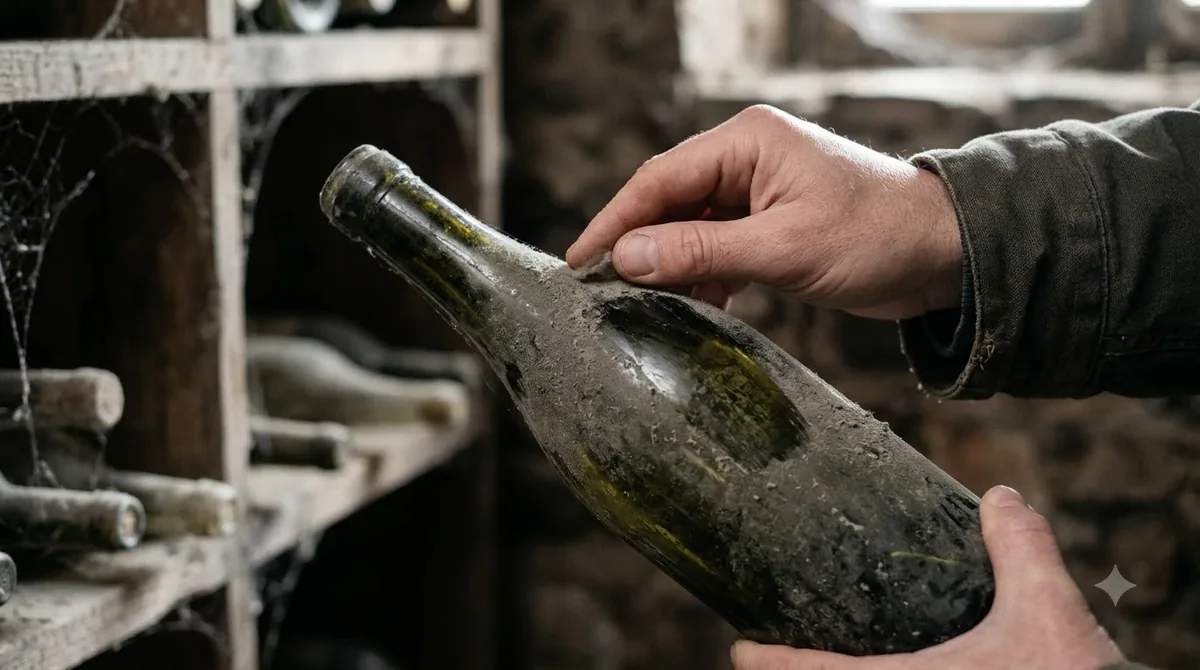
Once a bottle reaches 12 to 15 years of age or older, the goal shifts entirely from aeration to sediment removal. Over a decade in the cellar, harsh tannins polymerize and drop out of suspension as fine particulate matter at the bottom of the bottle. Exposing a mature Syrah to air for hours can flatten its tertiary aromas of leather, dried violet, and cured meat, so decant aged bottles gently just 15 to 30 minutes before dinner.
| Syrah Style or Age | Recommended Decant Time | Primary Goal | Ideal Vessel |
|---|---|---|---|
| Everyday / Fruity Syrah (1–3 years) | 30 to 45 minutes | Blow off tight aromas and integrate oak | Standard carafe or large wine glass |
| Cool-Climate Syrah (3–8 years) | 1 to 1.5 hours | Open savory spice, olive, and floral notes | Medium-base decanter |
| Warm-Climate Shiraz (2–7 years) | 1.5 to 2 hours | Soften dense tannins and plush extract | Wide-base decanter |
| Structured Age-Worthy Syrah (3–10 years) | 2 to 3 hours | Relax firm grip in Hermitage or Cornas styles | Wide-base decanter |
| Mature Cellar Syrah (15+ years) | 15 to 30 minutes | Separate sediment without oxidizing fruit | Narrow-neck or standard decanter |
Why Oxygen Changes Syrah in the Decanter
Pouring Syrah from a narrow bottle neck into a wide decanter dramatically increases the surface area exposed to air, triggering chemical reactions that alter both aroma and mouthfeel. Understanding what happens during those first two hours helps you judge when a bottle has reached its peak.
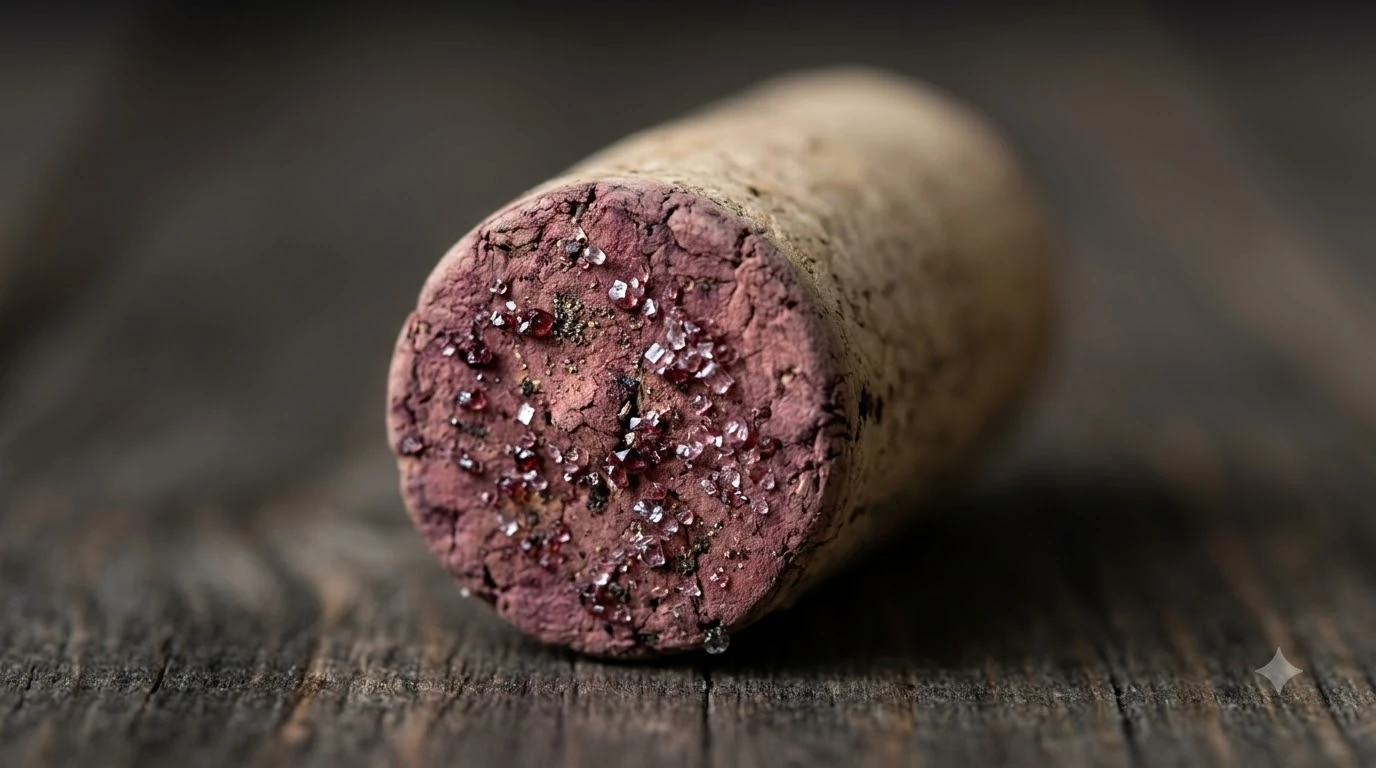
First, aeration allows volatile sulfur compounds to evaporate. Syrah is naturally prone to reduction during winemaking—a low-oxygen environment that can trap aromas resembling struck match, rubber, or bacon fat when the cork is first pulled. As reviewers at Wine Enthusiast note, giving a tight red 10 to 20 minutes of air and swirling lets reductive or sulfur-related notes dissipate so primary fruit can shine through.
Second, sustained oxygen contact modifies how tannins feel on your palate. In young wines, astringent phenolic molecules bind aggressively to proteins in your saliva, creating a drying, chalky sensation across your gums. Oxygen encourages these smaller tannin molecules to link together into longer chains that feel rounder and smoother, letting the wine’s blackberry, plum, and black pepper flavors take center stage.
Compared to other red varieties, Syrah sits near the upper end of aeration needs. It generally requires more time than lighter-bodied reds—if you are curious about how long to decant pinot noir, 30 minutes is usually sufficient—while rivaling the aeration window outlined in guides covering how long to decant cabernet sauvignon.
Step-by-Step Guide to Decanting Syrah Properly
Decanting is straightforward, but your pouring technique and serving temperature determine whether the wine opens gracefully or turns flat and warm. Follow a consistent routine tailored to the bottle’s age.
For a young bottle under eight years old, uncork the wine and pour it steadily into a clean, dry decanter, letting it splash gently against the glass wall. That initial splash introduces a burst of oxygen right away, doing much of the early aeration work. Leave the decanter on a counter or sideboard away from direct sunlight, radiators, or stove heat so the wine stays close to its ideal serving range of 60°F to 68°F (15°C to 20°C).
For an older bottle with visible sediment, stand the bottle upright for at least 24 hours before opening so particles settle cleanly to the bottom. Place a bright light source—such as a phone flashlight or candle—directly beneath the neck of the bottle as you pour slowly in one continuous motion. Stop pouring the moment you see cloudy sediment reach the shoulder of the bottle, leaving the last ounce behind.
If you are short on time and serving a stubbornly tight young Syrah, you can use double decanting to speed up the process. Pour the wine into a decanter, swirl it vigorously for 30 seconds, and pour it back into the empty bottle using a clean funnel before serving. Once a bottle is opened and exposed to oxygen, its clock moves quickly; if you want to plan ahead before pulling the cork, check how long does syrah last unopened to see how long different styles hold in storage.
Tip: Pour a one-ounce taste immediately after opening and sample another splash every 30 minutes—as soon as the harsh edge softens and dark fruit aromas bloom, the wine is ready to serve.
Signs Your Syrah Needs More Air (or Is Ready to Pour)
Every vintage and producer behaves differently, so tasting the wine as it breathes is far more reliable than watching a clock. Paying attention to three sensory cues tells you exactly where the wine stands.
A Syrah that is still “closed” smells muted, overly earthy, or sharp with alcohol and struck-match notes, offering little fruit on the nose. On the palate, it feels tight, linear, and aggressively drying on the finish. When you notice these traits, leave the wine in the decanter for another 30 to 45 minutes and swirl the vessel occasionally to encourage airflow.
When the wine hits its sweet spot, the bouquet opens into expressive layers of blackberry, black cherry, violet, smoked meat, and cracked pepper. The mid-palate feels fuller and more cohesive, and the tannins coat your mouth smoothly rather than clamping down. At this stage, pour glasses for the table rather than letting the decanter sit out indefinitely.
You can also over-decant a wine if you leave it unattended for too many hours. If a Syrah starts tasting hollow, overly sweet, or noticeably flat with fading fruit aroma, oxygen has pushed it past its peak. Because aeration is a one-way process, it is always safer to start tasting early than to wait too long.
Common Mistakes to Avoid When Aerating Syrah
Even experienced wine drinkers occasionally undermine a great bottle through small habits during decanting. Avoiding a few predictable missteps protects the wine’s freshness and aromatic balance.
The most common error is letting the wine warm up to room temperature while it breathes. Most American homes sit around 70°F to 74°F, which is too warm for red wine and makes Syrah’s alcohol taste hot and flabby. If your kitchen is warm, place the decanter in a cool pantry or chill the bottle in the refrigerator for 20 minutes before decanting so it stays in the 60°F to 68°F sweet spot.
Another frequent mistake is using a narrow-necked carafe for a young, tannic bottle. A vessel with a slim profile barely exposes more surface area than the bottle itself, slowing down aeration considerably. Save narrow vessels for mature vintages and choose a wide-bottomed decanter for youthful bottles, or browse Wine by Type to see how other full-bodied reds compare in structure and service.
Finally, avoid using mechanical spout aerators on older, sediment-heavy bottles. Forced-air gadgets agitate delicate aged wines too violently and can stir fine sediment directly into your glass. Stick to a gentle, slow pour into a standard decanter whenever a bottle has spent more than a decade in the cellar.
Frequently Asked Questions
Can you decant Syrah for too long?
Yes, leaving Syrah in a decanter for too many hours—especially older bottles or lighter styles—causes excessive oxidation that flattens fruit flavors and leaves the wine tasting hollow. Most red wines peak within 1 to 3 hours and begin declining noticeably after 12 to 18 hours of air exposure.
Should you put a cork or stopper in a decanter?
Leave the decanter uncovered while the wine is actively opening up so fresh oxygen can circulate across the surface. Once the Syrah tastes balanced and aromatic, you can place a glass stopper or clean cover on top if you are holding the remaining wine for later in the evening.
What if I do not own a wine decanter?
Any clean, odor-free glass pitcher, water carafe, or Mason jar works well as a makeshift decanter for young Syrah. You can also pour generous servings into oversized red wine glasses 30 to 45 minutes before dinner and swirl them periodically to achieve a similar softening effect.
Does Syrah need to be decanted if it has a screw cap?
Yes, screw-cap Syrah often benefits from decanting even more than cork-finished bottles because tight seals can trap reductive, matchstick-like aromas inside the bottle. Giving a screw-cap Shiraz or Syrah 45 to 90 minutes in a decanter lets those tight sulfur notes blow off cleanly.
Finding the right aeration window turns a tight, brooding bottle of Syrah into a layered, expressive centerpiece at the dinner table. Start with 1 to 2 hours for most young bottles, keep the wine cool as it breathes, and let periodic tastings guide your final pour.
More in Wine Types & Grapes
 Zinfandel Sugar Content: Dry Red vs. White Zinfandel GramsUpdated Nov 21, 2026
 Best Zinfandel Substitute Options for Sipping and CookingUpdated Nov 21, 2026
 Zweigelt Food Pairing: Best Dishes, Cheeses, and Serving TipsUpdated Nov 21, 2026
 Zinfandel Tannins Explained: How Structure Shapes Every BottleUpdated Nov 21, 2026
 Zinfandel Sweetness Level: Dry Red vs. Sweet White Zin ExplainedUpdated Nov 21, 2026
 Xinomavro Food Pairing: Best Dishes, Styles, and Serving TipsUpdated Nov 21, 2026