

We may earn a commission when you buy through links on this page, at no extra cost to you. Learn more.
How long to chill wine in the fridge depends on the bottle’s starting temperature, the style of wine, and how cold you want it to be. A bottle that begins at room temperature needs a good stretch on the fridge shelf before it reaches a crisp serving temperature, while a bottle already kept cool needs much less time. Planning a little ahead keeps the wine at its best without overcooling it.
Most people reach for the fridge when guests are about to arrive, and that is a sensible habit. A chilled white or rosé tastes brighter, and a sparkling wine stays lively when it is cold. Red wine also has a serving range, although many people serve it too warm. This guide explains how to think about chilling time, what temperatures to aim for, and how to avoid the common mistakes that flatten a good bottle.
Why chilling time varies so much
A bottle moves toward the fridge’s temperature gradually, and several factors control how fast that happens. The wine’s starting point matters most, followed by the shape and material of the bottle, the amount of wine inside, and how often the fridge door opens. A full bottle of wine holds its cold longer than a half bottle, and a glass bottle with a thin shoulder reaches the target sooner than a heavier one.
Position in the fridge also makes a difference. The back and the lower shelves are usually the coldest and most stable spots, while the door warms up each time it opens. Placing the bottle where it will not be bumped or moved helps it cool evenly. If you are short on time, a bottle laid on its side in the coldest part of the fridge will usually chill a little faster than one standing upright.
Target temperatures for each style
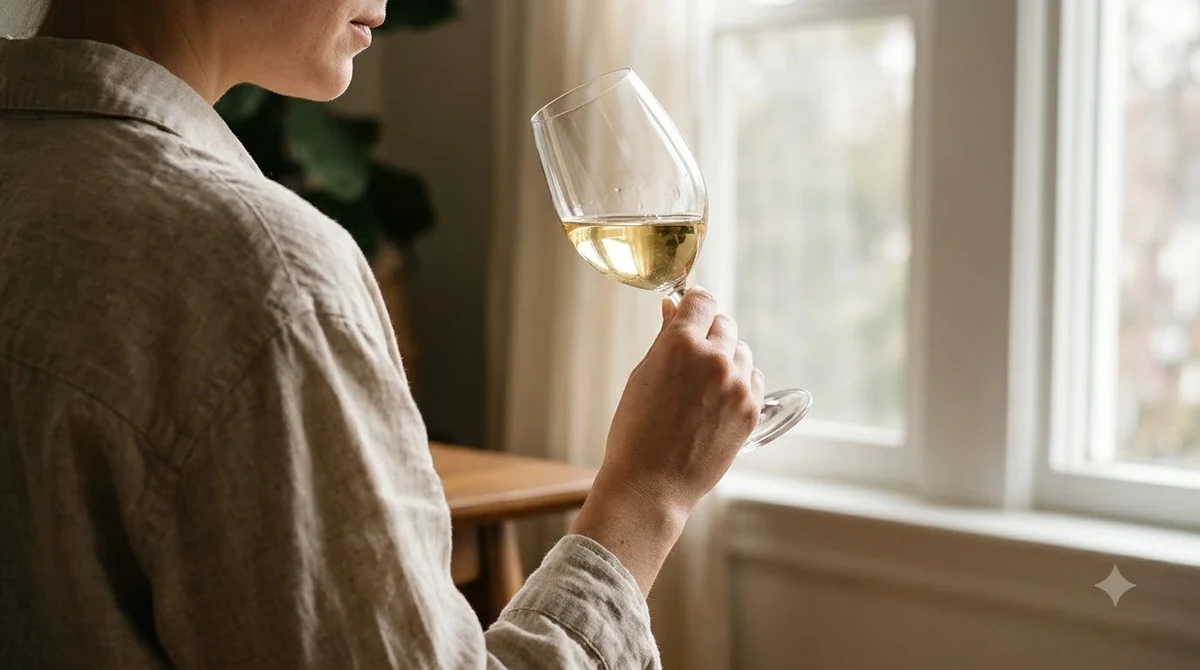
Chilling time means little without a target. The Wine Folly serving temperature guide gives ranges by style, and those ranges are a good starting point. General white wine sits around 49 to 55 degrees Fahrenheit, which the guide describes as slightly warmer than fridge temperature. Rosé falls in a similar band, while sparkling wine is served colder, from about 38 to 45 degrees.
Red wine is the one style many people chill by mistake. The same guide recommends serving red wine slightly cooler than room temperature, between 62 and 68 degrees Fahrenheit for bolder styles. Lighter reds such as Beaujolais or Pinot Noir are better a little cooler, around 55 to 60 degrees. If a red has been kept in the fridge too long, a short rest on the counter brings it closer to the right range.
| Wine style | Suggested serving range | Chilling approach |
|---|---|---|
| Sparkling wine | About 38 to 45 degrees F | Chill fully, then pour promptly |
| White wine (general) | About 49 to 55 degrees F | Chill until cool, then let it sit briefly |
| Rosé | About 44 to 55 degrees F | Treat it like a light white |
| Light-bodied red | About 55 to 60 degrees F | Short time in the fridge, not long |
| Bold red | About 60 to 68 degrees F | Often needs only a brief chill |
How to chill wine in the fridge without overdoing it
The safest method is to put the bottle in the fridge well before you need it and check it at intervals. Starting early gives you room to adjust. Wine that is too cold can taste muted, because the aromas that give it character do not come through at low temperatures. A bottle that feels cold to the hand is often colder than the glass needs to be.
Take the bottle out when it has reached the range you want, not when it is as cold as it can get. For white wine, that usually means a short rest on the counter or in the glass. For sparkling wine, pour it soon after removing it so the bubbles stay fine and the drink stays cool. The goal is a wine that tastes balanced, rather than one that is simply as cold as possible.
Shortcuts when you are in a hurry
When the fridge is not enough, an ice bucket works faster. Fill a bucket with ice and water, add the bottle, and turn it now and then so it cools evenly. Salt in the water is an old trick that helps the ice draw heat from the glass more quickly. Keep the bottle in the bucket only until it reaches your target, because cold water can overchill a bottle that is already close to the right temperature.
Some people use a wine chiller sleeve from the freezer or a stick of chilled metal. These tools help at the table, but they chill the outside of the bottle and do not cool the whole volume quickly. They are best used to hold a bottle at temperature after it has been chilled in the fridge.
Think about the whole evening, too. If you plan to serve a white over dinner, chill the bottle in the morning or early afternoon and move it to the fridge door only when the meal is close. That way the wine stays steady instead of warming and cooling several times. Hosts who expect a crowd often chill two or three bottles at once, and they keep an extra bottle at a cooler temperature in reserve for the second round.
Common mistakes that make chilled wine taste worse
The most common mistake is leaving a bottle in the fridge for so long that it becomes too cold to enjoy. Very cold white wine can taste thin and sharp, and the fruit goes quiet. A second mistake is chilling a bold red until it tastes harsh. Reds that are too cold can lose their roundness and show more tannin than they should.
Another mistake is forgetting that a bottle keeps cooling after you take it out of an ice bucket. If you pull a bottle at the perfect moment, the next half hour on the table can push it a little colder. Checking the bottle by hand just before serving helps you judge the right point to pour.
Tip: Keep a bottle you plan to serve in the coldest part of the fridge, and move it to the door only for a few minutes before pouring.
Frequently Asked Questions
Is the fridge the best place to chill wine?
It is a reliable place to chill wine, especially if you plan ahead. The fridge cools slowly and evenly, which protects the wine’s balance. For a quicker result, an ice bucket works better.
Can you chill red wine in the fridge?
Yes, but keep it short. Bold reds are usually best a little below room temperature, and lighter reds can be chilled a bit more. Avoid leaving red wine in the fridge until it feels cold to the touch.
Does chilled wine go bad in the fridge?
Chilling an unopened bottle does not spoil it. Once you open the wine, the fridge slows oxidation, so a recorked bottle keeps better cold. Use the taste test and a fresh smell to decide whether it is still enjoyable.
Should I chill wine lying down or standing up?
Lying the bottle on its side in the coldest part of the fridge usually cools it a little faster because more of the wine touches the glass. Either position works, so use whichever fits your fridge.
A well-chilled bottle makes any meal feel more relaxed, and the right timing is mostly a matter of planning. Start the bottle early, check it before you pour, and aim for the range that suits the style. For more background on how wine behaves at different temperatures and after opening, the guide on how long to let red wine breathe is a helpful next step, and the wine basics Q&A covers more everyday questions. For the serving ranges used here, see the Wine Folly serving temperature guide.
More in Wine Basics
 Which Rose Is Best for Your Taste, Budget, and Food PairingsUpdated Nov 21, 2026
 Is Cheap Wine Bad? How to Find Bottles Worth DrinkingUpdated Nov 21, 2026
 What To Write On A Wine Gift Tag: Thoughtful Messages For Every OccasionUpdated Nov 21, 2026
 Which Wine Is Best For Weight Loss? Compare Lower-Calorie ChoicesUpdated Nov 21, 2026
 What Is The Best Wine For Mimosas? Choose Bubbly That Balances Orange JuiceUpdated Nov 20, 2026
 Which Prosecco Is Best for Your Taste and OccasionUpdated Nov 20, 2026