

We may earn a commission when you buy through links on this page, at no extra cost to you. Learn more.
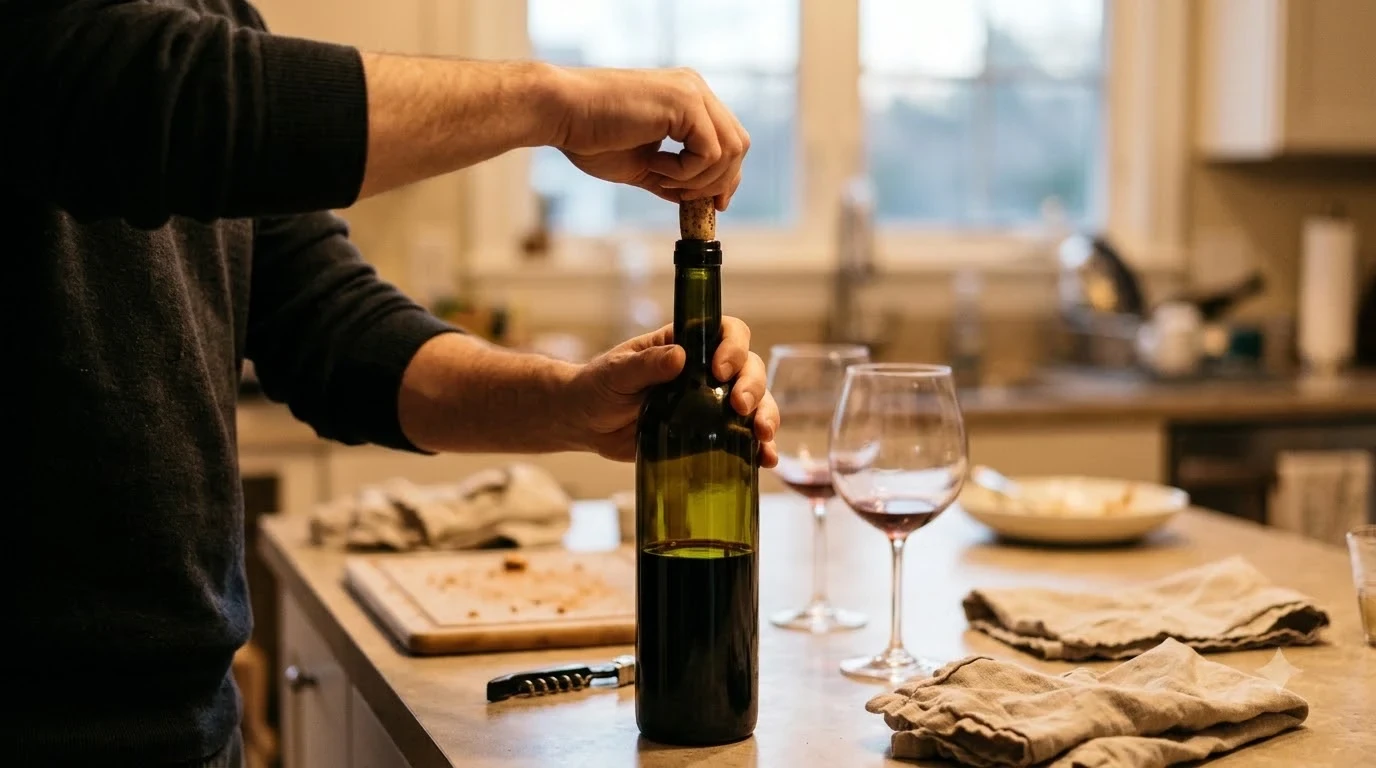
How long to let red wine breathe? Most reds need anywhere from about five minutes to around two hours, and the firmest, most tannic wines usually benefit from the longest wait. Letting a wine breathe simply means exposing it to air so its aromas open up and harsh edges soften. The exact time depends on the style of red and how young it is.
This guide explains what breathing does to red wine, how to estimate the right time for different bottles, and when you can skip the wait altogether. It is written for anyone who has poured a glass that tasted closed, sharp, or muted and wondered whether a few minutes in the air would help.
What breathing does to red wine
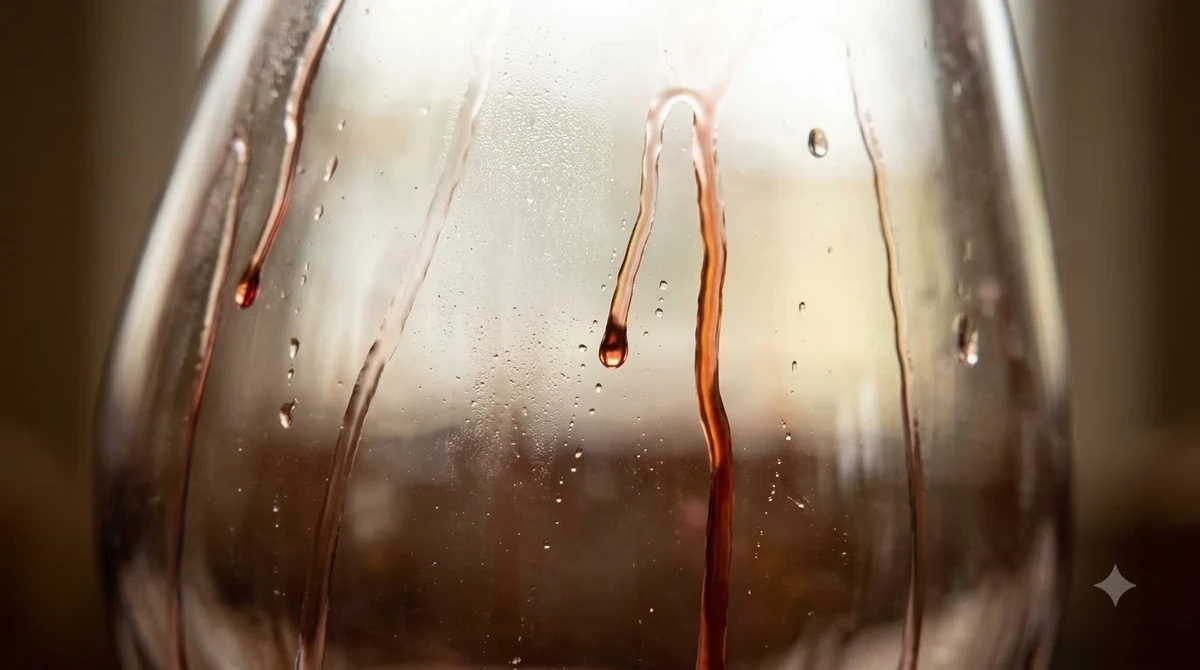
Red wine contains many volatile aromatic compounds, and some of them are released only when the liquid meets oxygen. Right after the cork comes out, a young red can smell tight, with fruit that seems hidden behind alcohol and a little sulphur. Air helps the aromas escape and gives them room to show. The tannins, the drying compounds that come from grape skins and seeds, can also feel less aggressive once the wine has had some contact with air.
Breathing is not magic, and it does not improve every bottle. It works best on wines that are young, tightly structured, or served before they have fully settled. An older, delicate red may fade quickly once it is exposed to air, so it is often better to pour it straight away and watch how it changes over an evening.
How long different reds take
There is no single correct time, but a practical range helps. According to the Wine Folly guide to decanting, decanting can take as little as five minutes or as long as about two hours, and simply pouring the wine into a decanter does much of the work right away. The longer end of that range is for bold, tannic bottles that need more time before they open.
| Red wine type | Typical approach | Notes |
|---|---|---|
| Light, fruity reds | Pour and drink, or a few minutes | Often ready without any wait |
| Medium-bodied reds | A short wait in the glass or a quick pour into a decanter | Aromas often improve in the first half hour |
| High-tannin reds such as Syrah, Barolo, or Brunello | Decant well ahead of time | Wine Folly notes these benefit greatly from longer decanting |
| Young, tightly structured reds | Decant and check periodically | Taste every so often to find the right point |
For Syrah, the same guide gives a specific figure: decant it about two hours before drinking. That is useful as a benchmark, but it is not a rule for every bottle. A young Cabernet, a Chianti, or a Malbec may need less, and an older bottle with fine sediment may need only a gentle pour. Tasting is the best guide, because you are looking for the moment the wine smells and feels most balanced.
Which reds benefit most from breathing
High-tannin wines are the clearest candidates. Syrah, Barolo, Brunello di Montalcino, and Chianti are commonly cited as wines that gain from extra air, because their structure is firm and their aromas take time to come forward. Big Cabernet Sauvignon and Petite Sirah often follow the same pattern, showing more fruit and less grip once they have had room to open.
Wines that are young and closed also respond well. A red that smells of nothing much on the first pour can suddenly show plum, pepper, or spice after twenty minutes in a decanter. If a red is young, a bit tight, and served at the right temperature, breathing is worth trying before you judge it.
Reds and whites that rarely need it
Not every red needs air. Pinot Noir is often delicate, and most bottles do not need decanting. Some people find an overly tart Pinot tastes smoother after a short pour, but that is an exception rather than a rule. Lighter, fruit-driven wines can also lose their freshness if left out too long, so checking them after a few minutes is a sensible habit.
White wines generally do not need breathing in the same way, although a few full-bodied whites may open up with a little air. The main point is that breathing is a tool for specific bottles, not a universal step.
Ways to speed up breathing
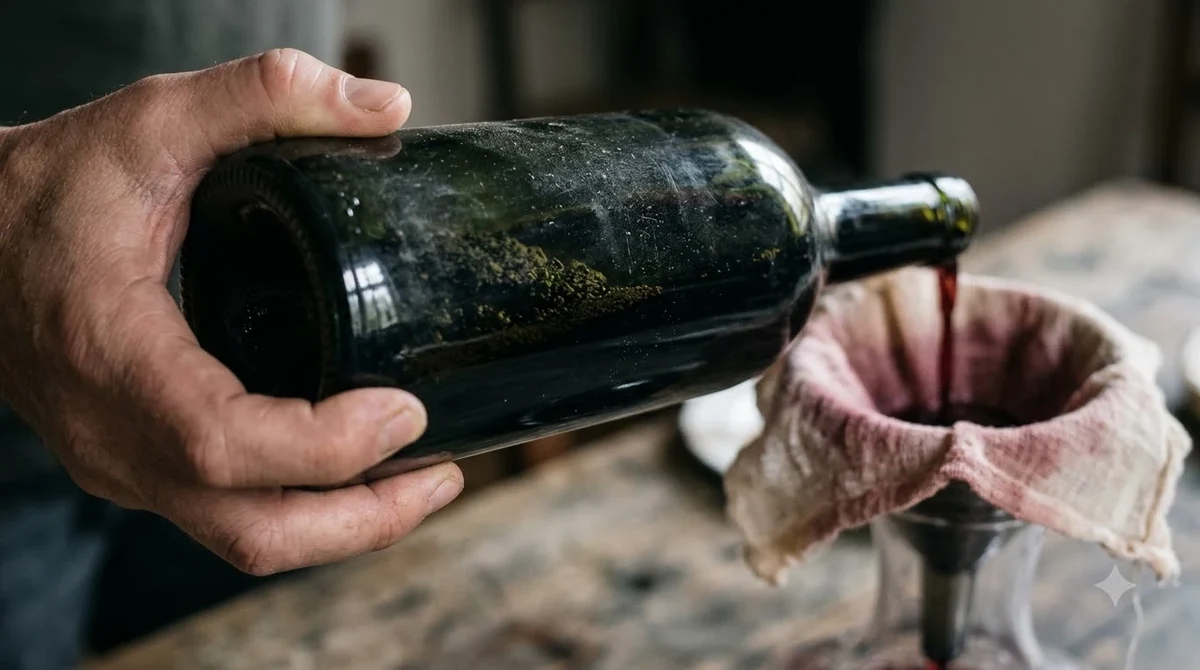
If you do not have two hours, there are faster routes. The Wine Folly guide describes pouring the wine back and forth between two decanters, or between a decanter and the bottle through a funnel, to add air quickly. Swirling the wine in the decanter also increases the surface area exposed to oxygen. A Vinturi-style aerator, which pulls air into the stream as you pour, is another option that the same guide describes as fast.
These methods do not all produce the same result. Pouring back and forth is effective and easy, while an aerator is quick but changes the wine less dramatically on some bottles. If you are short on time, start with a short pour and swirl, then taste and repeat as needed.
Decanting for a rough or sulphur smell
Decanting can help with a different problem too. Some inexpensive young wines have a sulphur-like smell, sometimes described as struck match or rotten egg, when they are first opened. Pouring the wine into a decanter and letting air move through it can dissipate that smell, so the fruit is easier to notice. This is one reason cheaper reds often improve more than premium bottles when they are decanted for a short time.
If the smell persists after a good amount of air, the wine may have a flaw that breathing cannot fix, and it is fair to set it aside. A decanter is still useful for future bottles, and the broader question of how long to decant red wine is covered in a separate guide that goes deeper into individual styles.
Common mistakes when letting red wine breathe
The most common mistake is waiting too long without tasting. Air keeps working on a wine, and after a few hours some bottles lose their fresh fruit and start to taste flat or tired. Another mistake is decanting a very old red, which can have delicate aromas that fade within minutes once exposed. For older bottles, pour gently, and drink them within a short window.
People also tend to judge a wine too quickly. A red that tastes tight in the first five minutes may open beautifully after thirty, so it helps to pour a small amount, leave the rest in the bottle or decanter, and come back to it during the meal. Keeping a note of how the wine changes is the easiest way to learn what your favorite bottles need.
Frequently Asked Questions
How long should red wine breathe before drinking?
Many reds are best after about five minutes to two hours, depending on the style and age. Young, tannic bottles usually need the longest time, while lighter reds may be ready almost at once. Tasting every so often is the most reliable way to decide.
Does breathing red wine make it taste better?
It can. Air helps aromas open up and can soften harsh tannins in young wines. It does not improve every bottle, and older, delicate reds can fade quickly once they are exposed to air.
Is a decanter better than just opening the bottle?
A decanter exposes more of the wine to air at once, which speeds up breathing. Simply opening the bottle and pouring a glass also introduces some air, but the effect is slower and more limited.
Do white wines need to breathe too?
Most white wines do not need breathing. A few full-bodied whites can open up with a little air, but for most everyday whites the best approach is to serve them at the right temperature and drink them fresh.
Breathing is a simple step that can make a young red taste more balanced, but it works best when you taste as you go. For more everyday wine questions, the wine basics Q&A section covers topics that come up at the table, and the question of how long wine takes to ferment explains where the tannins and structure come from in the first place.
More in Wine Basics
 Which Rose Is Best for Your Taste, Budget, and Food PairingsUpdated Nov 21, 2026
 Is Cheap Wine Bad? How to Find Bottles Worth DrinkingUpdated Nov 21, 2026
 What To Write On A Wine Gift Tag: Thoughtful Messages For Every OccasionUpdated Nov 21, 2026
 Which Wine Is Best For Weight Loss? Compare Lower-Calorie ChoicesUpdated Nov 21, 2026
 What Is The Best Wine For Mimosas? Choose Bubbly That Balances Orange JuiceUpdated Nov 20, 2026
 Which Prosecco Is Best for Your Taste and OccasionUpdated Nov 20, 2026