

We may earn a commission when you buy through links on this page, at no extra cost to you. Learn more.
If you are wondering how long does prosecco last unopened, most bottles stay at their freshest for 1 to 2 years after bottling or within the year following harvest. Standard non-vintage Prosecco DOC is crafted for immediate enjoyment rather than long-term cellaring, though select hillside bottles from Conegliano Valdobbiadene Prosecco Superiore DOCG can hold up well for 3 to 5 years under proper storage conditions. Beyond those windows, an unopened bottle will not become unsafe to drink, but its bright fruit aromas fade and its lively carbonation gradually softens.
Because Prosecco is made primarily from the aromatic Glera grape using the pressurized tank method, its appeal centers on crisp orchard fruit, white blossoms, and energetic bubbles rather than the toasted, autolytic complexity of bottle-aged sparkling wines. Knowing how different tiers of Prosecco age—and how light, heat, and refrigerator storage affect a sealed cork—helps you decide whether to chill a forgotten bottle for tonight or save it for an upcoming celebration.
Recommended Shelf Life by Prosecco Style
Not every bottle of Prosecco shares the exact same timeline, because vineyard elevation, yield limits, and secondary fermentation methods shape how long the wine retains its freshness. Standard everyday bottlings peak within a year or two, whereas steep-slope DOCG and traditional bottle-fermented styles offer greater structural longevity.
According to the Consorzio di Tutela del Conegliano Valdobbiadene Prosecco, the wine’s signature fruity and floral qualities are enjoyed to the fullest in the year following the harvest. Producers across the broader Prosecco DOC zone echo that guidance, crafting non-vintage cuvées to be popped shortly after release rather than tucked away in a cellar. When you buy a standard non-vintage bottle off a retail shelf, drinking it within 12 to 18 months—and no later than 2 years from bottling—ensures the green apple, pear, and citrus notes remain vivid.
Higher-tier wines from steep hillside vineyards tell a slightly different story. Reporting by Wine Enthusiast notes that hillside Prosecco Superiore DOCG bottles—particularly single-vineyard Rive selections and traditional Col Fondo wines fermented on their lees in the bottle—possess higher natural acidity and tighter structure than flatland bottlings. Winemakers in Conegliano Valdobbiadene point out that well-made hillside examples can evolve gracefully for 3 to 5 years, shifting from crisp green fruit toward riper stone fruit, dried herbs, and a creamier mousse.
| Prosecco Style | Optimal Unopened Window | Maximum Quality Window | How Flavor Evolves Over Time |
|---|---|---|---|
| Non-Vintage Prosecco DOC | Within 1 year of harvest or purchase | 18 to 24 months | Bright pear and white flowers fade into muted fruit and softer fizz |
| Millesimato (Vintage) Prosecco | 1 to 2 years from vintage date | 2 to 3 years | Fresh citrus and green apple gradually turn toward riper stone fruit |
| Conegliano Valdobbiadene Superiore DOCG (Hillside / Rive) | 1 to 2 years from harvest | 3 to 5 years | Primary floral notes develop into dried herbs, tropical fruit, and rounder bubbles |
| Col Fondo (Bottle-Fermented Sur Lie) | 1 to 3 years from harvest | 3 to 5 years | Savory yeast lees protect freshness and build nutty, textured complexity |
| Prosecco Frizzante (Lightly Sparkling) | Within 1 year of harvest | 12 to 18 months | Lower initial bottle pressure dissipates faster than full spumante styles |
Why Prosecco Ages Differently Than Champagne
Prosecco has a shorter unopened shelf life than Champagne because it is produced using the Charmat (tank) method rather than traditional in-bottle secondary fermentation. This winemaking choice preserves delicate floral aromatics at the expense of long-term autolytic aging potential.
In traditional-method sparkling wines such as Champagne, Franciacorta, or Cava, secondary fermentation takes place inside each individual glass bottle, where the wine rests on dead yeast cells (lees) for years. That extended lees contact releases compounds that shield the wine from oxidation and create rich flavors of brioche, toasted almonds, and biscuit over a decade or more. If you are curious about how still wines compare in longevity, our guide on how long does red wine last unopened breaks down why tannin and oak allow certain reds to age for decades while lighter styles peak early.
Prosecco follows the opposite path. Winemakers place base Glera wine, yeast, and sugar into a large pressurized stainless-steel tank, chilling the tank as soon as the desired pressure is reached to halt fermentation. By minimizing contact with yeast lees and bottling under pressure without lengthy aging, producers lock in Glera’s primary perfumes of white peach, honeysuckle, and Meyer lemon. Because those volatile aromatic compounds are fragile and the wine lacks heavy phenolic structure, time works against standard Prosecco rather than improving it.
How to Tell the Age of an Unopened Bottle
Determining the exact age of an unopened bottle of Prosecco can be tricky because most standard labels do not display a harvest year on the front. Checking vintage dates, neck stamps, and subtle visual cues helps you estimate how long a bottle has been sitting.
If your bottle says Millesimato on the front or back label, at least 85 percent of the grapes come from the single harvest year printed on the bottle. That year gives you a reliable benchmark: add 1 to 2 years for standard vintage Prosecco DOC, or up to 3 to 5 years for a hillside DOCG bottling. Most Prosecco, however, is non-vintage (NV), blending base wines from recent harvests for house consistency.
On non-vintage bottles, look closely at the back label or the glass near the base for a small lot code, bottling stamp, or Italian DOC/DOCG neck band serial number. Many producers encode the Julian date or bottling year in the lot number—for example, a code beginning with “L25” or containing “2025” indicates bottling in 2025. When no date is legible, inspect the bottle’s appearance through the glass: fresh Prosecco looks pale straw with greenish or silvery reflections, whereas an over-the-hill bottle shifts toward deep gold or amber.
Ideal Storage Conditions for Unopened Prosecco
Where and how you store an unopened bottle directly controls whether it reaches its full 1-to-2-year window or loses its sparkle within a few months. Cool, dark, vibration-free environments protect both the delicate aromatics and the natural cork seal.
Heat is the fastest way to ruin unopened sparkling wine. Storing Prosecco on a sunny kitchen counter, above a refrigerator, or in a warm pantry accelerates chemical aging, dulls the fruit, and increases internal bottle pressure, which can force tiny amounts of carbon dioxide past the cork. Aim for a steady, cool spot between 50°F and 59°F (10°C to 15°C), away from direct sunlight or fluorescent bulbs that trigger light-strike off-aromas. Across our broader Wine by Type reference hub, sparkling wines consistently rank among the most sensitive categories to temperature swings.
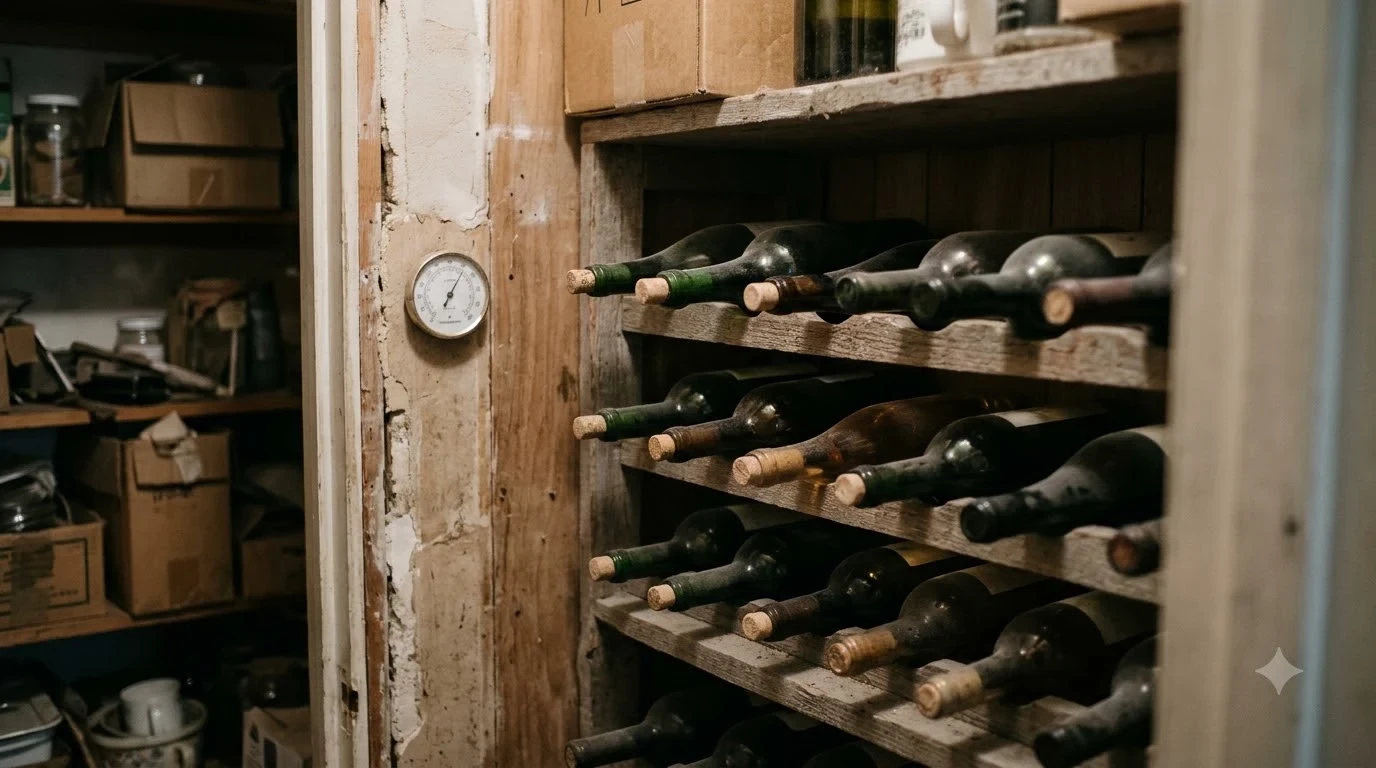
Humidity and bottle orientation also play a role over multi-month storage. While carbon dioxide pressure inside a sparkling bottle keeps the internal headspace humid enough that upright storage works well for a year or two, storing cork-finished bottles horizontally in a wine rack ensures the cork stays supple and airtight if you plan to keep the bottle longer. Avoid stashing an unopened bottle in a standard kitchen refrigerator for months on end: household fridges are engineered to remove moisture, which can eventually dry out the cork and allow food odors to permeate the seal. Keep unopened Prosecco in a cool closet or wine fridge, and move it to the kitchen refrigerator a few hours before serving.
Tip: Chill an unopened bottle of Prosecco in the refrigerator for 3 to 4 hours—or in an ice-and-water bath for 20 to 30 minutes—rather than placing it in the freezer, which can shock the bubbles and cause the glass to shatter under pressure.
Signs an Unopened Bottle Has Past Its Prime
An old unopened bottle of Prosecco will not make you sick, because alcohol and acidity prevent harmful pathogens from growing, but oxidized or flat wine tastes noticeably dull. Checking the cork, color, and effervescence tells you immediately whether the bottle is still enjoyable.
Pay attention when you untwist the wire cage and ease out the cork. A fresh bottle of spumante releases a crisp, pressurized sigh and sends a steady stream of fine bubbles rising through the glass. If the cork slides out with almost no resistance or sound, internal pressure has leaked over time, and the wine will likely taste flat. Once poured, inspect the hue: a shift from bright pale straw to dark yellow, brass, or brownish gold signals oxidation.
Take a quick sniff and sip before serving guests. Past-prime Prosecco loses its zesty apple and blossom lift, replacing it with bruised apple, wet cardboard, stale nuts, or sharp vinegar notes. If the wine simply tastes a bit muted and lightly fizzy rather than sour or oxidized, you do not have to pour it down the drain—use it as a bright base for a brunch mimosa, a Bellini with peach purée, or a splash in a pan sauce for seafood or risotto.
What Happens After You Open the Bottle
Once you pop the cork on a bottle of Prosecco, its timeline shrinks from years to just 1 to 3 days in the refrigerator. Exposure to oxygen and rapid carbon dioxide loss quickly flatten tank-method sparkling wines.
As soon as the seal breaks, dissolved carbon dioxide begins escaping into the air, and oxygen starts dulling Glera’s bright citrus and floral notes. To keep an opened bottle lively overnight, clamp a dedicated sparkling wine stopper over the neck immediately after pouring and return the bottle upright to the refrigerator—cold temperatures slow gas escape far better than room temperature. Even with a tight stopper, Prosecco tastes best within 24 hours of opening and rarely holds pleasant carbonation beyond 2 to 3 days. Other wine formats follow very different post-opening timelines: fortified styles documented in our guide to how long does sherry last after opening can stay fresh for weeks, while vacuum-sealed bag-in-box packaging covered in how long does boxed wine last after opening protects still wine from air for up to a month.
Frequently Asked Questions
Can you drink 3-year-old unopened Prosecco?
Yes, 3-year-old unopened Prosecco is safe to drink as long as the seal remained intact, though its quality depends on the bottle tier and storage conditions. A standard Prosecco DOC kept in a warm pantry will likely taste flat and muted at three years, whereas a hillside Conegliano Valdobbiadene Superiore DOCG stored in a cool, dark spot can still be crisp, creamy, and enjoyable.
Does unopened Prosecco go bad if it is not refrigerated?
No, unopened Prosecco does not need to be refrigerated until you are ready to chill and serve it. In fact, storing a sealed bottle in a cool, dark closet or wine rack at 50°F to 59°F is better for multi-month storage than a kitchen refrigerator, whose dry air can slowly dry out the cork over several months.
Does unopened Prosecco expire?
Unopened Prosecco does not have a strict expiration date after which it becomes unsafe, because its alcohol content and natural acidity inhibit bacterial spoilage. Instead, it has a freshness window of roughly 1 to 2 years during which its bubbles remain lively and its fruity aromatics stay vibrant before gradual oxidation sets in.
How long can you keep unopened Prosecco in the fridge?
You can keep an unopened bottle of Prosecco in a standard kitchen refrigerator for about 3 to 4 weeks without any issue. Leaving it in the fridge for many months, however, exposes the cork to low humidity that can cause it to shrink, lose carbonation, and absorb surrounding refrigerator odors.
When you find an unopened bottle of Prosecco tucked into the back of a pantry or wine rack, the best approach is simple: check the label for a vintage year, chill it thoroughly, and pop the cork sooner rather than later. While top hillside DOCG bottles can surprise you after three to five years in a cool cellar, most Prosecco is built to celebrate right now while its orchard fruit and bubbles are at their brightest.
More in Wine Types & Grapes
 Zinfandel Sugar Content: Dry Red vs. White Zinfandel GramsUpdated Nov 21, 2026
 Best Zinfandel Substitute Options for Sipping and CookingUpdated Nov 21, 2026
 Zweigelt Food Pairing: Best Dishes, Cheeses, and Serving TipsUpdated Nov 21, 2026
 Zinfandel Tannins Explained: How Structure Shapes Every BottleUpdated Nov 21, 2026
 Zinfandel Sweetness Level: Dry Red vs. Sweet White Zin ExplainedUpdated Nov 21, 2026
 Xinomavro Food Pairing: Best Dishes, Styles, and Serving TipsUpdated Nov 21, 2026