

We may earn a commission when you buy through links on this page, at no extra cost to you. Learn more.
How long does sherry last after opening depends mostly on the style, with delicate fino and manzanilla best finished within about a week and oloroso lasting up to about two months when refrigerated. Fino loses its fresh character quickly because it is exposed to air. Darker, richer styles hold up much longer. Knowing the style on your label tells you how much time you have.
This guide explains how long each major sherry style keeps once the cork is out, how to store an open bottle, and how to tell when it has gone off. It also covers serving temperature and glass choice, since both affect how the wine tastes in the first place. If you are asking how long does sherry last after opening, start with the style table below.
Shelf Life by Sherry Style
Opened sherry shelf life is set by how the wine was made. Pale, dry styles that grew under a protective layer of yeast are the most fragile. Darker styles that were aged with more air exposure are sturdier once opened. The table below summarizes what the sources describe for each family.
| Sherry style | Alcohol (ABV, per sources) | Serving temperature | Refrigerated after opening |
|---|---|---|---|
| Fino | 15–17% | 7–10 °C | Up to one week, ideally finished in one sitting |
| Manzanilla | 15–17% | Treat like fino | Plan on days, not weeks |
| Oloroso | 17–22% | 12–14 °C | Up to two months, corked and refrigerated |
| Cream | 15.5–22% | 12–14 °C | Check the producer’s guidance; treat as a weeks-long wine |
Fino is the clearest case of short shelf life. The Wikipedia entry on fino notes that the wine should be consumed soon after opening, because air exposure can strip its flavor within hours. If you must keep it, a corked bottle in the refrigerator can last up to one week. Manzanilla comes from the same family and is made near the coast, so it should be handled with the same urgency.
Oloroso behaves very differently. The Wikipedia entry on oloroso explains that this style is aged oxidatively, so it has already been through years of air exposure before bottling. Once opened, it slowly loses aroma, but it can stay drinkable for up to two months when corked and refrigerated. Older oloroso tends to hold its flavor for longer. Cream sherry is oloroso sweetened with Pedro Ximénez wine, so it is usually treated as a wine that lasts weeks rather than days, though you should confirm with the producer.
How to Store Sherry After Opening
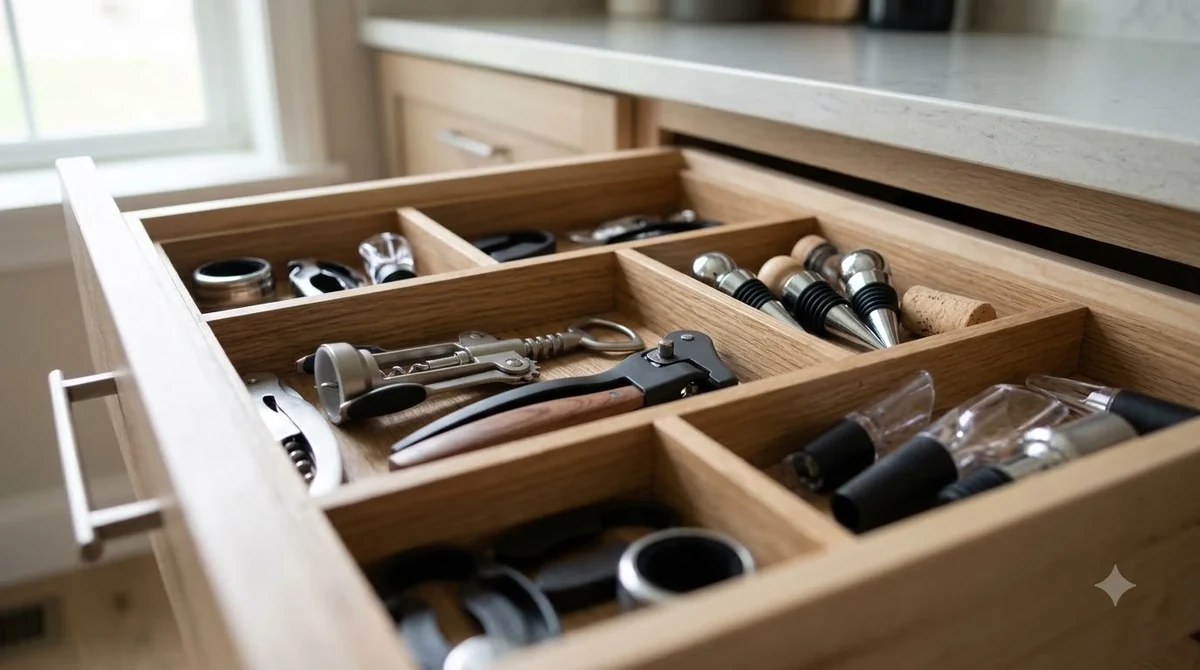
Good storage matters most for the fragile styles. Your goal is to limit air contact and keep the wine cool. Recork the bottle tightly after each pour. If the original cork does not fit well, use a wine stopper designed for this purpose.
Next, put the bottle in the refrigerator, even for styles that are usually served at room temperature. Cold slows the chemical changes that happen once air reaches the wine. Keep the bottle upright so less of the wine touches the cork. Smaller bottles, or pouring the remaining wine into a smaller container, reduce the amount of air above the liquid, which helps the wine last longer.
- Recork or stopper the bottle immediately after each serving.
- Write the opening date on the label or on a note attached to the bottle.
- Refrigerate the bottle right away, including fino, manzanilla, oloroso and cream.
- Check the wine every few days by smell and taste before serving it again.
Should Sherry Be Chilled?
Yes, most sherry tastes better chilled, and the refrigerator is a practical place to keep an open bottle. Chilling does two jobs at once. It makes the wine more pleasant to drink, and it slows the aging that begins once air reaches the wine. This matters most for the dry, pale styles, which are the most sensitive to oxidation.
For dry styles, a short time in the refrigerator before serving is usually enough. The Wikipedia entry on fino recommends serving it chilled, and that guidance applies to manzanilla as well. Because the wine is already cold, you can pour a glass straight from the refrigerator and let it warm slightly in the glass.
Darker styles need a different approach. Oloroso and cream are best served a little warmer than fino, so they show their rich, nutty character. Keep them refrigerated after opening, then take the glass out a few minutes before pouring. That way the wine is cool enough to keep its freshness but not so cold that the flavors disappear.
Sherry Serving Temperature
Serving temperature changes how sherry tastes, so match it to the style. Fino and manzanilla are generally served cooler, while oloroso and cream sherries are served slightly warmer. The sources give specific ranges, and following them helps you get the most from each bottle.
According to the Wikipedia entry on fino, dry styles are best served chilled at 7 to 10 °C before a meal. The same source says oloroso should be served at 12 to 14 °C, and cream sherry at the same range. Those ranges are useful targets, but a home refrigerator and a glass at the table will not always hit them exactly. Aim for the closest practical temperature and adjust by taste.
Temperature also affects how long an open bottle seems fresh. A wine served too warm can taste flat faster, so keep the bottle cold between pours. If the glass sits for a long time on a warm table, pour a smaller amount and refill it from the refrigerated bottle.
What Glass for Sherry?
The best glass for sherry is a small, tulip-shaped wine glass that narrows slightly at the top. This shape concentrates the aroma and keeps the wine from spreading too quickly across the tongue. Many sherry drinkers also use the traditional copita, a small stemmed glass with a similar profile.
Avoid wide, flat glasses for fino and manzanilla. They let the delicate aroma escape and warm the wine faster. For oloroso and cream, a slightly larger glass still works well, since the bigger body gives the aromas room to open. A small pour in any glass helps the wine stay cool and gives you a better sense of its character.
Keep the glass clean and free of strong odors. Soap residue or a dishwasher film can mute the aromas that make sherry distinctive. Rinse with plain water and dry the glass with a lint-free cloth before pouring.
Signs an Opened Sherry Has Gone Bad
Sherry rarely becomes dangerous in the way some foods do, but it can lose its appeal. The most common sign is a flat, dull smell where the wine once had clear aromas. Fino may smell muted or sour, while oloroso may lose its nutty, dried-fruit notes and smell thin.
Check the color and taste as well. A pale wine that has turned noticeably darker, or a taste that feels dull and stale, suggests the wine has oxidized past its best. If the wine tastes sharply sour or vinegary, pour it out rather than drinking it. When in doubt, trust your senses and do not finish a bottle that seems off.
Remember that the bottling date is an important clue. The Wikipedia entry on fino explains that sherry is not vintage dated, and the bottling date appears on the back label in an encoded form. Checking that code helps you understand how old the wine was before you opened it. For more context on wine types and how they are grouped, browse Wine by Type. For a closer look at how producers age and sell these wines, the Sherry Wines vineyard facts page explains how albariza soil and the Sherry Triangle shape the grapes that go into every style.
Frequently Asked Questions
How long does sherry last after opening?
It depends on the style. Fino and manzanilla are best finished within days, and the sources suggest about one week refrigerated at most. Oloroso can stay drinkable for up to two months when corked and refrigerated.
Does sherry need to be refrigerated after opening?
Yes, refrigerating an open bottle is the safest practice for every style. Cold slows the changes that air causes. Recork tightly and keep the bottle upright to limit how much wine touches the cork.
Can I drink fino a few weeks after opening?
Usually not with good results. Fino is delicate and loses its fresh flavor quickly once air reaches it. Plan to finish an open bottle within about a week, and sooner if possible for the best taste.
What temperature should I serve sherry at?
Dry styles like fino and manzanilla are best chilled, around 7 to 10 °C. Oloroso and cream sherries are served a bit warmer, around 12 to 14 °C. A short rest out of the refrigerator helps darker styles open up.
Knowing your sherry style makes it easy to plan. Finish fino and manzanilla quickly, and give oloroso more time. For other opened bottles, compare the guidance in how long does vermouth last after opening, or check how long does boxed wine last after opening for a different shelf-life pattern.
More in Wine Types & Grapes
 Zinfandel Sugar Content: Dry Red vs. White Zinfandel GramsUpdated Nov 21, 2026
 Best Zinfandel Substitute Options for Sipping and CookingUpdated Nov 21, 2026
 Zweigelt Food Pairing: Best Dishes, Cheeses, and Serving TipsUpdated Nov 21, 2026
 Zinfandel Tannins Explained: How Structure Shapes Every BottleUpdated Nov 21, 2026
 Zinfandel Sweetness Level: Dry Red vs. Sweet White Zin ExplainedUpdated Nov 21, 2026
 Xinomavro Food Pairing: Best Dishes, Styles, and Serving TipsUpdated Nov 21, 2026