

We may earn a commission when you buy through links on this page, at no extra cost to you. Learn more.
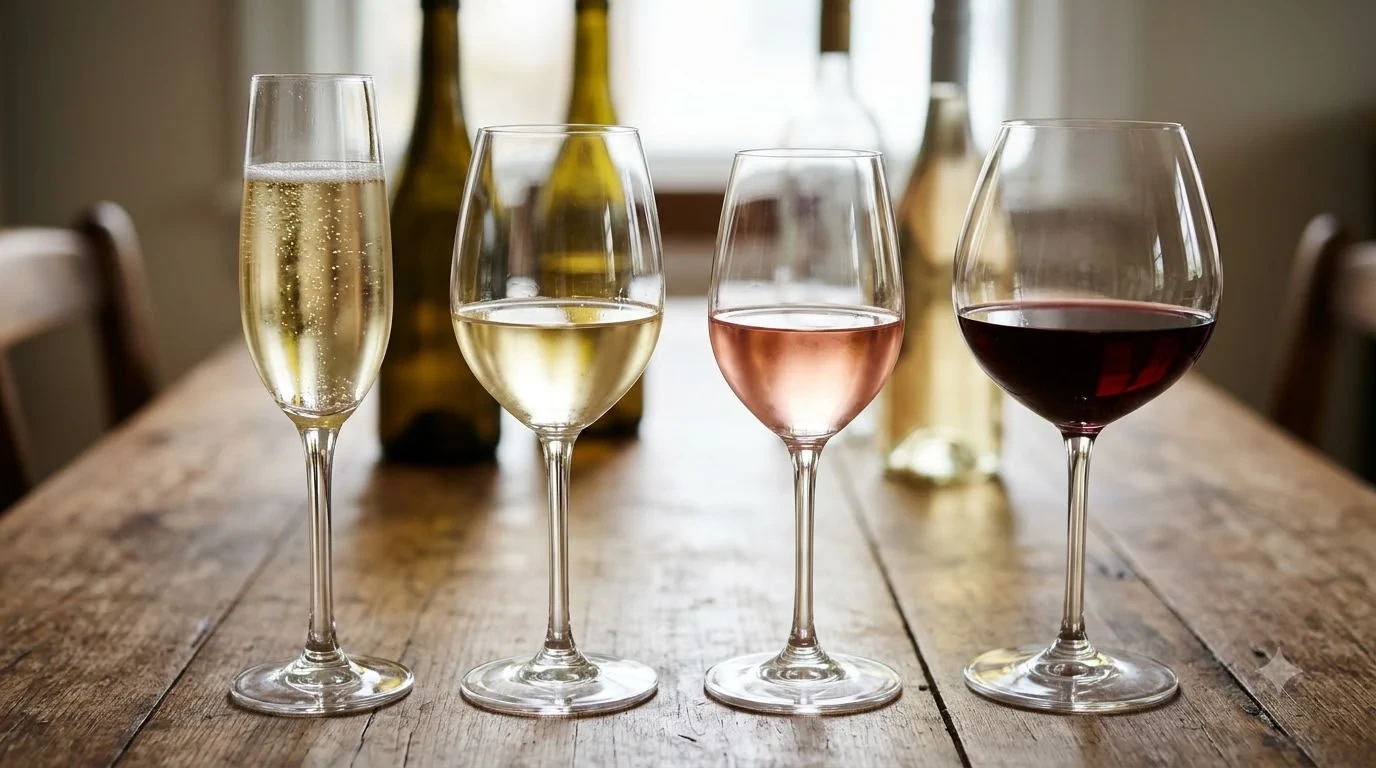
How long does it take to decant wine? Most young red wines need 30–60 minutes, while powerful, tannic reds such as Cabernet Sauvignon and Barolo can benefit from 1–2 hours. Older, delicate wines usually need only a few minutes of careful decanting to remove sediment before serving. The ideal timing depends on the grape, the wine’s age, its tannin level, and whether your goal is to improve its aromas or separate it from sediment. Knowing which approach to use helps you serve each bottle at its best without exposing it to unnecessary oxygen.
Decanting is a simple serving technique, but the timing can make a noticeable difference. A young Bordeaux may become more expressive after an hour in a decanter, while an older Burgundy can lose its delicate aromas if left exposed for too long. The important distinction is between aerating wine and transferring it away from sediment. This guide explains practical decanting times, how to adjust them for different wine styles, and how to recognize when a bottle is ready to pour.
How Long Does It Take to Decant Different Wines?
For most young reds, allow 30–60 minutes of aeration before serving, extending the time to 1–2 hours for particularly structured bottles. Older wines generally need immediate or very brief decanting rather than prolonged exposure to air.
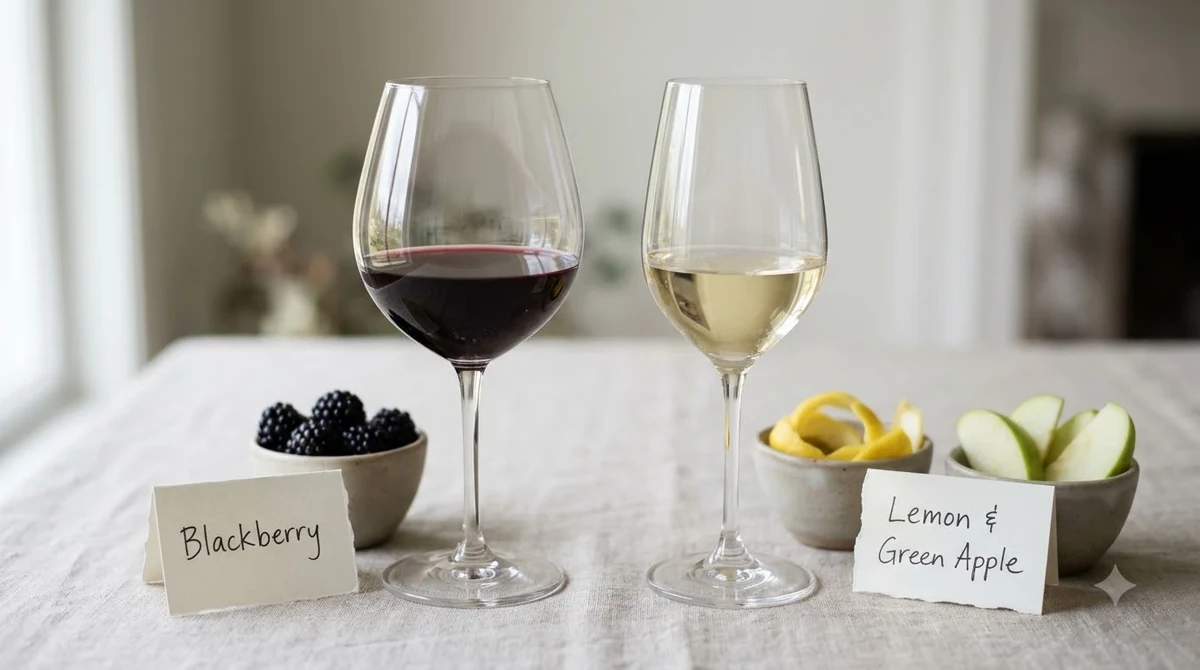
There is no universal timer that works for every bottle. A young Cabernet Sauvignon from Napa Valley has a different structure from a delicate Pinot Noir from Burgundy. Cabernet typically has substantial tannin, which can create a firm, drying sensation when the wine is young. Pinot Noir generally has lower to medium tannin and higher acidity, so it usually requires less aeration.
It also matters why you are using a decanter. If a wine tastes closed, its aromas are difficult to identify, or its tannins seem particularly firm, aeration may help. If an older bottle has visible sediment, the objective is simply to separate the clear wine from the solids. That process should be gentle and should not automatically involve a long resting period.
The following table provides practical starting points for common wine styles. These are general serving recommendations rather than strict requirements. Bottle condition, vintage, winemaking decisions, and personal preference can all change the ideal timing.
| Wine style | Typical decanting time | Main purpose |
|---|---|---|
| Young Pinot Noir | 15–30 minutes | Gentle aeration |
| Young Merlot | 30–45 minutes | Open aromas and soften texture |
| Young Cabernet Sauvignon | 30–60 minutes | Soften firm tannins |
| Young Syrah | 30–60 minutes | Develop aromas and texture |
| Young Barolo | 1–2 hours | Manage pronounced tannins |
| Young Bordeaux blend | 1–2 hours | Encourage aromatic development |
| Aged red with sediment | Pour and serve promptly | Separate sediment |
| Full-bodied Chardonnay | 10–20 minutes | Brief aeration |
| Light white wine | Usually unnecessary | Preserve freshness |
These ranges are useful when planning dinner. For example, if you intend to serve a young Cabernet Sauvignon at 7 p.m., opening and decanting it around 6 p.m. provides a reasonable starting point. A young Pinot Noir can be prepared much closer to serving time.
For a broader understanding of wine service, explore our Wine Q&A, which covers practical questions about wine styles, storage, and serving.
Decanting Time for Young Red Wines
Young red wines with firm tannins and concentrated fruit generally benefit most from aeration. Start with 30–60 minutes for Cabernet Sauvignon, Syrah, and other structured reds, then extend the period if the wine still seems closed.
Young red wines can sometimes seem tight immediately after opening. Their fruit aromas may be difficult to identify, while their tannins create a drying sensation along the gums and tongue. Pouring the wine into a decanter exposes a larger volume of liquid to oxygen than simply removing the cork and leaving the bottle open.
As the wine rests, its aromatic profile can become more expressive. Some initially harsh impressions may soften, allowing the fruit, spice, and other characteristics to become easier to recognize. However, aeration does not remove tannins or fundamentally change the wine’s structure. It changes how the wine develops and presents itself during service.
Cabernet Sauvignon and Bordeaux blends
Cabernet Sauvignon is one of the clearest candidates for decanting when it is young and structured. Its relatively high tannin content can make a recently opened bottle feel firm, particularly when the wine comes from regions such as Napa Valley, Bordeaux, or Coonawarra.
Start with approximately 45–60 minutes for a young Cabernet Sauvignon. Particularly concentrated examples may benefit from 90 minutes or longer. Young Bordeaux blends containing Cabernet Sauvignon and Merlot can follow a similar schedule, although the exact proportions of the grapes and the wine’s development influence the result.
Merlot generally has medium, softer tannins than Cabernet Sauvignon. A young Merlot may need only 30–45 minutes, especially if its fruit aromas are already expressive. A blend with substantial Cabernet Sauvignon may require more time than a softer, Merlot-dominant wine.
Syrah and other structured reds
Syrah from the Northern Rhône, Australian Shiraz, and other concentrated styles can benefit from 30–60 minutes of aeration. These wines often combine dark fruit, spice, and substantial structure. A particularly powerful young Syrah may benefit from a longer period.
Malbec, Tannat, and Mourvèdre can also respond well to aeration. Their tannin levels and concentration make them suitable candidates when they taste overly firm immediately after opening. However, not every bottle needs an hour in a decanter. Taste first, because an already expressive wine may be ready to serve.
For additional background on serving wine responsibly, our article about how long does it take to get drunk on wine discusses how alcohol content and drinking pace differ from one glass of wine to another.
How Long to Decant Older Red Wines
Older red wines usually need less aeration than young, tannic wines. If an aged bottle contains sediment, decant it slowly just before serving and avoid leaving it exposed for an extended period.
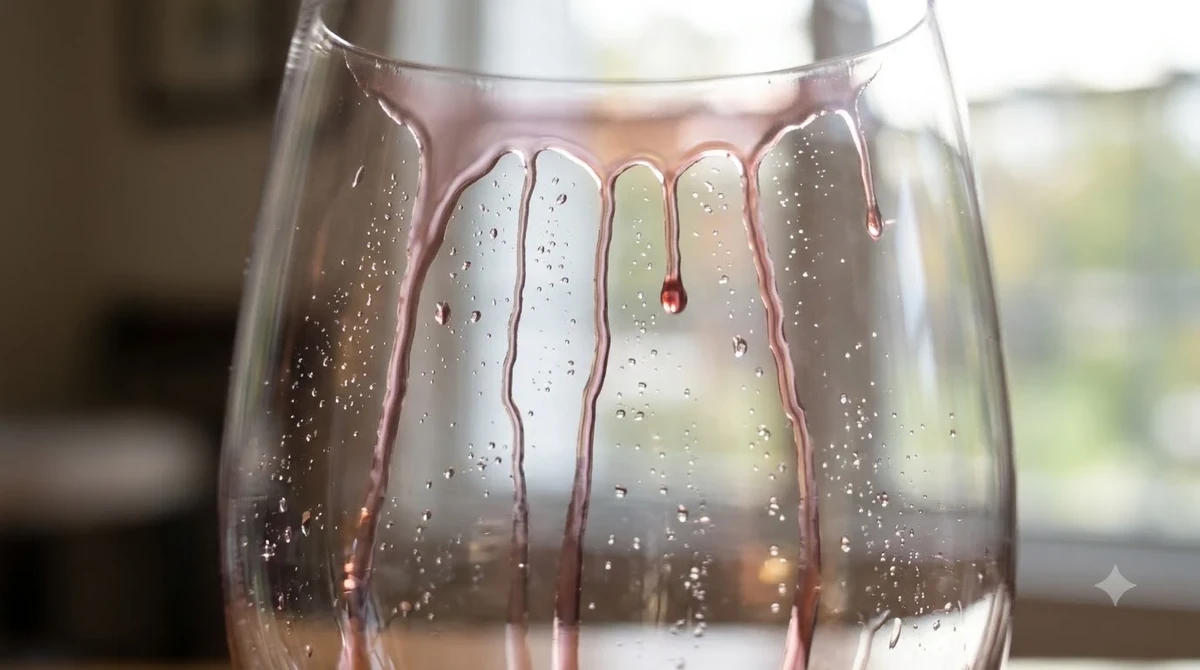
Age changes the way wine responds to oxygen. Over time, a red wine’s tannins and color pigments can combine and form deposits that settle inside the bottle. This sediment is a natural part of wine development and is not a sign that the wine has spoiled.
However, older wines can be fragile. Their aromas may include dried flowers, leather, earth, tobacco, and mature fruit characteristics that are less resilient than the primary fruit aromas of a young wine. Excessive oxygen exposure can make these characteristics fade quickly.
For an older Pinot Noir, mature Burgundy, or aged Rioja, carefully transferring the wine into a narrow-based decanter and serving it promptly is often the better approach. In some cases, there is no reason to use a decanter at all. If the wine has no problematic sediment and tastes expressive when opened, pouring directly into glasses may preserve its character.
Preparing an older bottle
Preparation starts before opening the bottle. If the wine has been stored horizontally, stand it upright for approximately 24–48 hours when possible. This gives loose sediment time to settle at the bottom rather than remaining suspended throughout the wine.
When opening a mature bottle, handle it gently. Avoid shaking, rotating, or moving it unnecessarily. If the bottle has recently traveled, additional resting time can be particularly useful because movement can disturb the sediment.
Once the bottle is open, use a light beneath the neck to watch the wine as you pour. Stop as soon as sediment approaches the neck or the liquid becomes cloudy. The clear wine can then be served immediately.
Older Barolo, Barbaresco, and Rioja are sometimes decanted because they can contain sediment and may benefit from careful exposure to air. However, their age alone does not establish how long they should remain in a decanter. A mature Barolo in excellent condition may respond differently from a fragile older bottle from the same region.
Wine Enthusiast’s explanation of when to decant wine also emphasizes the importance of distinguishing sediment removal from prolonged aeration, particularly with mature bottles.
Decanting Times by Grape Variety and Wine Structure
The grape variety provides a useful starting point for estimating decanting time. Tannin, body, acidity, and the wine’s overall concentration matter more than the grape name alone.
Two bottles made from the same grape can behave differently. A light, fruit-forward Pinot Noir may need no decanting, while a concentrated young Cabernet Sauvignon may benefit from an hour or more. Winemaking techniques, oak aging, vintage conditions, and bottle development all influence how a wine responds to oxygen.
Low-to-medium tannin reds
Pinot Noir is typically a lighter red with low-to-medium tannin and high acidity. Its aromatic profile can include cherry, raspberry, cranberry, mushroom, and earthy notes. A young bottle may need only 15–30 minutes if it initially seems closed.
Gamay, the principal grape of Beaujolais, also generally requires little aeration. Many fresh, fruit-driven examples are best served shortly after opening. A more concentrated Beaujolais Cru may benefit from a brief period in a decanter, but extended aeration is rarely necessary as a starting point.
Medium-tannin reds
Merlot and Sangiovese occupy a useful middle ground. A young Merlot can benefit from 30–45 minutes, while a structured Chianti Classico made primarily from Sangiovese may benefit from approximately 30–60 minutes.
Tempranillo-based Rioja and Grenache-based reds also vary considerably. A young, structured Rioja may need an hour, whereas a softer, fruit-forward Grenache may be ready after 20–30 minutes.
High-tannin reds
Cabernet Sauvignon, Nebbiolo, and Syrah are often stronger candidates for extended aeration. Their tannin levels and concentration can create a firm texture, especially in young bottles.
Young Barolo and Barbaresco, both made from Nebbiolo, can benefit from 1–2 hours in a decanter. Some especially structured bottles may need additional time, but the best approach is to assess the wine periodically instead of automatically extending the schedule.
For a young Cabernet Sauvignon or concentrated Syrah, 30–60 minutes is a sensible first estimate. The wine’s response matters more than a fixed rule based on its label.
Should You Decant White Wine, Rosé, and Sparkling Wine?
Most light white wines, rosés, and sparkling wines do not need decanting. Full-bodied Chardonnay and certain aromatic or mature white wines may benefit from brief aeration, usually for approximately 10–20 minutes.
White wines are often appreciated for their freshness, acidity, and delicate aromas. Prolonged exposure to oxygen can reduce some of their aromatic qualities, especially in wines whose appeal depends on fresh citrus, floral, and tropical fruit notes.
There are exceptions. A rich, barrel-aged Chardonnay from California or Burgundy may initially seem restrained and can benefit from a short period in a decanter. The same can apply to certain mature white Burgundy wines and structured white Rhône blends.
Chardonnay and full-bodied whites
Chardonnay has medium acidity and can range from crisp and mineral to rich and creamy. An unoaked Chablis usually needs no decanting, while a full-bodied, oak-aged Chardonnay may become more expressive after 10–20 minutes of aeration.
Other full-bodied white varieties, including Viognier, Marsanne, and Roussanne, can also benefit from brief aeration in some circumstances. The goal is to reveal their aromatic complexity without allowing the wine to warm excessively or lose freshness.
Sauvignon Blanc and aromatic whites
Sauvignon Blanc and Riesling typically have high acidity and expressive aromas. Their freshness is an important part of their appeal, so decanting is generally unnecessary.
For example, a fresh Sauvignon Blanc from Marlborough or the Loire Valley can usually go directly from the bottle into a chilled glass. A dry Riesling from Germany or Alsace also generally benefits more from appropriate serving temperature than from prolonged aeration.
Rosé and sparkling wine
Rosé is normally served shortly after opening. Its fresh fruit characteristics and refreshing acidity are usually best preserved without extended exposure to air.
Sparkling wine requires particular care because decanting can reduce its carbonation. Champagne and Cava undergo a second fermentation in the bottle, while Prosecco is generally produced using the tank method. Pouring these wines into a conventional wide-based decanter can cause their bubbles to dissipate quickly.
For most sparkling wines, open the bottle carefully and serve directly in appropriate glasses. A wide decanter is not a good choice if preserving lively bubbles is the priority.
How to Decant Wine Correctly
The correct technique depends on whether the wine needs aeration or sediment removal. Use a wide-based decanter for young, structured reds and a narrower vessel for delicate older wines that need gentle separation.
Before starting, choose a clean glass decanter or carafe. Residual detergent, dust, or strong odors can interfere with the wine’s aromas. A simple glass pitcher can also work if it is clean and has enough capacity for the bottle.
Method for young red wine
For a young Cabernet Sauvignon, Barolo, or Syrah, the process is straightforward.
First, remove the cork and inspect the wine. Pour a small sample into a glass and assess its aromas, texture, and fruit expression. If it tastes closed or excessively firm, aeration may help.
Next, pour the wine steadily into a wide-based decanter. You can allow it to flow naturally against the sides of the vessel to increase contact with air. There is no need to use excessive force or repeatedly pour it between containers.
Allow the wine to rest for approximately 30–60 minutes, adjusting the time according to its structure. Taste another small sample after the first 20–30 minutes. If its aromas have become clearer and the texture feels more integrated, it may be ready to serve.
Method for older wine with sediment
Older wine requires a more controlled transfer. The objective is to leave sediment behind rather than maximize oxygen exposure.
Stand the bottle upright in advance, preferably for 24–48 hours. Prepare a clean, narrow-based decanter and a small light source. Open the bottle carefully without disturbing the deposit at the bottom.
Hold the light beneath the bottle neck and begin pouring slowly. Watch the wine as it passes through the neck. As soon as sediment approaches, stop pouring. Do not attempt to recover every last drop because the remaining liquid may contain the solids you are trying to avoid.
Serve the wine promptly after the transfer. An older bottle does not necessarily improve by sitting in a decanter for another hour. Its condition and aromatic development should determine the serving schedule.
Tip: Always taste a small sample before deciding how long to decant. A young Cabernet Sauvignon that tastes tight may benefit from an hour of aeration, while an expressive mature Pinot Noir may be better served immediately. Reassessing the wine every 20–30 minutes is more reliable than following a rigid timer.
Choosing the right decanter
The shape of the decanter influences how much wine comes into contact with air. A wide base creates a larger exposed surface and is particularly useful for young, structured reds.
A narrow-based vessel is more appropriate for older wines because it limits unnecessary exposure. For a wine with substantial sediment, the shape should also allow a controlled pour and make it easy to observe the liquid.
You do not need an expensive specialist vessel. A clean glass carafe or suitable pitcher can serve the same basic purpose. What matters is the cleanliness of the container, the control of the pour, and the amount of oxygen the wine receives.
How to Tell When Wine Is Ready and Avoid Over-Decanting
Wine is ready when its aromas are expressive, its fruit is recognizable, and its texture feels balanced. If it begins losing freshness or its aromas become noticeably weaker, additional aeration is unlikely to help.
Timing is only a guideline because wine develops differently from bottle to bottle. A young Bordeaux blend may show improvement after 30 minutes and continue developing for another hour. A mature red may reach its best expression almost immediately after opening.
Signs that a young wine needs more air
A wine that seems closed may have muted aromas or a particularly firm texture. You may recognize concentrated fruit but struggle to identify its individual characteristics. In some cases, a recently opened Syrah may also show reduced aromas reminiscent of struck matches or rotten eggs.
These characteristics can sometimes become less noticeable after approximately 30–60 minutes of aeration. The wine may reveal more fruit, spice, and aromatic detail as it rests.
Signs that a wine is ready
Look for a more expressive nose and a balanced impression on the palate. The fruit should be easier to identify, and the wine should feel less dominated by firm tannins.
Try a small sample at regular intervals. For a young red, checking every 20–30 minutes is a practical method. If the wine already smells attractive and tastes balanced, there is no reason to keep waiting for a predetermined time.
Signs of excessive aeration
Too much oxygen can cause a wine to lose freshness and aromatic intensity. Fruit aromas may become less noticeable, and the wine can start to seem flat or tired.
This is particularly important with mature red wines. Their delicate aromas may disappear quickly after exposure to air, even if they initially seemed promising. Decanting a fragile wine for several hours can therefore produce a worse result than serving it directly after opening.
VinePair’s discussion with a professional sommelier about over-decanting explains why younger structured wines generally tolerate longer aeration than older, more delicate bottles.
Temperature also matters. A young red that becomes too warm during a long decanting period may seem less fresh, while a chilled white can lose its intended serving temperature. Keep the wine’s serving conditions in mind rather than focusing exclusively on the clock.
If you are planning a collection that needs consistent storage conditions, consider the practical differences between a wine cellar and a refrigerator. Our guides to how much does it cost to build a wine cellar and how much does it cost to run a wine fridge explain the considerations involved in maintaining a suitable wine storage environment.
Frequently Asked Questions
Does decanting remove alcohol from wine?
Ordinary decanting does not meaningfully remove the alcohol in a bottle of wine. Ethanol is not separated from the liquid simply by pouring wine into another container. The purpose of decanting is to manage oxygen exposure or separate sediment, not change the wine’s alcohol content.
Can you decant wine in advance and refrigerate it?
Yes, some wines can be decanted in advance and refrigerated, particularly if you need to preserve their serving temperature. However, refrigeration does not reverse oxygen exposure or restore aromas that have faded. A delicate mature red should generally be served promptly rather than stored in a decanter for an extended period.
Does decanting wine remove sulfites?
No, decanting does not remove all sulfites from wine. Some volatile sulfur compounds may dissipate during aeration, but sulfites dissolved in the wine are not eliminated simply by pouring it into a decanter. Sediment removal and the release of volatile aromas are different processes.
Can you decant wine that has a screw cap?
Yes, a screw cap does not prevent wine from benefiting from aeration. The closure used on the bottle does not determine whether a wine needs a decanter. A young, structured Syrah or Cabernet Sauvignon can benefit from air regardless of whether it was sealed with a cork or screw cap.
Does decanting work differently for half bottles?
A 375 ml half bottle can respond to oxygen differently from a standard 750 ml bottle because the amount of wine and its contact with air depend on the vessel’s dimensions. A half bottle poured into a large decanter may have substantial surface exposure relative to its volume. For that reason, start with shorter aeration and reassess the wine before extending the time.
For most young red wines, 30–60 minutes is a reliable starting point, while powerful Cabernet Sauvignon and Barolo can benefit from 1–2 hours. Older bottles generally need careful sediment removal and prompt serving rather than prolonged aeration. Taste the wine before and during decanting, and let its condition guide the timing. The best decanting schedule is the one that preserves the bottle’s character while allowing its aromas and flavors to show clearly.
More in Wine Basics
 Which Rose Is Best for Your Taste, Budget, and Food PairingsUpdated Nov 21, 2026
 Is Cheap Wine Bad? How to Find Bottles Worth DrinkingUpdated Nov 21, 2026
 What To Write On A Wine Gift Tag: Thoughtful Messages For Every OccasionUpdated Nov 21, 2026
 Which Wine Is Best For Weight Loss? Compare Lower-Calorie ChoicesUpdated Nov 21, 2026
 What Is The Best Wine For Mimosas? Choose Bubbly That Balances Orange JuiceUpdated Nov 20, 2026
 Which Prosecco Is Best for Your Taste and OccasionUpdated Nov 20, 2026