

We may earn a commission when you buy through links on this page, at no extra cost to you. Learn more.
So, how is wine made? Ripe grapes are crushed, yeast turns their natural sugar into alcohol, and the liquid is then clarified, aged and bottled. Red wine gets its color and tannin from soaking the juice with the skins, while white wine is usually pressed off the skins quickly. Every step is shaped by the winemaker’s choices about timing, temperature and the container used.
This guide walks through the main stages of winemaking from the vineyard to the bottle. It explains what happens at each step, why red and white wine are made differently, and what the winemaker is watching for along the way. If you want to know what is inside the bottle before you open it, this is the place to start.
The short version is simple, but each step has many small decisions behind it. A winemaker who wants a bright, fresh white and one who wants a deep, structured red may work from the same vineyard and the same harvest date, and still end up with very different bottles. Understanding the stages helps you see why two wines made from the same grape can taste so different.
Harvest and picking the grapes
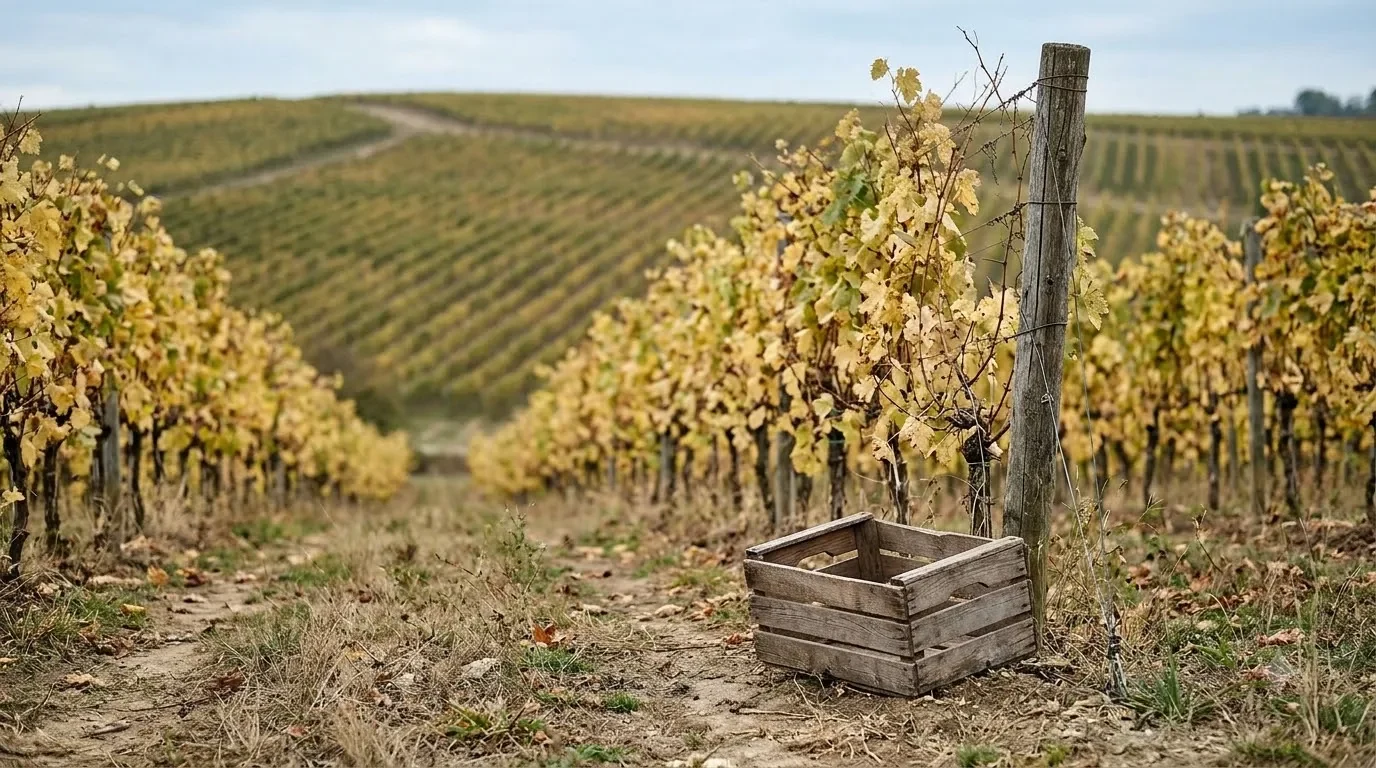
Winemaking begins in the vineyard, and the grapes picked at harvest set the ceiling for the wine. The timing depends on sugar and acid levels in the fruit, plus the health of the crop and the weather. Grapes can be picked by hand or by machine. After picking they are sorted for quality, usually destemmed, and then crushed to release the juice. Harvest can stretch over several weeks, and the winemaker often picks different blocks of the vineyard at different times to match the flavor they want.
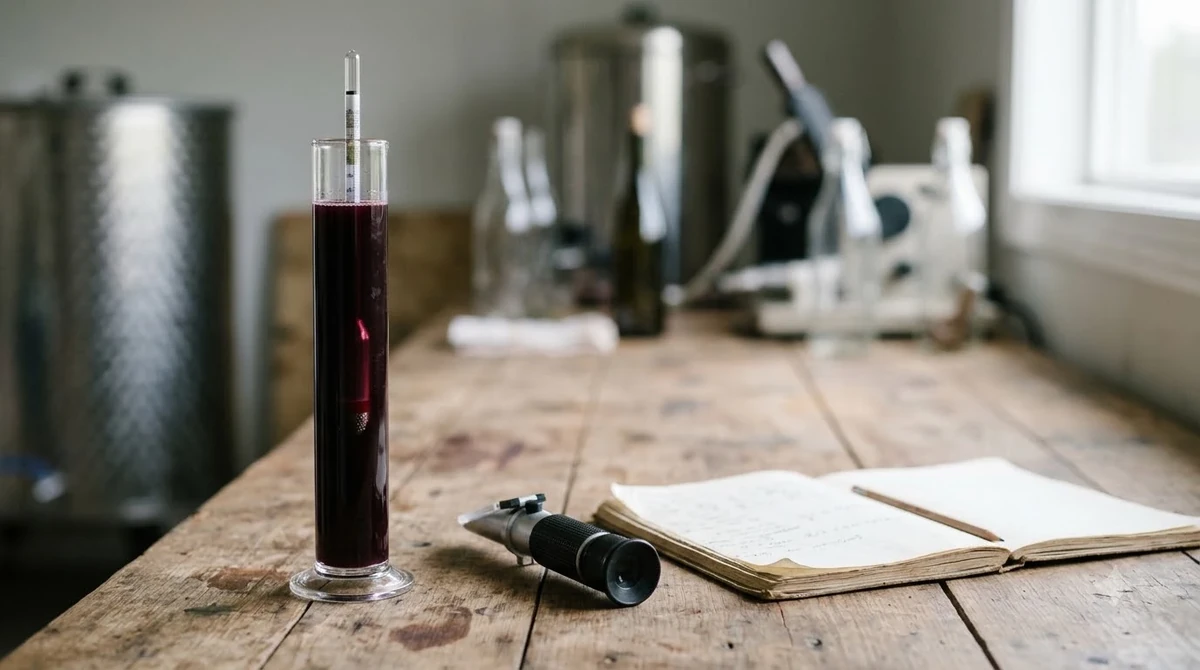
Wine Folly’s deep-dive on winemaking describes harvest as a planning exercise. Winemakers decide whether to press sooner rather than later, choose the vessel they will ferment in, and check the fermenting juice every day. Their notes cover the smell, taste, temperature and sugar reading of the must, which is the name for crushed grape juice before it becomes wine. The Wine Folly article on what winemakers don’t tell you gives a close look at this daily work.
Red and white: how skin contact shapes the wine
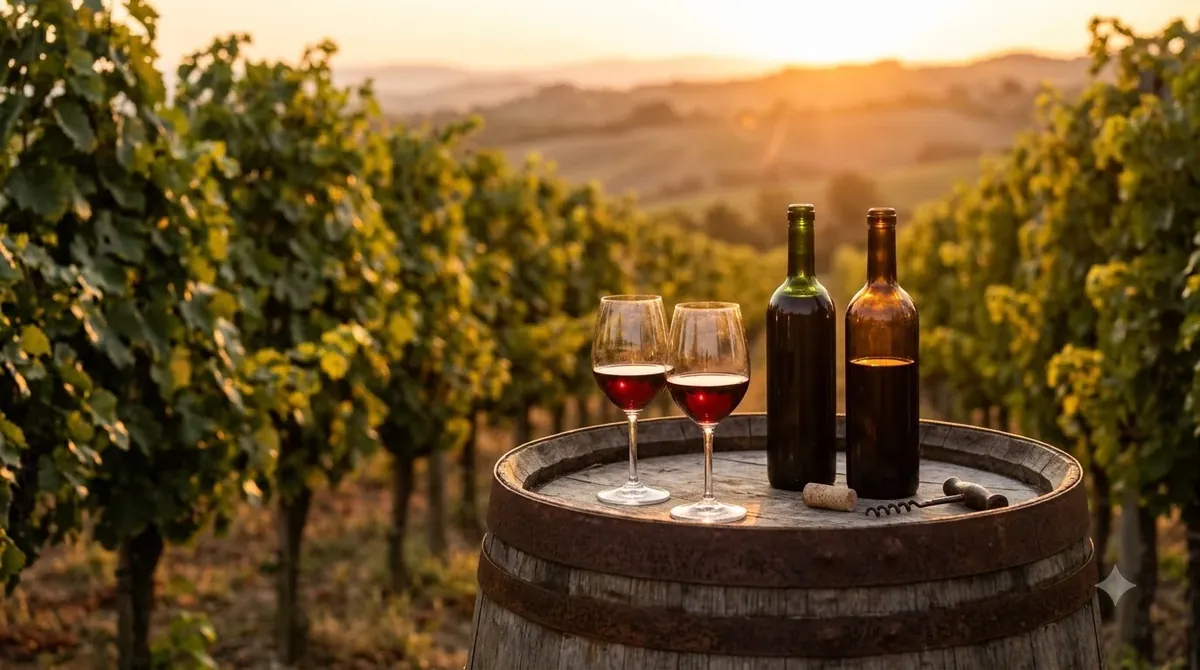
The biggest difference between red and white wine is what happens to the skins. Red wine gets its color, tannin and much of its flavor from the skins, seeds and stems, so the juice is left to soak with them for a period. According to the general article on wine, these compounds are called phenolics, and they are extracted from the skins during this soak.
White wine is different. Most white wine has only brief skin contact, usually limited to somewhere between four and twenty-four hours, because longer contact can make the wine bitter. Some white wines are pressed right after crushing so the juice goes straight to fermentation. Pink wine sits in between, with a short skin contact or a bleeding of juice from a red fermentation.
Pressing separates the juice from the solids. A press is used after the soak for red wine and early for white. The liquid that comes out of the press is clarified before it is bottled, which removes the bits of skin and pulp that remain.
Fermentation: how yeast makes alcohol
Fermentation is the step that turns grape juice into wine. Yeast eats the sugar in the juice and converts it into alcohol, heat and carbon dioxide. The juice is moved into a fermentation vessel, which is often stainless steel, but can also be oak barrels, concrete or large clay vessels. Each container affects the final wine in a different way, and winemakers choose their vessel to match the style they want.
During red fermentation, winemakers often stir or push the cap of skins back into the juice so they can draw out more tannin and flavor. The Wikipedia article on wine describes this as agitation. Winemakers also sometimes add sugar to raise the alcohol content, a practice called chaptalization, or adjust the acidity of the juice. Some wines then undergo a second process called malolactic fermentation, in which bacteria convert the sharper malic acid in the wine into the softer lactic acid. This often gives the wine a rounder, creamier feel.
Clarifying, aging and bottling
Once fermentation is finished, the wine is clarified so that it looks clear and stable in the bottle. It may be filtered to remove yeast and microbes. Sulfites are often added as a preservative, which is why most wine labels carry a sulfite statement. The wine may then be aged in barrels or tanks for months or years, depending on the style. Winemakers often describe aging as a time when the wine settles and the flavors come together.
Wine Folly notes that some winemakers judge aging by how the wine tastes over time. One producer quoted on the site describes a reserve wine as showing best after three or four years of aging. Aging in the bottle continues the process. Many wines improve for years after bottling, while others are best drunk young.
Most wine is sold in glass bottles, traditionally sealed with cork. The standard bottle volume is 75 cl, which is about 25 ounces. The wine is then stored in a cool, dry place, because poor storage can damage quality. The Wikipedia article gives 12 to 13 degrees Celsius (54 to 55 degrees Fahrenheit) at 65 to 70 percent humidity as the ideal range for storage.
| Stage | What happens | Why it matters |
|---|---|---|
| Harvest | Grapes are picked, sorted, destemmed and crushed | Sugar and acid levels set the style of the wine |
| Maceration | Juice soaks with skins (red) or is pressed quickly (white) | Controls color, tannin and body |
| Fermentation | Yeast converts sugar into alcohol, heat and carbon dioxide | Creates the alcohol and most of the aroma |
| Malolactic fermentation | Bacteria convert malic acid to lactic acid | Softens acidity in some wines |
| Clarifying and aging | Wine is filtered and stored in barrels or tanks | Stabilizes the wine and develops its flavor |
| Bottling | Wine is sealed in a 75 cl bottle | Protects the wine until it is opened |
Tip: If you want to understand a wine’s style from its label, look for the grape, the vintage and any mention of oak or aging. Those details usually reflect the steps above.
Frequently Asked Questions
How long does it take to make wine?
The timeline depends on the style. Harvest takes weeks, fermentation can last days to weeks, and aging can take months or years. Some wines are ready to drink soon after bottling, while others are built to age.
What is the difference between red and white winemaking?
Red wine is fermented with its skins so it gets color and tannin, while white wine is usually pressed off the skins quickly. That single choice shapes most of the difference in color, texture and flavor.
Does wine contain added sugar?
Most wine gets all of its sugar from the grapes, which yeast converts into alcohol. Winemakers can add sugar in some regions to raise alcohol, a practice called chaptalization, but this is not common in every wine.
Why does wine have sulfites?
Sulfites are added as a preservative to protect wine from oxidation and spoilage microbes. Wine also makes small amounts of sulfites naturally during fermentation, so the label reflects the total.
Now you know how the bottle in front of you came to be, from the vineyard through fermentation and aging. To put that knowledge to work, read our guides on how many glasses are in a bottle of wine and whether wine can go bad, or browse the Wine Q&A section for more basics.
More in Wine Basics
 Which Rose Is Best for Your Taste, Budget, and Food PairingsUpdated Nov 21, 2026
 Is Cheap Wine Bad? How to Find Bottles Worth DrinkingUpdated Nov 21, 2026
 What To Write On A Wine Gift Tag: Thoughtful Messages For Every OccasionUpdated Nov 21, 2026
 Which Wine Is Best For Weight Loss? Compare Lower-Calorie ChoicesUpdated Nov 21, 2026
 What Is The Best Wine For Mimosas? Choose Bubbly That Balances Orange JuiceUpdated Nov 20, 2026
 Which Prosecco Is Best for Your Taste and OccasionUpdated Nov 20, 2026