

We may earn a commission when you buy through links on this page, at no extra cost to you. Learn more.
The best Healdsburg wineries are easiest to choose by the Sonoma County wine area they draw from: Russian River Valley for Pinot noir and Chardonnay, Dry Creek Valley for Sauvignon blanc, and Alexander Valley for a range of reds and whites north of town. Healdsburg sits where three American Viticultural Areas meet, which gives visitors a wide range of styles within a short drive. This guide explains those areas, names several wineries listed among Healdsburg-area estates in county reference material, and offers practical ways to plan a day of tasting.
Healdsburg is a small city in Sonoma County, but its position makes it one of the most practical bases for wine tasting in Northern California. The town’s plaza is lined with restaurants, tasting rooms, galleries and shops, and the wineries that surround it cover very different climates and grape varieties. The sections below explain how the three nearby areas differ, which estates are listed among the Healdsburg-area wineries, and how to put together a visit that matches what you want to taste.
Quick Comparison: The Three Nearby Wine Areas
Healdsburg’s wineries draw from three neighboring AVAs. The table below summarizes what each area is known for, so you can match your tasting plans to the wines you enjoy most.
| Area | Location relative to Healdsburg | Known for | Good fit for |
|---|---|---|---|
| Russian River Valley | Central Sonoma County, at the geographical heart of the county | Pinot noir and Chardonnay, the county’s top two wines, with Zinfandel on hillside sites | Visitors who want cool-climate Pinot noir and Chardonnay |
| Dry Creek Valley | North of Healdsburg, a compact AVA | Sauvignon blanc, with about 140 years of grape-growing history | Guests who want a short drive and a focused list of wines |
| Alexander Valley | North of Healdsburg | A broad mix of varieties; the county’s reference material does not name a signature grape | Travelers who want a wider choice of reds and whites |
Best for Cool-Climate Pinot Noir and Chardonnay: Russian River Valley
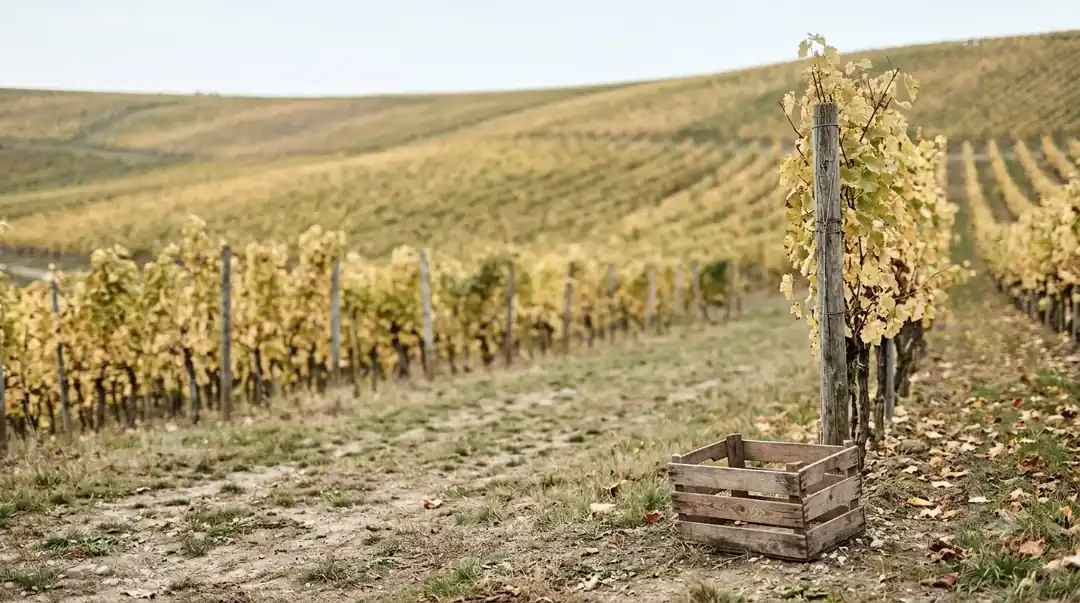
The Russian River Valley is the area many visitors associate with Healdsburg, and it is known for cool-climate wines. Morning fog flows in from the Pacific through the Petaluma Gap and usually burns off during the day. That fog moderates temperatures, producing large day-night swings, with nighttime temperatures dropping 35 to 40 degrees Fahrenheit below daytime highs. The long, slow ripening period that results suits Pinot noir and Chardonnay well.
According to the Russian River Valley AVA entry on Wikipedia, Chardonnay makes up about 42% of the region’s harvested grapes and Pinot noir about 29%, with Zinfandel grown on hillside sites. Among the wineries listed in the Healdsburg area on the Sonoma County wine guide, the list includes A. Rafanelli Winery, Amista Vineyards, Aesthete Winery and Farm, and Ramey Wine Cellars, all of which make wines from the Sonoma County region. A visit to a few of these estates gives you a clear sense of the cool-climate style.
Best for Sauvignon Blanc: Dry Creek Valley
Dry Creek Valley lies north of Healdsburg and is a compact AVA with a grape-growing history of about 140 years, according to the county’s reference material. It is known for Sauvignon blanc, which makes it a natural stop for visitors who want to focus their tasting on a single white variety. Because the valley is small, several wineries can be visited in one afternoon without long drives between them.
Dry Creek Valley also suits travelers who like to combine tasting with a relaxed lunch or a walk among the vines. The area’s modest size makes it easy to plan, and it pairs well with a morning in Healdsburg’s plaza before or after a tasting.
Best for a Wide Range of Styles: Alexander Valley
Alexander Valley lies north of Healdsburg and is named after the pioneer Cyrus Alexander. Its reference material does not single out one signature grape, which gives it a broader range of styles than the two valleys beside it. For visitors who want to try reds and whites from several producers in one trip, Alexander Valley is a useful area to include.
Among the estates the county’s reference material lists under the Alexander Valley area are Alexander Valley Vineyards, Seghesio Family Vineyards and Stonestreet Estate Vineyards, which sits in the Healdsburg area. These names show how the region combines long-running family estates with newer producers, and they give a good starting point for a tasting itinerary.
Best for Small Tasting Rooms: Healdsburg-Area Estates
Healdsburg itself is home to a number of smaller producers and tasting rooms. The county’s reference material lists A. Rafanelli Winery, ACTA Wine, Aesthete Winery and Farm, Aldina Vineyards, Amista Vineyards, Amphora Winery, Capo Creek Winery, Ferrari-Carano Vineyards and Winery, Idlewild Cellars, J Vineyards and Winery, and Ramey Wine Cellars among Healdsburg-area wineries. Because the list is long, many visitors choose a handful that match the styles they want, then add a few surprises.
Smaller estates often offer more personal tastings, while larger wineries may have expansive grounds or extended hours. If you prefer a quieter visit, look for estates that describe their approach and tasting format before you book.
Best for Historic Context: The Town and Its Wine Industry
Healdsburg’s wine identity is relatively recent. Prohibition, enacted in 1919, collapsed the local wine industry, and many vineyards were replaced with fruit trees in the 1920s, mainly prunes and apples. Prunes remained the top local crop until the 1970s, when many orchards were replanted as vineyards, and by the mid-1980s nearly all prune orchards were gone. Wine then became the area’s main agricultural industry, and the town shifted from a farm town into a wine-country destination.
Understanding that history helps explain why the town’s tasting rooms, restaurants and shops are clustered around the plaza. Visitors who enjoy a historical perspective can combine a tasting with a walk around the town center to see how the place has changed.
How to Plan a Healdsburg Tasting Day
Start by choosing one or two areas rather than all three. A day split between Russian River Valley and Dry Creek Valley can be a satisfying mix of cool-climate reds and whites with a crisp Sauvignon blanc. If you want a wider sampling, Alexander Valley adds variety, though the drives are longer.
Plan the order of your stops around the wines you want to drink most. Visit lighter whites earlier in the day and fuller reds later, and build in time for a meal in town. For a comparison with another well-known American tasting destination, readers can look at the best Paso Robles wineries to see how a different region sets up its visits, or the best Temecula wineries for a Southern California alternative.
Tip: Confirm tasting hours and reservation requirements with each estate before you travel, since some wineries require appointments and hours can change by season.
Frequently Asked Questions
Why is Healdsburg a good base for wine tasting?
Healdsburg sits where three American Viticultural Areas meet: Alexander Valley, Dry Creek Valley and Russian River Valley. That position gives visitors access to very different wine styles within a short drive of the town.
Which grapes are most common in the Russian River Valley?
Chardonnay and Pinot noir dominate the Russian River Valley. According to the Russian River Valley Winegrowers, Chardonnay makes up about 42% of the region’s harvested grapes and Pinot noir about 29%.
Is Dry Creek Valley good for Sauvignon blanc?
Yes. Dry Creek Valley is known for Sauvignon blanc, and its compact size means several wineries can be visited in one afternoon.
Do I need reservations for Healdsburg wineries?
Many estates recommend or require appointments, particularly for seated tastings or tours. Check each winery’s current policy before you travel, because hours and booking rules can change through the year.
Healdsburg rewards a planned visit. Choose the area that matches the wines you want, leave room for a meal in town, and confirm each estate’s hours before you go. For background on choosing and storing the bottles you buy after a tasting, see the wine buying basics section of this site.
More in Wine Buying Guides
 Riesling Gift: Choose a Bottle They’ll LoveUpdated Nov 21, 2026
 Sweet Red Wine Gift: Choose a Bottle They’ll LoveUpdated Nov 21, 2026
 Malbec Gift: How to Choose a Memorable Bottle for Any OccasionUpdated Nov 21, 2026
 Sherry Gift Ideas That Match Every Wine LoverUpdated Nov 21, 2026
 Moscato Gift: How to Choose a Sweet Wine They’ll LoveUpdated Nov 21, 2026
 Merlot Gift: How to Choose a Bottle They’ll AppreciateUpdated Nov 21, 2026