

We may earn a commission when you buy through links on this page, at no extra cost to you. Learn more.
The phrase healdsburg wine country describes a Sonoma County, California destination where the town of Healdsburg anchors tastings in three distinct valleys: Dry Creek, Russian River, and Alexander Valley. Each area has a recognizable wine identity, from Zinfandel in Dry Creek to Pinot Noir and Chardonnay in the fog-cooled Russian River Valley and Cabernet Sauvignon in Alexander Valley. The town’s walkable Plaza, restaurants, and tasting rooms make it practical to combine vineyard visits with evenings close to your hotel.
For a first visit, choose one valley for each full tasting day rather than trying to cover every road at once. The distances look modest on a map, but tasting appointments, narrow country lanes, lunch, and the desire to linger all take time. A little planning helps you focus on the wines and landscapes that brought you here.
Where Healdsburg Sits Among Sonoma County’s Wine Valleys
Healdsburg is a small city in northern Sonoma County, with three important American Viticultural Areas (AVAs) close around it. Dry Creek Valley lies to the west, Russian River Valley extends to the south and west, and Alexander Valley spreads east and northeast toward Geyserville.
| Valley | Useful scale or climate detail | Signature wines |
|---|---|---|
| Dry Creek Valley | 16 miles long by 2 miles wide; summer afternoons in the mid-80s°F | Zinfandel, Sauvignon Blanc |
| Russian River Valley | Begins about 10 miles from the Pacific; summer temperatures generally stay below 90°F | Chardonnay (about 42% of grapes), Pinot Noir (about 29%) |
| Alexander Valley | About 14,890 cultivated vineyard acres; average growing-season temperature 72°F | Cabernet Sauvignon, Chardonnay |
An AVA is a defined grape-growing region whose boundaries reflect climate, topography, and soil. It identifies a recognized geographic origin, not a quality level or required winemaking method. Sonoma County has 19 AVAs, so reading an appellation on a bottle is a useful starting point rather than a substitute for learning about the vineyard or producer. The site’s overview of wine regions and AVAs explains how regional names describe origin.
The three valleys are close enough for a multi-region trip but different enough to reward separate visits. Dry Creek is the compact choice for a scenic route and picnic; Russian River Valley suits fans of cool-climate Pinot Noir and Chardonnay; Alexander Valley is a strong match for Cabernet Sauvignon and larger estate settings. The historic Plaza adds walkable restaurants, galleries, shops, and tasting rooms, so you can return to town for dinner after a day outside it.
Dry Creek Valley: Zinfandel, Sauvignon Blanc, and Scenic Tastings
Dry Creek Valley is the natural first choice for visitors who want a compact day built around Zinfandel, vineyard scenery, and relaxed winery stops. The valley is about 16 miles long and two miles wide, with many wineries reached along Dry Creek Road and West Dry Creek Road.
The Winegrowers of Dry Creek Valley describe a landscape of valley-floor gravelly and sandy loam, plus gravelly clay loam on the benches and hillsides. These well-drained soils and the area’s warm afternoons and cooler nights help grapes ripen while retaining freshness. July through September daytime temperatures commonly reach the mid-80s Fahrenheit, according to the regional growers’ geography and climate overview. The same source identifies Zinfandel and Sauvignon Blanc as signature wines, alongside Bordeaux and Rhône varieties. Read the growers’ Dry Creek Valley geography and climate overview for more detail on how the valley’s soils and coastal influence shape its vineyards.
Zinfandel is the area’s best-known red, but styles vary. Some bottlings emphasize ripe blackberry, plum, and spice; others are more restrained, with firmer acidity and savory herbal notes. Vineyard elevation, vine age, harvest decisions, and cellar choices all affect the finished wine, so comparing two or three producers in the same valley can be revealing.
Sauvignon Blanc is a useful counterpoint to the reds, especially with a picnic lunch. Its bright acidity suits goat cheese, salads, shellfish, and dishes with herbs or citrus. Ask about vineyard blocks and older vines, and confirm picnic rules before packing lunch because outdoor food policies vary by winery.
Russian River Valley: Pinot Noir and Chardonnay in Cool Air
Russian River Valley is the cooler, more spread-out destination of the three, with Pinot Noir and Chardonnay at the center of its reputation. Pacific fog, onshore breezes, and the Russian River itself moderate vineyard temperatures and help preserve acidity as grapes ripen.
The Russian River Valley Winegrowers say the region begins about 10 miles from the Pacific Ocean and that summer temperatures generally do not rise above 90°F. Their varietal information reports that Chardonnay represents about 42% of harvested grapes and Pinot Noir about 29%; together, the two account for more than 70% of the region’s wine grapes. That concentration is one reason visitors can compare a broad range of expressions of the same varieties in a relatively focused trip. The growers’ Russian River Valley climate overview explains the cooling role played by fog, river, and coastal air.
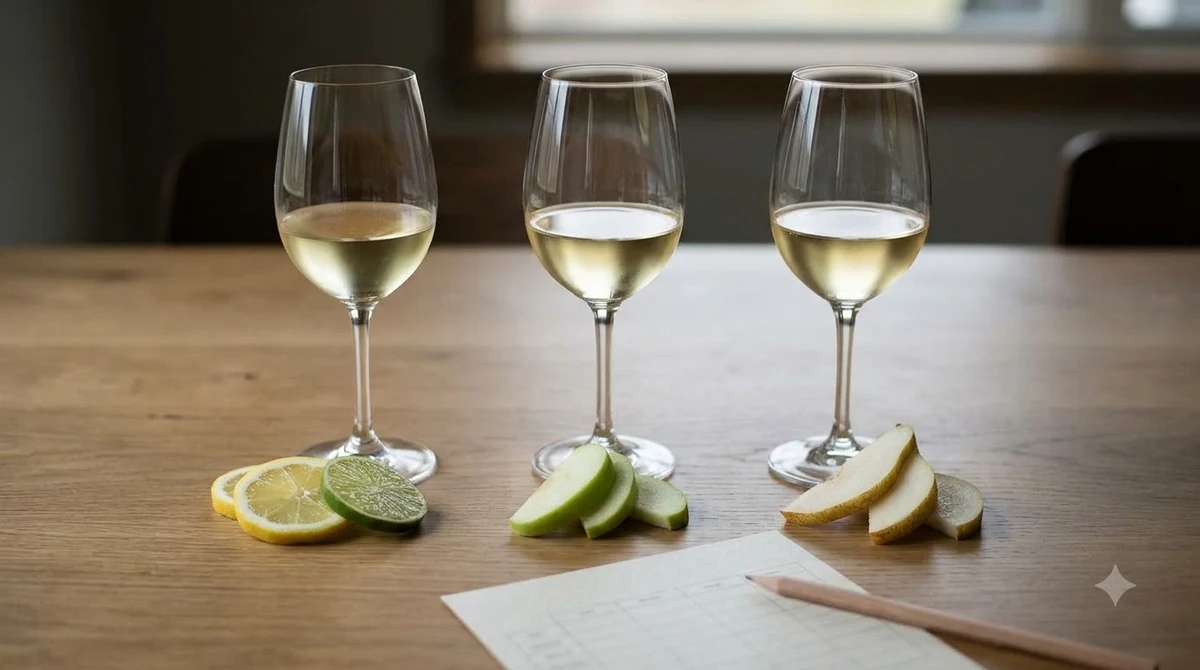
Pinot Noir can range from bright red cherry and raspberry to darker fruit, forest floor, tea, and earthy notes. Chardonnay varies too, from citrus, apple, and restrained oak to ripe stone fruit and broader texture. Tasting both varieties side by side shows how site and cellar choices shape the wines.
The trade-off is logistics: Russian River Valley is broad, and wineries are separated by winding roads rather than one neat loop. Appointment-only rooms are common, so allow enough time for each visit and favor two or three selected producers over a rushed string of stops.
Alexander Valley: Cabernet Sauvignon, Warm Days, and Broad Vistas
Alexander Valley is the region to prioritize if Cabernet Sauvignon is your main interest. It is generally warmer than the Russian River area, and its mix of valley floor, benchland, and hillside sites supports Cabernet Sauvignon along with Chardonnay, Merlot, and Zinfandel.
Alexander Valley Winegrowers list 14,890.1 total cultivated vineyard acres, an average growing-season temperature of 72°F, and a typical growing season from April 1 through November 1. The association’s technical information also records 240 average frost-free days, 77 independent winegrowers, and 33 bonded wineries. These figures describe a substantial grape-growing district, not just a cluster of tasting rooms beside town. The main red reference point is Cabernet Sauvignon, while Chardonnay is the predominant white variety.
Cabernet Sauvignon from Alexander Valley often has dark-fruit character, structured tannin, and enough freshness to accompany richer meals. Merlot can soften a Bordeaux-style blend, while Zinfandel offers a different expression of the warmer inland conditions. The valley’s vineyard elevations range from 134 feet to 2,572 feet according to the growers’ technical data, so the word “Alexander Valley” covers more variation than one tasting-room flight can show.
Estate visits can feel expansive, with broad vineyard views and formal seated tastings. Ask whether the appointment focuses on current releases, reserve wines, vineyard-designated Cabernet, or a guided property experience; each format takes a different amount of time and answers different questions.
Downtown Tasting Rooms, Reservations, and Winery Etiquette
The Healdsburg Plaza is the easiest place to begin if you want to taste without driving immediately. Tasting rooms, coffee shops, restaurants, and small retailers are close together, so a visitor can compare local bottlings on foot before choosing a valley for the next day.
Downtown tastings and vineyard appointments serve different purposes. A town tasting room works for a first introduction, a stop between meals, or a car-free day; a winery visit can add vineyard views and production details. Each business sets its own hours, age policies, reservation rules, and tasting format.
Reservations are a good idea for any producer that is a priority, especially on weekends and during harvest. Some wineries accept walk-ins when space is available; others use scheduled appointments or require advance notice for seated experiences. A reliable plan is to book one or two must-see visits and leave a little room for a spontaneous stop only where walk-ins are clearly welcome. Arrive on time, tell the host about allergies or accessibility needs, and ask before bringing outside food or opening a bottle you purchased elsewhere.
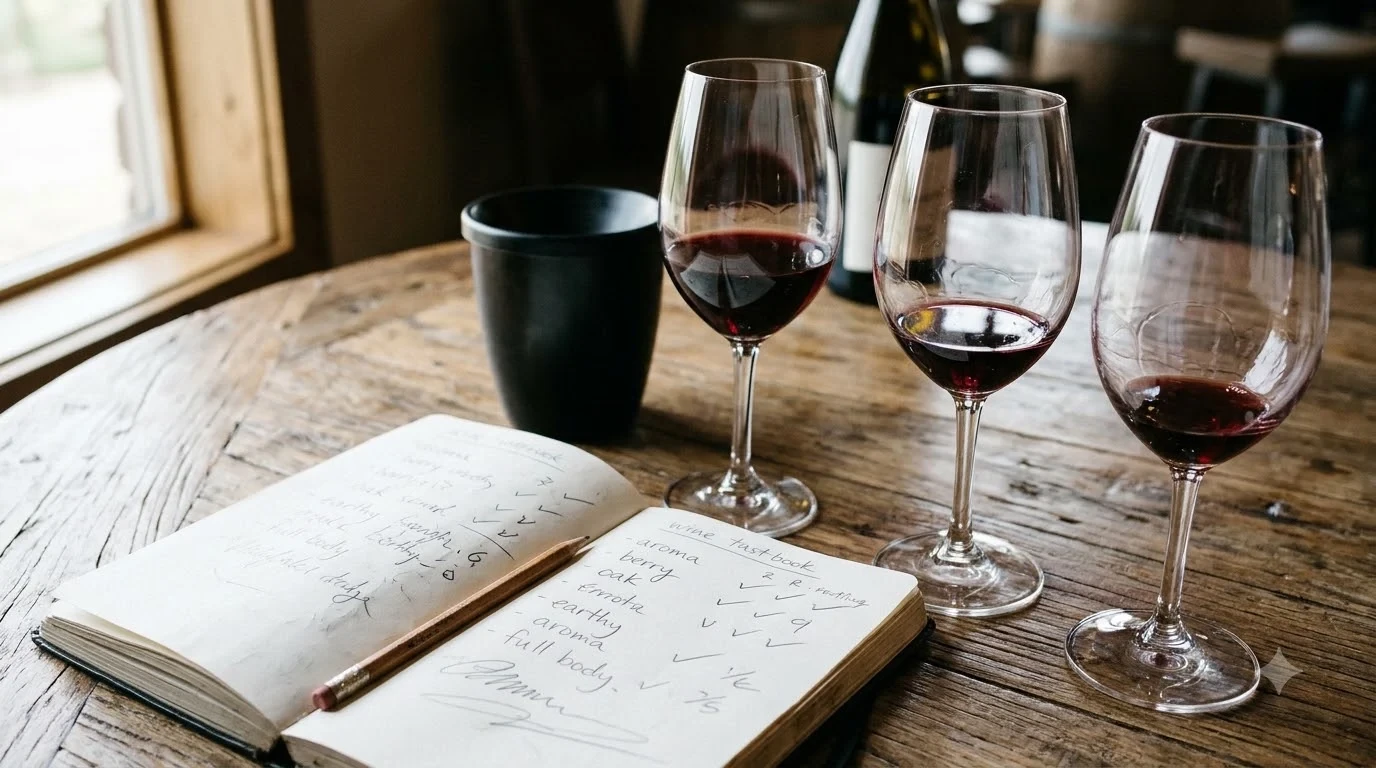
Keep tasting portions in perspective: a standard pour is about 5 ounces, and a 750-milliliter bottle holds roughly five glasses. You do not need to finish every pour; spitting is normal in tasting rooms. Notes on grape, site, vintage, acidity, tannin, and finish help you remember what you liked.
Tip: Put your farthest appointment first only when the route makes sense, then work back toward Healdsburg. Confirm the final stop’s closing time and your return ride before the day begins; a rideshare may be harder to arrange at a rural winery than in town.
Plan the Visit Around Two Days, Local Food, and Safe Transportation
Two days gives most first-time visitors a comfortable introduction: spend the first afternoon in downtown Healdsburg, devote one day to Dry Creek Valley, and use the next day for either Russian River Valley or Alexander Valley. Three days let you visit all three at a slower pace, with time for a longer meal or a second visit to a favorite producer.
A one-day trip can work, but it is best limited to one valley and about two winery appointments. A sample Dry Creek day might begin with coffee near the Plaza, continue with a late-morning tasting, pause for sandwiches or a picnic, and finish with one more tasting before returning to town for dinner. Winery visits often last an hour or more, and driving between all three valleys in one day leaves little room for a meal or unplanned discovery.
Choose the season according to the experience you want. September and October bring harvest activity but are busy, so reserve lodging and dinner early. April through June often brings green hills and long daylight; summer can be hot inland and suits a pool break or shaded picnic; December is quieter, with a festive Plaza and calmer tasting rooms. Bring a layer for cool evenings, especially after a day in fog-influenced Russian River Valley.
Food is part of the region’s identity. Healdsburg restaurants pair local wines with seasonal produce, cheeses, grilled meats, seafood, and dishes built around herbs and acidity. Dry Creek Zinfandel can work with barbecue, burgers, or tomato-based dishes; Russian River Pinot Noir suits roast chicken, mushrooms, and salmon; Alexander Valley Cabernet pairs well with grilled beef, lamb, and aged hard cheeses. Match intensity: delicate food can disappear beside a powerful red, while a high-acid white can refresh richer dishes.
Plan transportation before tasting: the wineries sit along country roads, and public buses do not serve the winery clusters. Choose a non-drinking designated driver, hire a driver for your car, reserve a guided tour, or stay overnight rather than relying on a ride being available when an appointment ends. Travelers comparing American wine destinations can also explore Yadkin Valley wine country or Hill Country vineyards. Healdsburg’s strength is the contrast among three neighboring valleys, with a walkable town tying the days together.
Frequently Asked Questions
These quick answers cover the journey to Healdsburg, ways to get around, and a few details that can help shape a wine-country itinerary.
How far is Healdsburg from San Francisco?
The drive is about 70 miles, with a mapped route of 69.6 miles and roughly 1 hour 32 minutes in typical conditions. Highway 101 traffic can add time, so a day-tripper should avoid building a tight reservation around the estimated arrival minute.
Which airport is closest to Healdsburg?
Charles M. Schulz Sonoma County Airport in Santa Rosa is the closest major commercial airport, about 9.5 miles and 14 minutes by road from the Plaza. San Francisco International Airport is about 82.6 miles away by road, making it a longer transfer for most visitors.
Can you visit Healdsburg wineries without renting a car?
Yes, for downtown tasting rooms, shops, and restaurants clustered around the Plaza. Sonoma County Transit Route 60 links Healdsburg with Windsor, Cloverdale, and Santa Rosa, while the free Route 67 shuttle circulates around town Monday through Saturday; neither route serves the valley wineries.
Is Sonoma Coast wine country close enough to add to a Healdsburg trip?
The Sonoma Coast AVA is generally about 40 to 50 minutes from downtown Healdsburg by car, depending on the destination and route. It is a reasonable extra outing for travelers with another half-day, but it is not one of the three immediate valleys surrounding town.
What share of Sonoma County is planted with vineyards?
Sonoma County has almost 63,000 acres of vineyards across 1,576 square miles of land, according to Sonoma County Tourism. That means grapevines occupy only about six percent of the county, despite wine being one of its best-known industries.
Healdsburg is rewarding because its three surrounding valleys offer genuinely different ways to experience Sonoma County wine, while the Plaza gives each day a comfortable center. Choose your preferred grapes, book a manageable number of visits, and leave time for the food and scenery between them. A thoughtful two- or three-day plan will reveal more than trying to taste everything at once.
More in Wine Regions
 Willcox Wine Trail: Discover Arizona’s High-Elevation Wine CountryUpdated Nov 20, 2026
 Yakima Valley Wine Region: Find the Best Styles to TryUpdated Nov 20, 2026
 Vosne Romanee Wine Tasting: Identify Aromas and Choose Better PairingsUpdated Nov 20, 2026
 Yakima Valley Wine Festival: Find the Best Seasonal Wine EventsUpdated Nov 20, 2026
 Wales Vineyards: Discover Cool-Climate Wines and Where to VisitUpdated Nov 20, 2026
 Yountville Wine Festival: Discover Napa Wines and Local FoodUpdated Nov 20, 2026