


We may earn a commission when you buy through links on this page, at no extra cost to you. Learn more.
Grillo tasting notes usually describe a dry Sicilian white with lemon and grapefruit citrus, a herbal lift of thyme, a faint saline edge, and bright acidity that keeps the wine lively. The grape grows mainly on the western side of Sicily, where it is prized both as a zesty table wine and as a component of Marsala. It is often compared to a riper Sauvignon Blanc or a zesty Pinot Grigio, though its taut, dry finish gives it a character of its own.
Sicilian whites have a reputation for sunshine, yet many of the best examples taste bright and salty rather than heavy. Grillo is a large part of that story. The grape holds on to acidity in hot weather, grows close to the sea, and offers a flavor profile that stands apart from the more familiar Italian whites on most restaurant lists. The sections below cover the aromas and flavors, the acidity and body, the places where the grape grows, the winemaking choices behind different styles, the foods that match it best, and the serving and storage habits that keep it fresh.
What Grillo Is and Why It Matters
Grillo is an Italian white grape that has moved from the Marsala cellar into the dry-wine glass over the last several decades. It remains one of the most important white varieties on the island, and its identity is tied closely to the western coast.
According to Cellar Tours, Grillo is generally understood to be a crossing of Catarratto and Zibibbo, a grape better known internationally as Muscat of Alexandria. That parentage helps explain the wine’s dual personality. The same source argues that the grape combines the resilience needed for Sicily’s heat with enough aromatic lift to make compelling dry whites.
The grape’s history is closely tied to fortified wine. Wine Folly notes that Grillo lost favor during the 1950s and 1960s because of its low productivity, although vines survived, mostly on the western side of the island in the Marsala zone and adjacent areas. In Marsala, Grillo adds acidity to the blend, with Catarratto as the main grape. Decanter’s grape profile describes the same dual role, as a traditional base for Marsala and also a honeyed, still dry white with good acidity.
The move toward dry whites is one of the more interesting changes in Sicilian winemaking. Cellar Tours reports that many leading Grillo vineyards are now reserved for dry white wine, a choice that would have seemed sacrilegious a century ago. Marsala has not disappeared, and it still relies on Grillo alongside Catarratto and Inzolia.
Grillo Tasting Notes: Aroma and Flavor Profile
Most grillo tasting notes start with citrus on the nose and finish with a saline, mineral thread. Winemaking can shift the balance, but the core profile stays recognizable from one bottle to the next.
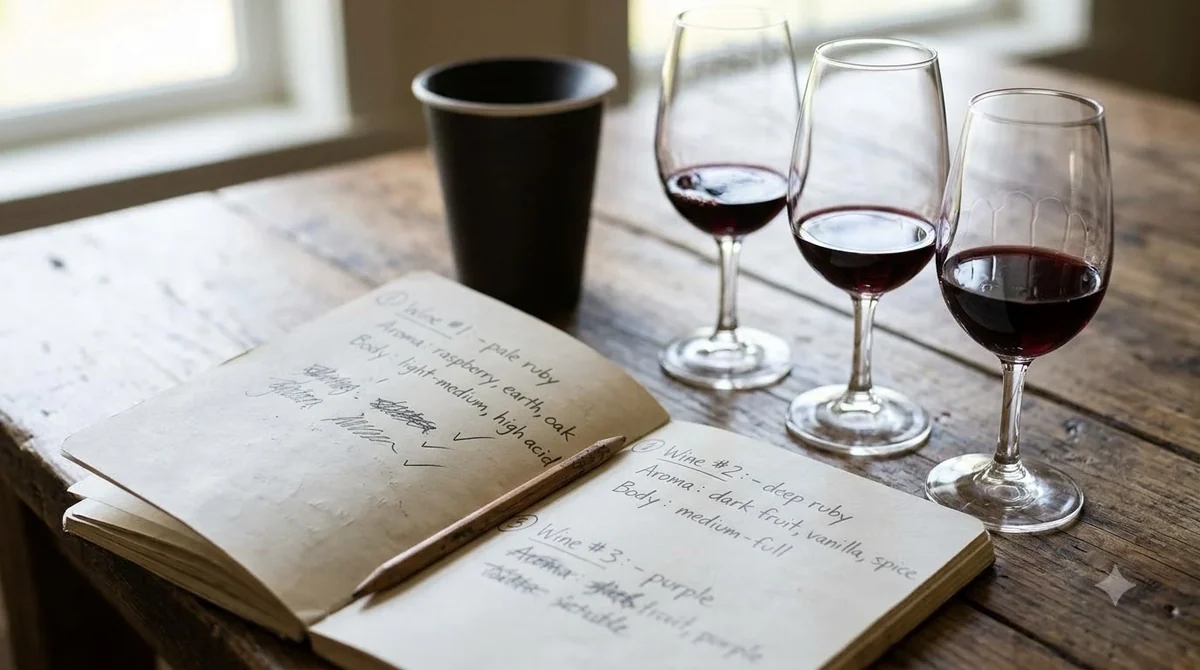
On the nose, Wine Folly describes pithy citrus, especially lemon and grapefruit, leading into herbal and floral subtleties of thyme and flint. The same guide mentions a waft of fresh sea air, which fits a grape grown near beaches in sandy soil. Cellar Tours adds pear, green apple, almond and herbs to the list, along with saline notes and sometimes tropical fruit. The two descriptions overlap more than they conflict, which is typical for a variety made in many different styles.
Citrus, herbs and sea air
The brightest examples tend to be crisp and stainless-steel fermented. Some winemakers use a reductive, low-oxygen approach to protect freshness and the floral-fruit aromatics, which can bring out grapefruit and passion fruit. In the glass, that often reads as lemon zest and a clean, sea-breeze lift rather than ripe, heavy fruit. The sea-air character is also linked to the vineyard setting, since many Grillo vines sit close to beaches.
Savory, saline and honeyed notes
Not every glass is sharp. Decanter describes Grillo as capable of producing a honeyed, still dry white, a reminder that the grape can show softer, rounder character. Cellar Tours describes richer styles with a saline quality and flavors of hazelnut and lanolin. Wines that spend time on fine lees, the yeasty sediment left after fermentation, can gain weight and a savory edge while still keeping the citrus that defines the variety.
Acidity, Body and the Finish
Acidity is the defining structural feature of Grillo, and its body usually sits in the medium range rather than heavy. For most bottles, the mouthfeel is lively and clean.
Wine Folly describes good acidity with a moderate body, subtle salinity and a taut, dry finish. Cellar Tours goes a step further, describing a medium to full body for a white, with a texture that can range from crisp to broader and waxier. Reference acidity levels help place the wine. Sauvignon Blanc and Riesling are typically high in acidity and Chardonnay is typically medium, so Grillo usually lands with the high-acid group.
For a Loire comparison with similar zest, the sancerre tasting notes guide offers a useful reference point if you are deciding whether a Grillo will feel too bright for your taste. Cellar Tours says Grillo keeps its acidity even in the harshest heat, so a bottle from a hot Sicilian site still tends to taste fresh rather than flabby. That freshness also shapes the finish, and the taut, dry close Wine Folly describes is what keeps the wine from feeling heavy alongside food.
Where Grillo Grows in Sicily
Grillo is concentrated on the western side of Sicily, especially around Marsala and in adjacent zones, where sea air and sandy soils shape the wine.
Wine Folly places most vines on the western side of the island and notes that the grape performs well in sandy soils, where it shows freshness. Its surprising acidity stands out because many vineyards sit at low elevations in a hot, arid climate. That combination is a big part of why the wine tastes lively rather than heavy, and it helps explain why producers value the variety for dry whites as well as for fortified styles.
Cellar Tours places the heart of production in the town of Marsala, where sea breezes and the cool vineyards of Mount Erice create a maritime influence. That influence sits behind the freshness producers look for in their Grillo. Put together, the sandy soil, the nearby sea and the warm, dry summers explain why the wine tastes the way it does.
How Winemakers Shape Grillo Style
Winemaking decisions determine whether Grillo tastes crisp and aromatic or broader and waxier. The core approach is consistent, while the details vary by producer.
Cellar Tours describes a typical process in which hand-harvested grapes are protected from oxygen, gently pressed and drained into a settling tank. The must is then fermented at low temperatures in stainless steel, which produces a very fruity style. Winemakers can also age the wine on fine lees, while new barrique maturation is described as very rare. Those choices keep the emphasis on fruit and freshness rather than oak.
Reductive handling and lees ageing
Wine Folly notes that reductive, low-oxygen winemaking helps preserve freshness and the floral-fruit aroma, which is why some producers favor it for their most aromatic styles. Lees ageing takes a different route. Wines held on lees for a period can gain texture and a savory note, moving toward the more textured examples Cellar Tours describes. Producers choose between these approaches based on whether they want a sharp aperitif or a fuller bottle.
Marsala and the solera method
The fortified side of the story is just as detailed. Cellar Tours describes the solera method at Marco De Bartoli, where wines from different vintages are blended through a stack of barrels. Only about a third of each blend is removed at a time, and the base layer is aged for at least five years before bottling. Marsala is usually fortified after maturation, which makes it a very different product from the dry white on a restaurant wine list. Knowing that difference helps when a label mentions the grape but not the style.
Food Pairings That Match Grillo’s Freshness
Grillo pairs best with seafood, vegetable dishes and pasta, where its citrus and acidity lift the flavors without overwhelming them.
Wine Folly suggests that all seafood, vegetable dishes and pastas do well with the wine, especially when the dish carries a herbal note that echoes the wine’s thyme character. Cellar Tours highlights prawns, langoustines and smoked salmon as reliable partners, with chicken liver pâté as a more surprising match because it calls for a pungent white with plenty of acid. Those are practical starting points for a home dinner.
The acidity rule matters here. Dishes built on lemon, vinegar or tomato call for a wine with equal or higher acidity, and Grillo has enough to match them. Egg-based sauces also work well, since Cellar Tours notes that mayonnaise needs a contrasting bite. A richer, older bottle can handle more ambitious cooking. In one Cellar Tours tasting, an older bottle was paired with porcini risotto, and the wine’s mineral acidity cut through the creaminess of the rice.
For a broader view of how white grape families differ in acidity, body and aroma, the Wine by Type section is a practical place to compare Grillo with other whites.
Serving Temperature and Storage for Grillo
Serve crisp Grillo at about 45 to 50 F and fuller, lees-aged bottles at about 50 to 55 F, and pour a standard 5 oz glass.
| Grillo style | Typical body | Serve at | Opened in the fridge |
|---|---|---|---|
| Crisp, stainless-steel dry white | Medium | 45 to 50 F | 3 to 5 days |
| Textured, lees-aged white | Medium to full | 50 to 55 F | 3 to 5 days |
Those temperatures keep the citrus and herbal aromatics in view while giving the acidity a clean line. Pour from a bottle that has been chilled and let the wine sit in the glass for a few minutes, which allows the aromas to open as it warms into range. A 750 ml bottle holds about five 5 oz glasses, so one bottle serves a small table.
Tip: Keep the cork or cap on between pours and store the opened bottle in the fridge. Still wine holds its freshness for about 3 to 5 days, so finish the bottle within that window.
Store unopened bottles on their side in a cool place near 55 F, which keeps the cork moist and the wine stable. Opened still wines lose freshness faster than fortified bottles, so drink a Grillo within a few days.
Frequently Asked Questions
These answers cover the questions that come up most often about Grillo’s sweetness, aging, blends, producers and vineyard demands.
Is grillo a dry or sweet wine?
Most table wines made from Grillo are dry, and the grape’s acidity keeps them tasting crisp. Sweetness shows up mainly in cheaper Marsala, where producers may sweeten the wine with boiled-down must or partially fermented wine. Top-notch Marsala is often bone-dry, so the style on the label matters more than the grape name.
Can grillo age in the bottle?
Some textured, age-worthy examples exist alongside the fresh stainless-steel styles, so the answer depends on the winemaking. The fortified side of the story is clearer on aging, since some of the best Marsala wines are kept for more than 15 years. For the dry whites, drinking young keeps the citrus at its brightest.
Is grillo usually sold as a single-variety wine?
Blends are common, and Cellar Tours says Grillo is often blended with Inzolia and Catarratto, two other Sicilian varieties. Monovarietal still Grillo is becoming more popular, though, so a bottle that names only the grape is a reasonable sign of a single-variety style. Check the label for the producer’s own description of the blend.
Which producers make good grillo to start with?
Cellar Tours lists several producers as useful starting points, including Cantine Fina, Cantine Pellegrino, Lombardo, Tasca d’Almerita, Donnafugata, Planeta, Caruso & Minini and Gorghi Tondi. Marco De Bartoli is also on that list. Trying two or three of these houses gives a clear sense of the range from crisp to textured.
Is grillo hard to grow in the vineyard?
Cellar Tours says Grillo is relatively straightforward to grow because fungal diseases are almost unheard of in the arid climate of western Sicily. The vines yield a modest crop of berries, which is part of why the grape fell out of favor for a time. That ease of cultivation helps explain why growers have kept it in the vineyard.
Grillo rewards attention because its character comes from the sea, the soil and the way the wine is made. Start with a crisp, stainless-steel bottle from western Sicily to learn the core profile, then move to a lees-aged or Marsala style once you know what to look for. Serve it cool, pair it with seafood or pasta, and the citrus and salinity will show clearly.
More in Wine Types & Grapes
 What Does Ruby Port Taste Like? Flavor Notes, Styles, and Serving TipsUpdated Nov 21, 2026
 What Does Ribolla Gialla Taste Like? Crisp White and Amber Styles ExplainedUpdated Nov 21, 2026
 What Does Semillon Taste Like? Flavor Profile, Styles & PairingsUpdated Nov 21, 2026
 What Does Scuppernong Taste Like? Flavor, Styles, and Pairing GuideUpdated Nov 21, 2026
 What Does Saperavi Taste Like? Flavors, Styles, and Pairing GuideUpdated Nov 21, 2026
 What Does Natural Wine Taste Like? Flavors, Styles, and Serving TipsUpdated Nov 21, 2026