

We may earn a commission when you buy through links on this page, at no extra cost to you. Learn more.
A good grenache substitute depends on the trait you want to keep: Pinot Noir for lighter red fruit, or Syrah for more structure. Grenache is a dry red with a medium-full body, medium tannin, and more than 15% alcohol, so the closest match depends on whether fruit, body, or grip matters most to you. Nero d’Avola from Sicily and Prieto Picudo from Spain are less familiar options that still share some of grenache’s character. Serve your substitute at the right temperature, and it will show much more of its own personality at the table.
Grenache is the most-planted variety in the southern Rhône Valley, according to Jeroboams, and it is widely grown around the Mediterranean. That popularity has a downside for buyers. Decanter’s tasting team points out that retail prices for Châteauneuf-du-Pape can be high, which is why so many drinkers look for a similar style at a friendlier price. This guide explains what makes grenache taste the way it does, which wines come closest to it, and how to serve a substitute so it performs well with dinner.
What Makes Grenache Taste Like Grenache
Grenache is a red grape with generous fruit, noticeable warmth, and a soft structure, so any substitute should match at least two of those traits to feel familiar. These traits are tendencies rather than fixed rules, because climate and winemaking change the wine considerably from one bottle to the next.
According to Wine Folly’s grenache guide, the wine is dry, with a medium-full body, medium tannins, medium acidity, and an alcohol level over 15% ABV. Its primary flavors include stewed strawberry, grilled plum, leather, dried herbs, and blood orange. That mix gives grenache a ripe, aromatic personality that sits between bright fruit and earthy savoriness. It is why the grape appeals to people who like red fruit but want more depth than a light red can offer.
Climate shapes that fruit more than most people expect. Jeroboams notes that in hotter places such as Lodi in California, the fruit takes on stewed characteristics like damson, black cherry, and blueberry. Young grenache from the southern Mediterranean, by contrast, tends to show raspberry, strawberry, and a touch of white pepper and dried herbs. If two bottles from different places taste unrelated, the region is the most likely reason, and that matters when you judge a substitute by its style rather than its label. For a closer look at how these aromas show up in the glass, see our grenache tasting notes.
Structure is where grenache most often surprises people. Wine Folly rates its tannin as medium, while Jeroboams describes the skins as containing few tannins and says the wines are relatively low in acid. That gap explains why descriptions vary so much from one source to another. It helps to think of grenache as having medium structure: enough grip to feel present, but seldom the firm weight of a Cabernet Sauvignon. In practice, expect a rounder, softer finish, with fruit doing most of the work on the palate.
Pinot Noir: The Lighter Substitute
Pinot Noir is the substitute most people try first, because it shares grenache’s red fruit and its soft grip. It is lighter in the glass, however, so it works best when you want freshness and a leaner body rather than the full warmth of a Southern Rhône red.
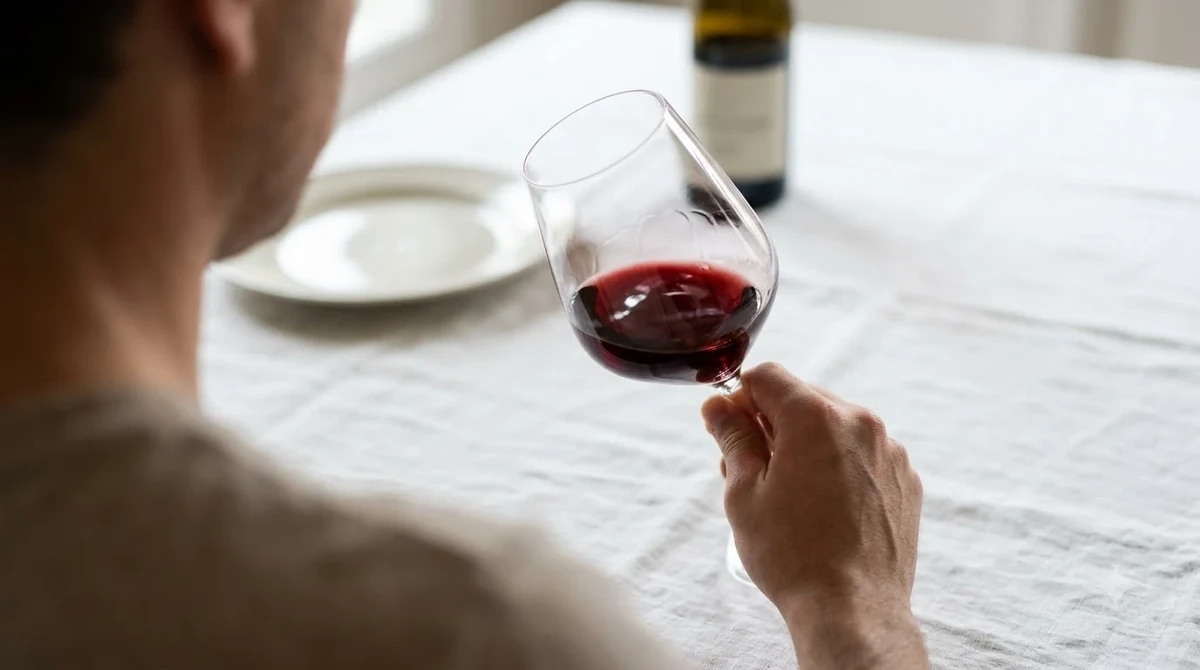
Pinot Noir typically has low to medium tannin and high acidity. That combination gives it a brighter, crisper feel than grenache, which can taste broader and softer in the mouth. Where grenache leans on alcohol and stewed or jammy fruit in hot climates, Pinot Noir tends to keep its fruit lifted and pure. That makes it a good choice for meals where a heavier red would overwhelm the food, such as roast chicken or mushroom dishes.
Jeroboams makes a useful comparison here. It says the best grenache examples have a transparency of flavor and a delicate color reminiscent of Pinot Noir, which is why the two get paired so often. The overlap is strongest in the most elegant grenache, not in the big, high-alcohol bottles. If you already enjoy the lighter, perfumed styles of grenache, a Pinot Noir will feel familiar. A richer grenache, however, will need a more substantial substitute.
Serving temperature is where the two styles separate most clearly. Pinot Noir is best at 55 to 60°F, which keeps its acidity lively, while Wine Folly recommends 60 to 68°F for grenache. Serving Pinot too warm can make it taste flat and heavy, so a short stop in the refrigerator before pouring is often enough to bring it into shape.
Syrah and Rhône-Style Blends Add Structure
Syrah is the most natural partner for grenache in the Southern Rhône, so it is the best choice when you want a fuller, firmer wine. Rhône-style blends from other appellations can also recreate the same mix of fruit and spice, often at a lower price.
Decanter notes that Grenache, Syrah, and Mourvèdre are the most widely used red varieties in Châteauneuf-du-Pape, and Syrah is the one that adds firmer structure to the blend. When Decanter’s tasting team selected its 12 alternatives, Grenache and Syrah featured heavily. One Washington Syrah on the list scored 94 points, and a 100% Syrah from Minervois scored 93, which shows how strong the category can be. Decanter also points to Lirac, another Rhône appellation with similar blends of grape varieties, soils, and climate, as a logical place to look for a closer match.
Syrah typically has medium-plus to high tannin, which is firmer than grenache’s medium tannin. Its flavors lean toward dark fruit, pepper, and savory notes, while grenache is more about red fruit and warm spice. Expect a more structured glass with a slightly darker profile, but with a similar warmth. If you pour the two side by side, the Syrah’s grip will be the first difference you notice. Syrah pairs well with grilled meats and spiced dishes, which are the same kinds of foods that suit a Southern Rhône red.
| Wine | Typical tannin | Serving temperature | Main character |
|---|---|---|---|
| Grenache | Medium | 60–68°F | Red fruit and warm spice |
| Pinot Noir | Low to medium | 55–60°F | Lighter red fruit and freshness |
| Syrah | Medium-plus to high | 60–65°F | Dark fruit, pepper, and savory notes |
Nero d’Avola and Prieto Picudo Are the Less Familiar Picks
Two of the best-supported unfamiliar options are Nero d’Avola, which an Australian study found closely resembled grenache, and Prieto Picudo, which Decanter recommends from Spain. Both are worth trying if the usual names feel too expected.
In a study covered by International Wine Challenge, expert tasters rated New World Nero d’Avola and Grenache as extremely similar in aroma and flavor. Both showed red fruit, floral, and confectionery notes, and both stayed low in body and tannin. A panel of 36 trained tasters described the wines in detail, and then 116 red wine consumers gave their feedback and liked all of the wines they sampled. That combination of expert and consumer results is what makes the pairing more than a guess.
Keep the weight difference in mind when you make the swap. Because that tasting described both wines as low in body and tannin, a Nero d’Avola will likely feel lighter in the mouth than the medium-full grenache that Wine Folly describes. In return, you get a similar fruit-forward and floral profile with less grip. The researchers also described emerging varieties such as Nero d’Avola as more drought- and heat-tolerant than French reds, which is why they see these grapes as practical choices for warmer wine regions.
Prieto Picudo is the Spanish option in this group. Decanter’s tasting team recommended a 100% Prieto Picudo from Castilla y León that scored 92 points. The wine is described as muscular but elegant, with fine-grained tannins and dark fruit. Decanter also notes that its old bush vines grow on rocky limestone and alluvial pebbles, soils it says are not dissimilar to those in Châteauneuf-du-Pape. For drinkers who want Rhône-style texture from a less familiar grape, it is a strong pick.
Garnacha and Cannonau Are the Same Grape Under Other Names
Garnacha and Cannonau are both names for grenache, so they are less a substitute than the same wine under different labels. They are still useful to know, because the style shifts with the country, and a Spanish or Sardinian bottle can give you a fresh angle on the grape you already like.
Wine Folly notes that grenache is also called Garnacha and places its roots in northeastern Spain, before the French championed it in the Southern Rhône. Jeroboams takes a different view of its origin, saying viticulturists believe grenache is indigenous to Sardinia, where it goes by Cannonau. The question remains debated, but both sources place the grape firmly in the western Mediterranean.
Decanter’s list includes a Cannonau di Sardegna from Antichi Poderi Jerzu, labeled Bantu, which scored 88 points. Decanter describes it as perfumed, with sweet, juicy red fruit, an earthy undertone, and good balancing grip. Decanter also recommends a Firebrand Old Vine Grenache from the Riverland in Australia, which scored 89 points and comes from 80-year-old, dry-grown bush vines. Its acidity keeps the spiced fruit cake and chocolate-covered raspberry notes from tipping into jam.
Spain offers a deep bench of its own. Jeroboams says the finest Spanish grenache comes from Priorat and Monstant in Catalunya, as well as Aragón and the Sierra de Gredos west of Madrid. It adds that old bush vines in the Sierra de Gredos produce remarkably concentrated wines that offer great value. Grenache was once the most-planted red grape in Spain, but it fell out of fashion by the late 20th century, and a small group of producers has since campaigned to keep it in production.
Choosing and Serving a Grenache Substitute
The right substitute depends on the trait you want to keep, and serving temperature and decanting can make a close match feel much more like grenache. Start with the trait you miss most, then adjust how you serve the wine to suit it.
If warm, generous fruit matters most, Pinot Noir is the easiest switch, and a Garnacha or Cannonau gives you the same grape with a different regional voice. If you miss the body and the peppery, savory finish, choose Syrah or a Southern Rhône blend. Jeroboams notes that young grenache from appellations such as Gigondas is typically over 14% ABV, so a Rhône-style substitute will usually carry some of that warmth. For a broader map of red styles, Wine by Type is a useful starting point.
Serving temperature is the next lever. Syrah and other full reds are best at 60 to 65°F, while Pinot Noir should come in at 55 to 60°F to keep its acidity lively. For grenache-style reds, Wine Folly recommends serving at 60 to 68°F and decanting for about 30 minutes, which opens up the fruit and softens the alcohol. Pour about 5 ounces per glass, which gives roughly five glasses from a 750 ml bottle.
Tip: Pour a Pinot Noir and a Syrah side by side with a glass of grenache, then compare them after ten minutes in the glass. Whichever matches the fruit, body, or grip you miss most is your best everyday substitute.
Storage matters once a bottle is open. Still wines usually keep for 3 to 5 days in the refrigerator, so finish an opened Pinot Noir or Syrah within that window. Store unopened bottles on their side in a cool spot near 55°F to keep the cork moist and the wine stable. Jeroboams describes grenache as highly vulnerable to oxidation, so a half-finished grenache-style bottle can lose its fruit faster than you might expect.
Frequently Asked Questions
These questions come up often when people look for a grenache substitute, and the answers add detail that the main guide does not cover.
Does grenache make anything other than red wine?
Yes. Jeroboams notes that grenache is used for bright rosé in Provence and other southern French regions, with aromas of strawberry, raspberry, red cherry, and orange peel. Wine Folly also describes grenache rosé as richly colored and ruby-hued.
How long can a grenache-style wine age?
Wine Folly says grenache can be cellared for 10 years or more. Jeroboams adds that the finest Châteauneuf-du-Pape and Priorat cuvées can improve in bottle for over 15 years, developing notes of tar, tobacco, and violets. Simpler young wines from Gigondas, by contrast, usually peak within a few years.
Does oak play a big role in grenache?
It can, but not always in the same way. Jeroboams says top cuvées may spend 18 to 30 months in large oak, cement, or steel vats, and that most Châteauneuf-du-Pape winemakers avoid new oak barrels. At the top wineries of Priorat, grenache and Carignan are fermented in oak vats and aged in barrels for 16 to 18 months.
Why do grenache bottles taste so different from one another?
Jeroboams says almost every producer has a different preference about the proportion of other grapes in the blend, and winemaking methods vary as well. The grape needs plenty of heat and sunshine to ripen fully and is susceptible to bunch rot and mildew in wet weather. Young vines on fertile soils can produce pale, sweet, and alcoholic reds that lack freshness.
Which foods pair best with grenache?
Wine Folly says grenache works well with roasted meats and vegetables spiced with Asian five-spice and cumin. Jeroboams suggests young grenache for casseroles, barbecues, and richly sauced meats. A lighter substitute like Pinot Noir suits leaner dishes better, so the fruit is not overwhelmed.
A grenache substitute works best when you choose it around the trait you care about most, whether that is fruit, body, or structure. Start with Pinot Noir for lighter wine or Syrah for more grip, then explore Nero d’Avola or Prieto Picudo when you want something less familiar.
More in Wine Types & Grapes
 What Does Ruby Port Taste Like? Flavor Notes, Styles, and Serving TipsUpdated Nov 21, 2026
 What Does Ribolla Gialla Taste Like? Crisp White and Amber Styles ExplainedUpdated Nov 21, 2026
 What Does Semillon Taste Like? Flavor Profile, Styles & PairingsUpdated Nov 21, 2026
 What Does Scuppernong Taste Like? Flavor, Styles, and Pairing GuideUpdated Nov 21, 2026
 What Does Saperavi Taste Like? Flavors, Styles, and Pairing GuideUpdated Nov 21, 2026
 What Does Natural Wine Taste Like? Flavors, Styles, and Serving TipsUpdated Nov 21, 2026