

We may earn a commission when you buy through links on this page, at no extra cost to you. Learn more.
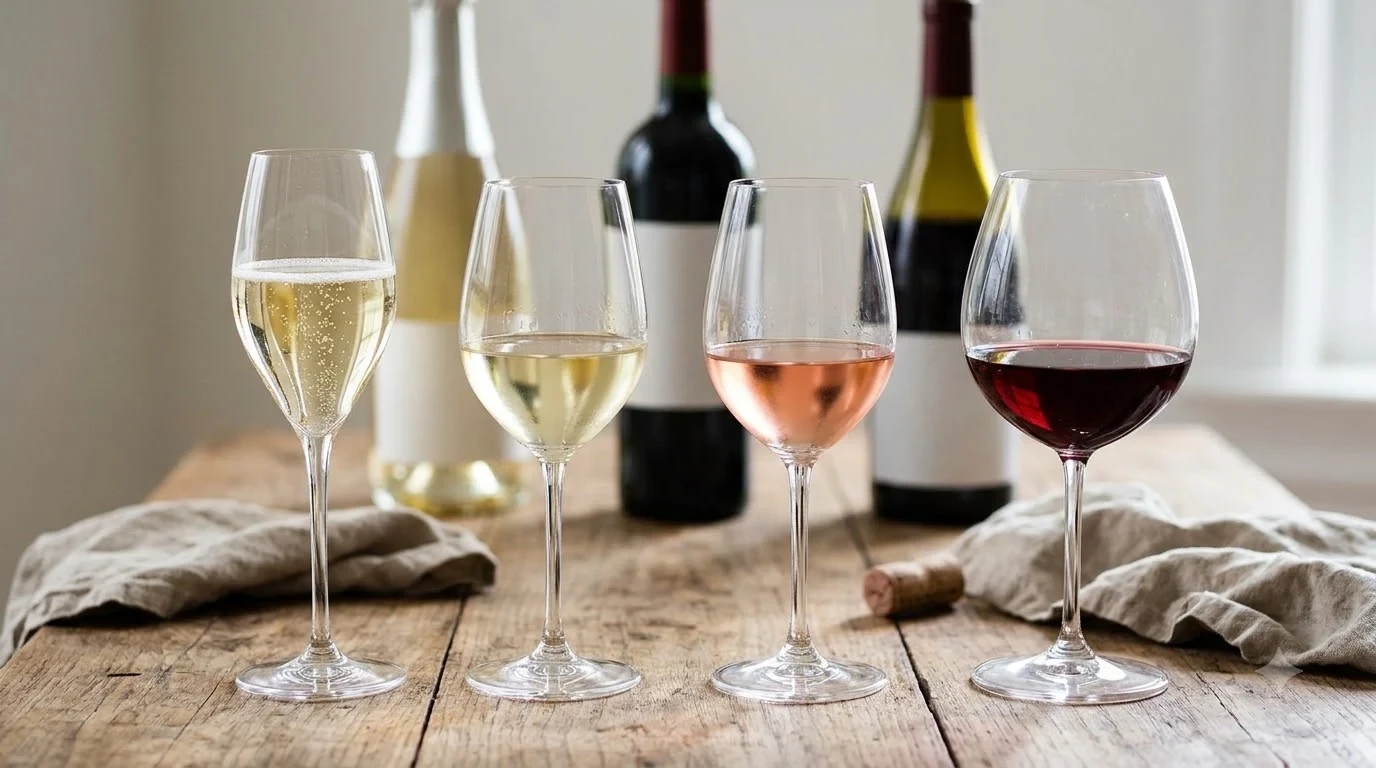
Graves wine grapes are primarily Merlot, Cabernet Sauvignon, Cabernet Franc, Sémillon, and Sauvignon Blanc, blended to produce structured Bordeaux reds and fresh, complex dry whites. Located south of Bordeaux on the Left Bank of the Garonne River, Graves is known for gravelly soils that influence vineyard drainage, warmth, and grape ripening. Its smaller supporting varieties, including Petit Verdot, Muscadelle, Malbec, and Sauvignon Gris, add further character to the finished wines. Understanding these grapes makes it easier to recognize Graves styles, select bottles, and find suitable food pairings.
Graves occupies an important place in Bordeaux wine history. Its vineyards produce two distinct families of wine: red blends built around Merlot and Cabernet Sauvignon, and dry white blends that combine Sémillon with Sauvignon Blanc. Although the region shares grapes with neighboring Bordeaux appellations, its combination of river-influenced gravel soils, maritime conditions, and varied vineyard sites creates recognizable differences in the glass. Here is how the principal varieties work together and what wine drinkers should know before choosing a bottle.
Where Graves Grows Its Principal Wine Grapes
Graves occupies part of Bordeaux’s Left Bank, following the Garonne River south of the city toward Saint-Pardon-de-Conques. Its location, gravelly terrain, and maritime climate help explain why both red and white varieties thrive here.
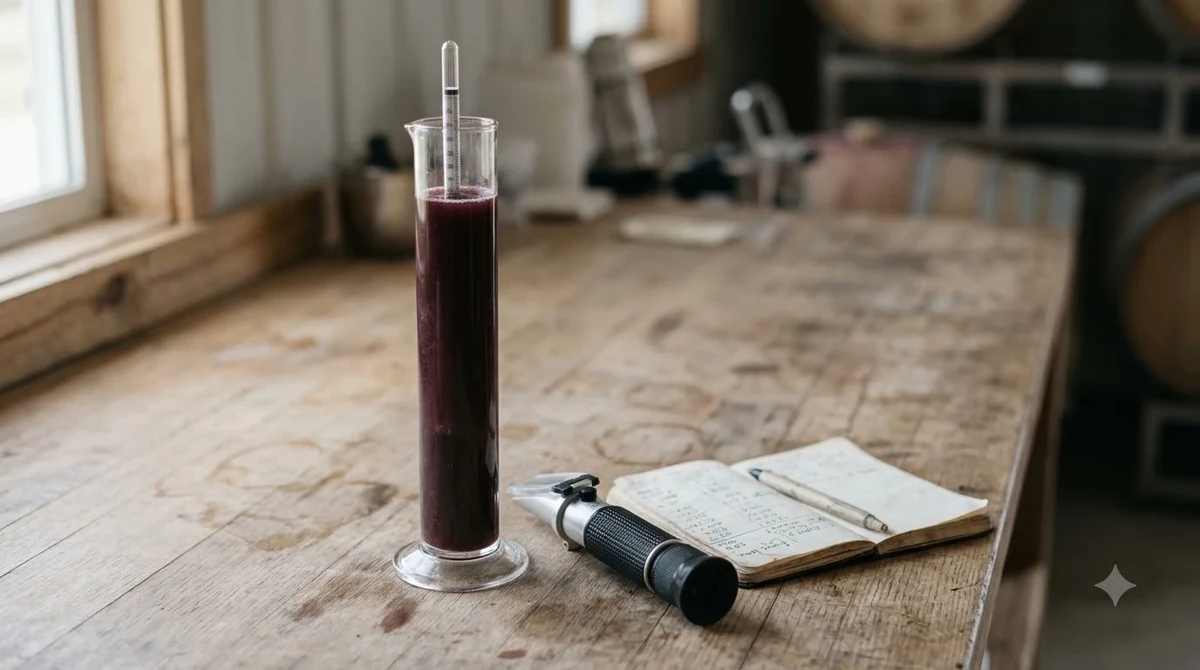
According to Bordeaux.com, the Graves PDO covers approximately 3,350 hectares across 42 communes and includes around 200 winegrowers. The appellation is historically associated with the development of Bordeaux wine and was officially recognized in 1937. Its vineyards extend through communities including Pessac, Léognan, Martillac, La Brède, Podensac, and Langon. These locations form part of a landscape shaped by the Garonne and its changing river courses. For additional regional background, see Bordeaux’s official Graves appellation profile.
The name Graves comes from the old French word “grava,” meaning gravelly terrain. Over geological time, the Garonne transported stones and sediment from the Pyrenees, depositing layers of gravel and rounded pebbles across the region. These deposits are mixed with sand, clay, silt, limestone, and iron-rich sandstone. Consequently, Graves is not one uniform vineyard floor. Individual sites can have substantially different proportions of stones, finer sediments, and underlying rock.
Gravel is especially important because it drains water efficiently. Its stones also absorb solar warmth during the day and release some of that heat overnight. These conditions can help grapes reach suitable ripeness, particularly in vineyards where drainage and temperature regulation are important. Clay-rich parcels retain more moisture, while sandy areas offer different water-management characteristics. Such differences help explain why neighboring producers can make wines with noticeably different textures and aromatic profiles.
The proximity of the Garonne contributes to the area’s maritime climate. The river helps moderate temperatures and supports air circulation, while pine forests to the west provide additional protection against harsh weather. These influences are important for both red and white grapes, although the varieties respond differently to their growing conditions.
Graves should also be distinguished from the nearby Pessac-Léognan appellation. Pessac-Léognan occupies the northern portion of the historic Graves wine area and became a separate appellation in 1987. The broader Graves designation continues southward, with its own range of red and dry white wines. Understanding this distinction prevents confusion when comparing bottles from different Bordeaux labels.
Merlot: The Leading Red Grape
Merlot is the most widely represented red grape in Graves, accounting for approximately 59% of its red-grape plantings according to Bordeaux.com. It provides approachable fruit, supple texture, and a softer foundation for Bordeaux blends.
Merlot performs well in the varied soils of Graves, including parcels with clay and gravel. Its comparatively early ripening can be useful in a maritime region where autumn weather sometimes creates challenges for late-ripening varieties. Depending on the vineyard site and harvest conditions, Merlot can develop flavors associated with ripe cherries, plums, blackberries, and other dark fruits.
In a finished red Graves wine, Merlot generally contributes roundness and mid-palate texture. Its medium tannin level is usually softer than that of Cabernet Sauvignon, making it an effective balancing component in a blend. This does not mean Merlot wines lack structure. Instead, they often combine a generous fruit profile with enough acidity and tannin to support several years of bottle development.
Merlot also helps soften the firmer structure of Cabernet Sauvignon. A blend containing a substantial proportion of Merlot may feel more immediately accessible than one dominated by Cabernet Sauvignon, although the result depends on vineyard conditions, extraction, oak aging, and the winemaker’s decisions.
For consumers, Merlot-led Graves wines are useful choices when a meal calls for a Bordeaux red with moderate tannin and developed fruit. Roasted chicken, pork, veal, and mushroom dishes can work particularly well. Salt and fat in food soften the perception of tannin, while roasted ingredients complement the wine’s savory characteristics.
Merlot’s contribution is therefore more than simply providing fruit. It gives Graves blends their softer center and helps connect the different structural components into a balanced wine.
Cabernet Sauvignon and Cabernet Franc: Structure and Aromatic Detail
Cabernet Sauvignon and Cabernet Franc contribute structure, freshness, and aromatic complexity to Graves red blends. Cabernet Sauvignon represents approximately 33% of the red-grape plantings, while Cabernet Franc accounts for approximately 3%.
Cabernet Sauvignon is particularly important on gravelly Left Bank sites. Its late-ripening character makes suitable vineyard exposure, drainage, and growing-season conditions important. When the grapes achieve full ripeness, they can contribute concentrated dark-fruit aromas, recognizable cassis notes, and firm tannins.
In Graves, Cabernet Sauvignon gives red wines much of their structural framework. Its relatively high tannin level supports aging and helps the wine retain shape as its fruit develops. Depending on maturity and winemaking, aromas may include blackcurrant, black cherry, cedar, tobacco, and spice. Oak aging can add further notes of toast, smoke, and vanilla.
Cabernet Franc plays a different supporting role. It can contribute red-fruit character, floral notes, and peppery aromatic detail. Its freshness can help balance the richer components of a blend, while its moderate tannin level allows it to complement Cabernet Sauvignon without simply repeating its structure.
The combination is especially useful when a producer wants a wine that has both firm backbone and aromatic detail. Merlot provides roundness, Cabernet Sauvignon contributes depth and tannin, and Cabernet Franc adds another layer of fruit and spice.
These varieties are not used in identical proportions by every estate. Some wines emphasize Merlot, while others place greater emphasis on Cabernet Sauvignon. The blend may also change between vintages as producers respond to ripeness, weather, and the characteristics of individual vineyard parcels.
For drinkers who enjoy Bordeaux reds, Graves offers an interesting balance between fruit and structure. A Cabernet Sauvignon-forward bottle may benefit from decanting for 30 to 60 minutes when young, particularly if it has firm tannins. A Merlot-dominant wine may need less aeration, although age and individual winemaking remain important considerations.
Petit Verdot, Malbec, and Carmenère: Supporting Red Varieties
Petit Verdot, Malbec, and Carmenère are permitted supporting varieties that help diversify Graves red blends. Although they generally occupy smaller proportions than Merlot and Cabernet Sauvignon, they can contribute meaningful differences in color, aroma, and structure.
Petit Verdot is known for its deep color, firm tannins, and concentrated dark-fruit profile. It is a relatively late-ripening variety, making vineyard conditions and harvest timing particularly important. In a blend, even a modest proportion can add intensity and a more pronounced structural impression.
Petit Verdot can also contribute floral and spicy characteristics. Its tannins may make a wine feel firmer, particularly when combined with Cabernet Sauvignon. Producers therefore need to consider the balance of the entire blend rather than treating additional concentration as automatically beneficial.
Malbec, also known as Cot, contributes color, fruit, and additional body. Its character can include blackberry, plum, and dark-fruit notes. It is not the dominant red grape of Graves, but its presence gives winemakers another option for adjusting the overall profile.
Carmenère is another permitted variety, generally used in smaller amounts. It can contribute herbal, peppery, and dark-fruit characteristics. Its aromatic profile may introduce additional complexity without becoming the central identity of the wine.
These grapes are best understood as supporting components rather than the main varieties to expect in every Graves bottle. Their proportions depend on individual estates and vineyard conditions. A wine containing Petit Verdot may feel firmer than a predominantly Merlot-based example, while Malbec can contribute a fuller impression of dark fruit.
For consumers comparing Bordeaux labels, these supporting grapes are useful clues to a wine’s potential style. However, the overall blend matters more than the mere presence of one additional variety.
Sémillon and Sauvignon Blanc: The Foundation of Graves White Wine
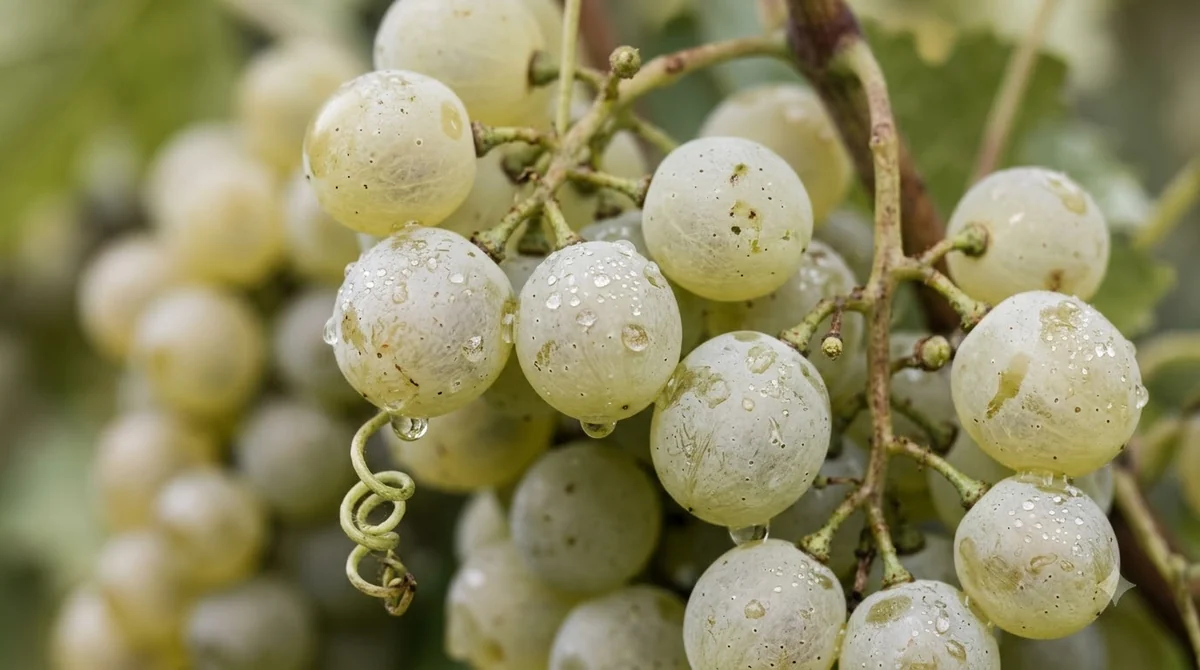
Sémillon and Sauvignon Blanc are the two principal white grapes of Graves, representing approximately 48% and 45% of white-grape plantings, respectively. Their complementary characteristics create dry whites that balance freshness with texture and aromatic complexity.
Sémillon is particularly valuable for its body and relatively broad mouthfeel. Its flavors can include lemon, ripe pear, wax, honey, and subtle floral notes. It generally has medium acidity, making it useful for adding fullness to blends based on a more naturally acidic grape.
In Graves, Sémillon can create a richer white-wine style, especially when fermented or aged in oak barrels. Barrel fermentation and maturation may contribute texture, spice, and toasted characteristics. These wines can feel more substantial than lighter, stainless-steel-fermented examples.
Sauvignon Blanc provides the contrasting component. It is known for high acidity and a lively aromatic profile that may include lemon, grapefruit, lime, green apple, white flowers, and tropical fruit. Its freshness helps balance Sémillon’s fuller texture and gives Graves whites their characteristic energy.
The two grapes are especially effective together because neither needs to dominate completely. Sémillon contributes body and depth, while Sauvignon Blanc contributes aromatic intensity and acidity. The resulting wine can be refreshing while still having enough texture to accompany richer dishes.
Different producers emphasize these characteristics in different ways. A Sauvignon Blanc-led blend may be more citrus-driven and crisp, while a Sémillon-led example may feel rounder and more substantial. Barrel treatment can further influence the finished wine.
For consumers who enjoy Chardonnay but want a different Bordeaux expression, a barrel-aged Graves white can be an appealing alternative. Those who prefer Sauvignon Blanc’s sharper acidity may find a fresher, less oak-influenced blend more suitable.
Muscadelle and Sauvignon Gris: Smaller White Grapes
Muscadelle and Sauvignon Gris account for smaller proportions of Graves white-grape plantings, approximately 4% and 3%, respectively. They are supporting varieties that can add floral, aromatic, and textural details to blends.
Muscadelle is associated with floral and fruity aromas. It can contribute delicate notes that complement Sémillon’s fuller character and Sauvignon Blanc’s citrus-driven freshness. Its aromatic contribution is particularly useful when a producer wants a white blend with more complexity than the two principal varieties provide alone.
Despite its name, Muscadelle should not be confused with Muscat. They are distinct grape varieties with different characteristics. Muscadelle is traditionally used as a blending grape in Bordeaux rather than serving as the principal foundation of most Graves dry whites.
Sauvignon Gris is a pink-skinned mutation of Sauvignon Blanc. It is a permitted variety in Graves and can provide additional aromatic and structural dimensions. Its presence is less widespread than that of Sauvignon Blanc, but it gives producers another blending option.
These smaller varieties help explain why two Graves whites made from broadly similar principal grapes can still taste different. The proportions of Muscadelle and Sauvignon Gris, along with harvest decisions and fermentation techniques, can influence the wine’s aromatic profile.
When choosing a bottle, it is useful to think about the dominant variety first and the supporting grapes second. A blend led by Sauvignon Blanc will generally emphasize freshness, while a Sémillon-led wine is more likely to emphasize body. The supporting grapes provide additional details rather than replacing those main characteristics.
Graves also sits near the broader Sauternes and Barsac wine-growing landscape, where sweet white wines have a separate identity. Those wines should not be confused with the dry white wines carrying the standard Graves designation. For a broader understanding of how grapes influence different regional wine styles, explore our guide to orange wine grapes.
Graves Grape Varieties and Their Typical Wine Characteristics
The following comparison summarizes the main varieties, their roles, and the characteristics they commonly contribute to Graves wines. The planting percentages for the principal grapes come from Bordeaux.com and describe their representation within the relevant red or white grape plantings, not percentages of every finished wine blend.
| Grape | Color | Approximate planting share | Typical contribution |
|---|---|---|---|
| Merlot | Red | 59% | Soft texture, plum, cherry, and fruitiness |
| Cabernet Sauvignon | Red | 33% | Firm tannins, cassis, structure, and aging potential |
| Cabernet Franc | Red | 3% | Pepper, red fruit, and aromatic freshness |
| Petit Verdot | Red | Supporting variety | Deep color, tannin, and dark-fruit intensity |
| Malbec | Red | Supporting variety | Color, dark fruit, and body |
| Carmenère | Red | Supporting variety | Herbal, peppery, and dark-fruit notes |
| Sémillon | White | 48% | Body, fullness, wax, and honey-like notes |
| Sauvignon Blanc | White | 45% | High acidity, citrus, and floral freshness |
| Muscadelle | White | 4% | Floral and fruity aromas |
| Sauvignon Gris | White | 3% | Additional aromatic complexity |
These figures provide a useful overview, but they should not be mistaken for mandatory blending percentages. A producer can make a wine with a different balance of permitted varieties, depending on the appellation rules and the vineyard’s available grapes.
The distinction between vineyard planting shares and finished-wine composition is important. For example, Merlot represents approximately 59% of Graves’ red-grape plantings, but that does not mean every Graves red contains exactly 59% Merlot. Individual blends can vary substantially.
The same principle applies to white wines. Sémillon and Sauvignon Blanc dominate the plantings, but the final composition may change depending on the desired style. Some producers favor a fresher, citrus-focused profile, while others emphasize texture, oak, and complexity.
Tip: When selecting Graves, begin with the wine color and dominant grape style. Choose a Merlot-led red for softer fruit and texture, a Cabernet Sauvignon-led red for firmer structure, a Sauvignon Blanc-led white for freshness, or a Sémillon-led white for greater body.
Food Pairings, Serving Temperatures, and Cellaring
Graves wines work well with a wide range of meals because the region produces both structured reds and fresh or barrel-aged whites. Matching the wine’s tannin, acidity, and body to the food is more useful than relying on the appellation name alone.
For red Graves, roasted meats are natural partners. Merlot-led blends complement roast chicken, pork, veal, and lamb, while Cabernet Sauvignon-led wines can stand up to grilled beef, roast lamb, and dishes with richer sauces. The protein and fat in these foods help soften the perception of tannin.
Harder cheeses and moderately rich soft cheeses can also work well. Brie and Coulommiers are traditional pairing suggestions for Graves reds. Their fat and texture help balance the wine’s tannic structure, while the wine’s acidity refreshes the palate between bites.
Graves dry whites are particularly versatile with seafood. Sauvignon Blanc’s acidity works with shellfish, oysters, shrimp, and simply prepared white fish. Sémillon-led examples can accompany richer seafood dishes, especially those served with butter-based or cream-based sauces.
For more substantial white wines, roast chicken, turkey, and pork with herb or cream sauces can be excellent options. The wine’s texture matches the richness of the dish, while its acidity keeps the combination from feeling too heavy.
Serving temperature makes a meaningful difference. Light, fresh Graves whites are best served around 45–50°F, while fuller barrel-aged whites generally benefit from 50–55°F. Light-bodied red examples can be served around 55–60°F, and fuller, more structured reds are generally best around 60–65°F.
Young, full-bodied red Graves wines can benefit from 30–60 minutes of decanting. This gives the wine time to aerate and can help soften the initial impression of firm tannins. Older bottles require more careful handling because prolonged exposure to oxygen may diminish delicate developed aromas.
Storage is equally important. Keep unopened bottles on their sides in a cool, dark location near 55°F, with stable temperatures and limited vibration. Once opened, refrigerate both red and white wines. Most still wines retain their best qualities for approximately three to five days, depending on their structure and storage conditions.
Graves reds can age well, particularly examples with substantial Cabernet Sauvignon and sound overall balance. Some wines develop more complex notes of cedar, tobacco, leather, and earth over time. Fresh Graves whites are often enjoyable relatively young, while more substantial Sémillon-based or barrel-aged examples can develop additional complexity with bottle age.
Readers exploring other regional grape traditions can also compare these Bordeaux varieties with Texas wine grapes or Croatia wine grapes. These comparisons highlight how climate, local regulations, and grape selection influence regional wine identity.
Frequently Asked Questions
Are Graves grapes genetically different from grapes grown elsewhere in Bordeaux?
No. Merlot, Cabernet Sauvignon, Sémillon, and Sauvignon Blanc are established varieties grown throughout Bordeaux and other wine regions. Graves wines differ primarily because of their vineyard environments, grape proportions, growing conditions, and winemaking choices rather than unique Graves-only grape genetics.
Does Graves have an official classification for its wine estates?
Yes. Graves has a classification recognizing 14 classified growths, arranged on a single level without internal ranking. This system is distinct from the 1855 Bordeaux classification and applies to the Graves estates covered by its own classification framework.
Why is the Garonne River important to Graves vineyards?
The Garonne helped create the region’s gravelly soils by transporting and depositing sediment over geological time. Its proximity also moderates local temperatures and supports ventilation, while its influence on vineyard conditions helps explain the area’s suitability for both red and white grape varieties.
Can Graves wines be made from a single grape variety?
Graves is strongly associated with Bordeaux blending traditions, but the permitted varieties do not mean that every wine must contain the same combination. The actual composition depends on the producer, applicable appellation requirements, and the wine’s intended style. A label identifying Graves therefore does not guarantee a fixed Merlot-to-Cabernet ratio.
Is Graves Supérieures the same designation as Graves?
No. Graves Supérieures is a separate designation associated with semi-sweet white wines, whereas standard Graves includes red and dry white wines. The distinction is important when selecting a bottle because sweetness and food-pairing expectations can be quite different between the two designations.
Graves offers a distinctive Bordeaux combination of Merlot-led red blends and Sémillon–Sauvignon Blanc dry whites, supported by a varied range of additional grapes. Its gravelly soils, maritime conditions, and diverse vineyard sites help explain the differences between producers and individual bottles. Once you understand the principal varieties and their contributions, choosing a Graves wine for your preferred style or meal becomes much easier. Explore more regional grape profiles through our Wine Regions collection.
More in Wine Regions
 Willcox Wine Trail: Discover Arizona’s High-Elevation Wine CountryUpdated Nov 20, 2026
 Yakima Valley Wine Region: Find the Best Styles to TryUpdated Nov 20, 2026
 Vosne Romanee Wine Tasting: Identify Aromas and Choose Better PairingsUpdated Nov 20, 2026
 Yakima Valley Wine Festival: Find the Best Seasonal Wine EventsUpdated Nov 20, 2026
 Wales Vineyards: Discover Cool-Climate Wines and Where to VisitUpdated Nov 20, 2026
 Yountville Wine Festival: Discover Napa Wines and Local FoodUpdated Nov 20, 2026