

We may earn a commission when you buy through links on this page, at no extra cost to you. Learn more.
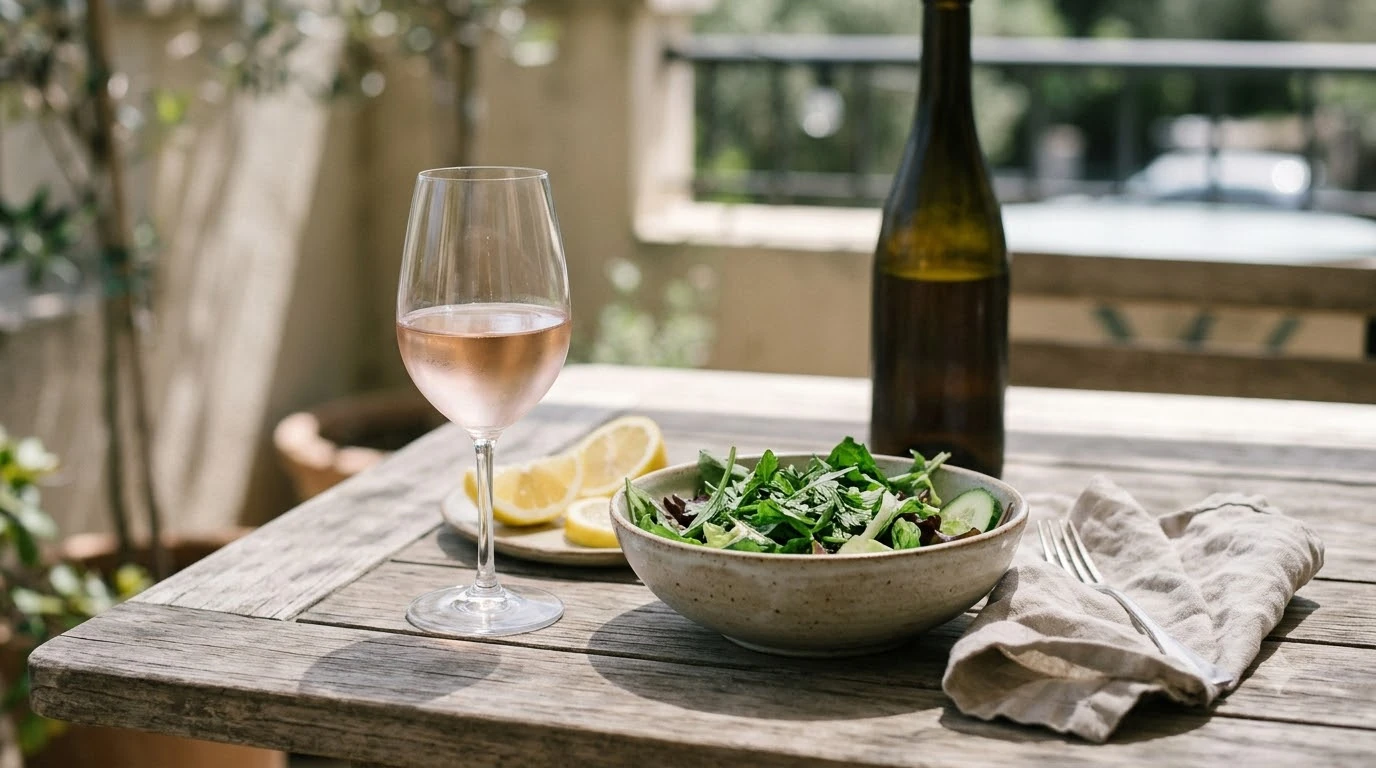
A frose recipe easy enough for a summer gathering starts with one 750 ml bottle of rosé, strawberries, lemon juice, a little sweetener, and a blender. Freeze the wine in a shallow pan until it is mostly solid, then blend it with the fruit and citrus until it becomes a thick pink slush. Plan on about 15 minutes of active preparation plus at least 6 hours of freezing. One batch generally makes 4 to 6 servings.
Frosé, short for frozen rosé, is a wine-based slush with a bright fruit flavor and a soft, scoopable texture. The goal is to keep the rosé recognizable rather than burying it under sugar or ice. This straightforward method uses familiar ingredients and includes ways to adjust the sweetness, thickness, and serving size.
Ingredients for a Balanced Strawberry Frosé
A reliable batch starts with one 750 ml bottle of flavorful rosé, frozen strawberries, fresh lemon juice, and a little simple syrup. Choose a wine with enough fruit character to stand up to blending, then add sweetener gradually because the wine and berries determine how much the drink needs.
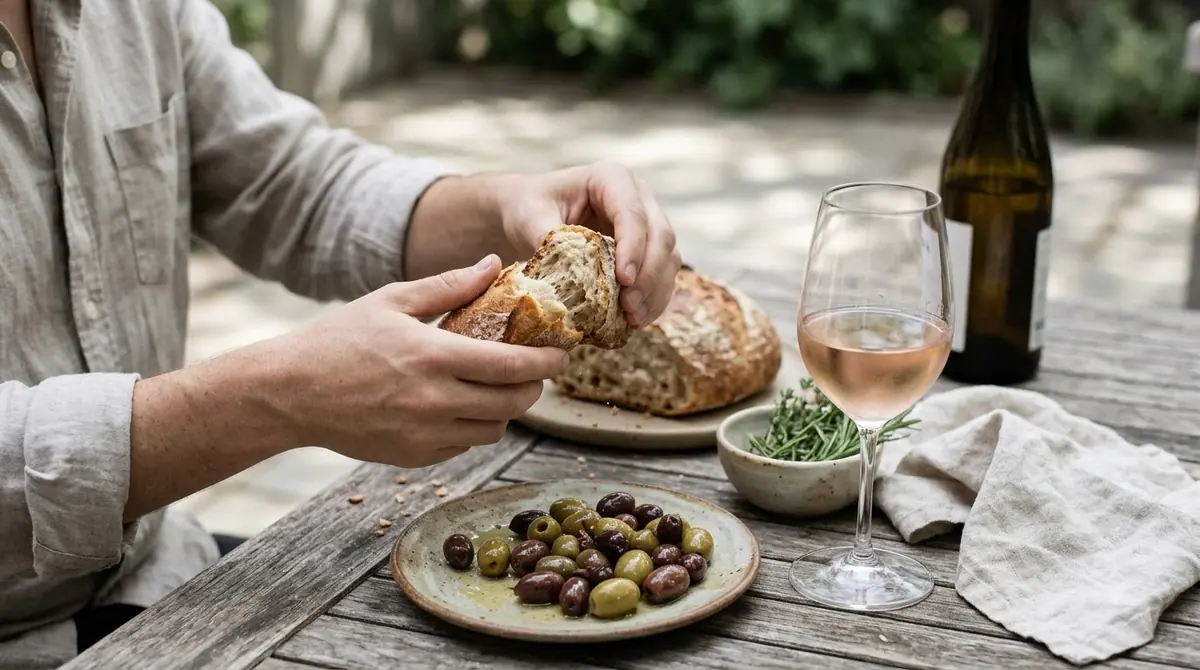
Ingredients for 4 to 6 servings
- 1 bottle (750 ml) dry or medium-dry rosé
- 12 ounces frozen strawberries, preferably unsweetened
- 2 tablespoons fresh lemon juice
- 2 to 4 tablespoons simple syrup, added to taste
- Up to 1 cup crushed ice, only if needed to help the blender move
- Fresh strawberries, lemon twists, or mint sprigs for garnish
Dry rosé is a flexible starting point because the fruit and syrup add sweetness. Choose a medium-bodied, berry-forward bottle rather than a very delicate wine that may disappear once blended. Bon Appétit’s frozen rosé recipe recommends a full-flavored, darker-colored wine because freezing and blending can soften its color and dilute its flavor; Pinot Noir rosé and Merlot rosé are examples. Frozen strawberries save the work of hulling fresh fruit and help thicken the drink without much ice.
To make simple syrup, combine equal parts sugar and water and stir until the sugar dissolves. A small batch made with 1/4 cup sugar and 1/4 cup water is enough for several cocktails; cool it fully before using. Start with 2 tablespoons in the blender, then add more only after tasting. Lemon juice keeps the berry flavor bright, while lime gives a sharper citrus note. Use unsweetened frozen fruit so you can control the final balance.
How to Freeze Rosé for a Slushy Texture
Freeze the rosé by itself in a shallow, freezer-safe pan for at least 6 hours, then scrape the icy wine into a blender. Alcohol keeps wine from freezing into a hard block, so the goal is a loose mass of crystals and soft frozen sections that can be broken up easily.
Pour the bottle into a 9-by-13-inch baking pan and set it on a level freezer shelf for 6 hours or overnight. A shallow layer freezes more evenly than wine in a deep container, and the wide surface makes it easier to scrape. After freezing, use a fork or silicone spatula to break the wine into pieces. The center may remain a little fluid; that is normal and helps the blender get started.
If the edges are frozen but the center is still very liquid, scrape the icy parts toward the middle and return the pan to the freezer for another 30 to 60 minutes. There is no need to wait for the wine to become solid. Cover the pan loosely if it will stay in the freezer overnight, keeping the cover from touching the wine.
Ice cube trays are useful when freezer space is limited or you want smaller batches. Pour in the rosé, freeze until firm, then transfer the cubes to a sealed container. Tray size affects the timing, but allow at least 6 hours for most standard trays. For a faster version, Missouri Wines blends a 750 ml bottle with frozen strawberries, frozen watermelon, lime juice, and 2 to 4 tablespoons of syrup or agave; that approach can be ready in about 5 minutes. See its frozen-fruit frosé method for its exact proportions.
Blend, Sweeten, and Adjust the Consistency
Blend the frozen rosé with strawberries and lemon juice in short bursts, then add syrup a tablespoon at a time until the flavor is balanced. Stop once the mixture is smooth and thick; extended blending warms the drink and can turn a frosty slush into a thin liquid.
Add the scraped rosé, 12 ounces of frozen strawberries, and 2 tablespoons of lemon juice to a blender. Pulse to break up large pieces, then blend on medium speed until the mixture moves in a steady swirl. If the blades stall, stop the motor, scrape the sides, and add 1 or 2 tablespoons of rosé or lemon juice. Avoid adding a large splash all at once because excess liquid can loosen the entire batch.
Taste before adding syrup. A dry rosé and tart berries may need 3 or 4 tablespoons; a softer, fruitier bottle may need only 1 or 2. The finished drink should taste of strawberries and wine, with lemon lifting the fruit. For a thick, milkshake-like texture, transfer the blended mixture to a freezer-safe container for 20 to 30 minutes, then stir and serve. If it firms too much, pulse it briefly again.
Quick fixes
If the mixture is too loose, add frozen berries about 1/2 cup at a time. If it is too firm for the blender, let the wine sit at room temperature for 3 to 5 minutes and break it into smaller pieces. A little crushed ice can help a weak blender, but use it sparingly because melting ice dilutes the wine. If the drink is too tart, add syrup one tablespoon at a time; if it is too sweet, add a little lemon juice and a few more berries.
Choose Rosé and Customize the Flavor
The best rosé for frosé is a bottle you enjoy drinking on its own, preferably with enough color and fruit to remain noticeable beside frozen strawberries. A darker Rioja rosé, fruit-forward Pinot Noir rosé, and fuller Merlot rosé are all options; balance and flavor matter more than the grape or region.
Wine Enthusiast’s San Jose Frosé recipe describes choosing a darker Rioja rosé that was not overly sweet and notes that vivid color helps the drink retain its pink appearance after freezing. Its practical advice is to choose a rosé you already like by the glass. If the bottle is pale and delicate, use a lighter amount of fruit and syrup so the wine does not disappear. If the rosé is already off-dry or sweet, begin with no syrup and taste after blending.
Four easy variations
Strawberry-lime: Replace the lemon with 2 tablespoons fresh lime juice. The sharper citrus aroma works well with berries; garnish with a thin lime wheel rather than blending the peel, which can add bitterness. Watermelon: Replace half the strawberries with frozen seedless watermelon. It adds a lighter flavor and more water, so use little or no extra ice. Missouri Wines combines 2 cups of strawberries with 2 cups of watermelon and 1/4 cup lime juice for a larger, fruitier batch.
Raspberry: Replace up to half the strawberries with frozen raspberries for a sharper berry flavor. Strain the raspberry puree through a fine-mesh sieve before blending if you prefer fewer seeds. Mango: Replace half the strawberries with frozen mango and use lime juice. Mango makes the texture denser and tastes naturally sweet, so start with less syrup. A small mint sprig works as a garnish without taking over the fruit flavor.
Serve, Store, and Prepare a Batch Ahead
Serve frosé immediately in chilled wine glasses or small tumblers, using about 5 ounces per guest as a standard wine pour. A 750 ml bottle provides about five 5-ounce pours before fruit and ice change the final volume, so a recipe yielding 4 to 6 servings is a useful estimate rather than an exact count.
Chill glasses in the freezer for 10 to 15 minutes if you have room, and keep the finished batch cold while guests arrive. For a gathering, freeze a second bottle in advance and blend it only when needed; this is easier than trying to rework a large pitcher after it melts. For advance preparation, the rosé can be frozen in its pan up to a week ahead. Make the syrup earlier and refrigerate it in a clean, sealed container.
| Preparation step | Amount or timing | What to look for |
|---|---|---|
| Freeze rosé in a shallow pan | At least 6 hours | Partly frozen, scrapeable crystals |
| Blend wine and fruit | About 1 to 3 minutes | Even pink slush with no large chunks |
| Adjust sweetness | 1 tablespoon at a time | Bright berry flavor, not syrupy |
| Firm the blended batch, if needed | 20 to 30 minutes | Thick, milkshake-like consistency |
| Serve | About 5 ounces per glass | Pour while cold and slushy |
Blend close to serving time so the texture stays icy instead of separating in storage. If there are leftovers, pour them into ice cube trays and freeze. Blend the cubes later with a small splash of rosé for a quick single serving. Frozen fruit is also useful to keep on hand: it thickens a batch that has softened without adding much extra water.
Tip: Keep a little extra frozen fruit and simple syrup separate from the main batch. Fruit fixes a loose slush, while syrup can soften a tart batch; both let you adjust the result without watering down the rosé.
When serving a group, identify the pitcher as wine-based and use a separate glass or scoop for nonalcoholic drinks. Add a contrasting option to the menu, such as a citrus-forward port and tonic recipe or a nutty sherry cocktail recipe, so guests have a choice beyond strawberry flavors.
Food Pairings for Strawberry Frosé
Pair frosé with food that echoes its berry and citrus flavors or contrasts its sweetness with salt, crisp textures, and fresh acidity. It suits salty appetizers, grilled chicken, mild cheeses, fruit desserts, and summer salads; very spicy dishes and intensely sweet desserts are more difficult matches.
Start with prosciutto, salted almonds, olives, or Parmesan crisps. Salt can make wine seem softer and fruitier, a principle covered in the Wine & Spirit Education Trust’s food and wine pairing guidance. The salt also gives the strawberry flavor a savory counterpoint. For a larger plate, try grilled chicken skewers with lemon, vegetable kebabs, or tomato and cucumber salad. Keep dressings light so their acidity does not overwhelm the fruit in the glass.
Fresh acidity matters with vinaigrette, citrus-marinated vegetables, and goat cheese. Acidic food can make a wine seem less lively, so match it with a drink that has enough freshness of its own. The lemon in frosé helps, but very sharp vinegar can still dominate. For cheese, try fresh chèvre, feta, young Gouda, or a mild creamy cheese; the tang of goat cheese and salt in feta work especially well with strawberry.
For dessert, choose fruit tarts, shortbread, vanilla cake, or a moderately sweet lemon tart. A dessert sweeter than the drink can make frosé seem thin or sour, so either pick a less-sweet dessert or add a little syrup to a separate serving. Be cautious with chili-heavy food: alcohol and tannin can make chili heat feel stronger, so pair frosé with mildly seasoned corn, herbed flatbread, or mild salsa rather than very hot wings. The site’s Wine Recipes & Cocktails resources offer more ideas for planning a menu; a red wine hot chocolate recipe is a richer choice for a different season.
Frequently Asked Questions
These answers cover freezer timing, equipment, alcohol content, and fruit swaps. The standard batch uses one 750 ml bottle and makes about 4 to 6 servings, but the final texture and portion size depend on the fruit, ice, and glassware.
Does rosé freeze completely solid?
A higher-alcohol rosé generally stays softer than a lower-alcohol rosé in the same freezer because alcohol depresses the freezing point. For example, a 13 percent ABV wine will usually need more freezing time to develop the same firmness as an 11 percent ABV wine.
Can I make frosé without a blender?
Yes, although the texture will be less even. Scrape the wine with a fork every 30 to 45 minutes as it freezes, then fold in finely mashed strawberries, lemon juice, and syrup. A food processor also works in small batches.
How much alcohol is in one serving?
It depends on the rosé’s alcohol level and the number of portions. For example, a 750 ml bottle at 12 percent alcohol contains about 90 ml of pure alcohol; divided into 5 equal servings, each portion contains about 18 ml before accounting for added fruit or ice.
Can I use frozen rosé cubes instead of a pan?
Yes. Freeze the wine in ice cube trays, then transfer the cubes to a sealed container so they do not absorb freezer odors. A typical 1-ounce cube tray would require roughly 25 cubes for 750 ml, though tray capacity varies.
What fruit can replace strawberries?
Frozen raspberries, peaches, mango, or mixed berries can replace some or all of the strawberries. Pit peaches before freezing, and peel them if you want a smoother puree. Since mango and ripe peaches are naturally sweet, reduce the syrup at first.
For a dependable batch, freeze a flavorful rosé in a shallow pan, then blend it with frozen strawberries, lemon, and just enough syrup to balance the fruit. Keep the drink thick, serve it promptly, and pair it with salty or lightly acidic foods. Once the base proportions are familiar, seasonal fruit and small citrus changes make the recipe easy to adapt.
More in Food & Wine Pairing
 Risotto With White Wine Recipe: Make a Creamy Dinner at HomeUpdated Nov 20, 2026
 Wassail With Wine Recipe for a Festive Spiced Holiday DrinkUpdated Nov 20, 2026
 Spritz Veneziano Recipe: Make a Classic Venetian Aperitivo at HomeUpdated Nov 20, 2026
 Summer Wine Punch Recipe for Easy Homemade EntertainingUpdated Nov 20, 2026
 Bishop Recipe: How to Make a Bright, Citrus-Forward Red Wine CocktailUpdated Nov 20, 2026
 Wine Cupcakes Recipe: Bake Rich Chocolate Cupcakes at HomeUpdated Nov 20, 2026