

We may earn a commission when you buy through links on this page, at no extra cost to you. Learn more.
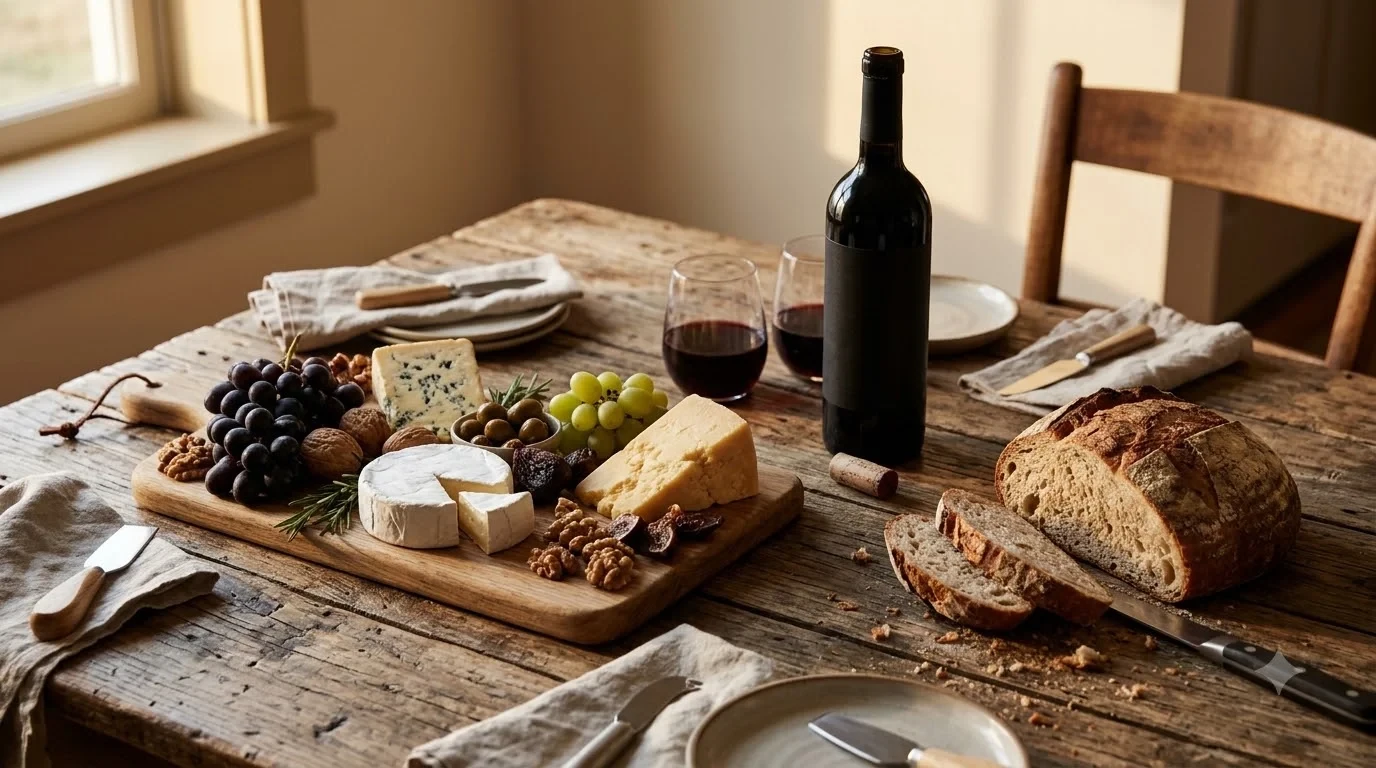
This frey wine review finds that Frey Vineyards is a strong choice for wine drinkers seeking USDA-certified organic wines, biodynamic selections, and bottles made without added sulfites. The California producer offers approachable everyday reds, crisp whites, rosé, and more distinctive varietal wines. Its range makes it possible to choose according to grape variety, body, and food pairing rather than relying on an organic label alone. The main buying consideration is deciding whether a straightforward organic blend or a more distinctive biodynamic wine better suits your preferences.
Organic wine can mean several different things, and Frey Vineyards has built its identity around making those distinctions easier to understand. Based in Mendocino County, California, the winery combines organic farming practices with a no-added-sulfites approach across its portfolio. Its selection includes familiar grapes such as Cabernet Sauvignon, Merlot, Chardonnay, and Sauvignon Blanc, alongside blends and less common varieties. Understanding the differences between these bottles helps shoppers choose a wine that fits their meals, occasions, and preferred drinking style. This guide examines the winery’s approach, its major wine categories, and the practical details that matter before purchasing.
Who This Is For
Frey is particularly suitable for shoppers who prioritize certified organic production but still want recognizable wine styles. Its selection covers several familiar grapes and approachable blends, making it relevant to both everyday wine drinkers and people interested in sustainable vineyard practices.
The winery’s central distinction is that its wines are made without added sulfites. This is different from simply using organically grown grapes. Frey explains that naturally occurring sulfites can remain in wine even when the winemaker does not introduce additional sulfites during production. Its published information places typical naturally occurring levels between 0 and 5 parts per million.
That production approach may appeal to consumers who specifically want to avoid added sulfites in their wine. However, the distinction should be understood accurately: no-added-sulfites wine is not necessarily chemically free of all sulfites. Naturally occurring compounds can develop during fermentation, and the winery acknowledges their presence. Frey’s explanation of its no-added-sulfites winemaking approach provides further detail about this distinction.
Frey is also worth considering for people who want a choice between conventional organic winemaking and biodynamic production. Its organic range uses certified organic yeast, while its biodynamic wines use native yeast naturally present on grape skins. The winery’s biodynamic program also emphasizes soil health, composting, and the wider vineyard ecosystem.
There are several types of shoppers who may find the portfolio particularly useful:
- Organic wine shoppers: People who want USDA Organic certification rather than a general marketing description suggesting environmentally conscious production.
- Red wine drinkers: Shoppers who enjoy Merlot, Zinfandel, Cabernet Sauvignon, Syrah, and blended reds.
- White wine drinkers: People looking for Chardonnay, Sauvignon Blanc, Pinot Grigio, or other aromatic whites.
- Biodynamic wine enthusiasts: Consumers interested in farming practices that consider soil, plants, animals, and the wider agricultural environment.
- Food-focused shoppers: People who want versatile bottles for pizza, pasta, grilled vegetables, seafood, and weekend meals.
Frey may be less suitable for someone whose main priority is a heavily oaked, richly extracted luxury wine. Although the portfolio includes structured reds and fuller-bodied whites, its most recognizable selling point is its production philosophy rather than an exclusive focus on prestige winemaking.
It is also important not to assume that every wine will taste alike simply because the bottles share a producer. A Sauvignon Blanc, a Merlot, and a biodynamic Zinfandel have different grape characteristics, structures, and ideal serving conditions. Choosing by style is more useful than choosing by brand name alone.
Key Factors to Compare
The most useful comparisons involve certification, sulfite practices, grape variety, body, and alcohol content. These details help distinguish the everyday blends from the more characterful single-variety and biodynamic selections.
Frey’s Organic Red provides a useful starting point because its producer information and distributor description identify its composition and general style. Its Organic White offers a contrasting dry, crisp option. The following table summarizes representative wines and published specifications.
| Wine | Style | Alcohol | Typical Flavor Profile | Best Use |
|---|---|---|---|---|
| Organic Red | Medium-bodied red blend | 13.9% | Cherry and plum | Pizza and pasta |
| Organic White | Dry white blend | 13.7% | Citrus, melon, and pear | Light meals |
| Organic Rosé | Dry rosé | 12.5% | Strawberry and raspberry | Summer meals |
| Organic Sauvignon Blanc | Dry white | 14.1% | Pineapple and passion fruit | Seafood and salads |
| Organic Chardonnay | White | 14.0% | Pear and white peach | Roasted vegetables |
| Biodynamic Field Blend | Rhône-style red blend | 13.6% | Blackberry, cacao, and spice | Cheese and hearty dishes |
| Biodynamic Zinfandel | Fuller-bodied red | 14.5% | Black cherry and mesquite | Barbecue |
Alcohol figures and descriptions are drawn from Frey’s published wine portfolio. Individual vintages and bottlings can differ, so the table should be treated as a comparison of representative selections rather than a guarantee that every release will have identical specifications.
Certification and production
USDA Organic certification is one of the most important details to understand. Frey identifies its wines as USDA Organic and explains that its organic winemaking uses organic grapes and certified organic yeast. The distinction matters because a wine made with organically grown grapes is not automatically equivalent to wine certified organic under the USDA program.
Biodynamic certification introduces another layer. Frey received Demeter Biodynamic certification in 1996. Biodynamic farming considers the vineyard as an interconnected agricultural system, with attention to soil fertility, composting, biodiversity, and the relationship between different parts of the farm.
Body and alcohol
Body influences how substantial a wine feels. A medium-bodied red blend such as Frey’s Organic Red is generally easier to pair with a broad selection of meals than a concentrated red with pronounced tannins. A fuller Zinfandel or Syrah is more appropriate when the meal includes grilled meat, richer sauces, or intensely flavored ingredients.
Alcohol is another useful comparison. The representative wines in the table range from 12.5% for Organic Rosé to 14.5% for Biodynamic Zinfandel. These differences can influence the perception of warmth, weight, and intensity.
Flavor and food compatibility
Fruit descriptions help establish expectations, but acidity, tannin, and texture matter just as much. A crisp Sauvignon Blanc works well with dishes containing citrus or fresh herbs because its acidity can complement those ingredients. A Merlot with softer tannins is more flexible with everyday meals than a highly structured Cabernet Sauvignon.
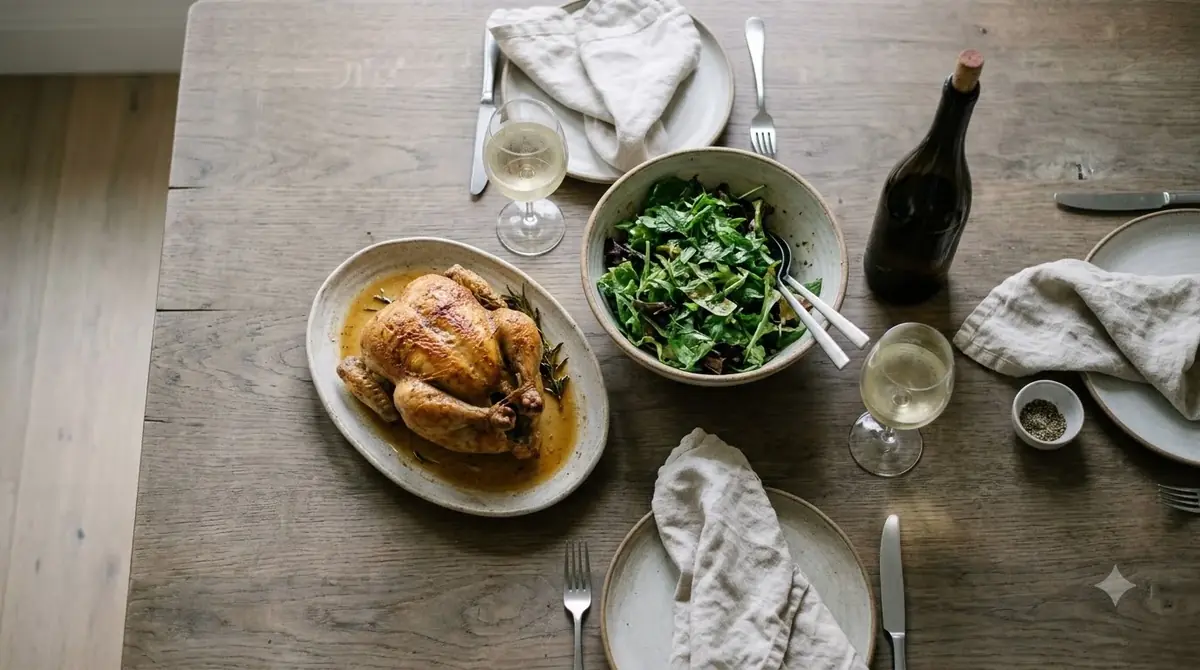
Frey’s Organic Red is particularly practical for shoppers who want one bottle that can accompany several different foods. Regal Wine Imports describes its medium-bodied, smooth character and recommends pizza and pasta. The same general style can work with roast chicken, mild cheeses, and vegetable-based dishes.
For additional background on the range of styles available from American producers, the Wine Brands resource provides a broader starting point for comparing wineries and their portfolios.
Step-by-Step: How to Choose Frey Wine
Choosing a bottle becomes easier when you start with the occasion and preferred style, then narrow the selection by grape variety and production method. These five steps provide a practical way to compare the range without getting distracted by certification terminology alone.
-
Decide between red, white, and rosé.
Start with the meal or occasion. Choose Organic Red for an adaptable dinner wine, Organic White for a dry and refreshing alternative, or Organic Rosé for a lighter style. This first decision eliminates several options immediately.
-
Choose your preferred grape characteristics.
For softer red fruit and moderate tannin, consider Merlot. For darker fruit and a firmer structure, explore Cabernet Sauvignon or Syrah. Sauvignon Blanc is a logical starting point for shoppers who enjoy bright acidity, citrus, and tropical fruit. Chardonnay is better suited to those who prefer a rounder texture and flavors of pear and peach.
-
Choose organic or biodynamic.
Both categories reflect an environmentally focused production philosophy, but their farming and fermentation approaches differ. Frey’s organic wines use certified organic yeast, while its biodynamic wines are fermented with native yeast. Both categories are made without added sulfites at this winery.
-
Match the bottle to your food.
Consider the strongest flavor in the dish rather than focusing only on its main ingredient. A tomato-based pasta benefits from a red wine with sufficient acidity. Grilled lamb can stand up to a structured Syrah or Cabernet Sauvignon. Seafood with citrus and herbs is generally better matched with Sauvignon Blanc or a crisp white blend.
-
Consider when you plan to drink it.
For a casual meal, a straightforward organic blend is often the simplest choice. For a dinner centered on wine exploration, a biodynamic varietal or distinctive red blend provides more specific grape and production characteristics. If buying several bottles, consider including one red, one white, and one rosé for flexibility.
Tip: If you are new to Frey, start with Organic Red and Organic White. These two styles provide a useful introduction to the winery’s approach without requiring you to commit immediately to a more distinctive grape variety or biodynamic blend.
Another useful step is to consider serving temperature before deciding which bottle to open. Light whites and rosé generally show well at 45–50°F, while fuller-bodied whites are better around 50–55°F. Light reds benefit from 55–60°F, and fuller reds generally work best around 60–65°F.
Serving temperature can make a noticeable difference in how a wine feels. An excessively warm red may seem more alcoholic, while an extremely cold white can conceal some of its aromas. A little attention to temperature helps reveal the characteristics that make each Frey selection different.
For more detailed information about the producer’s red selections, the Frey red wine range is a useful next step. Shoppers who prefer lighter, more refreshing styles can also compare the Frey white wine selection.
Types or Styles Explained
Frey’s portfolio includes everyday organic blends, individual grape varieties, biodynamic wines, and distinctive specialty bottlings. Understanding these categories is the easiest way to identify which bottles match a particular preference.
Organic red blends
The Organic Red is one of the most approachable places to begin. Regal Wine Imports identifies Carignan, Merlot, and Zinfandel as its grape varieties. It describes the wine as medium-bodied, balanced, and smooth, with a combination of stainless-steel and French-oak aging over 1 to 3 years.
This combination makes it a useful everyday red for shoppers who do not necessarily want an intensely tannic wine. Cherry and plum characteristics provide familiar fruit flavors, while the blend of grapes gives it more complexity than a simple single-variety description might suggest.
Frey also offers an Organic Agriculturist Red. Its description emphasizes a sturdy structure, grippy character, and lingering finish. That makes it a potentially better fit for shoppers who want a little more texture than the basic Organic Red.
Organic Cabernet Sauvignon, Merlot, and Zinfandel
Single-variety reds allow shoppers to focus on more specific grape characteristics. Cabernet Sauvignon is generally high in tannin, making it a natural match for substantial dishes such as grilled steak, roasted lamb, and rich mushroom preparations.
Merlot typically has softer, medium tannins. Frey’s description emphasizes plum, blackberry, boysenberry, and a smooth texture. This makes it a sensible option for shoppers who enjoy red wine but prefer less aggressive structure.
Zinfandel is a good choice for people who enjoy ripe fruit and spice. Frey’s organic Zinfandel is described as fruit-forward, with bramble berry aromas and a spicy finish. Its Biodynamic Zinfandel has darker black-cherry characteristics, lively tannins, and a hint of mesquite. The latter style is particularly suitable for grilled foods and barbecue.
Wine Enthusiast’s independent review of Frey’s 2023 Organic Zinfandel awarded it 91 points and described blackberry, mulberry, savory spice, and silky tannins. The publication also identifies the bottle as a Mendocino County Zinfandel with 14.5% alcohol in a 750 ml format. This Wine Enthusiast review of Frey’s Organic Zinfandel offers useful independent context for shoppers considering a more characterful bottle than the everyday red blend.
Organic white wines
Frey’s Organic White is a dry, crisp blend with citrus, Crenshaw melon, and pear characteristics. Its freshness makes it useful for casual lunches, seafood, salads, and dishes with herbs or lighter sauces.
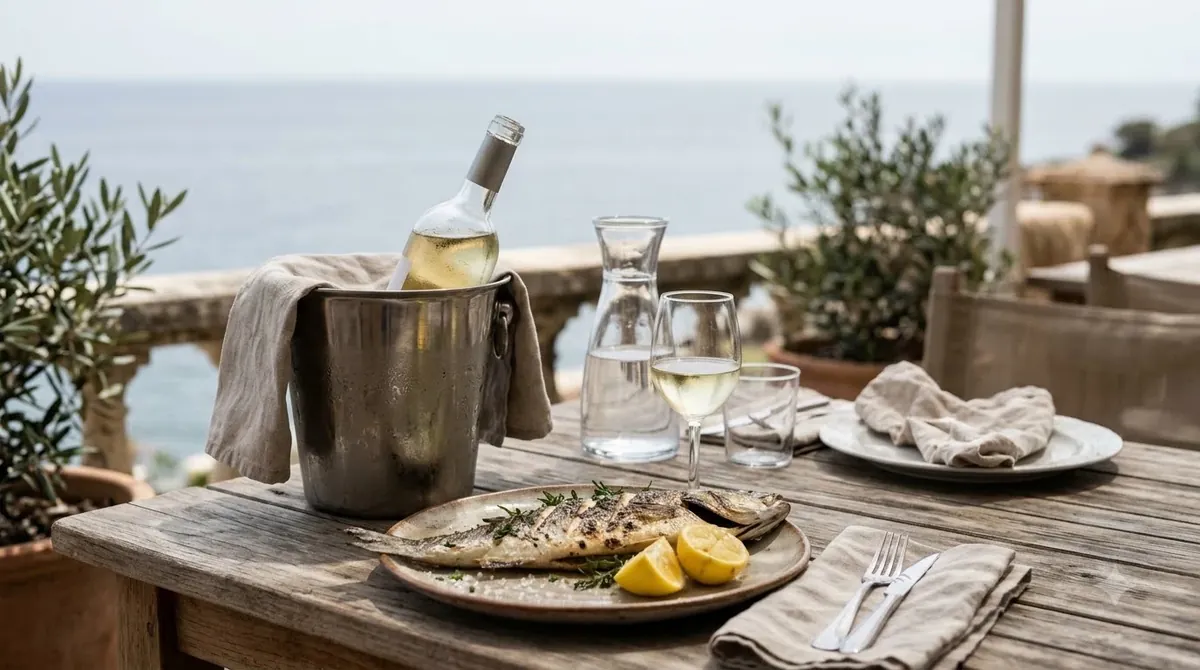
Sauvignon Blanc is another option for people who prefer refreshing acidity. Frey describes its Organic Sauvignon Blanc with pineapple, passion fruit, and a lemony finish. It is a natural pairing for seafood, sushi, and Vietnamese spring rolls, especially when the meal includes lime, fresh herbs, or other bright ingredients.
Chardonnay provides a different experience. Frey’s Organic Chardonnay is described with pear and white peach, alongside a rounded, buttery finish. This style can work with roasted chicken, grilled summer squash, and richer vegetable dishes.
Pinot Grigio is another useful alternative for drinkers who prefer white wines with a softer aromatic profile. Frey’s portfolio describes dried pear, spice, and pineapple characteristics in its Organic Pinot Grigio. It can be considered for salads, seafood, and dishes that are difficult to pair with more intensely aromatic wines.
Rosé and specialty wines
Frey’s Organic Rosé is a dry style featuring strawberry aromas and raspberry flavors. It provides an alternative to both red and white wine when a meal includes lighter pasta, fish, salads, or grilled vegetables. Its representative alcohol level is 12.5%, lower than the examples of Organic Red and Biodynamic Zinfandel discussed above.
The winery also produces specialty bottlings such as its Biodynamic Field Blend. This Rhône-style red combines rich dark-fruit characteristics with cacao and star anise. Its savory profile makes it more appropriate for substantial food pairings, including cheese fondue and roasted meats.
Other distinctive selections include Biodynamic Tempranillo, Biodynamic Syrah, and Biodynamic Cabernet Sauvignon. Tempranillo offers violet, cassis, elderberry, and allspice characteristics. Syrah is more savory and structured, while Cabernet Sauvignon provides a familiar combination of dark fruit and firmer tannins.
These styles illustrate why Frey should not be judged as a single wine. The portfolio ranges from accessible everyday blends to bottles with more pronounced varietal identity and structure.
Common Mistakes
The biggest mistake is assuming that organic, biodynamic, and no-added-sulfites are interchangeable descriptions. They refer to related but distinct production practices, and understanding the difference makes it easier to select a bottle for the right reasons.
Confusing organic grapes with organic wine
A wine made with organic grapes does not necessarily have the same production requirements as a USDA-certified organic wine. The label terminology matters. Frey emphasizes that its organic wines are made with organic grapes and organic yeast, without added sulfites.
This distinction is important when comparing producers. A bottle that says it is made with organic grapes may follow different winemaking rules and may include added sulfites. Shoppers specifically seeking certified organic wine should look for the appropriate USDA Organic certification rather than relying on general environmental language.
Assuming no added sulfites means zero sulfites
All wine can contain naturally occurring sulfites. Fermentation produces these compounds, so a no-added-sulfites claim does not mean a bottle is completely free of sulfites.
Frey reports that its wines generally contain between 0 and 5 parts per million of naturally occurring sulfites. This is a production specification, not a guarantee that every bottle will have an identical laboratory result.
It is also important not to treat no-added-sulfites labeling as a general promise about how a person will respond to wine. It describes the winemaking process, not an individual health outcome.
Choosing only by the organic label
Certification is useful, but it cannot tell you whether you will enjoy a particular wine. Someone who prefers light reds may not enjoy a powerful Syrah simply because it is organic. Similarly, a person who likes rich, rounded whites may find a particularly crisp Sauvignon Blanc too sharp for their taste.
Use grape variety, body, acidity, and food pairing as additional selection criteria. A shopper looking for a versatile red might begin with Organic Red or Merlot, while someone seeking a stronger red structure could explore Cabernet Sauvignon or Biodynamic Syrah.
Expecting every Frey wine to have the same structure
A blend and a single-variety wine can differ significantly, even when they come from the same producer. The Organic Red is positioned as an approachable medium-bodied option, whereas the Biodynamic Field Blend has a richer Rhône-style character.
Likewise, a white blend and a Chardonnay should not be expected to offer the same texture. The former is described as crisp and citrus-driven, while the latter has a rounder profile with pear and white peach characteristics.
Ignoring serving conditions
Serving a red wine too warm or a white wine too cold can make its balance less appealing. This is especially relevant when comparing a medium-bodied Merlot with a more structured Cabernet Sauvignon.
For better results, use the general serving ranges for the wine style and allow the bottle to adjust gradually. A short period in the refrigerator can help bring a warm red into a more suitable serving range.
Care and Storage Tips
Proper storage helps preserve the freshness and intended character of Frey wines. Although its no-added-sulfites approach is an important part of the winery’s identity, these bottles should still receive the same careful storage treatment as other wines.
Store unopened bottles consistently
A cool, dark location near 55°F is a useful target for wine storage. Avoid leaving bottles in direct sunlight, beside a hot appliance, or in a location with frequent temperature changes.
Traditional cork-finished bottles are generally best stored horizontally so the cork remains in contact with the wine. This helps limit cork drying and supports a consistent seal. Keep bottles away from strong vibrations and excessive heat.
Frey’s published storage guidance recommends consuming its red wines within 7 years of vintage and white wines within 3 years of vintage. These are practical recommendations for the winery’s style, not a promise that every wine will improve with additional aging.
Serve each style at the right temperature
Different wines benefit from different serving temperatures:
- Organic Rosé: 45–50°F.
- Organic Sauvignon Blanc: 45–50°F.
- Organic White: Generally 45–50°F, depending on its structure.
- Chardonnay: 50–55°F for a fuller expression.
- Organic Red: Approximately 55–60°F for its medium-bodied style.
- Cabernet Sauvignon and Syrah: Approximately 60–65°F.
These ranges provide a starting point. A particularly warm room can make red wine seem heavier and more alcoholic, while excessive chilling can suppress delicate aromas in white wine.
Handle opened bottles carefully
Once a bottle is opened, oxygen gradually changes the wine. Recork the bottle or use a suitable wine stopper, then place it in the refrigerator. This applies to both red and white wines, although the flavors of a red may become more expressive after it has been brought back toward its preferred serving temperature.
As a general guideline, opened still wines remain enjoyable for approximately 3–5 days when properly refrigerated. Sparkling wines typically last around 1–3 days with an appropriate sparkling-wine stopper. These are broad storage expectations rather than guarantees for every individual bottle.
When serving a bottle over several evenings, keep the amount of air in the container as low as practical. Smaller storage containers can help reduce oxygen exposure when only a small amount of wine remains.
Use appropriate glassware
A standard wine glass with a bowl that narrows slightly toward the rim is suitable for most Frey selections. Larger bowls can help fuller-bodied reds such as Cabernet Sauvignon and Syrah release their aromas. Smaller white-wine glasses can help maintain a cooler serving temperature for Sauvignon Blanc and rosé.
A standard wine serving is approximately 5 ounces, meaning a 750 ml bottle provides about 5 glasses. This is a useful planning estimate for dinner parties and everyday meals. Pouring smaller servings also makes it easier to compare two different Frey styles during the same meal.
Frequently Asked Questions
Is Frey Vineyards considered an American organic wine pioneer?
Yes. Frey identifies itself as the first organic winery in the United States and traces its organic winemaking beginnings to 1980. Its history is closely connected with the development of certified organic wine production in California.
Does Frey offer wine made with native yeast rather than cultured organic yeast?
Yes. Frey distinguishes its biodynamic fermentation from its standard organic fermentation. Its biodynamic wines use native yeast occurring naturally on grape skins, while its organic wines use certified organic yeast.
Does Frey make sparkling wine?
Yes. Its specialty portfolio includes Fizzy Chard and Fizzy Pinot. These offerings provide alternatives to the winery’s still wines, with the Chard emphasizing citrus and pineapple and the Pinot offering cranberry and pomegranate characteristics.
Does Frey offer wines made from less familiar grape varieties?
Yes. The portfolio includes varieties such as Dolcetto, Tempranillo, Viognier, and Sangiovese. These wines offer alternatives to familiar Cabernet Sauvignon, Merlot, and Chardonnay selections and can be interesting choices for drinkers exploring different grape traditions.
Can visitors taste Frey wines at the winery?
Yes. Frey Vineyards has a tasting room at its Redwood Valley property in Mendocino County. The winery publishes walk-in tasting hours of 11 a.m. to 5 p.m. daily, with later hours on Fridays, and asks parties of 6 or more to arrange their visit in advance.
Frey Vineyards stands out for its consistent commitment to certified organic production, biodynamic winemaking, and wines made without added sulfites. Its broad portfolio offers something for shoppers who prefer approachable everyday blends as well as those who enjoy more distinctive varietal wines. Start with Organic Red or Organic White to understand the house style, then explore the biodynamic selections and individual grape varieties to find the bottles that best suit your table.
More in Wine Brands
 Underwood Wine Price: Compare Bottles, Cans, and Pack SizesUpdated Nov 21, 2026
 Zenato Wine Price: Compare Styles and Choose the Right BottleUpdated Nov 21, 2026
 Zuccardi Wine Price: Compare Bottles and Find the Right RangeUpdated Nov 21, 2026
 Yellow Tail Moscato Review: Taste, Sweetness and Serving TipsUpdated Nov 21, 2026
 Wolf Blass Yellow Label Review: Choose Your Best StyleUpdated Nov 21, 2026
 Wolffer Estate Rose Review: Choose the Right Bottle for Your TableUpdated Nov 21, 2026