

We may earn a commission when you buy through links on this page, at no extra cost to you. Learn more.
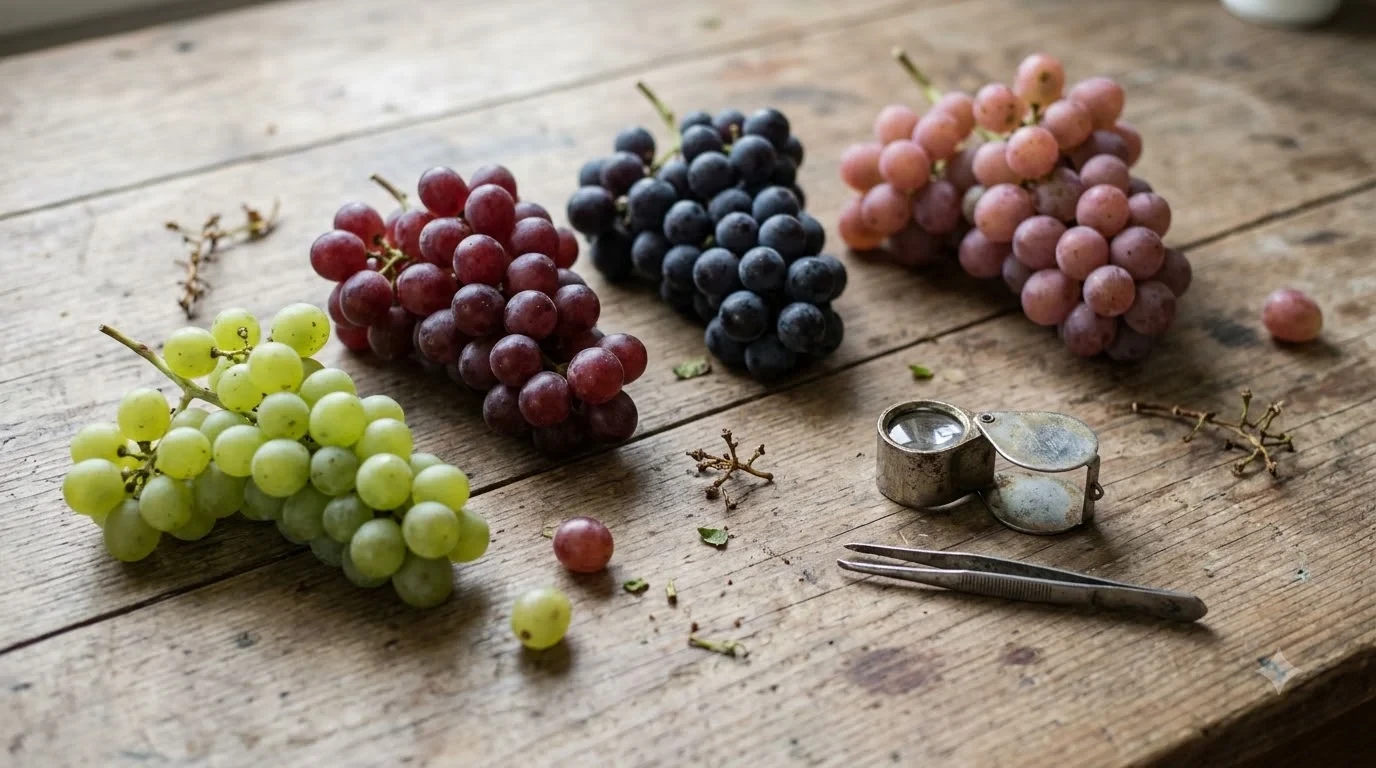
The freisa grape is a red Italian variety grown mainly in Piedmont, where it makes wines that range from lightly sparkling and sweet to dry and still. Its heartland is the Monferrato and Langhe hills, with plantings further north in the Turin and Biella provinces. The grape is known for strawberry, raspberry, and violet aromas, and for a firm structure of tannin and acidity that sets it apart from softer Italian reds.
Freisa is one of those Italian grapes that many wine drinkers have never tasted, even though it has been part of Piedmont’s winemaking for a long time. It sits in the same region as Nebbiolo and Barbera, yet it has its own personality. This guide covers where Freisa grows, how it tastes, the main styles you will see on a label, and how to think about it with food.
Where Freisa Grows in Piedmont
Freisa is grown mainly in the Monferrato and Langhe areas of Piedmont, in northwestern Italy. Some plantings extend further north into the Turin and Biella provinces, and the Asti and Pinerolese areas are also named as common locations. Its geography overlaps with the region’s better-known reds, which is one reason it is often grouped with them in regional discussions.
Because Freisa is a Piedmont grape, the names on the bottle usually reflect the local appellation rather than the grape alone. Many labels say Freisa d’Asti, Langhe Freisa, Freisa di Chieri, or Monferrato Freisa, and each of these names describes a slightly different set of rules and styles.
How Freisa Tastes
Freisa wines are often described with strawberry, raspberry, and violet aromas. The grape carries considerable tannin and acidity, similar in structure to Nebbiolo, and the color tends to be lighter than many Italian reds, with purple hues at the edge. That combination gives Freisa a lively, fresh feel even when the tannins are present.
Critics have not always agreed on the wine. The writer Hugh Johnson called it “immensely appetizing,” while Robert M. Parker, Jr. described it as producing “totally repugnant wines.” That split is useful to know: Freisa is not a crowd-pleaser in the way a soft Merlot is, and the bottle you open will depend a lot on the producer’s choices. The strong acidity is often the first thing people notice, and it is what keeps the wine feeling fresh rather than heavy, even when the color is deep.
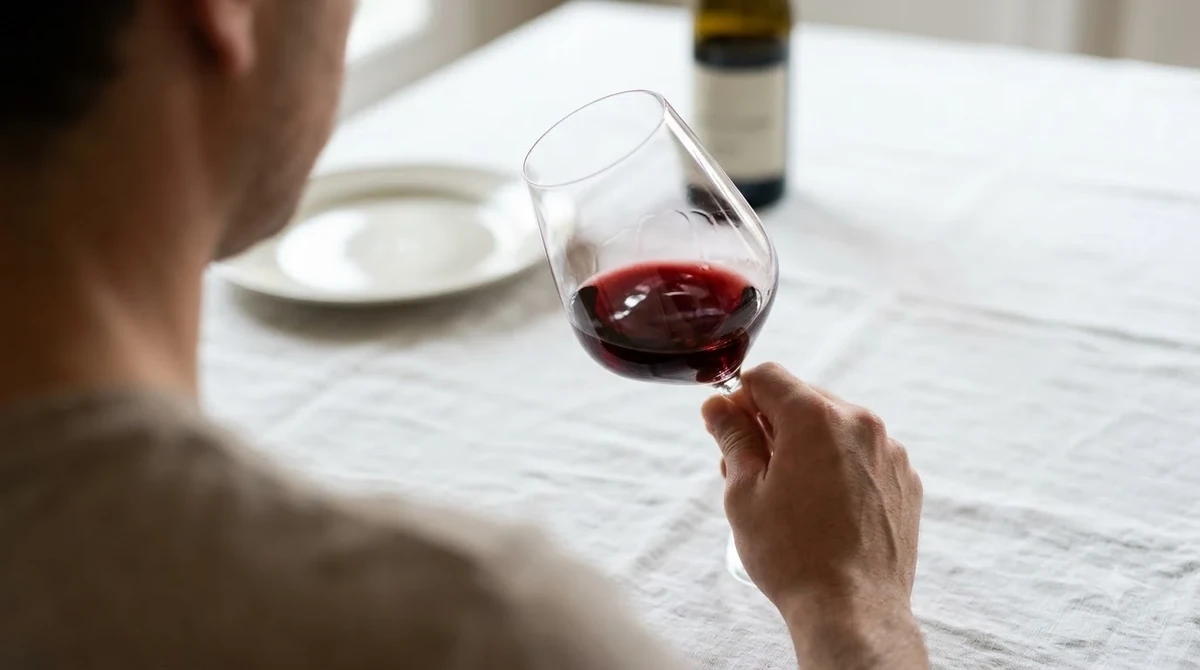
The lighter color is also worth a closer look. Freisa tends to show a paler, purple-tinged red rather than the inky shade of a Cabernet, so the glass can be misleading. Judge the wine by its aromas and its structure, and remember that a pale red can still have plenty of grip on the palate.
| Freisa style | What to expect |
|---|---|
| Traditional sweet and slightly sparkling | The historic style, noticeably sweet with a light fizz |
| Still dry | Structured red with tannin and acidity, showing fruit and floral notes |
| Fully sparkling | A bubbly red, often lighter and more playful |
| Freisa Nebbiolata | A specialty wine in a ripasso style, fermented on Nebbiolo skins left over from Barolo production |
The Main Styles and Where They Appear
Freisa is made in more styles than many drinkers realize. Traditionally it was a slightly sparkling and noticeably sweet red. Modern winemaking also produces still, fully sparkling, dry, and sweeter versions, so the label matters a great deal. Reading the word “secco” or “amabile” on an Italian label can tell you whether the wine is dry or sweet.
Freisa also appears in several blends. Under Piedmont’s DOC rules, it can be the main grape in a wine or one part of a larger blend. Names such as Albugnano and Malvasia di Castelnuovo Don Bosco allow smaller shares of Freisa, and Grignolino d’Asti and Grignolino del Monferrato Casalese also allow a small Freisa share. Those rules are a reminder that many Piedmont bottles are shaped by local tradition rather than a single grape. A concise overview of the grape, its regions, and its DOC names is available in the Freisa entry on Wikipedia, which is a useful starting point before you read producer notes.
Winemakers handle Freisa in different ways, and the results can look quite different on the bottle. A producer who keeps the wine still and dry will emphasize the tannin and the structure. A maker who chooses a lighter, fizzy approach will bring the fruit forward and keep the wine easy to drink with a meal. Neither choice is wrong, but the difference is why tasting more than one style of Freisa is so helpful.
Serving and Pairing Freisa
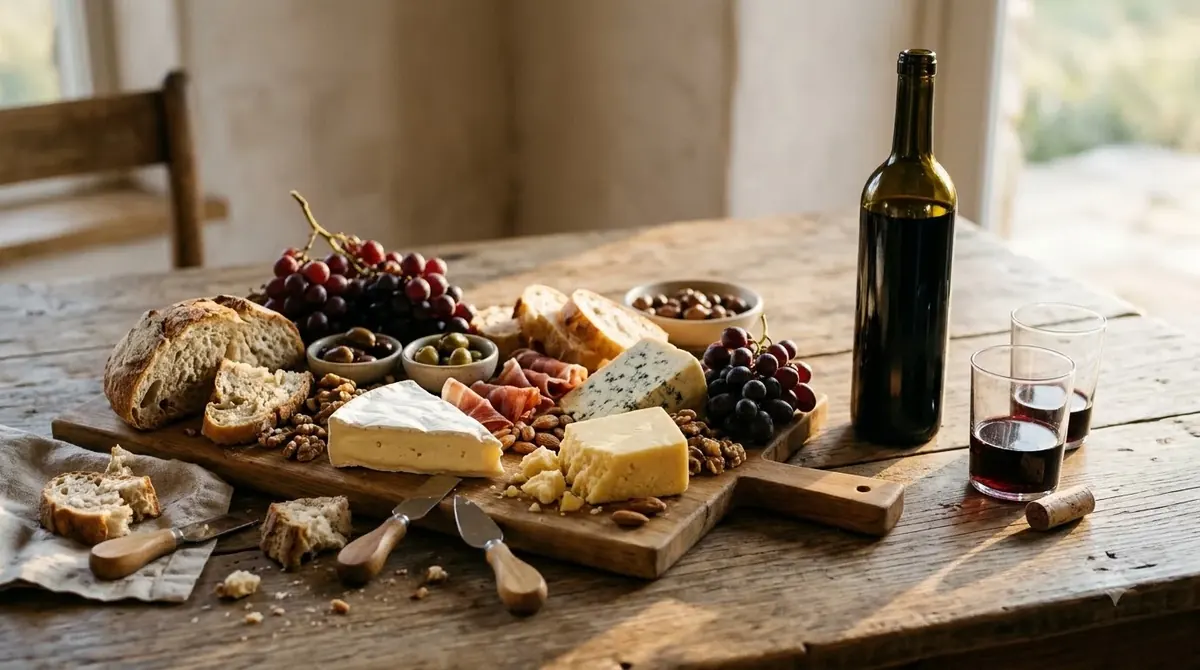
Because Freisa has real tannin and acidity, it works best with food that has enough fat and flavor to balance those edges. Rich pasta sauces, cured meats, and roast meats are natural partners. The sweeter traditional styles can also suit fruit desserts or a simple cake, where the wine’s fruit and effervescence add contrast.
For serving, a slightly cool temperature tends to show the fruit and freshness, rather than letting the tannin dominate. A medium glass that lets the aromas gather is a good choice. If a bottle tastes too firm on the first pour, give it some time in the glass, since the aromas often open as the wine warms slightly.
Tip: If you are new to Freisa, start with a sweet or sparkling style to see the fruit, then move to a dry bottle to taste the structure.
For a broader sense of how this grape fits in with other reds, the chambourcin grape page covers a very different red with its own fruit and acidity. If you prefer to compare Freisa with a crisp white that also has a strong regional identity, the cortese grape guide is a useful companion. For a wider look at how grape families and styles connect, the Wine by Type hub is a good place to continue.
Who Freisa Suits and Who Might Skip It
Freisa suits drinkers who enjoy fresh, fruity reds with a firm edge. It is a good match for people who like Italian food and want to explore beyond the most famous Piedmont bottles. It also suits readers who like to compare regional styles, since the same grape can taste very different depending on whether it is sweet, sparkling, or dry.
It may be less appealing if you want a soft, plush red from the first sip. The tannin and acidity are part of the wine’s character, and the critical split shows that not every taster will find it easy. In that case, try a sweeter, sparkling bottle first, then decide whether the dry style is worth exploring.
Frequently Asked Questions
Is Freisa a red or white grape?
Freisa is a red grape. It is grown mainly in Piedmont, Italy, and its wines range from sweet and lightly sparkling to dry and still.
Where does Freisa grow?
Freisa is grown mainly in the Monferrato and Langhe areas of Piedmont, with plantings in the Turin and Biella provinces and in the Asti and Pinerolese areas.
What does Freisa taste like?
Freisa is often described with strawberry, raspberry, and violet aromas. It has considerable tannin and acidity, so the wine feels fresh and structured rather than soft.
Is Freisa sweet?
It depends on the style. The traditional version is noticeably sweet and slightly sparkling, while modern winemakers also produce dry, still, and fully sparkling Freisa. Check the label for words such as secco or amabile.
Freisa is a grape that rewards curiosity. Its range of styles, from sweet and fizzy to dry and firm, means the bottle you choose will shape the experience. Start with the style that matches your taste, pour it with food that has some richness, and let the grape’s fruit and structure show what Piedmont has been making for generations.
More in Wine Types & Grapes
 Zinfandel Sugar Content: Dry Red vs. White Zinfandel GramsUpdated Nov 21, 2026
 Best Zinfandel Substitute Options for Sipping and CookingUpdated Nov 21, 2026
 Zweigelt Food Pairing: Best Dishes, Cheeses, and Serving TipsUpdated Nov 21, 2026
 Zinfandel Tannins Explained: How Structure Shapes Every BottleUpdated Nov 21, 2026
 Zinfandel Sweetness Level: Dry Red vs. Sweet White Zin ExplainedUpdated Nov 21, 2026
 Xinomavro Food Pairing: Best Dishes, Styles, and Serving TipsUpdated Nov 21, 2026