

We may earn a commission when you buy through links on this page, at no extra cost to you. Learn more.
Freisa wine is an aromatic red wine made from an ancient native grape of Italy’s Piedmont region that is genetically linked as a close relative—and likely parent—of Nebbiolo. Named after the Latin word for strawberry, it pairs bright raspberry, sour cherry, and violet aromas with brisk acidity and firm, mouth-drying tannins. Winemakers bottle it in several distinct styles, ranging from lightly sparkling and slightly sweet to dry, still, and barrel-aged.
Most wine drinkers know Piedmont for the prestigious, age-worthy reds of Barolo and Barbaresco, yet local cellars across northwest Italy also guard a long-standing tradition of indigenous grapes with vivid personalities. Freisa sits right at the center of that heritage, offering a lively, food-friendly alternative that bridges everyday refreshment and serious cellar structure. Exploring how it is grown, vinified, and served makes it much easier to pick the exact style you want at the dinner table.
What Freisa Wine Is
Freisa is an indigenous dark-skinned grape variety cultivated almost exclusively in Piedmont, where DNA profiling has confirmed a direct parent-offspring relationship with Nebbiolo. Ampelographers and Italian wine researchers widely regard Freisa as the likely parent variety, which explains why the two grapes share a pale ruby visual profile alongside assertive acidity and substantial tannins.
Its name derives from fresia, the old Piedmontese and Latin-rooted word for strawberry, a direct nod to the fresh red-berry perfume that rises from the glass. Historically, Freisa was one of the most widely planted grapes across the hills around Turin, Asti, and Monferrato before international varieties and commercial Nebbiolo expansions reduced total plantings to roughly 1,000 hectares. Despite that smaller footprint, dedicated estates have worked steadily to preserve old hillside parcels—including the famous Vigna della Regina vineyard overlooking Turin.
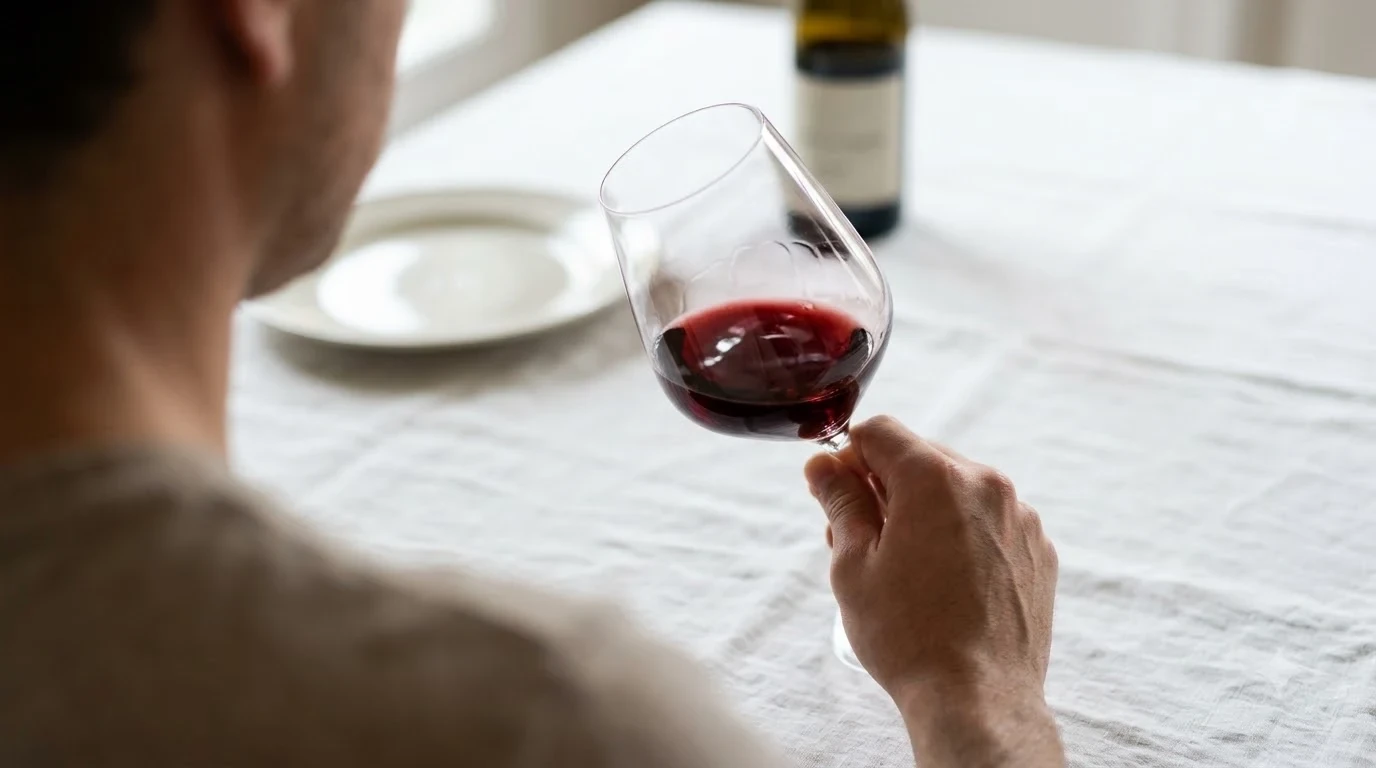
In the glass, Freisa shows a translucent ruby-garnet color that can deceive first-time drinkers into expecting a soft, lightweight pour. On the palate, however, it delivers crisp acidity, noticeable grip, and a gentle savory bitterness on the finish that keeps rich dishes feeling balanced. Among the broader Wine by Type categories, it occupies a compelling middle ground between fragrant, light-colored reds and structured, tannic wines built for the table.
Flavor Profile and Main Styles
A glass of Freisa typically opens with crushed wild strawberry, tart raspberry, red cherry, rose petal, and violet notes, often backed by white pepper, dried herbs, and a pleasant bitter-almond edge. Because the grape naturally packs high levels of both malic acidity and seed tannin, winemakers rely on different cellar choices to bring those elements into harmony.
Traditionally, Piedmontese cellars bottled Freisa as a vivace or frizzante red—lightly sparkling with a touch of residual sugar. Leaving a small amount of unfermented grape sugar and trapping gentle carbonation softens the grape’s natural astringency, creating a frothy, berry-scented pour that locals love with cured meats and afternoon snacks. In warmer months, this off-dry, lightly fizzy expression even appeals to fans of chilled red drinks like pinot noir sangria who want real vineyard character without mixing a cocktail.
Over the past few decades, a second wave of producers has focused on dry, still (fermo or secco) bottlings, as well as barrel-aged Superiore expressions. Using temperature-controlled fermentations, gentle skin maceration, and aging in neutral oak casks, winemakers tame the rustic tannins while highlighting floral complexity and dark spice. As reviewers at Decanter note, well-crafted dry Freisa captures much of Nebbiolo’s aromatic perfume and structural tension without demanding a decade in the cellar first.
| Style | Sweetness & Fizz | Typical Aging | Primary Tasting Notes |
|---|---|---|---|
| Freisa Vivace / Frizzante | Off-dry to slightly sweet, lightly sparkling | Bottled young in stainless steel | Fresh strawberry, raspberry, violet, brisk and frothy finish |
| Dry Still Freisa (Secco) | Fully dry, still | 6 to 12 months in steel or neutral oak | Sour cherry, cranberry, rose petal, white pepper, firm grip |
| Freisa Superiore | Fully dry, still | Minimum 1 year (often 6 months in barrel) | Macerated red berries, dried herbs, warm spice, supple tannins |
Where Freisa Grows
Almost all commercial Freisa comes from the rolling hills of Piedmont in northwestern Italy, where cooling Alpine breezes meet warm Mediterranean air currents. Within the region, the grape thrives across calcareous marl, clay, and sandy hillside soils in the Langhe, Monferrato, Asti, and the Collina Torinese hills just east of Turin.
Two dedicated Denominazione di Origine Controllata (DOC) appellations spotlight the grape directly: Freisa d’Asti DOC (established in 1972) and Freisa di Chieri DOC (established in 1973). Under Freisa d’Asti rules, Rosso, Superiore, and Spumante bottlings must be made from 100 percent Freisa, with Superiore requiring at least 11.5 percent ABV and a minimum of one year of aging. Freisa di Chieri requires at least 90 percent Freisa and mandates a full year of aging—including six months in wood—for its Superiore tier.
Beyond those two namesake zones, many of Piedmont’s most respected Barolo and Barbaresco estates bottle dry, still Freisa under the broader Langhe DOC, Monferrato DOC, or Piemonte DOC designations. Producers such as G.D. Vajra, Vietti, Giuseppe Mascarello, Brezza, Giacomo Fenocchio, and Cascina Gilli have helped bring renewed attention to the grape, treating prime south- and southeast-facing parcels with the same vineyard care usually reserved for Nebbiolo.
How to Serve Freisa Wine
Serving Freisa at the right temperature makes a noticeable difference in how its acidity, fruit, and tannins interact on the palate. Because styles vary from lightly fizzy and off-dry to structured and barrel-aged, adjusting the chill level by just a few degrees keeps the wine balanced.
Lightly sparkling, off-dry bottles of Freisa d’Asti or Freisa di Chieri taste brightest when served cool, around 50°F to 55°F (10°C to 13°C). A 30- to 40-minute chill in a standard refrigerator tightens the gentle spritz, sharpens the wild strawberry aromatics, and prevents any residual sweetness from feeling heavy. Pour these lively expressions into a standard tulip-shaped white or universal wine glass to capture the floral aromatics.
Dry, still Langhe Freisa and barrel-aged Superiore bottlings—which typically carry between 12.5 percent and 14 percent ABV—perform best at cellar temperature, around 58°F to 64°F (14°C to 18°C). Serving a dry Freisa too cold can emphasize its astringent tannins and muted bitterness, while serving it in a warm 72°F room lets the alcohol overshadow its delicate rose and berry perfume. Giving a young dry bottle 20 to 30 minutes of air in a decanter or wide-bowled Burgundy glass helps soften its youthful grip.
Tip: If you are opening an unfamiliar bottle of Freisa, check the back label for the words vivace or frizzante—those signal a lightly sparkling style that benefits from a pre-dinner chill in the fridge, whereas secco or Superiore indicates a dry, structured red meant for cellar temperature.
Food Pairing Ideas
Freisa’s combination of high natural acidity, firm tannin, and red-berry brightness makes it one of Piedmont’s most dependable table companions. In regional cuisine, local cooks lean on Freisa’s tart edge to slice through rich fats, cured pork, and egg-enriched pasta doughs.
For lightly sparkling, off-dry bottles, start with an antipasto board loaded with salumi, prosciutto, mortadella, and medium-aged cow’s or sheep’s milk cheeses. The subtle sweetness and gentle bubbles cleanse the palate between salty, fatty bites, and they also handle mild chili heat or sweet-savory glazes on grilled sausages and pork ribs remarkably well.
Dry, still Freisa shines alongside classic northern Italian main courses. According to wine guides at Wine Enthusiast, dry expressions have the structure to stand up to salumi, rich meat sauces, and hearty dishes without feeling heavy. Try pairing a Langhe Freisa or Freisa d’Asti Superiore with traditional agnolotti del plin tossed in roast meat juices, braised veal shanks (osso buco), mushroom risotto, or herb-crusted roast pork tenderloin.
How to Choose a Bottle
Shopping for Freisa becomes straightforward once you know how to read three key clues on an Italian label: the appellation name, the style descriptor, and the vintage date. Because producers make the grape in contrasting ways, matching those cues to your meal prevents any surprises when you pull the cork.
First, look at the DOC listed on the front label. Bottles labeled Langhe DOC Freisa are almost always fermented completely dry and still, often made by respected Barolo producers who vinify Freisa with serious precision. Bottles labeled Freisa d’Asti DOC or Freisa di Chieri DOC may be either dry or lightly sparkling and off-dry, so turn the bottle around to check the back-label tasting notes or alcohol percentage—an ABV around 11.5 to 12.5 percent often points toward a lighter, slightly off-dry style, while 13 to 14 percent usually signals a dry, full-bodied red.
Second, pay attention to age and sweetness preferences. Young, lightly sparkling Freisa is meant to be enjoyed fresh within one to two years of the harvest while its wild strawberry aromas are at their peak. Structured dry bottles from top Langhe vineyards can drink well upon release and evolve gracefully for four to eight years—or even a decade in top vintages—developing savory leather, dried rose, and spice notes that recall aged Nebbiolo. If you are browsing for an ultra-sweet, raisined dessert red instead, a passito style like recioto wine will suit you far better than Freisa.
Frequently Asked Questions
Is Freisa wine sweet or dry?
Freisa wine is made in both dry and off-dry styles depending on the producer and appellation. Traditional bottles from Freisa d’Asti and Freisa di Chieri often retain a touch of residual sugar and a light spritz to balance the grape’s firm tannins, while most Langhe DOC bottlings are fermented completely dry and still.
What grape is Freisa related to?
DNA research has proven that Freisa is a direct genetic relative—and likely the parent variety—of Nebbiolo, the famous grape behind Barolo and Barbaresco. Because of this close family link, both grapes share a translucent ruby color, high natural acidity, floral aromatics, and pronounced tannins.
How does Freisa compare to Pinot Noir?
While both wines look pale ruby in the glass and show bright red-berry aromas, Freisa has noticeably firmer, more astringent tannins and higher acidity than typical Pinot Noir. Drinkers tracking nutritional macros will find that dry Freisa has minimal residual sugar, similar to the low carb counts outlined in our pinot noir carbs breakdown, though off-dry vivace versions contain slightly more sugar.
Can you age Freisa wine?
Lightly sparkling, off-dry Freisa is crafted for early drinking and tastes best within one to three years of harvest. However, structured, dry Langhe Freisa and barrel-aged Superiore bottlings have the acidity and tannin backbone to age comfortably for five to ten years, gaining complex notes of dried roses, leather, and spice.
Whether you uncork a chilled, lightly frothy bottle for a casual charcuterie spread or decant a dry, barrel-aged Langhe expression for Sunday dinner, Freisa rewards curious wine drinkers with unmistakable Piedmontese character. Its bright strawberry perfume, crisp acidity, and honest structural grip offer a refreshing look at northern Italy’s native winemaking roots.
More in Wine Types & Grapes
 Zinfandel Sugar Content: Dry Red vs. White Zinfandel GramsUpdated Nov 21, 2026
 Best Zinfandel Substitute Options for Sipping and CookingUpdated Nov 21, 2026
 Zweigelt Food Pairing: Best Dishes, Cheeses, and Serving TipsUpdated Nov 21, 2026
 Zinfandel Tannins Explained: How Structure Shapes Every BottleUpdated Nov 21, 2026
 Zinfandel Sweetness Level: Dry Red vs. Sweet White Zin ExplainedUpdated Nov 21, 2026
 Xinomavro Food Pairing: Best Dishes, Styles, and Serving TipsUpdated Nov 21, 2026