

We may earn a commission when you buy through links on this page, at no extra cost to you. Learn more.
Franschhoek wine tasting offers visitors the chance to explore distinctive South African wines at historic estates, mountain-framed vineyards, and welcoming cellar doors in the Cape Winelands. The valley is particularly interesting for Chardonnay, Cabernet Sauvignon, Shiraz, Sauvignon Blanc, and bottle-fermented Méthode Cap Classique sparkling wines. Visitors can combine guided tastings, food pairings, estate restaurants, and scenic transport to create a relaxed day or a longer wine-country getaway.
Located in the Western Cape of South Africa, Franschhoek brings together French Huguenot heritage, varied vineyard conditions, and a strong food culture. Its wine estates range from intimate boutique cellars to larger hospitality destinations with restaurants, gardens, and cellar experiences. A little planning makes it easier to discover the valley’s different wine styles without rushing through every tasting room.
Why Franschhoek Is a Distinctive Wine Region
Franschhoek stands out because its winemaking heritage, mountain-influenced landscape, and diverse grape varieties come together within a relatively compact valley. Visitors can explore centuries of wine history while comparing contemporary South African interpretations of familiar international grapes.
French Huguenot settlers arrived in the valley in 1688, bringing agricultural knowledge and winemaking traditions from Europe. Their influence remains part of Franschhoek’s identity, particularly in its historic farms, place names, architecture, and food culture. Wine production subsequently developed into an important part of the region’s agricultural character.
The surrounding mountains help create different growing conditions across the valley. Elevation, vineyard exposure, airflow, and differences in soil composition influence how individual grape varieties develop. Sandy loam, clay, and gravel occur among the area’s soil types, giving winemakers different conditions for managing vine growth and fruit ripening.
The Mediterranean climate features warm, relatively dry summers and cooler, wetter winters. Seasonal changes are important to vineyard management, particularly during flowering, fruit development, harvest, and winter dormancy. Mountain surroundings also contribute to differences between vineyard locations, making it possible to find contrasting expressions of the same grape variety within the broader region.
For visitors, this diversity means a tasting itinerary does not need to focus exclusively on one type of wine. A morning flight of fresh white wines can be followed by a sparkling wine experience and an afternoon tasting of structured reds. Comparing these styles helps explain why Franschhoek attracts both wine enthusiasts and travelers interested in South African culture.
The valley also has an established connection between food and wine. Its regional food route includes wineries, cheese producers, restaurants, olive-oil experiences, and culinary activities. Visitors interested in other distinctive wine destinations can also explore Wine Regions to understand how geography influences the character of wines around the world.
Grape Varieties and Wine Styles to Explore
Franschhoek offers a broad selection of red, white, and sparkling wines. Chardonnay, Sauvignon Blanc, Cabernet Sauvignon, Shiraz, and Pinot Noir provide an excellent starting point for understanding the valley’s range of styles.
Chardonnay deserves particular attention because it can express several different winemaking approaches. Unoaked examples often emphasize fresh citrus, apple, and mineral characteristics, while wines matured in oak can develop creamier textures and flavors associated with vanilla, toast, and ripe stone fruit. Comparing two versions at separate estates can reveal how harvesting decisions and cellar techniques affect the finished wine.
Sauvignon Blanc is another useful variety to seek out. Its naturally high acidity makes it refreshing, particularly when served chilled at approximately 45–50°F. Typical aromas can include lime, grapefruit, green apple, and tropical fruit. It works especially well with fresh seafood, goat cheese, and herb-driven dishes.
Red-wine enthusiasts should compare Cabernet Sauvignon and Shiraz. Cabernet Sauvignon generally has high tannin, firm structure, and dark-fruit characteristics. Shiraz, also known as Syrah, can offer blackberry, plum, pepper, and savory notes, with tannin levels ranging from medium-plus to high depending on the wine.
Pinot Noir offers a different experience. Its generally low-to-medium tannin and relatively high acidity make it a useful contrast to fuller-bodied reds. Cooler vineyard locations can help retain freshness and produce wines with red-cherry, raspberry, and earthy characteristics.
Cap Classique is essential to a complete Franschhoek tasting itinerary. This South African traditional-method sparkling wine undergoes its secondary fermentation in the bottle, the same broad production approach used for Champagne. Producers such as Haute Cabrière, Colmant, and Le Lude offer visitors opportunities to explore this important category.
The following table summarizes useful starting points when choosing wines at tasting rooms.
| Wine style | Typical characteristics | Serving temperature | Food pairing |
|---|---|---|---|
| Chardonnay | Apple, citrus, stone fruit, possible oak richness | 50–55°F | Roast chicken, creamy seafood |
| Sauvignon Blanc | Citrus, green apple, herbal freshness | 45–50°F | Goat cheese, oysters, grilled fish |
| Pinot Noir | Red berries, earthy notes, moderate tannin | 55–60°F | Duck, mushrooms, roast poultry |
| Cabernet Sauvignon | Dark fruit, firm structure, high tannin | 60–65°F | Grilled beef, lamb, aged cheese |
| Shiraz | Blackberry, plum, pepper, substantial structure | 60–65°F | Barbecue, lamb, savory stews |
| Cap Classique | Fine bubbles, citrus, apple, possible brioche notes | 40–50°F | Oysters, seafood, salty appetizers |
These temperatures are useful starting points rather than rigid rules. Serving white wines too cold can conceal their aromas, while excessively warm red wines can emphasize alcohol and make their structure seem heavier. A tasting room will generally serve its wines at an appropriate temperature, but visitors can use these ranges when enjoying purchased bottles later.
Notable Franschhoek Estates and Tasting Experiences
Choosing estates with different specialties creates a more informative visit than tasting similar wines repeatedly. Franschhoek has historic farms, boutique producers, sparkling wine specialists, and larger destinations with food and cultural attractions.
La Motte Wine Estate
La Motte is a useful destination for visitors who want wine tasting alongside other cultural and culinary activities. The estate combines a tasting room with a brasserie, bakery, farm shop, and art-focused spaces. Its location on the R45 makes it a convenient consideration when planning a day around the main valley.
Its broad visitor offering makes La Motte particularly suitable for travelers who are not interested in spending the entire day moving between tasting counters. A visit can include time for lunch, a look at the estate’s artistic spaces, and a more relaxed exploration of its wines.
Haute Cabrière and Le Lude
Haute Cabrière is a recognizable name for visitors interested in Cap Classique and sparkling wine. It provides an opportunity to compare South African traditional-method sparkling wines with the still wines that also contribute to the valley’s reputation.
Le Lude is another important destination for sparkling wine enthusiasts. The family winery specializes in bottle-fermented Cap Classique, making it a particularly relevant stop for visitors who want to understand the traditional-method production process. Colmant is another producer to consider when building a sparkling-focused itinerary.
Leopard’s Leap Family Vineyards
Leopard’s Leap combines wine tasting with South African food experiences. Its visitor offering includes opportunities to explore local culinary traditions alongside wines, making it a strong option for travelers who want a more food-focused introduction to the region.
For visitors traveling with companions who have different levels of wine knowledge, this combination can make the visit more engaging. The experience offers context beyond grape varieties, including the relationship between regional cuisine and South African wine culture.
Babylonstoren
Babylonstoren is known for its distinctive estate setting and views of Babylonstoren Hill, Simonsberg, and the Banghoek Mountains. Its tasting room provides a scenic environment in which to explore the estate’s wines and enjoy the surrounding landscape.
The tasting room operates on a first-come, first-served basis according to the regional winery information. Published seasonal hours are 10 a.m. to 6 p.m. during summer and 10 a.m. to 5 p.m. during winter. Visitors should allow time to enjoy the wider estate rather than treating the tasting as a brief stop.
Rickety Bridge and Grande Provence
Rickety Bridge is situated between Dassenberg Mountain and the Franschhoek River. Its wine estate has operated since 1797, giving it a particularly interesting connection to the area’s agricultural history. Visitors interested in comparing traditional estate settings with contemporary wine experiences may find it a worthwhile addition.
Grande Provence Heritage Wine Estate has wine heritage dating to 1694 and combines wine production with culinary and hospitality experiences. Its tasting opportunities provide another way to compare estate wines within the region’s broader historical setting.
Other names worth researching include Mont Rochelle, Noble Hill, Rupert & Rothschild Vignerons, La Bri, and Paserene. Mont Rochelle is particularly interesting for visitors who want to compare several grape varieties grown at different vineyard elevations. Its vineyards occupy elevations between 250 and 400 meters, providing different microclimates within the estate.
Tip: Select three or four estates with different specialties rather than visiting as many tasting rooms as possible. For example, combine a traditional-method sparkling wine producer, a Chardonnay-focused tasting, and a red-wine estate with a relaxed lunch.
Planning a Franschhoek Wine Tasting Itinerary
A successful Franschhoek itinerary balances tasting time, travel, food, and sightseeing. Three or four estate visits with a substantial lunch usually provide a more enjoyable experience than trying to fit six or seven tastings into a single day.
Start by deciding which wine styles interest you most. A visitor who enjoys sparkling wine might begin at Haute Cabrière or Le Lude, while someone interested in Cabernet Sauvignon and Shiraz could prioritize estates with broader red-wine selections. Food-focused travelers may prefer La Motte or Leopard’s Leap.
It also helps to consider geography. Some estates are near Franschhoek village, while others are farther along the surrounding routes. Grouping nearby destinations reduces unnecessary travel and provides more time for tasting.
A sample full-day schedule
The following itinerary is a planning example rather than a fixed tour timetable. Travel and tasting durations will vary according to the estates selected, the day of the week, and whether visitors have booked special experiences.
| Time | Activity | Suggested focus |
|---|---|---|
| 9:30 a.m. | First estate visit | Chardonnay and Sauvignon Blanc |
| 11:00 a.m. | Second estate visit | Cap Classique sparkling wine |
| 12:30 p.m. | Lunch | South African cuisine and regional wine |
| 2:00 p.m. | Third estate visit | Cabernet Sauvignon and Shiraz |
| 3:30 p.m. | Optional fourth stop | Pinot Noir or a premium tasting |
| 5:00 p.m. | Return to accommodation | Allow time for transport |
This schedule leaves room for meaningful conversations with tasting-room staff. Instead of simply identifying favorite wines, ask about vineyard location, harvest conditions, oak maturation, and how the producer approaches different grape varieties. These details often make the differences between two seemingly similar wines easier to understand.
Booking and tasting reservations
Many Franschhoek estates accept walk-in visitors, but availability varies by producer and experience. Standard tastings may be easier to arrange than private cellar tours, premium flights, or food-pairing sessions. Weekends, public holidays, and popular travel periods are particularly important times to plan ahead.
Before setting off, confirm the opening hours, tasting format, booking requirements, and approximate duration of each visit. A standard tasting may take less time than a seated premium experience. Special pairings can require additional preparation and dedicated seating.
Visitors interested in other regional tasting traditions can compare the experience with Alsace wine tasting or Bolgheri wine tasting. These destinations offer useful contrasts in grape varieties, regional food, and European wine traditions.
Transport, Seasonal Timing, and Practical Visitor Advice
Transport is one of the most important decisions when organizing a Franschhoek wine day. The valley has several ways to reach estates, including the Wine Tram, private drivers, organized tours, and independent travel arrangements.
The Franschhoek Wine Tram
The Franschhoek Wine Tram combines a double-decker tram with open-air tram-buses to connect participating wine estates along loop routes. It is an attractive option for visitors who want to explore several wineries without personally driving between tasting rooms.
Its hop-on, hop-off format makes it possible to spend different amounts of time at individual estates. However, the tram should not be treated as an unrestricted transport service. Each route has its own stops and timetable, and the amount of time available at a winery depends on the departure schedule.
Check the route map before selecting estates. Confirm which stops operate on your chosen day, how frequently the tram-bus services run, and when the final return service leaves. The official Franschhoek Food and Wine Route also provides useful information about the wider regional experience, including culinary activities and participating destinations.
Private drivers and organized tours
A private driver provides greater flexibility for visitors who want to select estates outside the tram network or combine wine tasting with a restaurant reservation. Organized tours from Cape Town can also simplify transportation for travelers staying outside the valley.
Independent visitors who rent a vehicle should designate a non-drinking driver. Wine tasting involves alcohol even when individual pours are small, and visitors should not assume that a few tasting-room samples make driving appropriate.
Choosing the right season
Franschhoek is a year-round destination, but the atmosphere changes with the seasons. February through April is associated with harvest activity and attractive vineyard landscapes. Visitors during this period may encounter a particularly active agricultural environment, although harvest dates and conditions vary with weather and vintage.
June through August brings cooler winter weather and a different atmosphere. This can be a pleasant time for tasting fuller-bodied reds indoors and enjoying longer restaurant meals. Winter rain and shorter daylight hours make it sensible to confirm travel arrangements and estate opening times before departure.
Spring and early summer offer another attractive balance. Vineyard growth becomes more visible, the weather is generally more suitable for outdoor dining, and visitors can enjoy the mountain scenery without making harvest activity the main focus of the trip.
What to bring
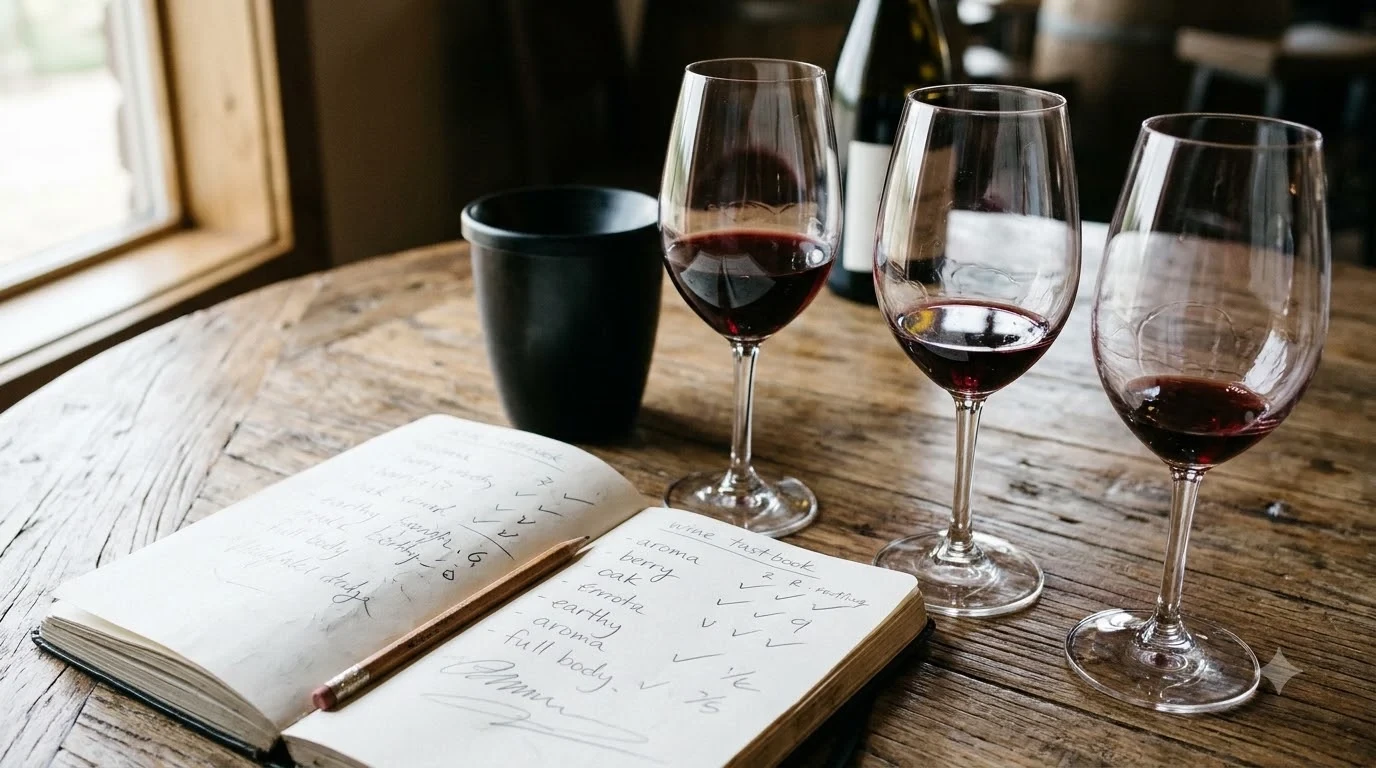
Comfortable shoes are useful because some estates have gardens, uneven paths, and outdoor visitor areas. Bring a light jacket for changing mountain weather, sunglasses for sunny vineyard visits, and a notebook or phone for recording favorite producers and grape varieties.
For international visitors, it is also useful to understand the local terminology. South African Cap Classique refers to traditional-method sparkling wine, while MCC is a common abbreviation. Wines labeled Shiraz and Syrah refer to the same grape variety, although individual producers may use the names to communicate different stylistic approaches.
How to Taste, Compare, and Pair Franschhoek Wines
A little tasting technique makes a winery visit more rewarding. Comparing appearance, aromas, acidity, body, tannin, and finish helps visitors understand why wines made from different grapes or vineyard sites taste distinct.
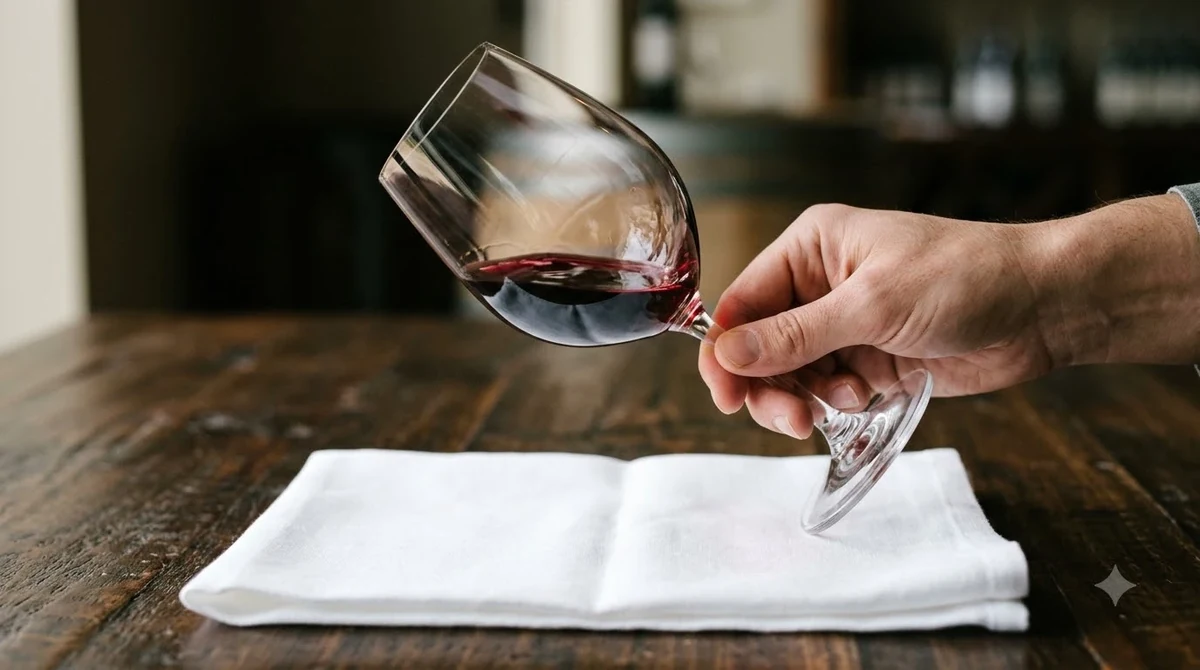
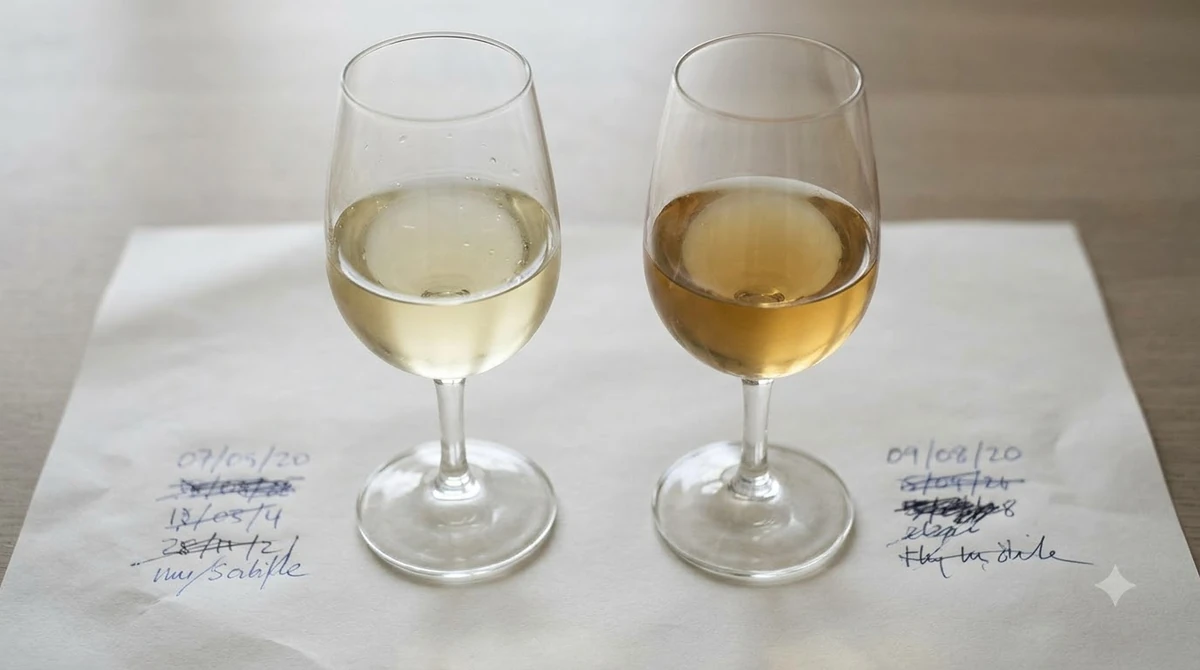
Begin by observing the wine’s color and clarity. White wines can range from pale lemon to deeper gold, while red wines vary from translucent ruby to deep purple. Color can offer clues about grape variety, age, and winemaking, although it does not establish quality on its own.
Next, smell the wine before tasting. Try to identify broad aroma categories such as citrus, orchard fruit, red berries, black fruit, herbs, spices, and oak-related notes. There is no need to identify every individual aroma. Recognizing whether a Sauvignon Blanc smells more citrus-driven or tropical is already useful information.
On the palate, pay attention to acidity, tannin, sweetness, body, and alcohol. Sauvignon Blanc and Riesling generally have high acidity, while Chardonnay usually has medium acidity. Cabernet Sauvignon is known for high tannin, Merlot generally has softer, medium tannin, and Pinot Noir usually has lower-to-medium tannin.
These differences become particularly noticeable when tasting several wines consecutively. A high-tannin Cabernet Sauvignon can feel firm and drying, while a Pinot Noir from a cooler location may seem lighter and more refreshing. Shiraz can provide a middle ground in terms of body and structure, depending on the producer’s style.
Pairing wine with local food
Franschhoek’s food culture makes wine pairing an important part of the visitor experience. Local restaurants and estate kitchens provide opportunities to compare wine with cheese, meat, seafood, vegetables, and regional dishes.
For white wines, Sauvignon Blanc works well with fresh seafood, goat cheese, salads, and dishes containing lemon or herbs. Chardonnay can complement roast chicken, creamy sauces, and richer fish preparations. Cap Classique is particularly versatile with oysters, fried appetizers, and salty snacks because its acidity and bubbles help refresh the palate.
For red wines, Cabernet Sauvignon is a natural partner for grilled beef and lamb. Salt and fat soften the perception of tannin, making structured reds more approachable alongside richer foods. Merlot can work with roast poultry, mushrooms, and moderately rich meat dishes.
Shiraz is well suited to grilled meats, barbecue, and savory dishes featuring pepper or herbs. Pinot Noir can complement duck, roast chicken, and mushroom-based dishes without overwhelming their flavors.
Two pairing principles are especially important. First, wine should generally be at least as sweet as the dessert served alongside it; otherwise, the wine can taste sour or thin. Second, acidic dishes need wines with equal or higher acidity to prevent the wine from seeming flat.
Spicy food requires more care. Alcohol and tannin can amplify chili heat, so high-alcohol Cabernet Sauvignon or structured Shiraz may be less comfortable alongside intensely spicy dishes. A fresher, lower-alcohol white or a slightly off-dry wine can provide a more balanced match.
Visitors who enjoy the combination of wine and food should consider choosing at least one estate experience that includes a structured pairing rather than relying exclusively on standard tasting flights. The opportunity to taste several wines with carefully selected foods provides a practical understanding of how acidity, sweetness, tannin, and texture interact.
Frequently Asked Questions
What does Franschhoek mean?
Franschhoek is an Afrikaans name commonly translated as French Corner. The name reflects the area’s connection to French Huguenot settlers who arrived in the late seventeenth century. Their historical presence remains visible in local place names and cultural traditions.
Is Franschhoek part of Stellenbosch?
No. Franschhoek and Stellenbosch are distinct wine destinations within South Africa’s Western Cape and Cape Winelands. They are close enough to combine in a longer wine-country trip, but each has its own vineyard geography, estate identities, and wine-tourism experiences.
What is the difference between Cap Classique and Prosecco?
Cap Classique is made using secondary fermentation in the bottle, while Prosecco is generally produced using the tank method. Prosecco is primarily made from Glera grapes and commonly has an alcohol level around 11–12% ABV. The different production methods influence the texture and character of the resulting sparkling wines.
How much wine is normally poured during a tasting?
A standard wine-tasting sample is often smaller than a restaurant serving, and the actual quantity varies by estate and tasting format. A typical full wine serving is 5 ounces, with a standard 750-milliliter bottle providing approximately five such glasses. Visitors can ask the tasting-room host about the number and size of pours included in a flight.
Can visitors buy Franschhoek wines to take home?
Many participating estates have wine-sales facilities, allowing visitors to purchase bottles after a tasting. International travelers should investigate airline baggage restrictions, customs allowances, and destination-country alcohol import rules before buying wine for the journey home. Some producers may also provide shipping arrangements, depending on the destination.
Franschhoek offers a rewarding combination of historic wine estates, distinctive grape varieties, traditional-method sparkling wines, and excellent food experiences. Plan a manageable itinerary, choose producers with contrasting styles, and leave enough time to enjoy the valley’s scenery and hospitality. Whether you visit for a single afternoon or several days, the best experience comes from taking time to understand the wines and the places that produce them.
More in Wine Regions
 Willcox Wine Trail: Discover Arizona’s High-Elevation Wine CountryUpdated Nov 20, 2026
 Yakima Valley Wine Region: Find the Best Styles to TryUpdated Nov 20, 2026
 Vosne Romanee Wine Tasting: Identify Aromas and Choose Better PairingsUpdated Nov 20, 2026
 Yakima Valley Wine Festival: Find the Best Seasonal Wine EventsUpdated Nov 20, 2026
 Wales Vineyards: Discover Cool-Climate Wines and Where to VisitUpdated Nov 20, 2026
 Yountville Wine Festival: Discover Napa Wines and Local FoodUpdated Nov 20, 2026