

We may earn a commission when you buy through links on this page, at no extra cost to you. Learn more.
Fox Run wine comes from Fox Run Vineyards, a winery in Penn Yan, New York, on the shore of Seneca Lake in the Finger Lakes region. The winery describes its wines as cool-climate wines true to the Finger Lakes, and it is best known for Riesling, with Cabernet Franc and other varieties in the range. If you are looking for a crisp white or a lighter red from upstate New York, Fox Run is one of the names to start with.
This guide explains where Fox Run wine comes from, what the region does to the grapes, which styles the winery highlights, and how to serve and pair them. The facts come from the winery’s own website and from reference material on the Finger Lakes, so you can decide whether the wines suit your taste before you buy.
What Fox Run Wine Is
Fox Run Vineyards is a winery at 670 State Route 14 in Penn Yan, New York, on Seneca Lake. The winery’s website says it has put down roots in the Finger Lakes for decades, and it presents the brand as a local producer rather than a large national label. That local focus is the main reason the wines show a clear sense of place, because each bottle reflects the lake, the soils and the cool growing season of the region.
Buyers who search for fox run wine are often trying to answer two questions: which bottle to pick, and whether the style fits the meal or occasion. The sections below cover the region, the main styles, the taste profile and the best serving choices, so you can make that decision with confidence.
Why the Finger Lakes Shapes the Wine
The Finger Lakes American Viticultural Area was established in 1982 and lies in upstate New York, roughly 25 miles south of Lake Ontario. Reference material on the region notes that the lakes moderate winter temperatures and delay spring bud-break and autumn frost, a lake effect that makes the area suitable for wine even though the climate can otherwise be too cold for grapes. Most vineyards sit close to Canandaigua, Keuka, Seneca and Cayuga Lakes.
Seneca Lake, where Fox Run sits, is one of the lakes whose shoreline vineyards benefit from this moderating effect. A cool growing season tends to keep acidity high, which is one reason cool-climate whites from the region are known for crispness. For a buyer, this is the key idea: the lake protects the vines in winter, but the cool season keeps the wines lively.
The Main Styles from Fox Run
Fox Run highlights Riesling on its website, including a dry style that reviewers describe as having notes of lemon zest, tree fruit and a mineral edge. The site also shows Cabernet Franc, a red variety that does well in cool sites and gives a lighter, herbal red than many warmer-region Cabernets. Those two varieties give a good picture of the range, with the whites showing brightness and the reds showing structure without heavy weight.
The table below summarises the main styles based on the winery’s descriptions and on general knowledge of the grapes. Check the label of any specific vintage, because sweetness levels and blends change over time.
| Style | Typical character | Serving temperature | Best use |
|---|---|---|---|
| Dry Riesling | Crisp, citrus and orchard fruit, minerality | Well chilled | Seafood, salads, light poultry |
| Cabernet Franc | Red fruit, herbal notes, medium body | Slightly cool, not cold | Roast chicken, pork, tomato dishes |
| Other varieties | Depends on the vintage and the bottle | Follow the label | Check the label for food advice |
How Fox Run Wines Taste
The winery’s website describes its wines as crisp, refreshing and true to the Finger Lakes, and that is a fair summary of the house style. The dry Riesling is the clearest example: bright acidity, citrus zest and a dry finish that makes it easy to match with food. The winery’s own description of its dry Riesling, relayed by reviewers, points to citrus, orchard fruit and minerality, which fits that cool-climate profile.
The reds are lighter and more herbal than the big Napa or Bordeaux styles. Cabernet Franc from a cool site can show raspberry, pepper and a fresh structure rather than heavy tannin. Buyers who usually prefer bold reds may find these wines more restrained, while fans of crisp whites will recognise the same clean, lively character in the Riesling.
How to Serve and Pair Fox Run Wine
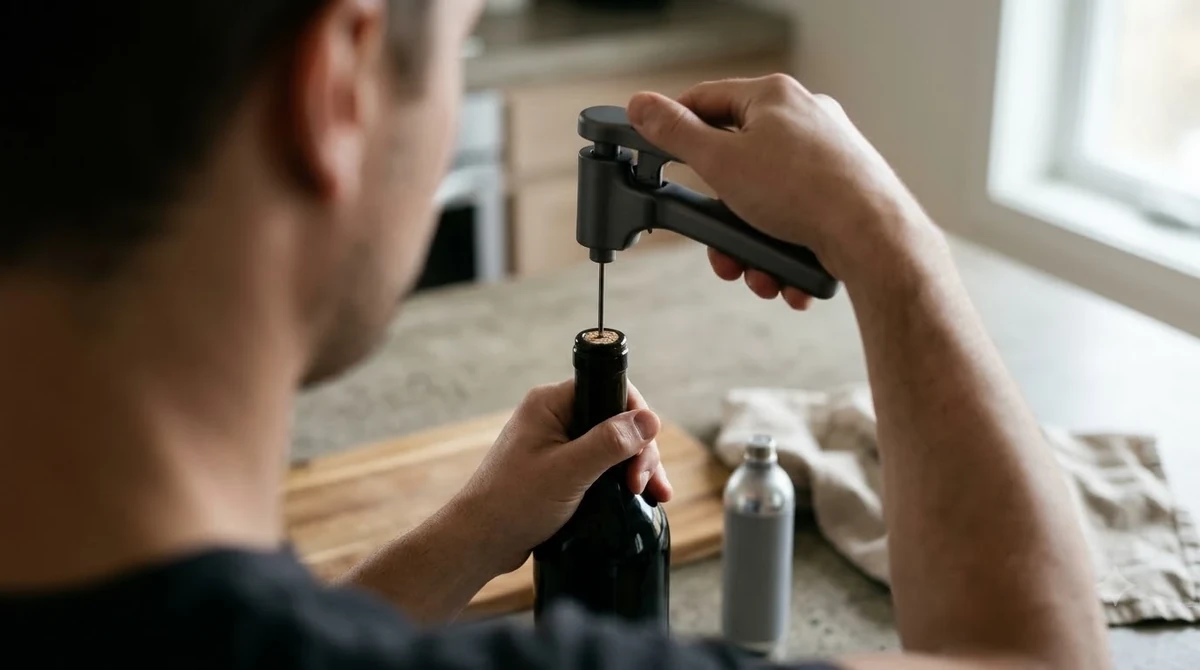
Serve the Riesling well chilled but not ice cold, because the aromas open up as the wine warms slightly. The Cabernet Franc works best slightly cool rather than at full room temperature. Open a bottle a little before the meal, so the wine has time to open in the glass.
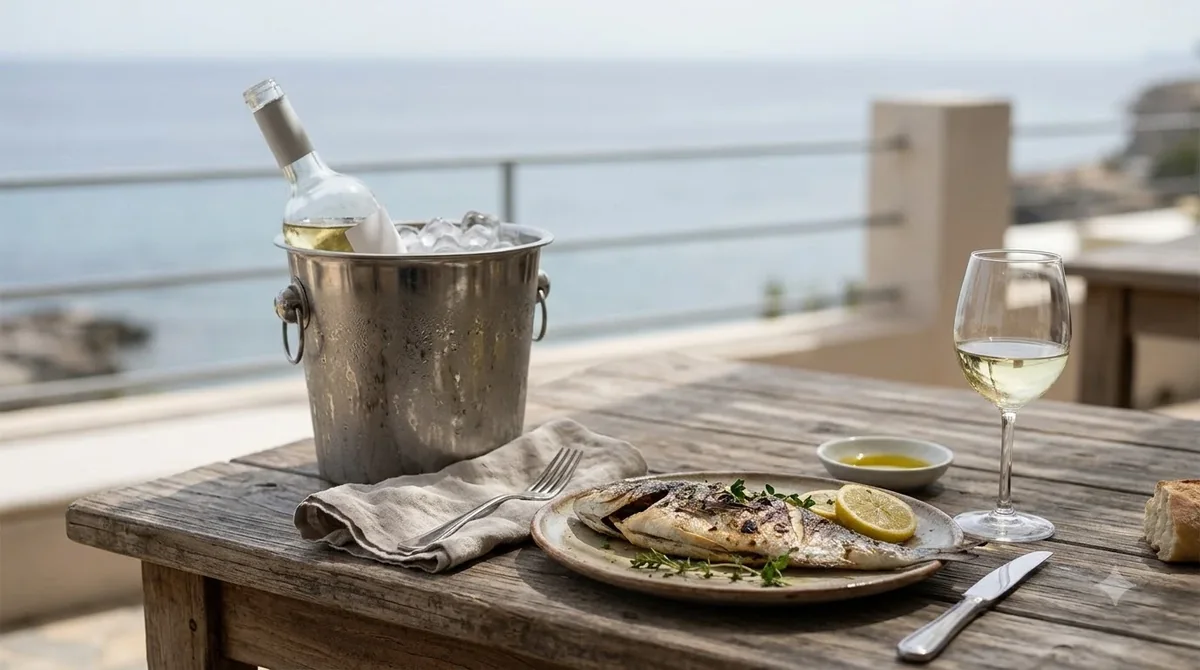
Dry Riesling is a strong partner for seafood, especially grilled fish, shellfish and light sauces with lemon or herbs. It also suits salads with goat cheese and fresh herbs, and mildly spiced Asian dishes where a sweeter wine might be too heavy. Cabernet Franc matches roast chicken, pork chops and tomato-based pasta, and its herbal note pairs well with dishes that use fresh basil or thyme.
Tip: If you are buying for a mixed table, pair one white and one red so guests can compare how the Finger Lakes climate shows up in each style.
Who Fox Run Wine Suits and Who Might Skip It
Fox Run suits people who enjoy crisp whites, fresh food and wines that do not overpower a meal. It is also a practical choice for visitors to the Finger Lakes who want to take a local bottle home. Drinkers who expect a rich, oaky, full-bodied red may find the Cabernet Franc too light, and those who prefer very sweet wines should check the sweetness level on the label before buying.
Riesling is also the grape that makes the region well known outside New York. Reference material notes that Finger Lakes Riesling is often compared to German wines from the Rhine, so buyers who already enjoy German whites will probably find a familiar, clean style here. Fox Run’s dry bottling is a good test of that comparison.
If you are comparing Fox Run with other upstate or cool-climate producers, the wine brands guide is a useful place to see how different producers are grouped. If you are looking for a sweeter, fruit-led wine instead of a dry one, our guide to stella rosa red covers a very different style that may suit a dessert table better.
Whichever bottle you choose, ask the shop or the winery which vintage is current. Young whites from a cool region are best within a few years of release, so a recent bottle usually tastes brightest. A simple side-by-side tasting of the Riesling with a second Finger Lakes Riesling will also show you how much a producer’s style matters.
Frequently Asked Questions
Where is Fox Run Vineyards located?
Fox Run Vineyards is at 670 State Route 14 in Penn Yan, New York, on the shore of Seneca Lake in the Finger Lakes region.
What is Fox Run best known for?
The winery highlights Riesling, including a dry style, and also offers Cabernet Franc. Its website describes the wines as cool-climate wines true to the Finger Lakes.
Is Fox Run wine sweet or dry?
Styles vary by bottle. The dry Riesling is crisp with a dry finish, while the Cabernet Franc is a dry red. Check the back label for the sweetness level of the specific wine you are buying.
What food goes with Fox Run Riesling?
Dry Riesling suits seafood, salads with fresh herbs and lightly spiced dishes. Its acidity helps cut through rich or fried foods, so it is a flexible choice for a casual meal.
Fox Run is a useful introduction to the Finger Lakes, because its crisp whites and lighter reds show what the cool climate and the lake do to the grapes. Start with a dry Riesling if you want a versatile bottle, and try a Cabernet Franc if you want a red that stays fresh with food. The winery’s website is the best place to check current releases before you buy.
More in Wine Brands
 Underwood Wine Price: Compare Bottles, Cans, and Pack SizesUpdated Nov 21, 2026
 Zenato Wine Price: Compare Styles and Choose the Right BottleUpdated Nov 21, 2026
 Zuccardi Wine Price: Compare Bottles and Find the Right RangeUpdated Nov 21, 2026
 Yellow Tail Moscato Review: Taste, Sweetness and Serving TipsUpdated Nov 21, 2026
 Wolf Blass Yellow Label Review: Choose Your Best StyleUpdated Nov 21, 2026
 Wolffer Estate Rose Review: Choose the Right Bottle for Your TableUpdated Nov 21, 2026