

We may earn a commission when you buy through links on this page, at no extra cost to you. Learn more.
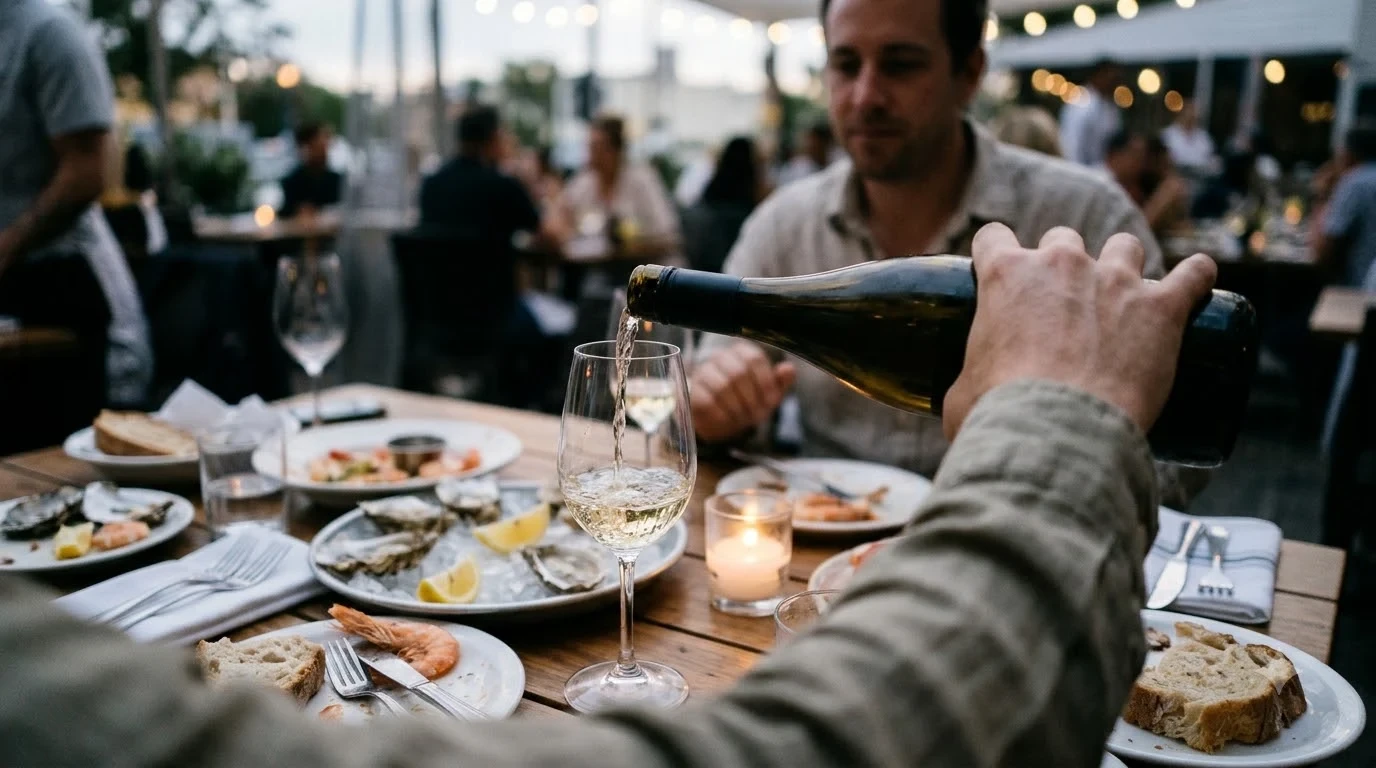
Fiano food pairing works especially well with seafood, shellfish, grilled vegetables, fresh cheeses, white meat, and creamy pasta dishes. This Italian white wine combines fresh acidity with floral, citrus, herbal, and toasted-nut characteristics. Its texture gives it enough presence for substantial dishes without overwhelming delicate ingredients. For an especially natural match, serve Fiano di Avellino with grilled fish, shrimp pasta, burrata, or traditional Neapolitan seafood.
Fiano is one of Campania’s distinctive white grape varieties, particularly associated with the hills of Irpinia in southern Italy. It offers more texture and aromatic complexity than many simple, light-bodied whites, making it useful across several courses. Its combination of freshness, savory character, and almond-like notes gives cooks plenty of pairing possibilities, from uncomplicated seafood lunches to richer dinners involving poultry, vegetables, and cheese. The key is to match the wine’s acidity and weight with the food’s preparation, seasoning, and sauce.
Understanding Fiano’s Flavor and Structure
Fiano pairs best with foods that complement its refreshing acidity, rounded texture, and floral, citrus, and nutty flavors. Understanding these characteristics makes it easier to choose dishes that work with both young Fiano and more developed Fiano di Avellino.
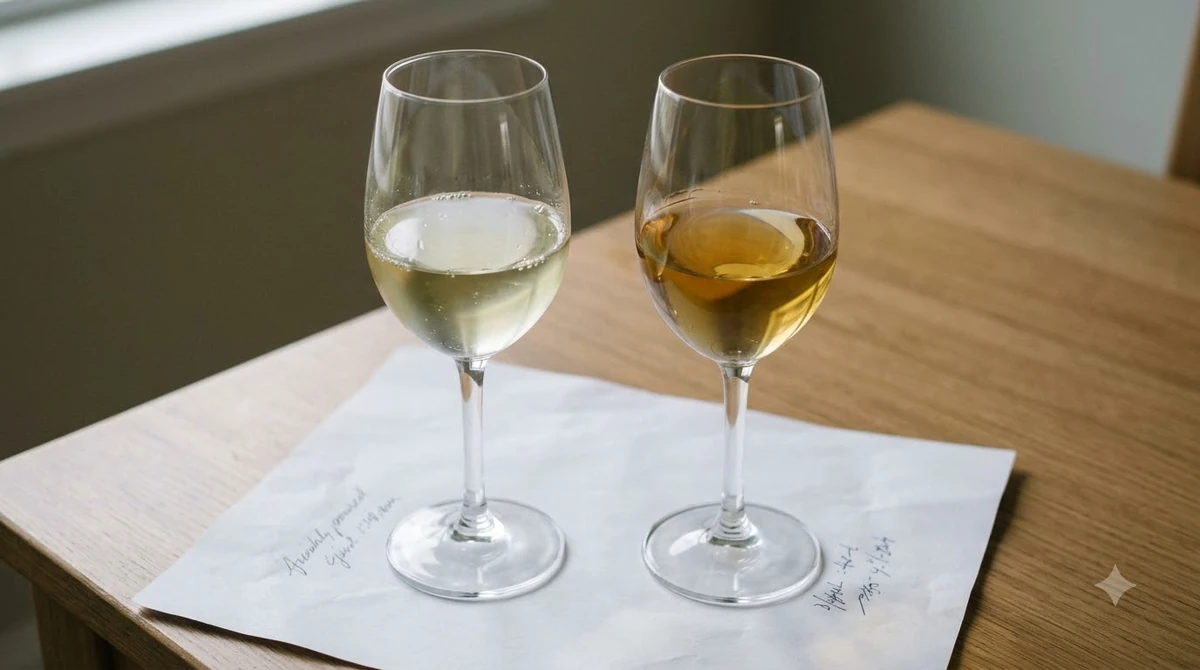
Fiano is a white grape associated particularly with Campania, where Fiano di Avellino DOCG represents an important expression of the variety. The Campania regional agriculture authority identifies 26 municipalities in Avellino province within the denomination’s production area. The grape produces dry white wines, generally with a straw-yellow appearance and an aromatic profile that can include citrus, flowers, herbs, and nuts. The Campania regional authority’s Fiano di Avellino information provides the denomination’s production details and traditional serving recommendations.
Individual producers illustrate how these characteristics translate into the glass. Fonzone describes aromas of citrus, orange blossom, linden, and almond paste, while Mastroberardino identifies white flowers, dried flowers, herbs, citrus, almonds, and nuts. Terredora adds toasted hazelnut, honey, pear, and floral scents to its description. These differences explain why Fiano can complement both delicate seafood and more substantial dishes.
Acidity is an important part of its food-pairing appeal. A dish with lemon, tomatoes, vinaigrette, or other acidic ingredients needs a wine with comparable or greater acidity to avoid making the wine taste flat. Fiano’s freshness makes it a sensible option for many of these preparations, particularly seafood served with citrus or herb-based sauces.
Its texture also matters. Some examples have a rounded, substantial palate that works with creamy sauces, roasted poultry, and richer vegetables. The nutty character can complement browned butter, toasted breadcrumbs, mushrooms, and roasted nuts. These are useful flavor connections because they allow the wine and food to share similar characteristics without requiring identical ingredients.
Fiano is usually dry rather than sweet, so it is better suited to savory courses than sugary desserts. It can accompany fruit-based desserts only when the preparation is not excessively sweet. As a general pairing principle, the wine should be at least as sweet as the dessert. For most meals, focus on savory ingredients, fresh herbs, and moderate richness instead.
Seafood, Shellfish, and Fish Pairings
Seafood is one of the strongest choices for Fiano because the wine’s freshness complements delicate fish, while its texture stands up to shellfish, fried seafood, and richer fish preparations. Grilled sea bass, shrimp, oysters, and seafood pasta are particularly dependable options.
Start with simply prepared fish. Grilled sea bass, baked cod, sole, and snapper allow Fiano’s floral and citrus aromas to come through without competing with heavy seasoning. Add olive oil, parsley, lemon, or a small amount of garlic for a straightforward Mediterranean preparation. Avoid covering delicate fish with intensely sweet or smoky sauces, which can obscure the wine’s more subtle characteristics.
Shellfish offer another excellent direction. Shrimp, scallops, clams, mussels, and langoustines have natural sweetness and savory depth that complement Fiano’s fruit and almond notes. A plate of grilled shrimp with lemon and herbs is an especially practical match. For a more substantial meal, prepare linguine with clams, olive oil, parsley, and garlic, keeping the sauce light enough to preserve the seafood’s character.
Oysters are also worth considering. Their briny flavor and delicate texture make them natural companions for a fresh Italian white wine. Serve them chilled with lemon or a restrained shallot dressing. Fonzone specifically recommends oysters, seafood appetizers, shellfish, and langoustines with its Fiano di Avellino. Its producer information for Fiano di Avellino DOCG also identifies several traditional Campanian dishes that complement the wine.
Fried seafood deserves special attention. The crisp coating and cooking fat add richness, while the seafood inside remains relatively delicate. Fiano’s acidity helps refresh the palate between bites. A mixed fried seafood platter, particularly one featuring small fish, shrimp, and calamari, is a regional match associated with Campania.
For richer fish dishes, consider salmon or tuna. These fish have more pronounced flavor and a firmer texture than white-fleshed varieties. Mastroberardino includes both salmon and tuna among its suggested main-course pairings for Fiano di Avellino. Grilled tuna with herbs or oven-roasted salmon with lemon and olive oil can therefore work well, particularly with a Fiano that has sufficient body.
There is one preparation to approach carefully: heavily oily fish served with strongly tannic red wine is often an awkward combination. Fiano avoids that particular problem because it is a white wine without the substantial tannin found in Cabernet Sauvignon or Syrah. Keep the seasoning balanced and avoid overpowering the fish with excessive smoke or sweetness.
Pasta, Risotto, and Creamy Italian Dishes
Fiano works particularly well with pasta and risotto when the sauce emphasizes seafood, vegetables, herbs, or moderate creaminess. Its acidity keeps rich dishes from feeling too heavy, while its nutty and floral aromas complement browned butter, Parmesan, and toasted ingredients.
Seafood pasta is the most straightforward place to start. Linguine with clams, spaghetti with shrimp, and pasta with mussels all provide the savory flavors and natural saltiness that suit Fiano. Use olive oil, garlic, parsley, and lemon as the foundation. A restrained amount of white wine in the cooking sauce can also connect the dish’s flavors with the wine served alongside it.
For a richer preparation, consider seafood risotto. Shrimp risotto, scallop risotto, and risotto with mussels offer creamy textures without relying on excessive cheese or cream. The starch from the rice gives the dish body, while the seafood introduces sweetness and savory depth. A fresh Fiano provides contrast and keeps each spoonful from becoming monotonous.
Vegetable risotto is another excellent option. Asparagus, zucchini, peas, and mushrooms can all complement the grape, depending on the preparation. Mushroom risotto works particularly well with a more textured Fiano showing toasted hazelnut or almond characteristics. Add fresh thyme or parsley to reinforce the wine’s herbal side.
Chicken pasta can work too. Choose preparations with lemon, light cream, mushrooms, or herbs rather than strongly tomato-based sauces. A chicken and mushroom fettuccine, for example, combines savory flavors with a creamy texture that suits a fuller expression of Fiano. Keep the sauce moderate in richness so the wine’s acidity remains noticeable.
Tomato-based pasta requires a little more attention. Tomatoes bring considerable acidity, and the wine needs sufficient freshness to match them. A light tomato and seafood sauce may work better than a deeply concentrated, sweet tomato reduction. Avoid heavily sweetened sauces because they can make a dry white wine taste sharper and less balanced.
Tip: When preparing pasta for Fiano, reserve some pasta water and use it to create a light, cohesive sauce. Olive oil, lemon, parsley, and a modest amount of Parmesan usually make a better match than a thick sauce that overwhelms the wine.
For other Italian grape comparisons, barbera food pairing offers a useful contrast. Barbera is a red wine with a different combination of acidity, fruit, and tannin, making it suitable for tomato-rich dishes and meat preparations that call for a red rather than a white wine.
Chicken, Pork, and Other White Meats
Chicken and pork are dependable partners for Fiano because their relatively mild flavors leave room for the wine’s aromatic complexity. Roasted chicken, herb-seasoned turkey, and pork tenderloin are particularly good choices when prepared with citrus, vegetables, or light sauces.
Roasted chicken is an easy starting point. A whole chicken seasoned with rosemary, thyme, garlic, lemon, and olive oil creates a flavorful but not excessively rich meal. The roasted skin provides savory depth, while the lemon and herbs connect with Fiano’s citrus and floral characteristics. Serve the wine with both white and darker chicken meat for a versatile pairing.
Chicken piccata is another natural choice. Its lemon and caper sauce introduces acidity and saltiness, two elements that can work nicely with a fresh white wine. The important detail is balance: avoid using so much lemon that the sauce becomes more acidic than the wine can comfortably match. A moderate amount of butter provides texture without making the preparation too heavy.
For pork, consider tenderloin with sage, roasted apples, or a mushroom sauce. Pork has enough flavor to complement a structured Fiano but generally remains delicate enough to avoid overpowering it. A pork roast with fennel and herbs also connects well with the grape’s aromatic character.
Turkey is another useful option, especially when it is roasted rather than covered in a heavy gravy. Serve sliced turkey with green beans, roasted squash, and a lemon-herb dressing. The combination gives Fiano several complementary flavors without making the plate excessively rich.
Fiano can also accompany veal and lightly seasoned white-meat dishes. Veal with mushrooms or a creamy herb sauce offers a richer experience, particularly with a wine that has spent time on its lees. For a regional Italian direction, consider white meat served with vegetables and olive oil rather than a heavily spiced or smoked preparation.
Cooking method makes a difference. Grilling, roasting, baking, and pan-searing generally work better than preparations involving intense sweetness or heavy barbecue sauces. Caramelized flavors can complement Fiano’s nutty notes, but strong smoke, molasses, and concentrated spice can dominate its more delicate aromas.
When comparing white-wine choices for poultry, albarino food pairing provides another useful reference. Albariño is especially associated with fresh seafood pairings, while Fiano can offer a broader combination of seafood, poultry, vegetables, and richer cheese-based dishes.
Vegetables, Legumes, and Vegetarian Pairings
Fiano is an excellent match for Mediterranean vegetable dishes, especially grilled zucchini, eggplant, asparagus, and roasted peppers. Its citrus and herbal qualities complement vegetables seasoned with olive oil, while its fuller texture gives it enough presence for legumes and more substantial vegetarian meals.
Grilled vegetables are among the easiest dishes to prepare. Zucchini, eggplant, bell peppers, fennel, and asparagus develop savory, lightly caramelized flavors when cooked over direct heat. Dress them with olive oil, lemon, parsley, and a little sea salt. The combination of browned vegetable surfaces and fresh seasoning provides a useful connection to Fiano’s nutty and floral character.
Roasted vegetables offer similar opportunities. Cauliflower, carrots, pumpkin, and potatoes can develop sweet, browned notes in the oven. Pair them with garlic, rosemary, thyme, or toasted almonds rather than sugary glazes. A slightly richer Fiano is particularly useful when the vegetables have a more substantial roasted texture.
Legumes deserve more attention than they usually receive in white-wine pairing discussions. White beans, chickpeas, lentils, and butter beans can form the foundation of a satisfying meal with Fiano. A white bean stew with rosemary, olive oil, and vegetables is a particularly good example. Mastroberardino specifically includes legume dishes among its suggested pairings for Fiano di Avellino.
For a lighter option, serve a chickpea salad with cucumber, parsley, lemon, and olive oil. The citrus dressing supports the wine’s freshness, while the chickpeas provide enough substance to make the pairing more interesting than a simple green salad. Avoid overly acidic dressings that would make the wine seem comparatively soft.
Eggplant preparations are another possibility. Baked eggplant with herbs, olive oil, and a modest amount of cheese can complement a textured Fiano. Traditional eggplant dishes with concentrated tomato sauce require more care because their acidity and sweetness can dominate a delicate white wine. A lighter preparation with roasted garlic and fresh herbs is generally easier to match.
For salads, choose ingredients that provide texture and savory flavor. Fennel, arugula, white beans, roasted peppers, and toasted almonds can all work. A dressing based on lemon and olive oil is generally more suitable than one with strong balsamic sweetness.
Fiano also suits vegetable-based appetizers. Grilled artichokes, fried zucchini, savory vegetable tarts, and small plates of roasted peppers provide variety without requiring a complicated main course. If a dish includes a large amount of vinegar or intense bitterness, keep the wine fresh and sufficiently structured to maintain balance.
Cheese, Appetizers, and Traditional Campanian Foods
Fresh and moderately aged cheeses are among Fiano’s strongest non-seafood partners. Burrata, mozzarella di bufala, fresh ricotta, and young caciocavallo complement the wine’s acidity and almond-like aromas, while traditional Campanian appetizers provide particularly convincing regional matches.
Burrata is a natural choice because its creamy center adds richness while the outer cheese remains mild. Serve it with ripe tomatoes, basil, olive oil, and toasted bread. The wine’s freshness helps balance the creamy texture, and the herbal notes connect with the basil.
Mozzarella di bufala is another excellent match. Its milky flavor and soft texture work particularly well with Fiano served alongside simple tomato salads or grilled vegetables. Mastroberardino specifically recommends mozzarella di bufala and fresh cheeses with its Fiano di Avellino.
Young caciocavallo provides a slightly firmer alternative. Its savory, mild flavor and supple texture suit Fiano without introducing the intense saltiness or sharpness associated with some long-aged cheeses. Fonzone specifically recommends young caciocavallo and cheeses of fresh to medium maturity.
Ricotta can be served as an appetizer with olive oil, black pepper, lemon zest, and grilled bread. It can also be used in savory tarts or vegetable-filled pasta. Its gentle flavor allows the wine to remain prominent rather than disappearing behind a powerful cheese.
Be more selective with strongly aged cheeses. Very salty blue cheeses, intensely pungent washed-rind varieties, and extremely mature hard cheeses can overpower a delicate Fiano. If serving a cheese board, include mild cheeses, fresh fruit, almonds, and unsalted crackers rather than relying entirely on strong varieties.
Campania’s traditional dishes provide several particularly interesting options. Mozzarella in carrozza, a fried mozzarella sandwich, combines crisp bread with warm, melted cheese. Its richness and crunchy exterior create a satisfying contrast with Fiano’s freshness. Fonzone identifies this regional specialty as a recommended pairing.
Frittura di paranza, a mixed fried seafood preparation, is another regional match. The combination of small fried fish and other seafood offers crisp texture, savory flavor, and natural sweetness. A fresh glass of Fiano cuts through the fried coating and refreshes the palate.
Baccalà alla napoletana, or Neapolitan-style salt cod, is particularly useful when planning a regional meal. Salt cod has a pronounced savory flavor, while its preparation can include tomatoes, olive oil, and other Mediterranean ingredients. The salt and richness can work well with Fiano’s freshness, provided the sauce is not excessively concentrated or sweet.
Serving Temperature, Wine Style, and Menu Planning
Serve Fiano cool rather than ice-cold, using approximately 45–55°F as a practical starting range depending on the wine’s body and maturity. Lighter examples benefit from the cooler end, while fuller, more developed bottles can reveal additional texture and aroma at slightly warmer temperatures.
Producer recommendations illustrate the variation. The Campania regional authority recommends 8–10°C, which converts to approximately 46–50°F. Fonzone also recommends 8–10°C, while Terredora suggests 10–12°C, or approximately 50–54°F. Mastroberardino recommends 12–14°C, approximately 54–57°F, for its particular expression.
These differences reflect individual wine styles rather than a single universal temperature. A young, crisp Fiano served with oysters or raw seafood generally benefits from cooler service. A fuller example with more developed nut, honey, or mineral characteristics can benefit from slightly warmer service, especially alongside roasted poultry or mushroom risotto.
Use a medium-sized white wine glass. Fonzone recommends a glass with a slightly narrow rim to concentrate aromas and limit excessive oxygen exposure. There is no need for a specialized glass if a standard white-wine glass is available. Avoid filling it too generously, leaving enough space for the wine’s floral and citrus aromas to collect.
Planning a complete menu is easier if Fiano appears in more than one course. Begin with burrata, grilled vegetables, or seafood appetizers, continue with shrimp linguine or baked fish, and finish with a savory cheese course. The wine can remain consistent throughout the meal because these dishes share freshness, moderate richness, and Mediterranean seasoning.
The following temperature and food guide provides practical starting points for different Fiano styles.
| Fiano style or occasion | Serving temperature | Suggested food |
|---|---|---|
| Young, fresh Fiano | 45–50°F | Oysters, shrimp, grilled sea bass |
| Mineral, structured Fiano | 48–52°F | Clams, seafood pasta, scallops |
| Fuller-bodied Fiano | 50–55°F | Chicken, pork tenderloin, mushroom risotto |
| Developed, mature Fiano | 52–57°F | Roasted poultry, aged-style vegetable dishes, medium-aged cheese |
| Fiano for an appetizer course | 45–50°F | Burrata, mozzarella, fried seafood |
For a typical 750 ml bottle, plan on approximately five standard 5-ounce glasses. This makes one bottle suitable for a small dinner or a tasting alongside several courses. If the wine is served with multiple dishes, pour modest amounts initially so guests can compare how the different foods affect its acidity, texture, and aromatic character.
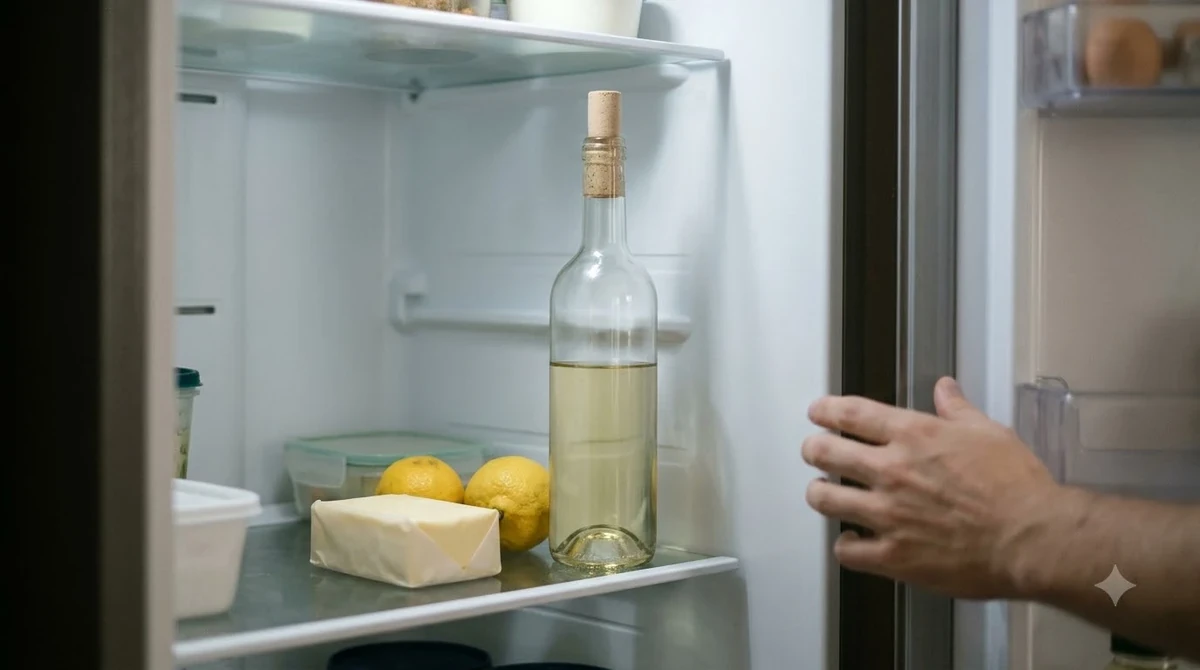
Storage also influences the experience. Keep unopened bottles on their sides in a cool, dark location near 55°F when suitable for the closure and bottle design. Avoid sudden temperature changes, direct sunlight, and warm kitchen storage. Once opened, reseal the bottle and refrigerate it. Most still wines retain their best qualities for approximately three to five days after opening, although freshness and aromatic intensity can decline over that period.
Food selection should also reflect the wine’s development. Young Fiano generally makes a natural companion for shellfish, citrus-seasoned fish, and fresh cheese. More developed examples can offer additional honeyed, nutty, and savory characteristics, making them more suitable for roasted poultry, mushrooms, and richer preparations.
For a broader comparison with structured red wines, amarone food pairing demonstrates how a fuller-bodied red with concentrated flavors calls for a different approach to rich meat dishes and substantial courses. Fiano provides a contrasting option when the menu emphasizes fish, vegetables, and white meat.
For additional combinations involving acidity, texture, seasoning, and cooking methods, the site’s Wine Pairing resource provides a useful foundation for making choices beyond individual grape varieties.
Frequently Asked Questions
Is Fiano di Avellino always made from 100% Fiano grapes?
Not necessarily. The Campania regional production description permits at least 85% Fiano, with specified additional varieties accounting for up to 15%. Individual producers can make wines using 100% Fiano, as Fonzone and Mastroberardino describe for their respective examples. The denomination’s grape requirements and an individual winery’s recipe are therefore not identical.
Can Fiano wine develop interesting flavors with age?
Yes. Although many bottles are enjoyed young, Fiano di Avellino can develop additional honeyed, nutty, and dried-fruit characteristics with bottle age. Mastroberardino lists an aging potential exceeding 20 years for its particular wine. Actual development depends on the producer, vintage, storage conditions, and the individual bottle.
Does Fiano come from the same region as Greco di Tufo?
Both are associated with the province of Avellino in Campania, southern Italy. Fiano di Avellino DOCG and Greco di Tufo DOCG are separate wine denominations with distinct grape varieties and production requirements. Their shared regional background makes them useful wines to compare when exploring the white wines of Irpinia.
Can Fiano be served as an aperitif without food?
Yes. The Campania regional agriculture authority specifically identifies Fiano di Avellino as suitable for aperitif service. Its dry character and aromatic profile make it suitable before dinner, particularly when accompanied by simple snacks such as unsalted crackers, mild olives, and fresh mozzarella.
What is the difference between Fiano and Fiano di Avellino?
Fiano is the name of the grape variety, while Fiano di Avellino DOCG is a protected wine denomination associated with a defined production area in Campania. Fiano grapes can be used in wines outside that denomination, subject to the applicable regional rules. The DOCG designation identifies a specific origin and production framework rather than simply naming the grape.
Fiano is a versatile Italian white wine that deserves a place alongside seafood, pasta, poultry, vegetables, and fresh cheeses. Start with grilled fish, shrimp linguine, burrata, or roasted chicken, then explore richer dishes as you discover the style you prefer. Serve the bottle cool, keep the seasoning balanced, and let Fiano’s citrus, floral, and nutty characteristics complement the meal.
More in Food & Wine Pairing
 Risotto With White Wine Recipe: Make a Creamy Dinner at HomeUpdated Nov 20, 2026
 Wassail With Wine Recipe for a Festive Spiced Holiday DrinkUpdated Nov 20, 2026
 Spritz Veneziano Recipe: Make a Classic Venetian Aperitivo at HomeUpdated Nov 20, 2026
 Summer Wine Punch Recipe for Easy Homemade EntertainingUpdated Nov 20, 2026
 Bishop Recipe: How to Make a Bright, Citrus-Forward Red Wine CocktailUpdated Nov 20, 2026
 Wine Cupcakes Recipe: Bake Rich Chocolate Cupcakes at HomeUpdated Nov 20, 2026