

We may earn a commission when you buy through links on this page, at no extra cost to you. Learn more.
Ferrari Trento wine is traditional-method sparkling wine from Trentino in northern Italy, made primarily with mountain-grown Chardonnay and Pinot Noir. Its defining traits are fresh acidity, fine bubbles, and flavors that can range from citrus and orchard fruit to toast and nuts. The range includes approachable non-vintage Brut and Rosé bottlings as well as vintage Perlé wines and extended-aged Riservas.
The name can cause confusion: Ferrari Trento is a winery, not a carmaker, and its wines are not Prosecco. Knowing the Trentino origin, bottle-fermentation method, grapes, and collection names helps match a bottle to an aperitif, seafood meal, or celebration.
What Ferrari Trento Wine Is
Ferrari Trento is a sparkling-wine house based in Trento, in the Trentino region of northeastern Italy. Founded by Giulio Ferrari in 1902, it helped establish the area’s identity for traditional-method sparkling wine; the Lunelli family took over the winery in 1952.
The winery’s wines belong to Trentodoc, the regional designation for sparkling wines made in Trentino using the traditional method. This is a place-based category, not simply a style name: the grapes must come from Trentino, and the wine’s second fermentation takes place in the bottle. The designation received DOC status in 1993, making it Italy’s first DOC dedicated exclusively to traditional-method sparkling wine.
That distinction matters when comparing Italian bubbles. Prosecco is commonly made with Glera and a second fermentation in a pressurized tank; Ferrari Trento uses the bottle-fermentation approach associated with Champagne and Cava, where lees contact can add a finer mousse and savory notes. For context on regional categories, see our guide to wine brands.
Ferrari Trento’s history is closely tied to Chardonnay. Giulio Ferrari made substantial plantings of the grape in Italy, and Chardonnay remains central to the house style. Pinot Noir contributes structure and is essential to many rosé expressions, giving the range two complementary building blocks.
Trentino’s Alpine Conditions and the Grapes
Trentino’s mountain setting helps preserve the acidity and aromatic definition that make its sparkling wines feel brisk rather than heavy. Vineyards at different elevations, varied exposures, and the contrast between warm days and cool nights give growers several ways to manage ripeness while retaining freshness.
Chardonnay is the leading grape in Ferrari Trento’s range. In sparkling wine, it can provide citrus, green apple, pear, white-flower, and sometimes brioche-like character after extended lees aging. In Ferrari Brut, the winery identifies mountain-grown Chardonnay as the foundation of its historic label; the grape also defines the Maximum Blanc de Blancs and the vintage Perlé Blanc de Blancs.
Pinot Noir, known in Italy as Pinot Nero, can add body, red-fruit suggestions, and structure. Ferrari Rosé combines Pinot Noir vinified as a rosé with Chardonnay; Maximum Rosé is also a blend of mountain-grown Pinot Noir and Chardonnay. Both are rosé sparkling wines, not red wines.
Trentodoc rules permit four varieties: Chardonnay, Pinot Noir, Pinot Blanc, and Pinot Meunier. Pinot Blanc is used less often, and Meunier remains uncommon in Trentino. The rules also require hand harvesting, with grapes collected in small crates before careful pressing and the first fermentation.
“Mountain wine” describes more than a scenic backdrop. Cool nights help preserve acidity as grapes ripen, while differences in elevation and exposure produce lots with distinct aromatic profiles. Winemakers can blend those lots to balance fruit, freshness, texture, and the character gained during bottle aging.
How Traditional-Method Production Shapes the Bubbles
Ferrari Trento uses the traditional method, known in Italy as metodo classico. The base wine undergoes a second fermentation inside the bottle, and the wine then rests on its lees before those deposits are removed and the bottle is finished.
Production begins with still base wines. After the first fermentation, the team selects and blends vineyard lots or grape varieties to create a cuvée. A measured addition of yeast and sugar, called the tirage, starts the second fermentation in the sealed bottle; the carbon dioxide remains in the wine and forms the bubbles.
After fermentation, the wine matures on lees, the spent yeast cells left in the bottle. This stage can add texture and notes of bread dough, pastry, or nuts alongside citrus and orchard fruit. The length of this rest helps distinguish a fresh non-vintage bottling from a more developed vintage or Riserva.
When aging is complete, bottles are turned and tilted so the lees collect in the neck, a process called riddling. The sediment is removed through disgorgement, then the producer may add dosage, a measured mixture of wine and sugar, to set the finished wine’s sweetness. Dosage does not create the bubbles; those come from the second fermentation.
Lees-aging minimums are set by the Trentodoc regulations, while a producer may choose to age a wine longer. According to the Trentodoc Institute, the minimums are 15 months for non-vintage wines, 24 months for a vintage Millesimato, and 36 months for a Riserva. Ferrari Trento says its basic label spends at least 24 months on the lees, while its flagship Giulio Ferrari Riserva del Fondatore can spend more than 10 years in this stage. The extra time can deepen savory complexity and make the mousse feel more integrated.
That approach is similar to Champagne production, but the finished wines express different grapes and growing conditions. In a description of the classic method from the Trentodoc Institute, the four central phases are base wine, secondary fermentation, riddling, and disgorgement. The steps explain why traditional-method sparkling wine often offers more than straightforward fruit and bubbles.
Ferrari Trento Styles and Bottles to Know
The range is organized into collection lines, making the label easier to read once you know the house’s basic expressions. Classic is the starting point, Maximum explores Blanc de Blancs, Rosé, and Demi-Sec styles, Perlé focuses on vintage wines, and Riserva labels represent longer-aged bottlings.
Classic: Brut and Rosé
Ferrari Brut is the historic house label and a practical introduction to the winery. Made from mountain-grown Chardonnay, it is a white Brut with a dry profile, lively acidity, and a balance of fruit and lees-derived detail. It can suit an aperitif, a seafood course, or a table where a versatile sparkling wine is more useful than a highly specialized bottle.
Ferrari Rosé brings Pinot Noir into the blend alongside Chardonnay. Its color and red-fruit suggestions make it a natural choice when a meal includes salmon, roast poultry, charcuterie, or dishes with berry-based sauces. It remains a traditional-method sparkling wine, so the structure comes from bottle fermentation and lees aging rather than from a simple addition of carbonation.
Maximum: Blanc de Blancs, Rosé, and Demi-Sec
The Maximum line includes a Blanc de Blancs made entirely from Chardonnay, a Rosé that blends Pinot Noir and Chardonnay, and a Demi-Sec made from Chardonnay. The line is designed with restaurant service in mind and covers different points in a meal, from an opening glass to a sweeter final course.
Blanc de Blancs means “white from white” and signals a wine made from white grapes; here, the named Maximum bottling is pure Chardonnay. Maximum Demi-Sec moves toward a noticeably sweeter style than Brut, so it is better suited to desserts or dishes with a sweet element. The difference is not only a matter of taste preference: sugar changes how the wine interacts with food.
Perlé and Riserva: Vintage Character
Perlé is a vintage Blanc de Blancs made from selected Chardonnay grown in Trentino areas considered well suited to Trentodoc. The line also includes a Zero Dosage expression and the Riserva versions Bianco, Nero, and Rosé. Compared with a non-vintage house Brut, a vintage wine reflects one harvest and can show a more individual balance of fruit, acidity, and maturity.
Ferrari’s Riserva line contains its most prestigious labels, including long-aged wines such as Giulio Ferrari Riserva del Fondatore. These bottles are aimed at drinkers who enjoy greater development from time on the lees and in bottle. For an independent perspective on Ferrari’s mountain-wine identity and recent releases, read Decanter’s interview with Ferrari chef de cave Cyril Brun.
| Trentodoc category | Minimum lees aging | Typical label clue |
|---|---|---|
| Non-vintage | 15 months | NV or no vintage year |
| Millesimato | 24 months | One harvest year shown |
| Riserva | 36 months | Riserva on the label |
These are Trentodoc regulatory minimums, not the exact aging time for every Ferrari bottling. Ferrari states that its basic label rests at least 24 months on lees, longer than the 15-month non-vintage minimum; vintage and Riserva wines may age longer still.
How to Serve and Pair Ferrari Trento
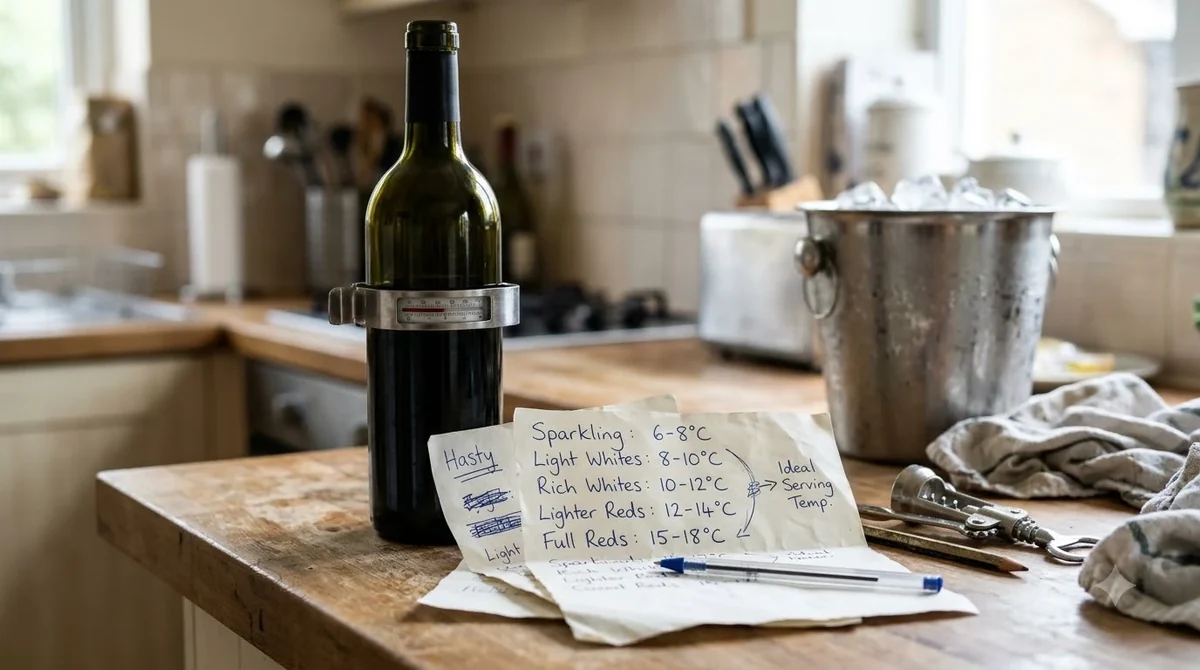
Serve Ferrari Trento sparkling wines well chilled but not so cold that their aromas disappear. A range of 40–50°F works for sparkling wine; remove the bottle from the refrigerator briefly if it is so cold that the fruit and texture seem muted.
Use a clean flute or, preferably for a more aromatic bottle, a white-wine glass with enough room to let citrus, apple, and lees-derived notes develop. Pour about 5 ounces per serving. A standard 750 ml bottle provides roughly five such pours, which is useful when planning a welcome drink or pairing several courses.
Food pairings for Brut and Rosé
Ferrari Brut’s acidity and bubbles suit oysters, shrimp, fried calamari, and simply prepared white fish. Acidity cuts through oil, while bubbles refresh the palate. Parmesan, prosciutto, and other salty foods are also good matches because salt can soften the perception of bitterness and make dry wine feel rounder.
Rosé has enough fruit and structure to stand alongside salmon, tuna, roast chicken, mushroom dishes, and tomato-based appetizers. Pinot Noir can give it a slightly deeper frame than a Chardonnay-only bottling. For very spicy food, choose a lower-alcohol, softer style if possible: alcohol and tannin can make chili heat feel more intense, so a dry sparkling wine is not always the best answer to a fiery dish.
Pairing sweeter styles
Maximum Demi-Sec and Ferrari Vellutum are better candidates for dessert than a dry Brut. The useful rule is to serve a wine at least as sweet as the dessert; otherwise, the wine can taste sharper or more acidic beside the food. Fruit tarts, almond pastries, and lightly sweet cakes are often easier partners than very sugary desserts with a dry sparkling wine.
For a full meal, Brut can move from seafood to salty appetizers, while Rosé can bridge into poultry or richer vegetable dishes. Demi-Sec gives you a separate option for dessert, so identify the sweetness term before choosing rather than assuming every sparkling wine is equally dry.
Tip: Chill a Ferrari Trento Brut to about 45°F before serving, then let it warm slightly in the glass. The cooler first pour keeps the bubbles lively; a few degrees of warming can make the Chardonnay and lees-aged aromas easier to notice.
How to Choose and Store a Bottle
Start with the occasion, then choose the sweetness and style. For a flexible bottle to open before dinner, Ferrari Brut is the straightforward starting point. Choose Rosé when the menu includes salmon, poultry, or dishes with red-fruit flavors; choose Maximum Demi-Sec or Vellutum when you need a sweeter match for dessert.
If the goal is to compare house style with vintage character, move from Classic Brut to Perlé. The former gives a consistent non-vintage reference point, while Perlé is a vintage Chardonnay expression that reflects a particular harvest. A Riserva is the choice for a more developed profile and a longer lees-aging story. The label terms are more useful than assuming that one line is automatically better for every occasion.
Do not confuse Ferrari Trento with Ferrari-Carano. They are different wine names and producers; our separate explainers on Ferrari-Carano red wine and Ferrari-Carano Fumé Blanc tasting notes cover a different set of wines. Keeping the names distinct helps avoid mixing up Italian traditional-method sparkling wine with California still-wine searches.
Store unopened bottles in a cool, dark place near 55°F, away from sunlight, vibration, and appliance heat. For longer storage, keep cork-finished bottles on their side so the cork stays in contact with the wine; avoid counters and refrigerator tops where temperatures change often.
Once opened, sparkling wine loses its freshness faster than most still wines. Use a sparkling-wine stopper and refrigerate the bottle promptly; a practical window is about 1–3 days, with the best bubbles usually found earlier. A regular spoon in the neck is not a substitute for a proper stopper. If the wine has gone noticeably flat, use it in a sparkling-wine cocktail or cooking rather than expecting it to taste as it did on opening.
For a special vintage or Riserva, stable cool conditions matter more than display lighting or frequent movement. For long-term storage, avoid heating vents, sunny rooms, and spaces with repeated temperature swings.
Frequently Asked Questions
These quick answers cover label terms and practical details that can be confusing at first glance. They also clarify how Ferrari Trento’s expressions fit into the wider Trentodoc category.
What was Ferrari Trento’s first major award?
Giulio Ferrari received a gold medal at the International Exhibition in Milan in 1906. It was an early public recognition of the quality of the winery’s sparkling wines.
Who bought the winery from Giulio Ferrari?
Bruno Lunelli acquired the company in 1952. Ferrari’s history records that the winery produced about 9,000 bottles when he bought it, before the business expanded under the Lunelli family.
How did the first Ferrari Riserva wines come about?
Ferrari’s history says Giulio Ferrari sealed the cellar behind brick walls during the bombing of Trento in 1943. When he returned, the wines had remained undisturbed, and the extended time in the cellar inspired the first Riserva wines.
How many bottles became the first Giulio Ferrari Riserva del Fondatore?
In 1972, Mauro Lunelli set aside 5,000 bottles made from grapes grown at the Maso Pianizza vineyard. They emerged in 1980 as the first Giulio Ferrari Riserva del Fondatore.
What can visitors see near the winery?
Wine Enthusiast highlights Ferrari’s cellar tour and tasting spaces, as well as Villa Margon, a 16th-century palace. The same profile mentions Locanda Margon, the estate’s Michelin-starred restaurant.
Ferrari Trento is a useful reference point for understanding how Trentino’s mountain conditions and traditional bottle fermentation shape Italian sparkling wine. Begin with Brut or Rosé to learn the house style, then explore Perlé and the Riserva bottlings for a more mature expression of Chardonnay, Pinot Noir, and lees aging.
More in Wine Brands
 Underwood Wine Price: Compare Bottles, Cans, and Pack SizesUpdated Nov 21, 2026
 Zenato Wine Price: Compare Styles and Choose the Right BottleUpdated Nov 21, 2026
 Zuccardi Wine Price: Compare Bottles and Find the Right RangeUpdated Nov 21, 2026
 Yellow Tail Moscato Review: Taste, Sweetness and Serving TipsUpdated Nov 21, 2026
 Wolf Blass Yellow Label Review: Choose Your Best StyleUpdated Nov 21, 2026
 Wolffer Estate Rose Review: Choose the Right Bottle for Your TableUpdated Nov 21, 2026