

We may earn a commission when you buy through links on this page, at no extra cost to you. Learn more.
The typical US retail faustino wine price spans from about $10 to $48 for standard 750 ml current-release bottles, depending on the Roman numeral aging tier on the label. According to Wine-Searcher, entry-level Faustino VII bottles average around $11 to $16, mid-tier Faustino V Reserva averages about $21 to $22, and flagship Faustino I Gran Reserva averages roughly $42 to $44. Rare library vintages from the 1960s through the 1990s can climb from $110 to $500, and prices always vary by state and retailer.
Shopping for Bodegas Faustino becomes much simpler once you decode the Roman numerals printed across its frosted Burgundy-shaped bottles. Founded in 1861 in Oyón in Spain’s Rioja Alavesa sub-region, this fourth-generation family winery prices its portfolio strictly by vineyard selection, oak barrel duration, and mandatory cellar aging before release. Understanding how those tiers map to US retail shelves helps shoppers pick the right bottle for a Tuesday pasta night or a celebratory roast lamb dinner without overpaying.
Who This Guide Is For
This buying guide helps US wine shoppers, dinner hosts, and casual collectors match the right Bodegas Faustino bottle to their budget and occasion. Whether standing in a local wine shop aisle or comparing online merchant listings, buyers often encounter several similar frosted bottles at sharply different price points.
First-time Rioja buyers benefit from seeing why a $12 bottle of Faustino VII tastes bright and fruit-forward while a $42 bottle of Faustino I Gran Reserva delivers savory leather, tobacco, and dried cherry complexity. Knowing what each Roman numeral represents prevents the common mistake of buying an entry-level bottling expecting decades-old cellar character, or opening an expensive Gran Reserva without giving it proper air.
Gift shoppers and dinner hosts also use these price tiers to gauge value when browsing Wine Brands from northern Spain. Because Bodegas Faustino holds one of the largest reserves of mature Rioja in the world—roughly nine million bottles resting in its cellars—its aged releases often cost significantly less than comparable mature wines from Napa Valley, Bordeaux, or Tuscany.
Key Factors That Drive Faustino Wine Price
Four measurable production factors determine where any bottle sits on the Faustino wine price ladder: Rioja DOCa aging classification, oak barrel type, estate vineyard sourcing, and bottle vintage. Longer mandatory time in barrel and bottle ties up winery capital and reduces liquid volume through evaporation, directly raising shelf cost.
Under Rioja DOCa regulations, entry-level young wines (Cosecha or Joven styles like Faustino VII) require no minimum oak aging and reach market within a year of harvest. By contrast, Crianza wines spend at least one year in oak and one year in bottle, Reserva reds require at least three years of combined aging with one year in oak, and Gran Reserva reds demand a minimum of five years total maturation including at least two years in oak barrels. Bodegas Faustino exceeds those legal minimums on its upper tiers, aging Faustino V Reserva for at least 24 months in American oak and Faustino I Gran Reserva for 24 to 26 months in a mix of American and French oak before extended bottle rest.
Vineyard ownership also separates the tiers. Bodegas Faustino owns roughly 1,600 acres (650 hectares) of chalky-clay vineyards across Oyón, Laguardia, Logroño, and Mendavia at elevations between 1,500 and 1,800 feet. According to Wine.com, those estate plots supply 100 percent of the fruit for Faustino Reserva and Gran Reserva bottlings, whereas entry-level lines incorporate purchased regional grapes to keep retail prices accessible.
| Faustino Bottle Tier | Primary Grape & Style | Minimum Oak Aging | Typical US Retail Range (750 ml) | Primary Price Source |
|---|---|---|---|---|
| Faustino V & VII Blanco / Rosado | Viura, Tempranillo (White & Rosé) | Unaged (stainless steel) | $8 – $15 | Wine-Searcher US average |
| Faustino VII Tinto (Red) | 100% Tempranillo (Young Red) | Brief American oak (up to 6 months) | $10 – $22 (avg. $16) | Wine-Searcher US listings |
| Faustino Brut Cava Reserva | Macabeo, Xarel-lo, Parellada (Sparkling) | 15+ months on lees in bottle | $12 – $16 | Wine-Searcher US average |
| Faustino Crianza | Tempranillo (Crianza Red) | 12 months in American oak | $15 – $25 (avg. $19) | Wine-Searcher US listings |
| Faustino V Reserva | Tempranillo & Mazuelo (Reserva Red) | 24 months in American oak | $18 – $30 (avg. $22) | Wine-Searcher US listings |
| Faustino I Gran Reserva Blanco | Viura & Chardonnay (Aged White) | 6 – 8 months in French & American oak | $26 – $40 | Wine-Searcher US average |
| Faustino I Gran Reserva (Current) | Tempranillo, Graciano, Mazuelo | 24 – 26 months in French & American oak | $30 – $48 (avg. $42) | Wine-Searcher & Wine.com |
| Faustino I Gran Reserva (Library) | Tempranillo, Graciano, Mazuelo (1960s–2000s) | 24 – 38+ months in oak + cellar age | $60 – $500 | Wine-Searcher US archives |
State alcohol taxes, distributor markups, and retailer volume also shift final checkout totals across the United States. In high-volume metro markets like New York and New Jersey, Wine-Searcher data shows recent vintages of Faustino I Gran Reserva listing near $30 to $39 ex-tax, whereas smaller regional shops in states with higher excise taxes often price the exact same vintage closer to $45 or $48.
Step-by-Step: How to Evaluate a Faustino Bottle Before Buying
Follow these five quick checks on the front and back labels to confirm you are paying a fair market price for the exact Faustino bottling in front of you.
- Read the Roman numeral first. Confirm whether the label says VII (entry level), V (mid-tier), or I (flagship). A $25 price tag makes sense for Faustino V Reserva, but that same $25 would be noticeably above average for a standard bottle of Faustino VII.
- Verify the Rioja aging classification stamp on the back label. Spain’s Consejo Regulador attaches color-coded back labels to every authentic Rioja bottle: green for young Cosecha wines, red for Crianza, burgundy/maroon for Reserva, and blue for Gran Reserva.
- Check the vintage year against current releases. Because Gran Reserva reds age for at least five years before leaving Oyón, a current-release bottle on US shelves will typically be seven to ten years old (such as the 2016 or 2018 vintages). Older vintages from the 1990s or early 2000s carry collector premiums.
- Compare 750 ml bottles against 1.5-liter magnums. Wine-Searcher listings show 1.5-liter magnums of 2011 Faustino I Gran Reserva selling at select New York and Florida merchants for roughly $41 to $44—nearly the same price as a single 750 ml bottle, effectively cutting the per-ounce cost in half.
- Inspect the bottle glass and closure condition on older vintages. Current Faustino reds use signature frosted Burgundy glass, while Faustino VII sometimes uses a screwcap in export markets and Reserva or Gran Reserva bottles use natural cork. On bottles older than 15 years, look for a fill level high into the neck and a dry, intact capsule.
Tip: When shopping online for Faustino I Gran Reserva, compare the vintage year before clicking buy. Wine-Searcher data shows the 2016 and 2018 vintages frequently list between $30 and $39 per 750 ml bottle at major East Coast retailers, while newer 2020 and 2021 releases average $47 to $55.
Faustino Bottle Tiers and Styles Explained
Bodegas Faustino divides its core portfolio into three numbered tiers—VII, V, and I—alongside Crianza, Art Collection, and sparkling Cava bottlings. Each tier serves a distinct culinary role and sits in a predictable US retail price bracket.
Faustino VII (Entry-Level Red, White, and Rosé)
Faustino VII is the winery’s everyday tier, typically retailing for about $10 to $22 per 750 ml bottle in the US with a Wine-Searcher average around $16 for the red and $11 to $15 for the white and rosé. The red bottling is 100 percent Tempranillo fermented in stainless steel at 28 degrees Celsius and aged briefly—up to six months—in American oak to preserve fresh cherry, plum, and subtle vanilla notes. For weeknight burgers, pizza, or grilled vegetables, this tier delivers clean Rioja fruit without heavy tannin or high cost.
Faustino Crianza and Faustino V (Mid-Tier Everyday to Dinner-Party Wines)
Common Mistakes When Buying and Pricing Faustino Wine
Shoppers often misjudge a faustino wine price tag by overlooking Roman numeral tiers, confusing white and red labels, or misreading vintage release schedules. Avoiding four frequent errors keeps your budget aligned with the exact wine style in the bottle.
- Confusing Faustino VII or V with Faustino I on restaurant lists or retail shelves. Because all three tiers share the classic frosted Burgundy bottle shape and traditional gold-toned label styling, buyers occasionally pay $28 or $30 thinking they scored a bargain on Faustino I Gran Reserva, when the label actually reads Faustino V Reserva (which averages $21 to $22 on Wine-Searcher). Verify the Roman numeral above the portrait or crest before paying so you know which aging tier is in the bottle.
- Assuming older vintage dates automatically mean an overpriced or past-prime bottle. Unlike young New World Cabernet Sauvignon that reaches stores 18 to 24 months after harvest, Faustino I Gran Reserva spends five or more years aging at the winery in Oyón before commercial release. Seeing an eight- or ten-year-old vintage like 2016 or 2018 at $37 to $42 on Wine.com is standard current-release pricing, not an aged secondary-market markup.
- Overpaying for unaged white or rosé bottlings at red Gran Reserva prices. While Faustino I Gran Reserva Blanco averages $26 to $40 on Wine-Searcher due to its oak aging in French and American barrels, everyday faustino white wine bottlings like Faustino VII Blanco and Faustino V Blanco are stainless-steel fermented and average roughly $11 to $15 per 750 ml bottle.
- Ignoring bottle format math when hosting large dinners. Standard 750 ml bottles pour five 5-ounce glasses, whereas 1.5-liter magnums hold ten glasses. Wine-Searcher listings show select merchants occasionally pricing 1.5-liter magnums of older Faustino I Gran Reserva vintages near the ~$42 US average of a single 750 ml bottle, making magnums an economical choice when available for large dinners.
How to Store, Decant, and Serve Faustino Wines
Proper temperature control and aeration protect the value of any bottle across the faustino wine lineup, especially mature Gran Reserva releases that have spent years developing delicate tertiary aromas.
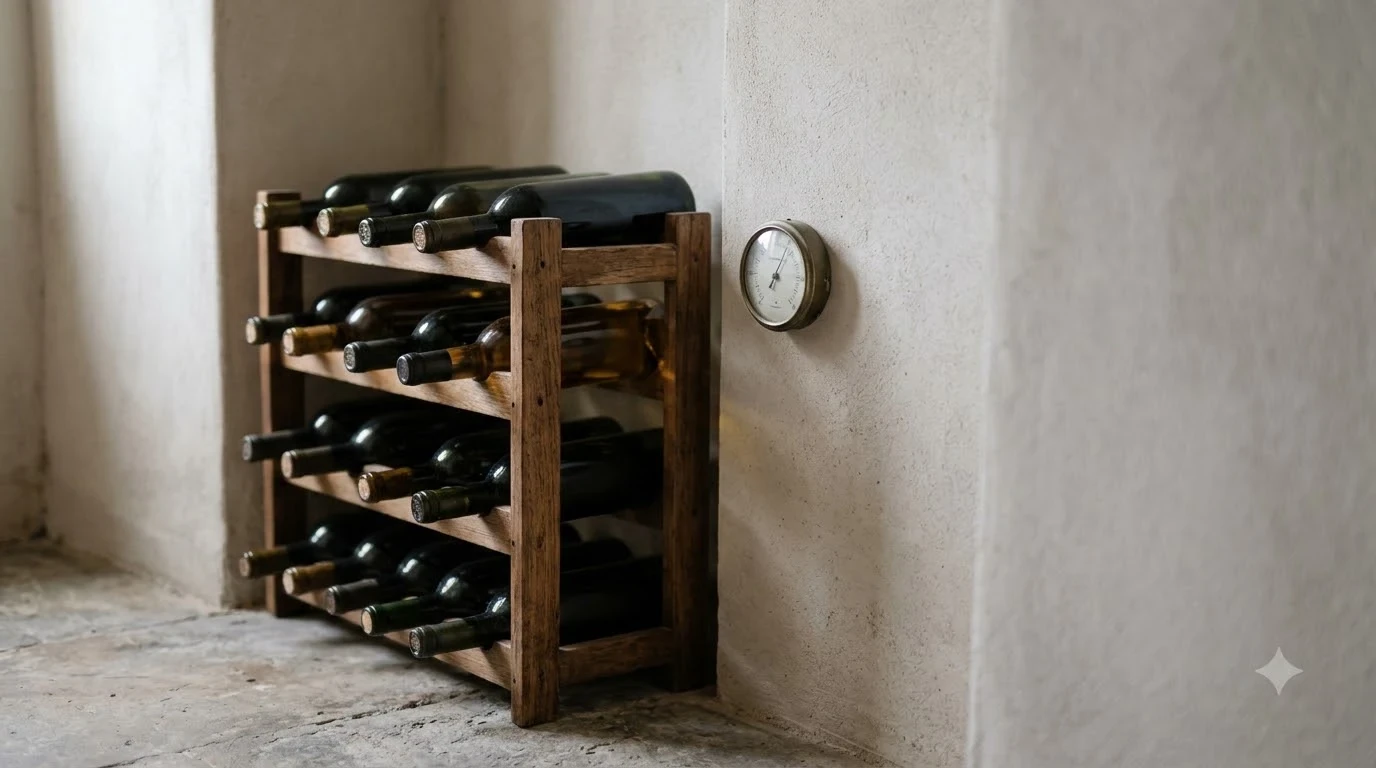
Store unopened bottles horizontally at a steady temperature near 55 degrees Fahrenheit with 50 to 70 percent humidity so natural corks remain moist and airtight. Keep frosted bottles away from direct sunlight and kitchen heat sources; even though Bodegas Faustino’s signature frosted glass blocks some visible light, prolonged warmth accelerates oxidation and flattens bright Tempranillo fruit.
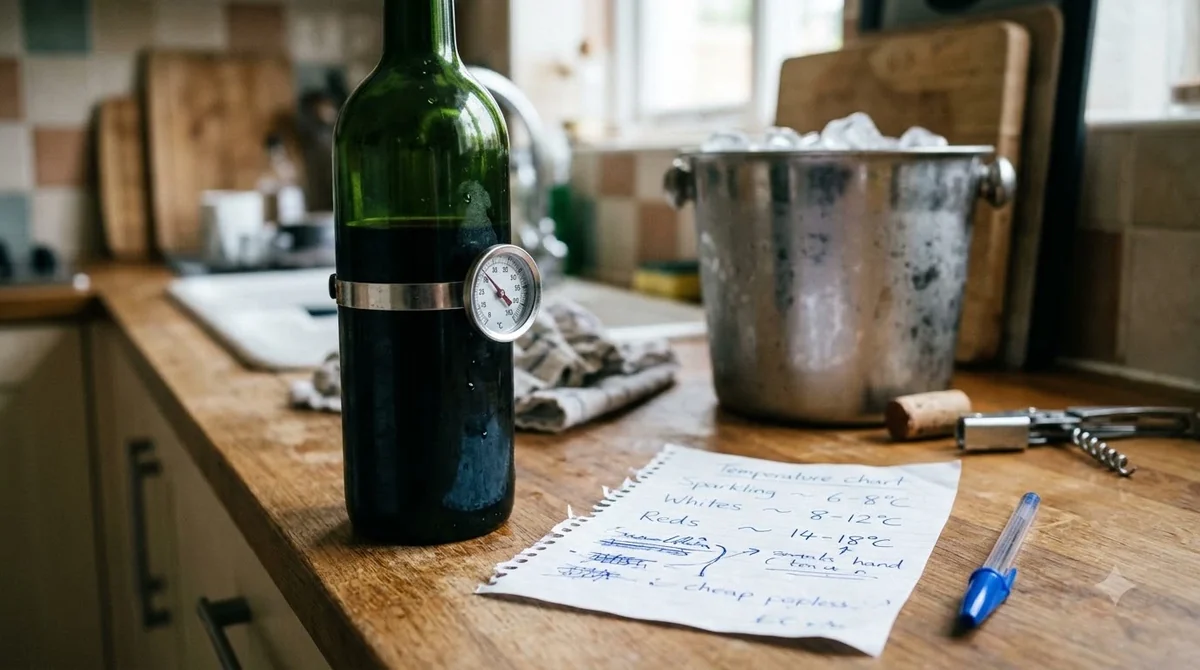
Serve each tier at its ideal temperature window to balance acidity, alcohol, and oak tannin:
- Faustino Brut Cava Reserva: Chill to 40 to 45 degrees Fahrenheit in an ice bucket for 20 minutes before pouring into tulip flutes.
- Faustino VII Blanco and Faustino V Rosado: Serve crisp at 45 to 55 degrees Fahrenheit to highlight citrus and red-berry acidity.
- Faustino I Gran Reserva Blanco: Serve slightly warmer at 50 to 55 degrees Fahrenheit so its oak fermentation in French and American barrels shows toasted almond and baked apple nuance.
- Faustino VII Tinto: Pour at 60 to 65 degrees Fahrenheit; no decanting is needed beyond 15 minutes in the glass.
- Faustino Crianza, Faustino V Reserva, and Faustino I Gran Reserva: Serve at 60 to 65 degrees Fahrenheit. Decant current-release Gran Reserva bottles for 30 to 60 minutes to soften tannins and lift cedar and dried cherry aromas, while older library vintages from the 1980s or 1990s should be decanted gently right before serving solely to separate natural sediment.
Once opened, re-cork still Faustino reds and whites and store them upright in a refrigerator; they stay fresh for three to five days, while opened sparkling Cava holds its bubbles for one to three days with a sparkling wine stopper.
Frequently Asked Questions
Why does Faustino I Gran Reserva have a Rembrandt painting on the bottle?
When Bodegas Faustino launched Faustino I Gran Reserva in 1964 from the 1958 harvest, third-generation owner Julio Faustino Martínez selected Rembrandt van Rijn’s 1641 portrait of Amsterdam merchant Nicolaes Van Bambeek for the label. According to Wine with Seth, the iconic label and frosted Burgundy bottle were designed to signal an artisanal, age-worthy Spanish red capable of competing alongside classic French fine wines.
How many barrels and bottles does Bodegas Faustino keep in its cellars?
According to Wine.com, Bodegas Faustino maintains a cellar stock of roughly 45,000 to 60,000 oak barrels—about 80 percent American oak and 20 percent French oak—alongside approximately nine million bottles of aging Reserva and Gran Reserva wine. That massive inventory allows the winery to hold bottles until they are fully mature without passing steep private-cellar storage fees on to retail buyers.
How much does Faustino Art Collection Crianza cost compared to regular Faustino Crianza?
Wine-Searcher lists Faustino Art Collection Crianza at an average US ex-tax retail price of about $12 to $16 per 750 ml bottle, making it slightly less expensive on average than standard Faustino Crianza at $15 to $25 per Wine-Searcher. Both wines are 100 percent Tempranillo aged for at least 12 months in oak barrels under DOCa Rioja rules.
What is the alcohol percentage of Faustino I Gran Reserva?
According to Wine.com, current releases of Faustino I Gran Reserva such as the 2016 vintage measure 14 percent ABV. High-elevation Rioja Alavesa vineyards between 1,500 and 1,800 feet preserve natural acidity in the Tempranillo, Graciano, and Mazuelo grapes so that 14 percent alcohol feels balanced rather than heavy.
Who owns Bodegas Faustino today?
Bodegas Faustino remains family-owned and is operated by the fourth generation of the founding Martínez family under the parent wine group Familia Martínez Zabala. Established in 1861 by Eleuterio Martínez Arzok in Oyón, the group oversees roughly 1,600 acres (650 hectares) of estate vineyards in Rioja according to Bodegas Faustino, alongside sister wineries across other Spanish denominations.
Tracking the Roman numerals from VII to V to I makes comparing any faustino wine price straightforward, whether picking up an entry-level Tempranillo around $15 or a flagship Gran Reserva near Wine-Searcher’s $42 US average. By checking the Rioja back-label stamp, comparing vintage years across retailers, and serving each bottle at its proper cellar temperature, shoppers get reliable Spanish craftsmanship at every budget tier.
More in Wine Brands
 Louis Latour Wine Price: Compare Bottles by Style and TierUpdated Nov 20, 2026
 Yellow Tail Moscato Price: What to Expect Before You BuyUpdated Nov 20, 2026
 Sutter Home Sweet Red Review: Find the Right Food PairingsUpdated Nov 20, 2026
 Franzia Chillable Red Review: Find the Right Serving StyleUpdated Nov 20, 2026
 Veuve Clicquot Rose Review: Flavor, Food Pairings and Buying AdviceUpdated Nov 20, 2026
 Rombauer Wine Price: Compare Bottles Before You BuyUpdated Nov 20, 2026