


We may earn a commission when you buy through links on this page, at no extra cost to you. Learn more.
The farberware corkscrew is a practical wine-opening accessory, with winged and waiter’s styles offering different advantages for home bars, everyday bottle opening, and travel. Its main appeal is straightforward functionality, including built-in bottle openers, comfortable grips on selected winged models, and compact folding construction on the waiter’s versions. The right choice depends on whether you prefer two-handed leverage or a smaller manual opener with a folding foil knife.
Farberware offers several corkscrew designs rather than one universal model. That distinction matters because construction, cleaning requirements, grip design, and opening mechanisms vary across the range. This review examines the available product information and owner feedback to explain which features deserve attention before choosing a model.
Specs and Key Features
Farberware corkscrews cover two principal designs: winged openers and folding waiter’s corkscrews. Both are manual tools, but they approach cork extraction differently, and their materials and additional functions depend on the particular model.
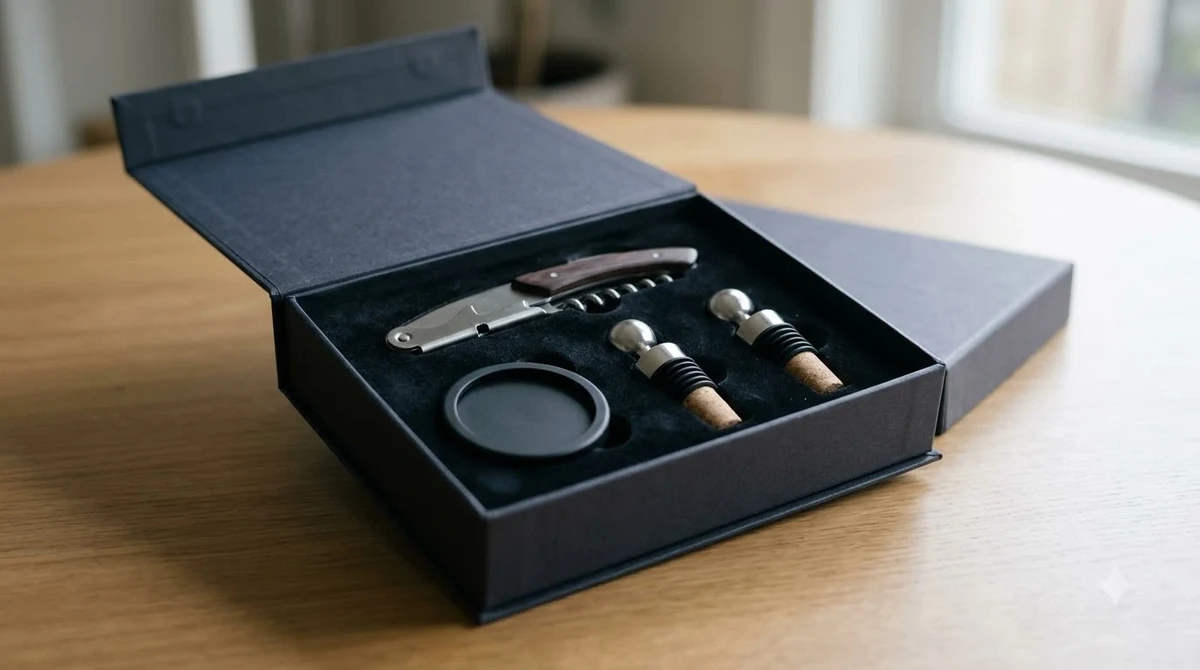
The Professional Waiters Corkscrew is a compact option with a stainless-steel construction, sharpened spiral, serrated foil cutter, utility knife, and bottle opener. BevMo describes its folding construction as suitable for storage and travel because the components fold into the handle. This arrangement makes it a useful choice for someone who wants several bar tools in one accessory.
The winged models take a different approach. Farberware’s Professional 5216099 uses zinc-alloy construction and soft-grip wings. Its design combines a built-in bottle opener with a mechanism intended to remove a cork in one piece. The soft-grip treatment is particularly relevant for people who prefer a larger contact area when pressing down on the handles.
Another distinction is cleaning. The 5216099 Professional winged model is specified for hand washing, while the Classic Series winged corkscrew listing at Lowe’s Foods identifies its product as dishwasher safe. These are separate product configurations, so cleaning instructions should not be transferred from one model to another.
| Model or design | Construction | Main features | Cleaning |
|---|---|---|---|
| Professional Waiters | Stainless steel | 4 functions: corkscrew, bottle opener, foil cutter, utility knife | Follow product instructions |
| Classic Waiters | Material not specified in the retailer description | 3-in-1 folding design | Follow product instructions |
| Professional 5216099 Winged | Zinc alloy | Soft-grip wings and built-in bottle opener | Hand wash |
| Classic Series Winged | Material not specified in the retailer description | Wing mechanism and built-in bottle opener | Dishwasher safe, according to retailer listing |
| Professional Hi-Tech Winged | Stainless steel with black finish | Turning head and press-down levers | Hand wash |
These specifications illustrate why the Farberware name alone is not enough to identify the right opener. The Professional Waiters model prioritizes compactness, while the Professional 5216099 emphasizes a more substantial winged mechanism. Buyers should distinguish between the two before comparing features or maintenance requirements.
The Professional Waiters model also has an advantage for people who want a foil cutter integrated into their wine opener. A traditional winged design may require a separate foil-cutting tool, depending on its configuration. That small difference can affect how convenient the accessory feels during a dinner party or when opening several bottles.
For additional product information, the Farberware Professional Waiters Corkscrew listing describes its materials and folding functions, while the Professional 5216099 product description identifies the construction and grip features of the winged version.
What Owners Like
Owner feedback for Farberware’s soft-grip winged corkscrew points to ease of operation, comfortable handling, and convenient cork removal as recurring positive themes. These qualities make the winged design appealing to people who want a familiar opening mechanism without learning the technique required by a traditional waiter’s corkscrew.
The soft-grip wings are one of the more useful design features. Pressing two handles downward requires a different type of hand movement from lifting a small waiter’s lever. A wider grip surface can make that movement feel more comfortable, particularly for users who open bottles occasionally and prefer a tool that provides a clear mechanical action.
The winged mechanism is also easy to understand. The spiral enters the cork as the upper handle turns, causing the two wings to rise. Once the spiral reaches the appropriate position, pressing both wings downward draws the cork out of the bottle. The sequence is visible, which helps beginners understand whether the opener is engaging correctly.
Walmart’s product-page review summary for the soft-grip model highlights simple operation, comfortable grips, and smooth cork removal among its positive themes. Its review discussion also includes build quality and durability as topics that owners consider. These observations are more useful as general patterns than as guarantees that every individual opener will perform identically.
The integrated bottle opener is another practical advantage. A home bar often needs a separate tool for beer bottles and other capped beverages. Having that function incorporated into a wine opener reduces the number of accessories required in a drawer or on a counter.
Farberware’s waiter’s design has a different appeal. Its folding construction keeps the spiral, utility knife, and other components together in one accessory. For someone who wants a wine opener for a picnic basket, travel bag, or compact home bar, this arrangement is more convenient than carrying a larger winged mechanism.
The folding format also offers a familiar approach to opening bottles. Instead of using two large wings, the user positions a small lever against the bottle rim and raises the handle to extract the cork. Once the motion is understood, it provides a controlled method of removal.
There is no single feature that makes every Farberware corkscrew suitable for every household. The positive feedback is most relevant to shoppers who value uncomplicated manual operation, useful integrated tools, and an accessible design rather than specialized wine-service equipment.
For a home bar with limited drawer space, either a folding waiter’s opener or a compact winged model can be a sensible addition. The decision should come down to the opening method that feels most comfortable and the extra functions that will actually be used.
Common Complaints
Durability and build quality deserve attention when considering a Farberware winged corkscrew. Owner feedback includes positive comments about operation, but the available review material also identifies durability as a recurring subject and includes an isolated report of a different Farberware winged model coming apart after limited use.
That negative report should be interpreted carefully. It concerns the Professional zinc-alloy winged model listed through Walmart Business, not necessarily the Professional 5216099, Classic Series, or Professional Waiters version. Different product configurations may use different materials and construction details, so one owner’s experience cannot establish a failure rate for the entire range.
Nevertheless, the report illustrates a consideration that applies to mechanical wine openers generally: moving joints and connected handles need to remain secure. The winged mechanism depends on coordinated movement between the central spiral and two side levers. If a joint becomes loose or a handle separates, the opener may no longer extract corks reliably.
Another potential drawback is the difference in maintenance instructions. Some shoppers may assume that all Farberware corkscrews can be washed in the dishwasher because one Classic winged listing identifies that cleaning method as acceptable. However, the Professional 5216099 and Professional Hi-Tech versions specify hand washing.
This difference is important because cleaning a tool incorrectly can affect its finish or mechanical components. The folding waiter’s version also contains multiple moving parts, including a spiral and small knife, that should be cleaned and dried carefully. A quick rinse without drying can leave moisture around hinges or joints.
The winged design can also feel bulky compared with a folding waiter’s corkscrew. Its handles extend outward during operation, so it occupies more working space around the bottle. This is rarely a major issue in a home kitchen, but it may be inconvenient when opening bottles on a crowded serving table.
On the other hand, a waiter’s corkscrew requires more coordination. The user must control the spiral, position the lever correctly, stabilize the bottle, and lift the handle without pulling at an awkward angle. Someone who prefers a simple, visible opening process may find the winged mechanism easier.
Another limitation is that the product range does not offer identical features across every version. A shopper expecting a built-in foil cutter on every winged opener may be disappointed. Likewise, a buyer looking for soft-grip handles should distinguish the 5216099 from other winged models rather than assuming the entire range uses the same materials.
There is also a practical limitation with damaged or fragile corks. Any conventional spiral opener can cause problems if it is inserted at an angle or driven too deeply. A cork that is already crumbling may need a different extraction technique, and a basic winged opener is not necessarily the best specialist tool for that situation.
Overall, the available feedback suggests a mixed but understandable picture. Farberware offers accessible manual designs with useful features, but buyers should pay attention to the specific construction, maintenance requirements, and condition of the moving components rather than relying on the brand name alone.
Who Should Buy and Who Should Skip
A Farberware corkscrew makes the most sense for casual wine drinkers, practical home-bar owners, and people who want a manual opener with straightforward operation. The winged and waiter’s versions serve different preferences, so the best option depends more on handling style than on the number of extra features.
Choose a winged model if: You prefer an opener with two visible handles and a relatively simple operating sequence. The mechanism is especially suitable for people who want to place the tool over a bottle, turn the central handle, and use downward pressure to extract the cork.
The Professional 5216099 is worth considering if soft-grip wings are a priority. Its zinc-alloy construction and built-in bottle opener provide a practical combination for a home bar. The Professional Hi-Tech model is another winged option, with stainless-steel construction, a black finish, a turning head, and press-down levers.
Choose a waiter’s model if: Compact storage and portability matter more than large handles. The Professional Waiters Corkscrew combines four functions in a folding design, including a corkscrew, bottle opener, serrated foil cutter, and utility knife.
This format is particularly useful for people who keep a small collection of wine accessories. It can be stored in a drawer, placed with other bar tools, or packed for an occasion away from home. Its compact profile also makes it a reasonable choice for a small apartment where countertop storage is limited.
Consider a different opener if: You regularly open large numbers of bottles and want a more specialized extraction mechanism. A basic manual opener can be perfectly suitable for occasional use, but frequent service may make a dedicated lever-style or electric opener more convenient.
People with limited hand strength should pay particular attention to the physical movement required by each design. The winged version involves turning a central handle and pressing two levers. The waiter’s version requires precise positioning and controlled lifting. Neither should automatically be considered easier for everyone.
Users who frequently open older bottles with fragile natural corks may also want a specialist opener designed for delicate cork extraction. Traditional spiral corkscrews work well for many everyday bottles, but old or deteriorating corks can require more careful handling.
For someone building a complete home bar, the Farberware range can fill the basic wine-opening role without requiring a collection of separate tools. A suitable accessory can be paired with glassware, bottle stoppers, and serving equipment on a dedicated bar cart.
Shoppers comparing different opening mechanisms should also consider the best rabbit corkscrew options. Rabbit-style openers use a lever-assisted mechanism that may suit people who prefer a more guided extraction process. They generally require more storage room than a folding waiter’s corkscrew.
Skip the Farberware range if your priority is a premium wine-service tool with a highly specialized mechanism, a particular professional finish, or a confirmed long-term durability record for intensive commercial use. The available product information and owner feedback do not establish that every model is suited to demanding restaurant service.
For everyday household use, however, the selection is reasonably practical. A casual drinker opening one or two bottles during a gathering may benefit more from a simple, familiar opener than from a complicated piece of equipment with features that rarely get used.
How It Compares to Alternatives
Farberware’s main competition is not limited to another brand. Different corkscrew categories offer distinct opening experiences, and comparing their mechanisms helps explain where the brand’s winged and waiter’s models fit.

A traditional winged corkscrew uses a central spiral and two side levers. This is the mechanism found in several Farberware models. It is easy to recognize and generally straightforward to operate, making it suitable for households where different people may use the same opener.
A traditional waiter’s corkscrew is smaller and folds into a handle. It normally uses a spiral, a small foil knife, and a hinged lever that rests against the bottle rim. Farberware’s Professional Waiters model follows this general format while incorporating a bottle opener and utility knife.
The key difference is leverage. The winged design raises both side handles as the spiral enters the cork, then uses downward pressure to remove it. The waiter’s design relies on a lever resting against the bottle lip, with the user lifting the handle to pull the cork upward.
Winged corkscrews can be easier for beginners because the mechanism provides visible feedback. When the wings rise, the user can see that the spiral is moving into the cork. Pressing both wings down is also a familiar action that does not require the same positioning technique as a waiter’s lever.
Waiter’s corkscrews have the advantage of compactness. They are particularly useful when storage space is limited or when the opener needs to travel. Their folding construction also makes it possible to keep a foil-cutting blade and bottle opener in one small accessory.
Rabbit-style corkscrews represent another alternative. These tools generally use a lever-assisted arrangement that grips or positions the bottle and controls the spiral’s movement. They can be attractive to people who want a guided opening motion and are willing to store a larger accessory.
Electric wine openers offer a different kind of convenience. They reduce the amount of manual twisting and lifting, but they introduce a need for charging or battery replacement. They also occupy more storage space than the folding Farberware waiter’s design.
The following comparison summarizes the practical differences between these categories.
| Opener type | Operating method | Storage profile | Best suited to |
|---|---|---|---|
| Farberware winged | Turn handle, press 2 wings | Medium to large | Everyday household opening |
| Farberware waiter’s | Turn spiral, lift lever | Compact and folding | Travel and small bars |
| Rabbit-style | Lever-assisted extraction | Usually larger | Guided manual opening |
| Electric | Motorized extraction | Usually larger | Reduced manual effort |
| Basic manual spiral | Manual twisting and pulling | Small | Occasional bottle opening |
One advantage of the Farberware selection is the availability of both compact and larger manual formats. Someone who values portability can choose the waiter’s style, while someone who prefers a familiar two-handle operation can select a winged version.
However, neither design should be mistaken for a universal solution. A winged opener is not necessarily the best tool for a fragile old cork, and a folding waiter’s corkscrew may require more practice than a beginner expects. The best category is the one that matches the user’s preferred movement and typical bottle-opening needs.
For a broader look at alternative manual mechanisms, rabbit corkscrew reviews can help explain how lever-assisted models differ from conventional winged and waiter’s designs. Comparing the opening process is more useful than choosing solely by appearance.
Overall, Farberware is best viewed as a practical everyday option rather than a specialized wine-service system. Its appeal lies in familiar mechanisms, integrated accessories, and the choice between folding and winged formats.
Frequently Asked Questions
Can a Farberware corkscrew open synthetic corks?
Most conventional spiral corkscrews can engage many synthetic corks, although extraction resistance varies with the cork material and fit. A synthetic closure may feel tighter than a natural cork, so steady pressure and a straight spiral position are important. Avoid forcing the opener if the cork does not begin moving.
Can a Farberware corkscrew be used on sparkling wine bottles?
A conventional corkscrew is not intended for removing the mushroom-shaped closure from a pressurized sparkling wine bottle. Sparkling wine closures should be removed using the appropriate hand-controlled technique while keeping the cork pointed away from people. A winged or waiter’s opener is intended for conventional cork closures instead.
What should you do if the cork breaks during extraction?
Stop pulling immediately and inspect the remaining cork before continuing. If enough cork remains intact, reposition the spiral carefully and avoid driving it through the bottom of the cork. A two-pronged cork puller may be a better option when the remaining material is particularly fragile.
Does the Farberware corkscrew work with screw-cap wine bottles?
No corkscrew is necessary for a screw-cap closure. Remove the cap by turning it counterclockwise while holding the bottle securely. Using a spiral opener on a screw cap can damage the closure without providing any useful benefit.
How can you tell whether a corkscrew spiral needs replacement?
Look for visible bending, corrosion, damaged coating, or a tip that no longer enters cork cleanly. A bent spiral can travel at an angle and make extraction more difficult. If the spiral or its attachment is damaged, replacing the opener is generally preferable to continuing to use an unreliable mechanism.
The Farberware corkscrew range offers practical options for people who want a straightforward manual wine opener, with winged and folding waiter’s designs covering different household needs. The Professional Waiters model is the more compact choice, while the soft-grip 5216099 winged version is worth considering for users who prefer two-handle leverage. Compare the specific construction and cleaning requirements before choosing, and prioritize the opening style that feels most comfortable for regular use.
More in Wine Accessories
 Vinglace Wine Tumbler Review: A Glass-Lined Choice for Better SippingUpdated Nov 20, 2026
 ZWILLING Electric Wine Opener Review: Features and DrawbacksUpdated Nov 20, 2026
 Vinturi Electric Wine Opener Review for Easy UncorkingUpdated Nov 20, 2026
 Vinabon Wine Aerator Review for Easier, Cleaner Wine ServingUpdated Nov 20, 2026
 Vacu Vin Electric Wine Opener Review: Easy Cork Removal for Home Wine LoversUpdated Nov 20, 2026
 Rabbit Wine Accessories for Easier Home Wine ServiceUpdated Nov 20, 2026