

We may earn a commission when you buy through links on this page, at no extra cost to you. Learn more.
The far niente chardonnay price typically falls around $50 to $80 for a 750 ml bottle in US retail stores, depending on the vintage, retailer, and availability. The 2023 Napa Valley Chardonnay commonly appears near the middle of that range, although individual listings can fall below or above it. Its French oak barrel fermentation, Napa Valley fruit, and rich yet fresh style help explain its premium positioning among California Chardonnays.
Far Niente Chardonnay occupies a distinctive position in the American white wine market. It offers the familiar appeal of ripe Chardonnay fruit alongside oak-derived texture, citrus freshness, and a polished finish. Understanding its typical retail cost requires more than looking at one store listing. Vintage, bottle size, local availability, and the difference between a regular retail offer and a specialty wine shop all influence what shoppers actually pay. This guide explains how to assess the price, compare bottles, and decide whether this Napa Valley Chardonnay belongs in your shopping basket.
Who Should Consider Far Niente Chardonnay
Far Niente Chardonnay suits drinkers who enjoy dry, medium- to full-bodied white wines with ripe fruit, noticeable oak influence, and enough acidity to keep the finish fresh. It is particularly appealing to people who prefer a richer Chardonnay rather than a very lean, mineral-driven white wine.
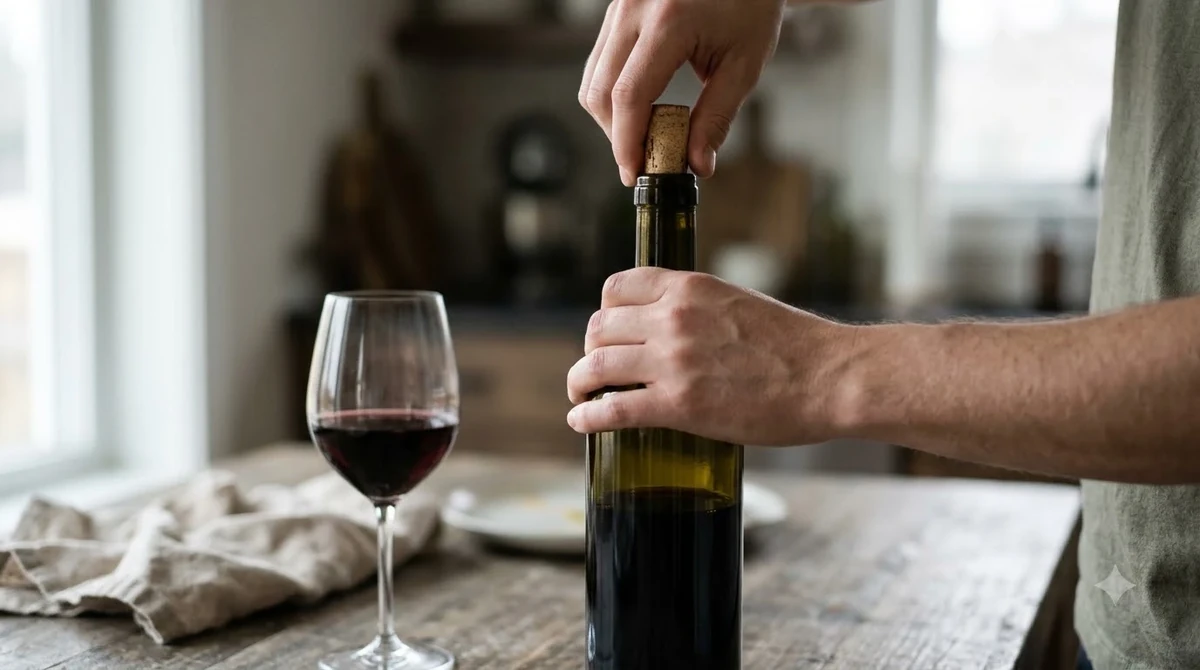
The winery describes its Chardonnay as combining apples, pears, and citrus with vanilla and toasted bread. French oak barrel fermentation and oak aging contribute to the wine’s fuller texture. These characteristics make it a natural choice for someone who enjoys California Chardonnay with both fruit intensity and a developed winemaking character.
It also makes sense for shoppers looking for a bottle for a dinner party, holiday meal, anniversary, or other occasion where a recognizable Napa Valley producer is desirable. A 750 ml bottle provides approximately five standard 5 oz glasses, making it a practical size for a small gathering or a meal shared by two people who each want more than one pour.
However, the wine is not automatically the right choice for every Chardonnay drinker. Someone who prefers unoaked Chablis, very light-bodied whites, or crisp Sauvignon Blanc may find its oak influence and fuller mouthfeel too pronounced. Similarly, shoppers looking primarily for an inexpensive weekday cooking wine can find less costly alternatives.
Before comparing retail listings, consider what you enjoy in a white wine. If baked apple, citrus, pear, vanilla, and toasted almond sound appealing, Far Niente’s style may justify a higher purchase price. If you generally prefer green apple, sharp acidity, and little oak, a different Chardonnay style may offer greater satisfaction.
Typical Far Niente Chardonnay Price and Vintage Differences
A 750 ml bottle generally belongs in the premium California Chardonnay category, with the 2023 vintage frequently appearing around the $60 to $75 retail range. Older vintages, unusual bottle sizes, and specialty-store listings can produce different price points.
VinoAlert’s US retailer comparison for the 2023 vintage shows a typical tracked price of approximately $69.97 per 750 ml bottle, with displayed retail offers ranging from $39.99 to $99. These figures reflect individual listings rather than a guaranteed price available in every state. Prices vary by state and retailer, and shipping, taxes, inventory, and local distribution can change the final amount. VinoAlert’s 2023 price comparison provides a useful reference for understanding the spread between shops.
Other retail references provide additional context. Total Wine lists the 2023 bottle in its 750 ml format, while Wine Enthusiast identifies the same vintage as a Napa Valley Chardonnay. Different retailers may display different prices because their purchasing arrangements, locations, inventory, and selling conditions are not identical.
| Price comparison | 750 ml reference | What it means |
|---|---|---|
| Lower retail range | About $40–$55 | Less expensive listings; confirm vintage and availability. |
| Typical shopping range | About $55–$75 | A useful comparison range for the 2023 vintage. |
| Higher retail range | About $76–$99 | Higher-priced store listings and specialty retail offers. |
| Magnum format | 1.5 liters | Equivalent to two standard 750 ml bottles. |
The ranges in this table are shopping benchmarks drawn from the displayed 2023 US retail listings on VinoAlert, rather than official winery price tiers. A lower listing does not necessarily indicate a different wine, but shoppers should confirm the vintage, bottle size, and whether the listing is an ordinary single-bottle retail offer. VinoAlert separately identifies case-only and pre-arrival offers, which should not be treated as immediately available individual bottles.
Vintage also matters. A newer release may be easier to find through multiple retailers, while an older vintage may have fewer remaining bottles and a wider range of asking prices. For that reason, comparing two bottles without checking their vintage can lead to an inaccurate assessment of value.
For a broader understanding of the wine itself, the Far Niente Chardonnay overview provides useful context about its identity and place in the winery’s portfolio.
Key Factors to Compare Before Buying
The most useful price comparison considers four things: vintage, bottle size, retailer, and the wine’s production style. Looking at these details together gives a more reliable picture than choosing the lowest displayed number.
Vintage and availability: Start by identifying the year on the label. The 2023 Chardonnay is a useful reference because it appears across several US retail listings and has been reviewed by established wine publications. An older bottle may appeal to someone interested in mature Chardonnay, but its higher asking price does not automatically mean it is better suited to every drinker.
Bottle size: The standard 750 ml format is the easiest size to compare. A 1.5 liter magnum contains twice as much wine, or approximately ten standard 5 oz pours. Comparing the total magnum price directly with a 750 ml bottle without adjusting for volume can make the larger format look more expensive than it actually is on a per-bottle-equivalent basis.
Retailer and location: Wine shops do not all carry the same inventory. Some stores focus on local pickup, while others offer shipping to selected states. Total Wine specifically notes that price, vintage, and availability can vary by store. A shopper in California may see a different selection from someone purchasing in New York or Florida.
Production style: Far Niente explains that its Chardonnay is barrel-fermented in French oak in its historic stone caves. This production approach helps explain the wine’s combination of fruit, texture, vanilla, and toasted-oak character. It also distinguishes the wine from simpler Chardonnays made with a deliberately neutral or unoaked profile.
Reviews and tasting descriptions: A published review can help determine whether the wine’s style fits your preferences, although scores should not be treated as a guarantee of personal enjoyment. Wine Enthusiast’s review of the 2023 vintage describes baked apple, spiced citrus, ginger cream, guava, and toasted almond pastry, alongside pronounced acidity and a long finish. These details offer more useful buying context than a numerical score alone.
Food plans: Consider what you intend to serve. A fuller Chardonnay can be more suitable for butter-based seafood, roast poultry, or creamy pasta than a very delicate white wine. Matching the bottle to the meal can make the purchase feel more worthwhile, especially when buying for a special occasion.
Tip: Compare at least three ordinary retail listings for the same vintage and 750 ml size. Exclude case-only and pre-arrival offers, then compare the actual bottle cost before taxes and shipping.
Step-by-Step: How to Find a Reasonable Retail Price
A consistent comparison process helps prevent shoppers from confusing an unusually low listing with the normal market range. Follow these steps before deciding which bottle to purchase.
-
Identify the exact wine.
Look for Far Niente Chardonnay rather than another Chardonnay made by a producer associated with the broader Far Niente portfolio. The winery also lists Chardonnay offerings from Nickel & Nickel, EnRoute, Bella Union, and Post & Beam. These are distinct labels and should not be treated as interchangeable products.
-
Confirm the vintage.
Read the year on the bottle or product listing. A 2023 bottle and a 2022 bottle are separate vintages, and their availability and retail pricing can differ. Make sure the search results do not combine older bottles with current releases.
-
Standardize the bottle size.
Use 750 ml as the reference size. If a store lists a 1.5 liter magnum, divide its total price by two to calculate the equivalent cost of a standard bottle. This makes comparisons more meaningful.
-
Compare several retailers.
Check a national retailer, a regional wine shop, and a wine-price comparison service. Look at the displayed vintage, bottle size, shipping availability, and whether the product can actually be purchased individually.
-
Separate the bottle price from extra charges.
Shipping, state taxes, and local delivery fees can change the final amount. A listing with a lower bottle price may not represent the least expensive completed purchase once those charges are included.
-
Consider the drinking occasion.
If the bottle is intended for a dinner with four guests, one standard bottle provides approximately five 5 oz pours. For a larger gathering, calculate the number of bottles needed before comparing the total purchase cost.
-
Choose according to your preferences.
Consider whether you want a fruit-forward, oak-influenced Chardonnay or a leaner white wine. A lower retail listing is only useful if the wine’s style matches what you actually enjoy drinking.
This process also helps when comparing the Far Niente Chardonnay tasting notes with retailer descriptions. Tasting information gives you a clearer idea of the experience inside the bottle, while price comparisons help determine whether the purchase fits your expectations.
Far Niente Chardonnay Styles and What to Expect
Far Niente Chardonnay is best understood as a dry, oak-influenced Napa Valley white wine with ripe fruit and a relatively full texture. Its flavor profile offers more richness than a very light, unoaked Chardonnay, but the winery emphasizes freshness and acidity alongside barrel-derived character.
Fruit and aromatic character
Apple, pear, citrus, melon, and stone fruit are useful reference points when considering the wine. The 2023 review from Wine Enthusiast adds baked apple, spiced citrus, ginger cream, guava, and toasted almond pastry to the description. Total Wine’s product information also highlights orange blossom, ginger, ripe melon, peach, apricot, lemon zest, smoked sea salt, and fennel pollen.
These descriptions suggest a wine with several layers rather than a simple tropical-fruit profile. Citrus and floral aromas contribute freshness, while ripe fruit gives the palate a fuller impression. Toasted almond and pastry notes can make the wine particularly appealing to people who enjoy Chardonnay with some oak development.
Oak and texture
Oak is an important part of Far Niente’s Chardonnay identity. The winery describes barrel fermentation in French oak and aging in oak barrels. This helps account for the vanilla and toasted-bread characteristics that appear in its description of the wine.
However, oak influence should not be confused with sweetness. Far Niente states that its Chardonnay is fermented fully dry. The creamy impression comes from its texture, ripe fruit, and oak-related aromas rather than necessarily indicating a sweet wine.
Acidity and finish
A wine with a rich texture still benefits from freshness. Wine Enthusiast describes the 2023 vintage as having pronounced acidity, helping carry the flavors into a long, rich, juicy, and smooth finish. This combination is useful at the dinner table because acidity can balance dishes with butter, cream, or other rich ingredients.
For shoppers comparing different expressions of Chardonnay, it helps to distinguish this style from wines that emphasize only sharp citrus or pronounced minerality. Far Niente’s approach combines fruit concentration, oak, and freshness, making it a more substantial option for a meal rather than simply a light aperitif.
Common Buying Mistakes That Can Affect Value
The most common mistake is assuming every listing for Far Niente Chardonnay represents the same purchase. Vintage, bottle format, retailer conditions, and product identity can all affect the comparison.
Confusing related winery labels: Far Niente’s broader portfolio includes several Chardonnay-producing labels. Nickel & Nickel, EnRoute, Bella Union, and Post & Beam are not simply alternate names for the standard Far Niente Chardonnay. Make sure the product name matches the wine you intend to buy.
Comparing different vintages: A listing for an older vintage should not be used as a direct price benchmark for the 2023 release. Different years have separate production histories, stock levels, and retail availability. A higher asking price for an older bottle does not necessarily mean it offers a better drinking experience.
Ignoring bottle volume: A magnum contains 1.5 liters, twice the amount in a standard 750 ml bottle. Comparing the total prices without accounting for volume can create a misleading impression about which option represents better value.
Using a single retailer as the market benchmark: One store’s listing reflects its own inventory and location. It cannot establish a universal US retail price. Comparing several retailers provides a more useful picture, particularly when a wine is sold through both regional shops and national chains.
Misreading case-only listings: Some price-comparison pages show a per-bottle equivalent even when the retailer requires the customer to purchase an entire case. That is not the same as buying one bottle. Check the offer conditions before treating a displayed figure as a single-bottle option.
Assuming oak means sweet: Chardonnay with vanilla, toasted bread, and creamy texture can seem sweet to some drinkers. Far Niente describes its Chardonnay as fully dry, so these characteristics should be understood as part of its flavor and texture rather than evidence that it is a dessert wine.
Overlooking shipping restrictions: Alcohol shipping rules differ across US states. A retailer may advertise a bottle but not ship it to every destination. Confirm delivery eligibility or local pickup options before making a purchase decision.
Another useful step is to explore the wider Far Niente wine portfolio. Understanding the differences between the producer’s labels can help prevent accidental substitutions when browsing retailer catalogs.
Serving, Food Pairing, and Storage Tips
Proper serving conditions help reveal the wine’s fruit, acidity, and oak character. Far Niente recommends serving Chardonnay between 50°F and 55°F, a temperature range that allows the wine’s aromas and fuller texture to become more apparent.
Serving temperature: Refrigerated Chardonnay can be too cold immediately after removal from the refrigerator. The winery recommends allowing its Chardonnay to warm for 10–15 minutes before serving. This helps bring out the aromas of stone fruit, citrus, and oak without letting the wine become excessively warm.
Glassware: Use a standard white wine glass with enough room to swirl the wine gently. A glass with a moderately wide bowl gives the aromas more room to develop. Fill it to around 5 oz rather than pouring to the rim, leaving room to appreciate the bouquet.
Seafood pairings: Butter-poached lobster, crab, and scallops are natural matches for the wine’s fuller texture and citrus character. The acidity helps balance butter and seafood richness, while the oak notes complement grilled or lightly browned preparations.
Poultry and pasta: Roasted chicken works particularly well, especially when served with pan juices, herbs, or a light cream sauce. Pasta with butter, mushrooms, or a moderate amount of cream can also complement the wine’s body. Avoid overly acidic sauces that would make the wine seem less fresh by comparison.
Storage: Keep unopened bottles in a cool, dark location away from direct sunlight and major temperature changes. A storage temperature near 55°F is a useful target. Bottles with natural cork closures are generally stored on their sides to keep the cork from drying out.
After opening: Refrigerate the remaining wine and use a suitable closure to limit exposure to oxygen. Most opened still wines are best consumed within approximately 3–5 days, although their aromas and freshness may change during that period. Allow a refrigerated serving to warm slightly before pouring the next glass.
For a dinner party, the wine can be opened shortly before serving. Unlike a young, tannic Cabernet Sauvignon, Chardonnay generally does not require a long decanting period. A gentle swirl in the glass is usually sufficient to release its aromas.
Frequently Asked Questions
Is Far Niente Chardonnay made from 100% Chardonnay grapes?
Far Niente markets this wine as Chardonnay, but the general collection page does not provide a complete technical blend breakdown for every vintage. The Chardonnay designation identifies the principal grape variety rather than supplying a detailed production specification. Consult the winery’s vintage-specific technical information if an exact percentage is important to your purchase.
Can Far Niente Chardonnay be aged for several years?
Yes, the winery describes its Chardonnay as capable of developing complexity over time. However, the ideal drinking window depends on the individual vintage, storage conditions, and personal preference. Consistent cool storage and protection from temperature fluctuations are important for preserving the wine.
Does Far Niente Chardonnay need to breathe before drinking?
It generally does not need extended aeration. Pouring a small amount into a suitable glass and allowing it to sit for a few minutes can help its aromas develop. The winery’s recommended serving temperature is more important than a lengthy breathing period for enjoying its intended balance.
Is Far Niente Chardonnay suitable for a wine gift?
It can be a thoughtful gift for someone who enjoys premium California white wines. Its Napa Valley identity and French oak production approach give it a recognizable style to discuss. For a gift, matching the recipient’s preference for fuller, oak-influenced Chardonnay is more important than choosing a particular bottle presentation.
How many standard servings are in a magnum of Far Niente Chardonnay?
A 1.5 liter magnum contains 1,500 ml of wine. With a standard 5 oz serving measuring approximately 148 ml, the bottle provides about ten full glasses. This format can be convenient for a dinner with several guests, provided everyone enjoys the same wine.
Far Niente Chardonnay is a premium Napa Valley white wine for drinkers who appreciate ripe fruit, French oak character, and a fresh finish. Compare the same vintage and bottle size across several retailers rather than relying on one advertised listing. With the right purchase and serving temperature, it can be an appealing choice for seafood, roasted chicken, and other rich dinner dishes.
More in Wine Brands
 Underwood Wine Price: Compare Bottles, Cans, and Pack SizesUpdated Nov 21, 2026
 Zenato Wine Price: Compare Styles and Choose the Right BottleUpdated Nov 21, 2026
 Zuccardi Wine Price: Compare Bottles and Find the Right RangeUpdated Nov 21, 2026
 Yellow Tail Moscato Review: Taste, Sweetness and Serving TipsUpdated Nov 21, 2026
 Wolf Blass Yellow Label Review: Choose Your Best StyleUpdated Nov 21, 2026
 Wolffer Estate Rose Review: Choose the Right Bottle for Your TableUpdated Nov 21, 2026