

We may earn a commission when you buy through links on this page, at no extra cost to you. Learn more.
Far Niente wine comes from an Oakville estate in Napa Valley, and the winery is best known for its Chardonnay and its estate-grown Cabernet Sauvignon. The estate’s history goes back to the 1880s, and its wines are built around the idea of elegance rather than sheer size. The name is Italian for “the sweetness of doing nothing,” and it reflects the relaxed, restorative feel the owners hoped the place would carry.
This guide explains the history behind Far Niente wine, the main styles the estate is known for, how to serve and pair them, and how to decide whether a bottle fits the occasion. It draws on the winery’s own history page and on common wine-education sources about Napa Valley producers.
The history behind the name and the estate
According to the winery’s history page, John Benson bought a 216-acre farm in Oakville in 1880 and named it Far Niente. The stone winery was built around 1885 and 1886. The page notes a small discrepancy in its own timeline, since a later entry dates Benson’s founding of the Oakville estate to 1885, so readers who need an exact year should treat both dates as the estate’s own account rather than a settled historical record.
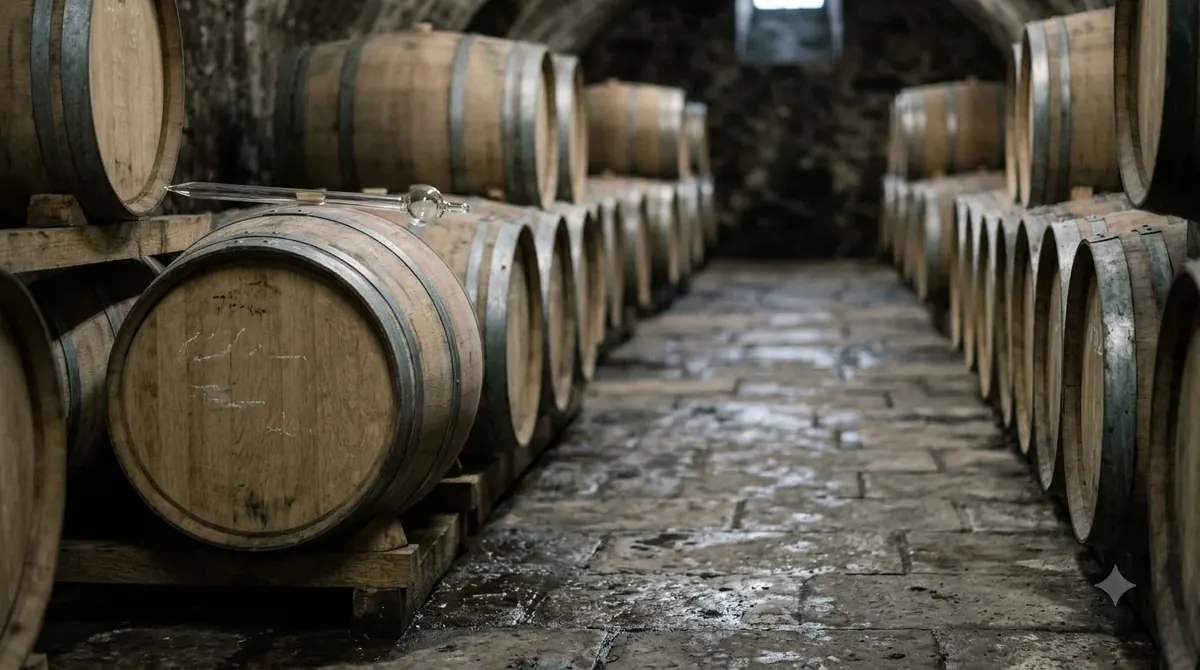
After Prohibition the property was in poor condition, and the estate’s modern story begins in 1979. That year Gil Nickel revived the winery after finding the abandoned building, partnering with owner Doug Stelling. The revival is central to how the brand presents itself: a historic stone winery, wine caves and gardens rebuilt into a working estate with a focus on quality.
The wines that built the reputation
Chardonnay is where the modern Far Niente story starts. The page identifies the 1979 Chardonnay as the first wine the estate released after Prohibition. In 1981, Nickel imported Grand Cru Chardonnay cuttings from Burgundy, and the page says those vines became central to the winery’s production. The estate describes its Chardonnays as elegant, with a focus on balance and texture rather than heavy oak or ripeness.
Cabernet Sauvignon followed. Production resumed in 1982 with a Cabernet made entirely from grapes grown in the Stelling Vineyard. In 2001 the winery changed its Cabernet to come exclusively from Oakville estate fruit, which marked a shift toward a single, consistent source for the wine. The estate frames its approach with reference to Bordeaux First Growths and Burgundy Grand Crus, two benchmarks that shape the goals of its winemakers.
| Wine | What the estate emphasizes | Good with |
|---|---|---|
| Chardonnay | Elegance, balance and a texture influenced by Burgundian Grand Cru cuttings | Roast chicken, lobster, creamy pasta |
| Cabernet Sauvignon | Estate-grown fruit from Oakville, with structure and aging potential | Ribeye, lamb, aged hard cheeses |
| Red and white blends | Blended for balance, drawing on the estate’s varieties | Grilled dishes, roasted vegetables |
Because the Cabernet is grown on estate land, Far Niente bottles tend to show a clear sense of place. The Chardonnay leans on the Burgundy-derived vines and the winery’s aim for elegance. Shoppers who like a restrained, polished style will find the range easier to enjoy than wines that chase big extraction.
How to serve Far Niente wine
Serving temperature changes how the wines taste, and the estate’s whites respond well to a moderate chill. Chardonnay served too cold can hide its texture and aroma, so take the bottle out of the fridge a short time before pouring. Cabernet Sauvignon shows best when it is slightly cooler than room temperature, and giving a young bottle time to open in the glass helps the structure settle.
Decanting is most useful for a young Cabernet, since it can soften tannins and let the fruit come forward. An older bottle is usually better poured gently into the glass with little or no decanting, because too much air can fade delicate aromas.
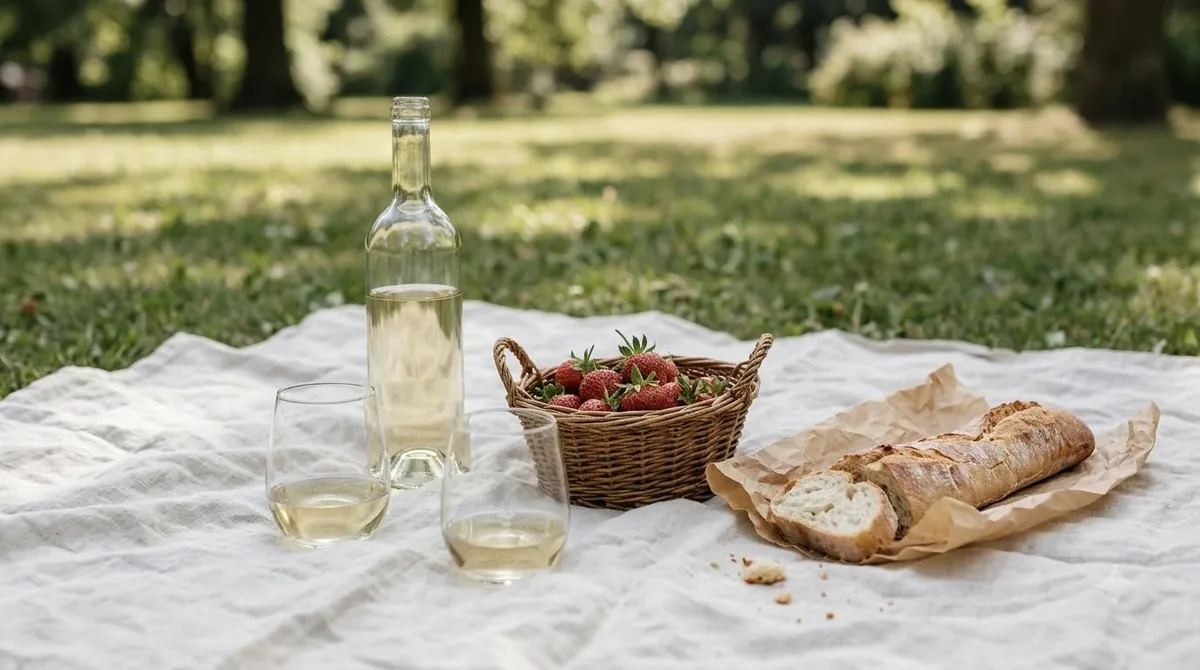
Food pairing for the estate’s wines follows classic patterns. Chardonnay works with roast chicken, seafood and creamy sauces, while Cabernet Sauvignon fits red meat, lamb and aged cheeses. Reviewers at major wine publications often describe Napa Cabernet as a natural partner for rich, savory dishes, and that reading applies well to Far Niente’s style.
How to choose a bottle for the occasion
For a dinner centered on white wine, a Chardonnay from this estate is a polished choice that does not overpower lighter courses. For a special meal with red meat or a cheese course, the Cabernet is the more natural fit. If you are hosting guests with different preferences, a Chardonnay and a Cabernet give you two clear options that complement one another across a full menu.
Think also about how long you plan to keep the bottle. Young Chardonnay is best enjoyed within a few years of release, while a well-made Cabernet can develop over a longer period. Check the vintage on the label and, if you are buying an older bottle, ask the seller how it has been stored.
Storing and visiting Far Niente
Store bottles in a cool, dark place with steady temperature, lying on their side if they have corks. Heat and light are the main enemies of fine wine, so avoid keeping bottles in a sunny room or near a kitchen appliance. Once opened, reseal white wines and refrigerate them, and drink them within a few days for the best flavor.
The estate’s historic stone winery, caves and gardens are part of what makes the brand distinct, and visitors who want to see the property should check the winery’s current visiting options before making plans. Booking ahead is usually the safest approach for tasting appointments in Napa Valley.
Why Oakville matters to the wines
Oakville is one of the best-known districts in Napa Valley, and its gravelly soils and warm days are often cited as a reason for the depth of its Cabernet Sauvignon. Growers in the area have long pointed to these conditions when describing the style of the valley’s most famous reds. For Far Niente, being located in the district means the estate’s Cabernet reflects a particular corner of the valley rather than a blend of fruit from many regions.
That focus on one site also explains why the winery’s approach has changed over time. Moving the Cabernet to exclusively Oakville estate fruit in 2001 gave the wine a clearer identity, and it lets the estate speak to its own land. Shoppers who want to understand how a Napa Cabernet can change with the place it grows will find the Far Niente story a useful example.
The Chardonnay tells a related story. Its roots in Burgundian Grand Cru cuttings link the estate to a different tradition, and the blend of Napa sunshine with a more restrained approach gives the wine its characteristic balance. Tasting the Chardonnay and Cabernet side by side is one of the clearest ways to see how the estate applies its philosophy across two very different grapes.
For readers new to the region, the district’s reputation can make choosing a bottle feel intimidating. A practical starting point is to read the vintage and the producer’s notes, then decide whether you want a white for lighter meals or a red for richer dishes. From there, the range of styles becomes easier to compare.
Frequently Asked Questions
Where is Far Niente winery located?
Far Niente is located in Oakville, in the Napa Valley of California. The estate includes a historic stone winery, wine caves and gardens on the property.
What does Far Niente mean?
Far Niente is Italian for “the sweetness of doing nothing.” John Benson chose the name when he bought the Oakville farm, and the winery still uses it as its identity.
What is Far Niente best known for?
The winery is best known for its Chardonnay and its estate-grown Cabernet Sauvignon. The estate describes its Chardonnay as elegant, and its Cabernet has come exclusively from Oakville estate fruit since 2001.
What food pairs with Far Niente Chardonnay?
Roast chicken, lobster and creamy pasta are good matches. The wine’s balance and texture suit dishes that have some richness without heavy spice.
If you are exploring Napa Chardonnay more broadly, the far niente chardonnay guide goes deeper into the white style, and it can help you compare the bottles on a store shelf. For value options or lighter occasions, the barefoot wine and la marca prosecco guides offer useful contrasts, and the wine brands guide covers how premium producers fit into the wider market.
The estate’s own history and background are on the Far Niente history page, which covers the Oakville property and the winery’s early years in more detail.
More in Wine Brands
 Underwood Wine Price: Compare Bottles, Cans, and Pack SizesUpdated Nov 21, 2026
 Zenato Wine Price: Compare Styles and Choose the Right BottleUpdated Nov 21, 2026
 Zuccardi Wine Price: Compare Bottles and Find the Right RangeUpdated Nov 21, 2026
 Yellow Tail Moscato Review: Taste, Sweetness and Serving TipsUpdated Nov 21, 2026
 Wolf Blass Yellow Label Review: Choose Your Best StyleUpdated Nov 21, 2026
 Wolffer Estate Rose Review: Choose the Right Bottle for Your TableUpdated Nov 21, 2026