

We may earn a commission when you buy through links on this page, at no extra cost to you. Learn more.
The Elgin Wine Festival is a chance to explore the cool-climate wines of Elgin Valley in South Africa’s Western Cape, with tastings, local food, and access to producers from one of the Cape’s most distinctive wine-growing areas. The name can refer to more than one event, including the Elgin Cool Wine & Country Food Festival and the Elgin Winter Wine Festival at Elgin Railway Market. Knowing which format is being advertised helps you plan the right dates, transport, and tasting stops.
Elgin sits in the Overberg, east of Cape Town, where altitude, cloud cover, and cool maritime air favor grapes such as Sauvignon Blanc, Chardonnay, Pinot Noir, and Syrah. A festival visit can be a single market-based tasting or part of a longer self-drive weekend among vineyards, farm restaurants, and the historic railway market. Event names and schedules can change, so treat past dates as examples and confirm the next programme with the organizer before making travel plans.
Which Elgin Wine Festival Do You Mean?
Elgin’s wine calendar includes several events rather than one permanent festival with a single format. The Elgin Cool Wine & Country Food Festival is associated with the end of April, while the Elgin Railway Market separately promotes an Elgin Winter Wine Festival focused on tasting regional wines indoors.

That distinction matters because the experience can be quite different. A valley-wide festival may involve multiple wine farms, individual tasting programmes, food offerings, and travel between estates. A Railway Market event brings producers and visitors together at one address on Oak Avenue, with the market’s food vendors nearby. They do not necessarily share a date, ticket arrangement, or winery list.
A useful recent example is the Elgin Railway Wine Festival listing for April 25–26, 2026. The listing named 12 Elgin and Bot River producers and wines including Sauvignon Blanc, Chardonnay, Merlot, Malbec, Syrah, and Pinot Noir. That is a dated example of a market-based tasting, not a promise that the same event or line-up will return on those dates. The market’s current festival page uses the name Elgin Winter Wine Festival and highlights Pinot Noir, Chardonnay, Malbec, Syrah, and Sauvignon Blanc.
Wesgro, the Western Cape’s official tourism and investment organization, identifies the Elgin Cool Wine & Country Food Festival as an annual event held toward the end of April. It also lists the Elgin Chardonnay Colloquium in early October. The colloquium is a more focused event. Before booking, confirm the title, venue, date, and whether the programme covers one market or several farms.
Why Elgin Produces Distinctive Cool-Climate Wine
Elgin’s wine style begins with a high, cool valley setting rather than a single grape variety. Vineyards sit roughly 300 to 600 meters above sea level, and maritime breezes, cold winters, and abundant rainfall help create conditions for slow, measured ripening.

The region occupies part of the Overberg near the Hottentots-Holland Mountains. Vineyard elevations and local exposures vary, while soils include Table Mountain sandstone and Bokkeveld shale. Those differences create a patchwork of growing conditions, so a Sauvignon Blanc from one farm may not taste identical to a bottle from another estate a short drive away. Ask about vineyard altitude, slope, and soil rather than assuming every Elgin wine has the same profile.
South African Tourism describes growing-season cloud cover that can delay ripening by as much as two months compared with other Cape vineyards. A longer season can help preserve natural acidity while flavors develop. In the glass, this often translates into fresh, precise white wines, particularly Sauvignon Blanc, and reds with freshness and structure instead of a heavy, warm-climate profile.
Elgin is a useful case study in how place affects wine. Its route belongs in a broader Wine Regions conversation because the combination of altitude, sea influence, and soil is as important as the grape name on the bottle. Visitors who already know the warmer, more inland Cape styles may find Elgin’s restraint and bright acidity especially noticeable.
Wines and Producers to Look For
Start with Sauvignon Blanc, Chardonnay, Pinot Noir, and Syrah: these varieties make a good introduction to Elgin’s range. The valley also grows Riesling, Semillon, Viognier, Gewürztraminer, Cabernet Sauvignon, Merlot, and small experimental quantities of Grenache Noir.
White wines: freshness and texture
Elgin Sauvignon Blanc is often recognized for crisp acidity, freshness, and a mineral edge. It can work well with oysters, grilled fish, goat cheese, or salads with citrus and herbs. With Chardonnay, compare acidity, weight, and texture rather than asking only whether it is oaked: a leaner expression can suit seafood and roast chicken, while a richer version may be a better partner for butter-based sauces or a creamy mushroom dish. Riesling and Semillon broaden the tasting. Riesling can show vivid acidity and citrus or stone-fruit character, while Semillon may bring a broader texture and can appear on its own or in a blend. Some estates also make Méthode Cap Classique, South Africa’s traditional-method sparkling wine. Charles Fox, for example, lists MCC Brut, MCC Brut Rosé, and Blanc de Blanc among its wines.
Red wines: Pinot Noir and Syrah
Pinot Noir is a natural variety to seek out in a cool region. Its typically lower-to-medium tannin and lively acidity can make it a versatile partner for roast poultry, mushrooms, grilled salmon, or dishes with earthy herbs. Compare fruit and savory notes, and notice whether the wine feels light or concentrated. Syrah offers a darker and more savory contrast, often bringing spice and firmer structure. It can suit grilled lamb, sausages, or roasted vegetables. Malbec, Merlot, and Cabernet Sauvignon add other textures to a tasting flight, but the festival is a good place to compare them rather than assume that every red will be full-bodied. Salt and fat in food can soften tannin, while chili heat can make alcohol and tannin seem more pronounced.
Wines of Elgin lists tasting rooms and producer details for estates including Almenkerk, Elgin Vintners, Oak Valley, Paul Clüver Family Wines, South Hill, and others. Its directory shows how broad the range is: Almenkerk lists Sauvignon Blanc, Chardonnay, rosé, Merlot, Syrah, and a red blend; Oak Valley lists Sauvignon Blanc, Riesling, Chardonnay, and Pinot Noir. At a tasting, light whites and rosé are usually served at 45–50°F, sparkling wines at 40–50°F, and light reds such as Pinot Noir at 55–60°F. Consult the Wines of Elgin tasting-room directory for the latest winery-specific information before visiting.
How to Plan a Festival Day
Choose your event format first, then build the day around the venue and the number of wineries involved. A market tasting keeps the day compact at Oak Avenue, while a multi-estate programme needs a driver, a route, and enough time for each stop.
The Railway Market is at Oak Avenue, Elgin, and operates as a food, drink, and retail venue beyond festival dates. Its regular full-market hours are 9 a.m. to 4 p.m. on Saturdays and Sundays; limited food vendors and a bar operate on Wednesday and Friday evenings from 4 p.m. to 8:30 p.m. These are normal market hours, not the festival’s entry times. Check the event page for its schedule and participating producers.
| Planning detail | Documented figure or example | How to use it |
|---|---|---|
| Vineyard elevation | About 300–600 meters | Expect variation between sites and ask about the vineyard behind each wine. |
| Ripening difference | Up to 2 months later than some other Cape vineyards | Look for freshness and acidity in the white wines. |
| Railway Wine Festival listing | 12 Elgin and Bot River producers, April 25–26, 2026 | Use it as a past example of a concentrated market tasting, not as a future date. |
| Regular full-market hours | Saturday and Sunday, 9 a.m.–4 p.m. | Useful for planning a separate market visit; festival hours may differ. |
| Example tasting-room hours | Oak Valley: weekdays 9 a.m.–5 p.m.; weekends 10 a.m.–4 p.m. | Confirm directly before adding an estate stop to your route. |
For a multi-farm day, select two or three estates rather than trying to fit every tasting room into one afternoon. The South African Tourism route description suggests a self-drive sequence beginning at Oak Valley near Grabouw, continuing toward Elgin Vintners and Almenkerk on Viljoenshoop Road, then turning toward Highlands Road and Valley Road. This gives the day a logical flow and leaves room for lunch or a cellar conversation.
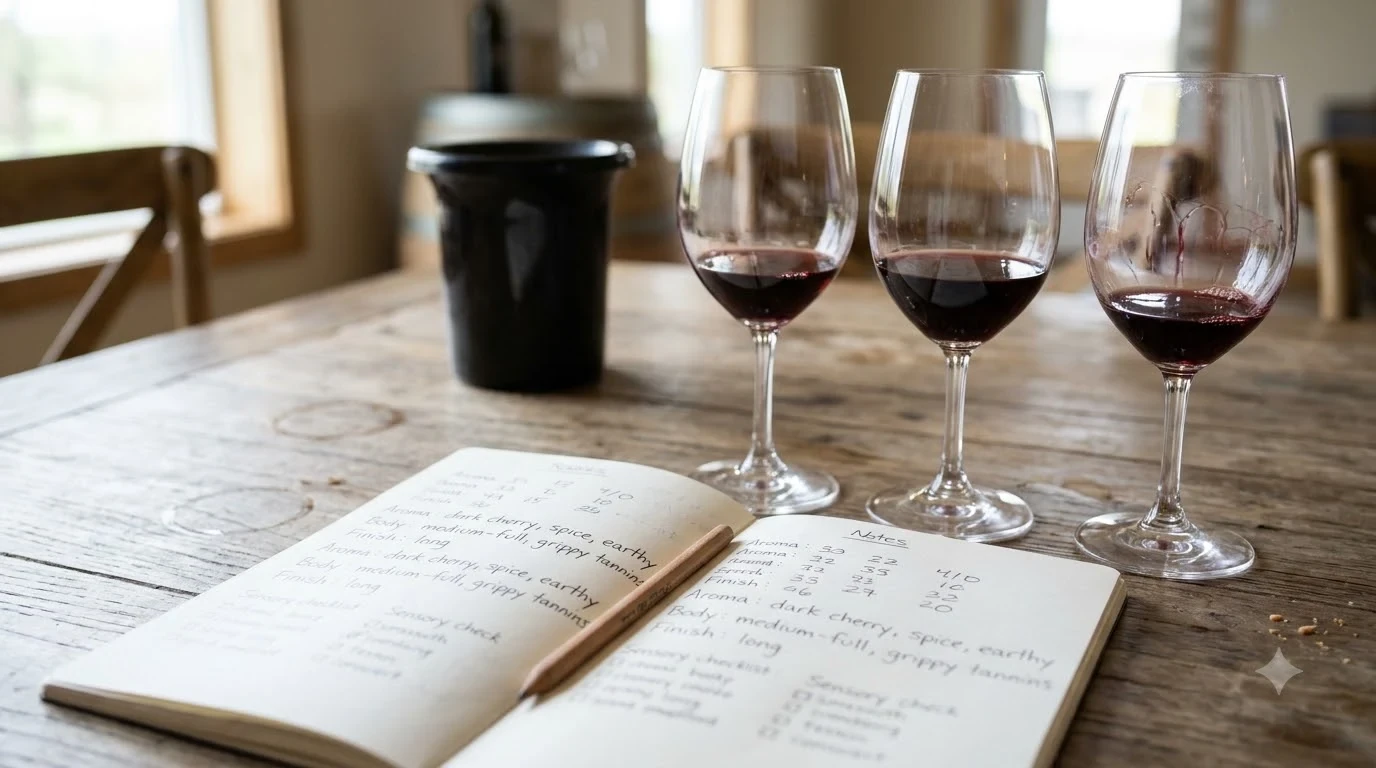
Build in breaks between tastings and arrange a designated driver or pre-booked transport if the group plans to sample wine. At each stop, take brief notes on grape, producer, vintage, and style. Record whether a Sauvignon Blanc felt citrus-led or herbal, or whether a Pinot Noir seemed silky, savory, or fruit-forward.
Tip: Treat the published festival programme as the authority for event-day opening times, tasting limits, age rules, and transport arrangements. The Railway Market’s normal weekend hours and a winery’s regular tasting-room hours do not automatically apply during a ticketed festival.
Food, Family Activities, and the Market Setting
Food is part of the Elgin festival appeal, but the choices depend on the venue and the event format. The Railway Market offers an indoor option with a broad mix of prepared food, while a valley-wide festival can place food experiences at individual wine farms.
The Railway Market’s vendor information names curries, Mediterranean dishes, Neapolitan pizza, ribs, burgers, Thai food, poke bowls, fresh juices, and sweets such as fudge, ice cream, chocolate, and cakes. Its bar serves local wine, beer, and cider, and its wine shop stocks wines from Elgin and Bot River. The range suits mixed groups that want more than a tasting counter.
For wine-and-food matching, use the style of the dish as a guide. High-acid Sauvignon Blanc can refresh the palate alongside seafood, goat cheese, or a lemon-dressed salad. Pinot Noir is often a more flexible red with poultry and mushroom dishes than a heavily tannic Cabernet Sauvignon. For a richer meat dish, Syrah can provide enough structure, while very spicy food is usually easier with lower-alcohol, less tannic wines. Match a sweet dessert with a wine at least as sweet as the dish, or the wine may seem thin and sour beside it.
Some past versions of the broader Cool Wine & Country Food Festival have promoted activities beyond wine tasting, including live music, food stalls, and children’s activities. Programmes can change, so confirm child admission, separately booked activities, and age rules. An old event listing is not a current menu.
Turn the Festival Into a Longer Elgin Weekend
A festival can be the anchor for a wider visit to the valley, especially if you want to compare wines at their home estates. The wine route is best explored by car, with tasting-room stops planned around opening days and meal reservations.
Oak Valley is a practical starting point near Grabouw, with its tasting room listed at 127 Oak Avenue off the R321. Elgin Vintners is on Appletiser Road, while Almenkerk is at 50 Viljoenshoop Road. Highlands Road Estate lists Sauvignon Blanc, Riesling, Pinot Noir, and Chardonnay; South Hill on Valley Road combines wine with an art gallery and restaurant, according to South African Tourism’s route description. Paul Clüver Family Wines is another useful stop for Chardonnay, Pinot Noir, Sauvignon Blanc, and Riesling. Allow driving time between these separate estates and use the tasting-room directory to verify individual addresses and opening hours.
Food can be a reason to slow down between tastings. Wesgro notes that several wine farms have restaurants and that local farm stalls are part of the valley’s visitor offer. A lunch reservation can divide the day into two tasting sessions. Keep the afternoon flexible for a cellar conversation or a view over the valley.
Visitors comparing different festival destinations can also read about a Livermore wine festival or a Utah wine festival. Those destinations have their own regional identities; Elgin’s defining features are its cool growing conditions, higher-altitude vineyards, and concentration of Sauvignon Blanc, Chardonnay, Pinot Noir, and Syrah. For broader trip planning, South African Tourism’s Elgin Valley wine-route overview covers the self-drive route, seasonal conditions, and nearby outdoor activities.
Frequently Asked Questions
These answers cover transport, the market’s history, and seasonal activities beyond tasting. Check current train departures and winery schedules separately from any festival listing.
Can you reach the Elgin Railway Market by train?
Yes. The market says Ceres Rail operates a weekend return service between Cape Town and Elgin using vintage trains that are about 80 years old. Train availability and departure details are separate from wine-festival admission, so confirm both bookings before travelling.
Was the Railway Market always a wine venue?
No. The market occupies a former apple warehouse built in the 1940s, and the building was later renovated as a food, craft, and retail destination. Its railway setting is part of the attraction even on weekends without a wine event.
What is Elgin known for besides wine?
The valley has a long association with apple and pear production, and visitors can still find farm stalls selling local produce. Orchards, flower farms, and nature reserves add variety to a trip that is not built entirely around tasting rooms.
Is spring a good time to visit Elgin?
Spring, from September through November, is highlighted by South African Tourism for its fields, orchards, vineyards, and flower gardens. It is a different seasonal experience from the cool, wet winter months, so pack for changing conditions rather than assuming the valley stays warm all day.
What outdoor activities are available near the wine route?
South African Tourism lists hiking, mountain biking, horse riding, fishing, quad biking, and water-skiing among the area’s options. The Green Mountain Eco Route also has self-drive routes and hiking trails, making it possible to pair a wine visit with time outdoors.
The best Elgin wine festival plan starts with the exact event name and venue, then builds in time for a few thoughtful tastings and a good meal. Whether you choose the Railway Market or a route through several estates, the valley’s cool-climate wines make it worth slowing down and comparing producers rather than rushing through a checklist.
More in Wine Regions
 Willcox Wine Trail: Discover Arizona’s High-Elevation Wine CountryUpdated Nov 20, 2026
 Yakima Valley Wine Region: Find the Best Styles to TryUpdated Nov 20, 2026
 Vosne Romanee Wine Tasting: Identify Aromas and Choose Better PairingsUpdated Nov 20, 2026
 Yakima Valley Wine Festival: Find the Best Seasonal Wine EventsUpdated Nov 20, 2026
 Wales Vineyards: Discover Cool-Climate Wines and Where to VisitUpdated Nov 20, 2026
 Yountville Wine Festival: Discover Napa Wines and Local FoodUpdated Nov 20, 2026