

We may earn a commission when you buy through links on this page, at no extra cost to you. Learn more.
An El Dorado wine tasting means visiting small, family-owned wineries in the Sierra Nevada foothills about an hour east of Sacramento, where vineyards climb from 1,200 to 3,500 feet. The elevation, cool nights and Gold Rush history give these wines bright acidity and a mountain character that is hard to find in California’s coastal valleys. Many tasting rooms are small enough that the winemaker or owner pours your glass. A well-planned day covers three or four stops across two or more subregions.
Most people hear “California wine country” and picture Napa or Sonoma, but the Sierra foothills east of Sacramento offer a different experience. The vineyards sit high, the crowds are smaller, and the person behind the bar is often the person who farmed the grapes. That combination makes a day of tasting in El Dorado County feel more like visiting a set of family farms than joining a bus tour. This guide covers where the region is, why its wines taste the way they do, how its history shaped today’s wineries, and how to build a tasting day that does not waste hours on the road.
Where El Dorado Wine Country Sits and How to Reach It
El Dorado Wine Country occupies the western slope of the central Sierra Nevada, close enough to Sacramento and Lake Tahoe that it fits easily into a single trip.
The appellation lies within El Dorado County and partly overlaps the larger Sierra Foothills AVA. Its northern boundary follows the North Fork and Middle Fork of the American River along with the Rubicon River, and its southern edge follows the South Fork of the Cosumnes River. For a visitor, the boundaries matter less than the driving times. For a detailed breakdown of the boundary rules and the sub-appellations, the WineWiki profile of the El Dorado AVA is one of the more thorough references available.
Driving is the easy part. The region sits roughly one hour east of Sacramento and about one hour west of Lake Tahoe by car, and Highway 50 runs through the middle of the wine country. A tasting day can start from a Sacramento hotel, or it can slot into a Tahoe weekend on the way up or back. Placerville, the historic hub, carries a Gold Rush past that is still visible downtown. In the days of 1849 it was called Hangtown, a nickname that tells you how fast the settlement grew.
Even in summer, expect cooler evenings than the valley floor delivers. The vineyards sit well above the Central Valley heat, and temperatures drop noticeably after sunset, so pack a light layer for outdoor patios. If you want the big picture before you commit to a route, start with our overview of El Dorado wine country.
Why El Dorado Wines Taste Different: Elevation, Cool Nights and Soil
Elevation does most of the work in El Dorado, replacing the fog and ocean breezes that cool many California vineyards.
El Dorado is one of the few U.S. appellations defined entirely by elevation, and its vineyards range from 1,200 to 3,500 feet. The 1983 rule that created the AVA drew its boundary at those same levels, so the altitude band is written into the appellation itself rather than serving as a marketing line. That range is wide enough to hold very different microclimates, and it explains why two wineries only a few miles apart can produce noticeably different wines.
Cooling works differently here than on the coast. El Dorado has none of the winter fog typical of the Great Central Valley and coastal valleys. Instead, air moves down from the Sierra Nevada at night, and the cool temperatures help the grapes hold onto acidity even after hot afternoons. The growing season can run long because an Indian summer brings cool nights and warm days into October. The wider the daily temperature swing, the more time the fruit has to build sugar and flavor while acidity stays intact. Rainfall is moderate, roughly 33 to 45 inches a year depending on elevation, and little of it falls before late October. For a deeper look at how climate and altitude shape a region’s style, see our Wine Regions section.
The region’s own wine association describes the result as a bolder mouthfeel, intense flavor and balanced acidity. The grape skins also tend to be thicker, which the association links to wines that can age gracefully. Regional marketing adds a useful descriptor as well: a “Sierra spice” character, bright and fresh, that the industry ties to the mountain setting. You will not need a textbook to recognize it. Keep the phrase in mind at the tasting bar and see whether the wine’s freshness and spice match what you expected.
Tip: Ask whether a wine comes from a single vineyard or from several elevations. Elevation is the easiest difference to taste when two bottles from different sites sit side by side, so a flight across sites teaches you more than a flight of one producer’s blends.
A Short History: From Gold Rush Vines to a Modern Tasting Scene
The region’s wine industry began during the Gold Rush, nearly disappeared with Prohibition, and rebuilt slowly from the early 1970s onward.
The Gold Rush started close by. James Marshall found gold in the tail-race of John Sutter’s sawmill at Coloma in 1848, and the rush that followed brought prospectors who also planted vines. Wine writer Alder Yarrow notes that within 20 years the county had nearly 2,000 acres of grapevines, planted to serve a fast-growing population. Those early plantings were a serious industry, not a hobby, which is why the foothills still hold old vineyard sites that predate most of California’s modern regions.
That early boom faded. By the turn of the 20th century most vineyard projects had been abandoned, and Prohibition, which began in 1920, ended what remained. Barring a few experimental plantings, El Dorado did not restart in earnest until Boeger Winery opened in the early 1970s. Regional histories credit Boeger as the first modern, post-Prohibition winery in the AVA, and the estate still has some of its original vines. Its story is the starting point for most visitors who want to understand how today’s small wineries came together.
Planting accelerated in the 1990s. In the early part of that decade the county crushed 3,334 tons of grapes from roughly 780 acres. More recently, harvests reached 6,235 tons from 2,941 acres. Yields per acre have fallen a great deal since the early days, which Yarrow attributes to growers becoming more sophisticated and quality-minded. For a visitor, that history explains why the wineries you visit today tend to be small, deliberate and proud of their vineyards.
The Four Subregions and What Each One Offers
Treat El Dorado as four subregions rather than one town, because each has its own landscape, elevation feel and tasting rhythm.
The regional association divides the wine country into Greater El Dorado, Pleasant Valley, Apple Hill and Camino, and Fair Play. The divisions help you plan a route. Wineries inside one subregion are usually a short drive apart, while moving between subregions can take longer on winding roads. Choosing one or two areas for a visit is almost always better than trying to cover the whole county in a single day.
Greater El Dorado
This is the broadest category, covering the golden foothills that surround the other three areas. Wineries here sit at a range of elevations and microclimates, in valleys, along back roads and on rolling hilltops. Many of them farm the same soils that drew prospectors during the Gold Rush, so the history often comes up naturally at the tasting bar. Greater El Dorado is a good place to start if you want variety rather than a single distinct character.
Pleasant Valley
Pleasant Valley is set among Ponderosa pines and oak trees, with wildflower meadows, horse ranches and long views across the foothills. Its family wineries sit in a landscape of diverse microclimates, which is why the wines here can feel quite different from one estate to the next. The drive is scenic and winding, so give it its own block of time. If you want to see the vineyards behind the bottles, our guide to el dorado vineyards covers the growing side of the story.
Apple Hill and Camino
This stretch runs just north of Highway 50 and has a high mountain feel, with apple orchards, bake shops and wide views. Many visitors know it as an autumn destination for the harvest, but the wineries are open year-round. Lava Cap Winery, in the heart of Apple Hill, is a useful example of how soil and elevation work together. Its estate vineyards sit between 2,400 and 2,700 feet in young, thin volcanic soils that lack a permanent water table, and the vines have to work for every bit of their flavor.
Fair Play
Fair Play feels the most remote of the four, with thick woods, quiet meadows and winding backroads. Its wineries are spread across the hills, and nearly all of their wines come from the namesake Fair Play AVA, which lies entirely inside the El Dorado AVA. The Fair Play AVA covers about 33 square miles, and its name comes from an old gold mining camp of the Gold Rush era. Plan Fair Play as a full-day stop, and expect to slow down on the roads, since the views and the wineries are worth the extra time.
Grapes to Taste: Zinfandel Leads, With Rhône and Italian Varieties in Support
Zinfandel is the county’s most widely planted variety, and the list beyond it is broader than most visitors expect.
Recent county figures show roughly 2,155 acres of wine grapes, with about 1,825 acres of red varieties and 331 acres of white. Those numbers are rounded, but they make the priorities clear. Zinfandel leads at 403 acres, followed by Cabernet Sauvignon at 310 acres and Syrah at 177 acres. The table below covers the varieties you are most likely to meet at the tasting bar, with notes on what to expect in the glass.
| Variety | County acres (approx.) | What to expect in the glass |
|---|---|---|
| Zinfandel | 403 | Dark berry and black pepper, firm tannin, and warmth from alcohol balanced by acidity |
| Cabernet Sauvignon | 310 | Structured with high tannin; pairs well with rich red meat and aged cheese |
| Syrah | 177 | Dark fruit and white pepper with medium-plus to high tannin; pairs with grilled meat |
| Merlot | 165 | Softer, medium tannin, with plum and cocoa notes; easy with mushroom dishes |
| Petite Sirah | 125 | Deep color and high tannin; suits bold barbecue |
| Barbera | 109 | Bright acidity, lower tannin and cherry fruit; pairs with tomato-based dishes |
| Chardonnay | 97 | Medium acidity, with styles ranging from crisp and unoaked to richer and oaked |
| Viognier | 48 | Aromatic white with apricot, peach and honeysuckle; works with roast chicken and mild spice |
Zinfandel is the anchor, and it is a large part of why El Dorado’s reds feel bold. Cabernet Sauvignon and Syrah supply the more structured reds, while Petite Sirah and Barbera give you options for more casual meals. Barbera in particular brings the acidity that suits lighter food, so it is a useful pick when you are working through a long afternoon of tasting. The table makes the tannin differences easy to scan, so use it to match a bottle to whatever you plan to eat.
The Rhône and Italian varieties are where the surprises appear. Grenache, Mourvèdre and Viognier together add nearly 200 acres, and Sangiovese and Aglianico have smaller footprints in the county. Regional press describes the AVA as growing more than 70 varietals across its elevation range, from Chardonnay and Grenache to Zinfandel and Aglianico. When a flight includes one of the less familiar varieties, ask the person pouring what the grape brings to their program. The answer usually explains why the producer chose to plant it at that elevation.
Planning a Tasting Day Along Highway 50
Three stops is the right number for most visitors, and grouping them by subregion saves more time than any other planning choice.
Start by choosing one or two subregions instead of crossing the whole county. Apple Hill and Camino sit close together and are easy to combine in one afternoon. They are open year-round, which makes them a dependable base for a visit at any time. Fair Play and Pleasant Valley demand longer drives on winding roads, so give each of them its own block of the day rather than squeezing them into a tight schedule with shorter stops.
Lunch matters more than people expect. The area’s agricultural character means you can pair a tasting with orchard snacks, bakery items and picnic-friendly food, and many visitors bring a bag lunch to eat on a winery patio. Check each winery’s hours before you leave, since small family rooms keep their own schedules and some are closed on certain days. A map of the subregions beforehand makes it much easier to decide which stops are worth the drive.
Walk-ins are common at small family wineries, but weekends, holiday periods and larger groups benefit from calling ahead. A reservation also helps when a room offers a seated or reserved tasting, which some do to keep the pace manageable. If your trip lines up with a seasonal event, the el dorado wine festival calendar can be a good reason to plan an overnight stay rather than a single day.
Tip: Put your longest drive first, when you are fresh and the roads are quiet, then work back toward town for the afternoon. Short hops between nearby rooms are easier to manage once the harder driving is behind you.
Tasting Room Etiquette, Pours and Taking Bottles Home
Most tasting-room pours run about five ounces, so a standard 750 ml bottle gives you roughly five glasses, and it helps to plan the day around sips rather than full glasses.
Pace yourself by using the spit cup, asking for water between flights and skipping a flight once you have reached your limit. Good pourers want you to taste carefully, not quickly. Ask questions freely. Many of these wineries are owner-run, and the person behind the bar may be the winemaker or the grower, which makes the conversation worth more than any tasting sheet. Ask about the vineyard, the elevation and the reason a particular variety was planted.
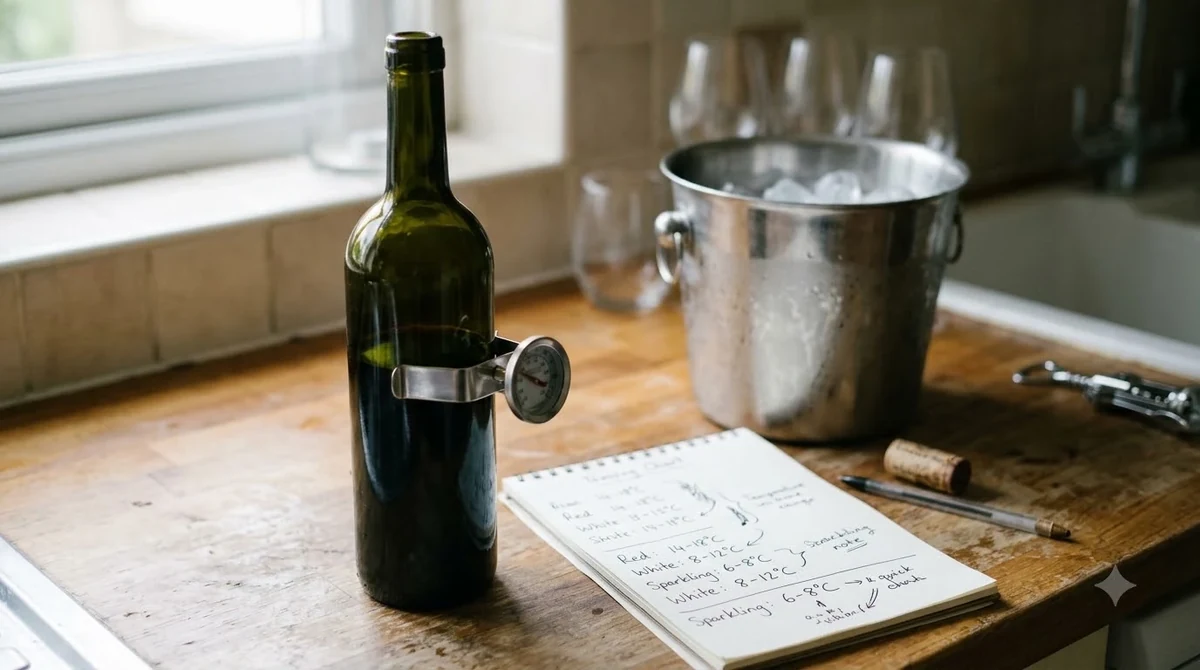
Serving temperature changes what you taste. Sparkling wine is best around 40 to 50 F, light whites and rosés 45 to 50 F, full whites 50 to 55 F, light reds 55 to 60 F, and full reds 60 to 65 F. If a red arrives too cold, let it warm in the glass for a few minutes. A white served too cold will hide its aroma, so give it time to open up as it rises toward the cellar range.
If you buy a bottle to finish later, store it on its side in a cool place near 55 F. Once opened, still wines keep three to five days in the fridge, while sparkling wine lasts only one to three days. Young full reds benefit from decanting for 30 to 60 minutes before dinner, which gives the tannins room to soften.
Tip: Bring a cooler bag or a few padded carriers for the drive home. Bottles from several wineries add up quickly, and a cooler keeps whites and sparkling wine from warming up in the car.
Frequently Asked Questions
Is El Dorado wine country the same as the Sierra Foothills?
Not exactly. The El Dorado AVA sits inside the much larger Sierra Foothills AVA, which covers portions of eight California counties, including Amador, Calaveras, Placer and Yuba. The El Dorado AVA is confined to El Dorado County, so a bottle labeled with that AVA points to grapes grown inside its boundary.
Which El Dorado winery has the longest family story?
Skinner Vineyards is named for James Skinner, a Scottish great-great-great-grandfather of the current family. The regional association says he established one of the first wineries in the country in 1861. Ask the team about that family history when you visit, since it explains the name on the label.
Do I need reservations for El Dorado tasting rooms?
Many rooms welcome walk-ins, but weekend visitors and larger groups should call ahead to avoid waiting. Some wineries also offer reserved cellar tastings, which can be a quieter way to taste when you want more attention from the pourer. Confirm the details with the winery before you drive out.
How high is Madroña Vineyards?
Madroña Vineyards sits at about 3,000 feet and farms three family vineyards across Apple Hill and Pleasant Valley. The estate has planted more than 26 varieties. Its New World Port is a blend of seven estate-grown Portuguese varieties, which makes it a good stop if you want to taste something outside the usual lineup.
Is Fair Play worth a full day of tasting?
Fair Play is worth a full day because its wineries are spread across remote backroads rather than clustered on one main street. The area’s history goes back to 1887, when Horace Bigelow, a Civil War veteran, established the first commercial vineyard and winery there. By 1898 he was producing between 600 and 1,000 gallons of wine a year.
El Dorado rewards visitors who plan around distance and elevation rather than trying to cover every tasting room. Pick a subregion, taste across the grape list and ask the people pouring about the vineyards behind each bottle. That approach turns a standard day trip into a useful introduction to one of California’s most distinctive wine regions.
More in Wine Regions
 Willcox Wine Trail: Discover Arizona’s High-Elevation Wine CountryUpdated Nov 20, 2026
 Yakima Valley Wine Region: Find the Best Styles to TryUpdated Nov 20, 2026
 Vosne Romanee Wine Tasting: Identify Aromas and Choose Better PairingsUpdated Nov 20, 2026
 Yakima Valley Wine Festival: Find the Best Seasonal Wine EventsUpdated Nov 20, 2026
 Wales Vineyards: Discover Cool-Climate Wines and Where to VisitUpdated Nov 20, 2026
 Yountville Wine Festival: Discover Napa Wines and Local FoodUpdated Nov 20, 2026