

We may earn a commission when you buy through links on this page, at no extra cost to you. Learn more.
The best edna valley wineries for exploring California’s cool-climate wines include Tolosa, Baileyana, Chamisal Vineyards, Wolff Vineyards, and Claiborne & Churchill. Each offers a different way to experience the region, from expressive Chardonnay and Pinot Noir to aromatic white wines and Rhône-style reds. Located near San Luis Obispo, Edna Valley is particularly appealing to visitors who prefer coastal vineyards, relaxed tasting rooms, and wines with freshness and balanced acidity.
Edna Valley deserves a place on any Central Coast wine itinerary, especially for people who enjoy Burgundy-inspired varieties and distinctive aromatic whites. Its proximity to the Pacific Ocean creates growing conditions that differ from the warmer inland vineyards around Paso Robles. The following guide explains which wineries to consider, what to look for in their wines, and how to organize a tasting day without rushing between appointments.
Who Should Visit Edna Valley Wineries
Edna Valley is an excellent destination for Chardonnay and Pinot Noir enthusiasts, visitors interested in coastal winegrowing, and travelers who prefer a manageable tasting itinerary. Its location between San Luis Obispo and Arroyo Grande makes it possible to combine several winery visits with a meal or an overnight stay nearby.
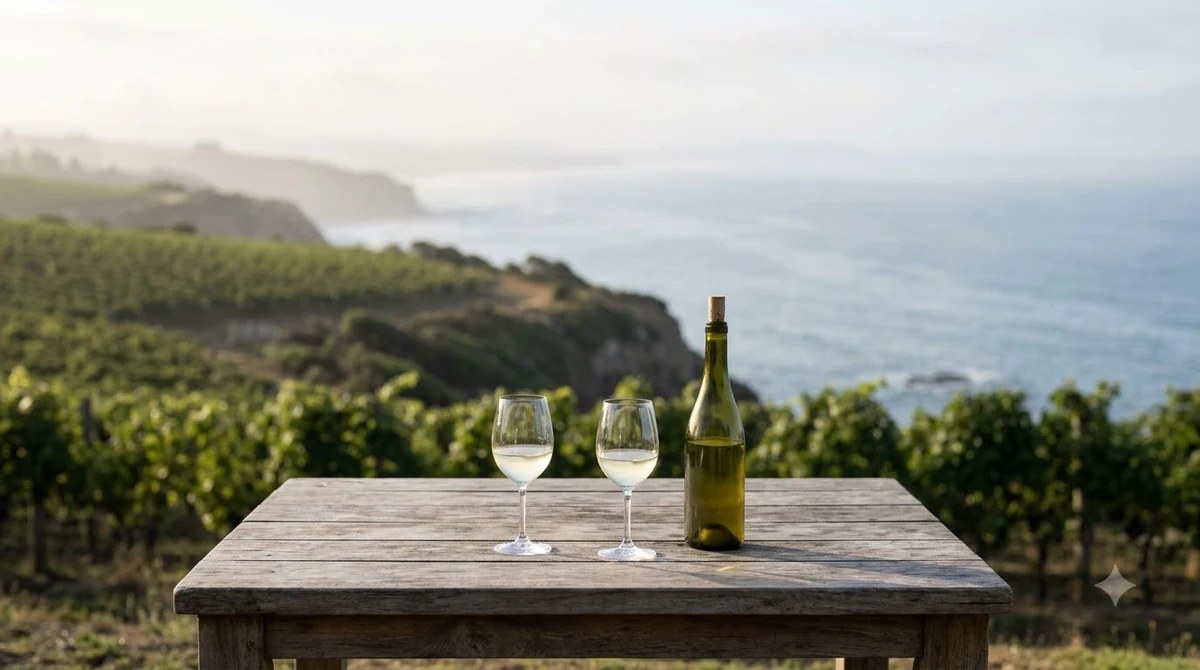
The region’s proximity to the Pacific is one of its defining characteristics. According to Visit California, Edna Valley vineyards average approximately 5 miles from the ocean. Mild daytime conditions and cool evenings help Chardonnay and Pinot Noir develop flavor while retaining acidity. These conditions are particularly attractive to wine drinkers who prefer freshness over heavy ripeness.
Several wineries provide useful starting points for different preferences:
- Tolosa: A strong starting point for visitors interested in Chardonnay and Pinot Noir from an established Edna Valley producer.
- Baileyana: A recognizable regional winery to include when exploring the area’s cool-climate wines and vineyard scenery.
- Chamisal Vineyards: A particularly interesting stop for visitors who value sustainability and want to learn about responsible vineyard practices.
- Wolff Vineyards: A useful choice for travelers interested in vineyard stewardship as well as regional wine styles.
- Claiborne & Churchill: An appealing destination for people who want aromatic whites, several tasting-flight formats, and a garden setting.
- Biddle Ranch Vineyard: Another name to consider when building a broader itinerary through the central Edna Valley area.
- Center of Effort: A worthwhile addition for visitors interested in a more appointment-oriented tasting experience.
These wineries suit different kinds of wine travelers. A Chardonnay enthusiast might prioritize Tolosa and Baileyana, while someone interested in aromatic varieties could make Claiborne & Churchill a central stop. Travelers who want to learn more about environmental practices may prefer to include Chamisal and Wolff Vineyards.
Edna Valley also works well for people who are relatively new to wine tasting. The emphasis on recognizable grape varieties makes it easier to compare wines without needing advanced knowledge of winemaking. A visitor can compare two Chardonnays, move to Pinot Noir, and finish with a different regional specialty to understand how climate and vineyard conditions influence the finished wine.
For travelers comparing California destinations, Edna Valley has a different character from the more expansive inland wine country around Paso Robles. It also offers a distinct experience from the best napa valley wineries, where visitors encounter a much broader range of Cabernet Sauvignon-focused estates and established luxury tasting destinations.
Key Factors to Compare When Choosing a Winery
The most useful way to compare Edna Valley wineries is to look at their grape varieties, tasting formats, location, and visitor experience. A good itinerary balances wine preferences with practical details such as opening hours, reservation requirements, and the number of stops you can comfortably manage.
| Winery or destination | What to explore | Useful planning detail |
|---|---|---|
| Tolosa | Chardonnay and Pinot Noir | 4910 Edna Road |
| Baileyana | Cool-climate regional wines | 5828 Orcutt Road |
| Chamisal Vineyards | Coastal wines and sustainability | 7525 Orcutt Road |
| Wolff Vineyards | Wine and vineyard stewardship | 6238 Orcutt Road |
| Claiborne & Churchill | Aromatic whites and Rhône-style reds | 11 a.m.–5 p.m. daily, except major holidays |
| Edna Valley Backroads | Multi-winery exploration | 5 wineries over 2 days |
| Edna Valley Core of the Coast | Central regional tasting route | 4 wineries over 2 days |
The winery locations and regional itinerary details are listed by SLO Coast Wine, while individual wineries publish their own visitor information. These details provide a useful starting point, although individual tasting availability and reservation arrangements should be confirmed before departure.
Grape variety selection
Start by identifying the styles you actually enjoy. Chardonnay and Pinot Noir are the two varieties most closely associated with Edna Valley’s cool coastal conditions. Chardonnay can offer citrus, apple, pear, and subtle oak characteristics, while Pinot Noir typically emphasizes red cherry, raspberry, earthy notes, and moderate tannin.
Syrah is another important variety to explore. Depending on the producer and winemaking approach, it can offer blackberry, pepper, savory herbs, and a more substantial structure than Pinot Noir. Riesling, Pinot Gris, and other aromatic whites provide additional contrast, especially for visitors who prefer lively acidity and fragrant fruit.
Visitor experience
Not every tasting room offers the same format. Some emphasize a traditional flight, while others provide outdoor seating, food options, or more specialized experiences. Claiborne & Churchill offers House, White Wine, and Red Wine tasting flights. It also provides a double-blind tasting experience by advance reservation.
Chamisal Vineyards is another example of a winery with several ways to organize a visit. Its official tasting and visitor experience information describes a five-wine Estate Patio flight, a longer Signature Experience, and a seasonal vineyard tour. These options make it easier to choose between a straightforward tasting and a more extended visit.
Location and scheduling
Look at the distance between your selected wineries rather than simply counting how many names appear on a regional map. Several Edna Valley tasting destinations are clustered around Orcutt Road and Edna Road, but an itinerary can still become tiring if every visit involves a separate appointment and a long tasting session.
Two or three well-planned stops generally allow more time to discuss the wines and enjoy the surroundings than an ambitious schedule with five or six rushed visits. Also consider whether you want to include lunch, a vineyard walk, or a longer sit-down tasting.
For a broader comparison of wine styles and purchasing considerations before your trip, the wine buying learning resource provides a useful foundation for understanding grape varieties, labels, and wine characteristics.
Step-by-Step: How to Plan an Edna Valley Wine Tasting Trip
A successful Edna Valley visit starts with a manageable route and a clear idea of which wines you want to explore. Plan around two or three tasting appointments, allow time between stops, and arrange transportation before beginning your wine tasting.
-
Choose your main wine interest.
Decide whether Chardonnay, Pinot Noir, aromatic white wines, or Rhône-style reds will be the focus. For a Chardonnay-centered day, begin with Tolosa or Baileyana. If you enjoy Riesling and Gewürztraminer, consider including Claiborne & Churchill.
-
Select two or three wineries.
Choose destinations that complement one another rather than offering exactly the same experience. A combination of Baileyana, Chamisal, and Claiborne & Churchill, for example, provides opportunities to explore different producers and wine styles.
-
Check tasting availability.
Confirm opening days, current flight options, reservation requirements, and any group-size restrictions. Claiborne & Churchill publishes daily hours of 11 a.m. to 5 p.m., excluding major holidays, and recommends reservations during busy periods. Other wineries may operate different schedules.
-
Organize a designated driver.
Wine tasting involves multiple pours, so arrange a sober driver or a suitable transportation service. Do not assume that short distances between vineyards make driving after tasting safe.
-
Begin with lighter wines.
If you have a choice of tasting order, start with sparkling wines or crisp whites before moving to richer Chardonnay and Pinot Noir. Finish with fuller reds if they are included in your flight. This sequence makes it easier to compare the wines without heavier flavors dominating earlier samples.
-
Allow enough time at each destination.
Around 60 to 90 minutes per winery is a useful planning allowance, although the actual visit may be shorter or longer. Include additional time for parking, checking in, asking questions, and enjoying the vineyard surroundings.
-
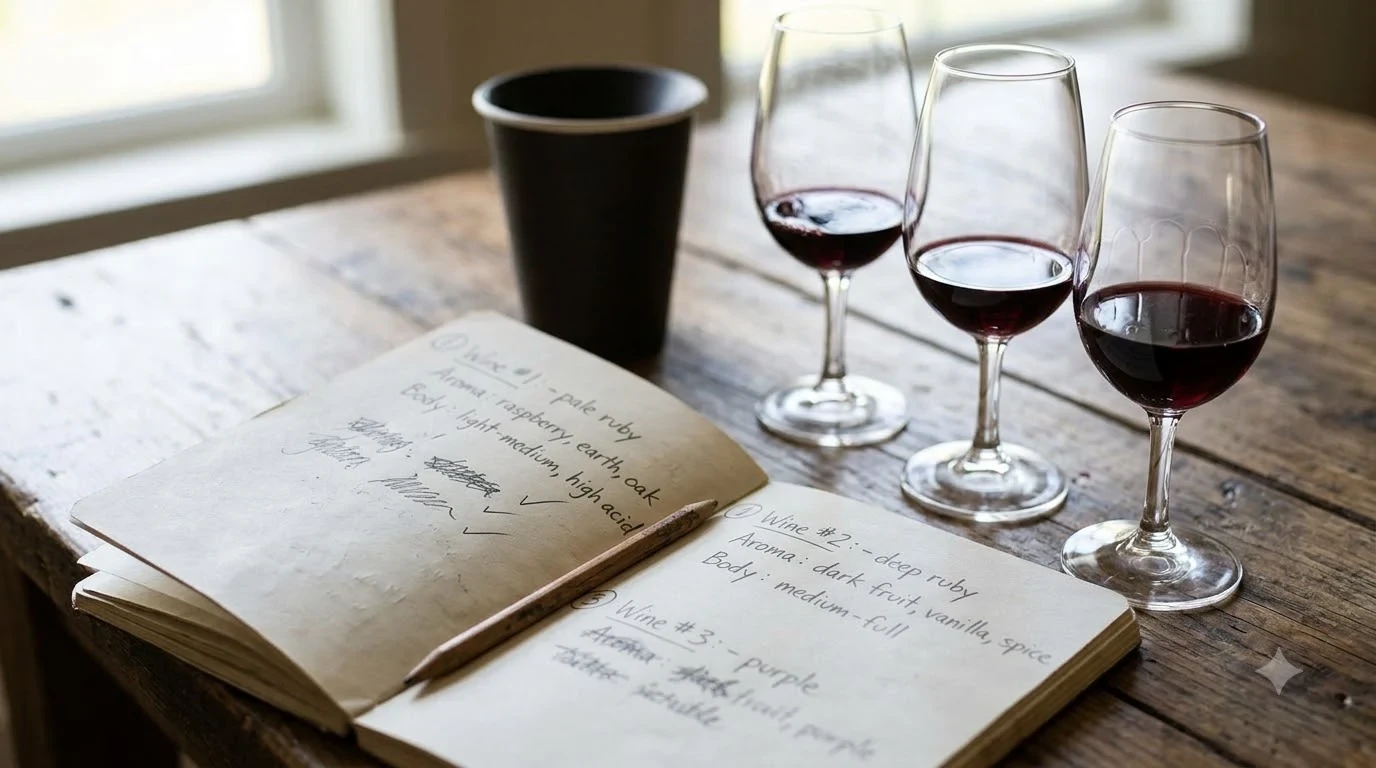
Take tasting notes.
Record the winery, grape variety, vintage, acidity, tannin, and aromas you notice. Simple observations such as crisp citrus, ripe pear, red cherry, or black pepper will help you remember which wines you preferred.
-
Finish with food and a relaxed schedule.
Plan lunch or a substantial meal after your tasting appointments. Claiborne & Churchill allows visitors to bring picnic lunches to its garden and offers artisan cheese and charcuterie plates in the tasting room.
SLO Coast Wine provides two useful itinerary concepts. Its Edna Valley Backroads route covers five wineries over two days, while its Edna Valley Core of the Coast route covers four wineries over two days. These itineraries are useful examples of why spreading visits across a weekend can produce a more enjoyable experience than trying to visit every winery in a single afternoon.
Tip: Make your most important reservation first, then build the rest of the day around it. If a particular winery or tasting experience is the main reason for your trip, avoid scheduling another appointment so close that you must leave before finishing the flight.
Edna Valley Wine Types and Styles Explained
Edna Valley’s coastal climate makes it particularly interesting for visitors who appreciate fresh, balanced wines rather than consistently heavy or high-alcohol styles. Chardonnay, Pinot Noir, Syrah, and aromatic white varieties provide a useful introduction to the region’s range.
Chardonnay
Chardonnay is one of the strongest reasons to visit Edna Valley. The region’s maritime influence helps grapes retain acidity, which can give the wines freshness and structure. Depending on the producer, Chardonnay may show green apple, lemon, pear, peach, subtle floral notes, or a more rounded texture from oak aging and lees contact.
When comparing Chardonnays, pay attention to the relationship between fruit, acidity, and texture. Some examples are crisp and citrus-driven, while others have richer apple, stone-fruit, butter, or vanilla characteristics. Neither approach is automatically better; the ideal choice depends on whether you prefer a leaner or fuller white wine.
For food pairing, Chardonnay works well with roast chicken, grilled halibut, creamy pasta, and shellfish. Serve lighter examples around 45 to 50 degrees Fahrenheit if they are particularly crisp, or approximately 50 to 55 degrees for fuller-bodied versions.
Pinot Noir
Pinot Noir is another defining variety of the area. It generally has lower tannin than Cabernet Sauvignon and often emphasizes red-fruit flavors, making it a flexible choice for visitors who enjoy elegant reds with freshness.
Look for cherry, strawberry, raspberry, forest floor, and gentle spice. Some bottles may show more earthy or savory characteristics, while others emphasize bright fruit. Oak influence can also change the texture and aromatic profile.
Pinot Noir pairs naturally with roast turkey, duck, mushroom dishes, salmon, and roasted vegetables. Serve it slightly cool, around 55 to 60 degrees Fahrenheit, rather than at a warm room temperature.
Syrah and Rhône-style reds
Syrah gives visitors a chance to explore a more substantial red wine style. Compared with Pinot Noir, Syrah typically has more tannin, deeper fruit flavors, and a more pronounced savory character. Black pepper, blackberry, plum, smoked herbs, and earthy notes are common descriptors.
Rhône-style reds can also include blends built around grape varieties associated with southern France. Their structure and flavor make them particularly suitable for grilled lamb, roast pork, barbecue, and herb-seasoned meats.
Riesling, Gewürztraminer, and aromatic whites
Edna Valley is not limited to Chardonnay. Claiborne & Churchill is particularly useful for visitors who want to explore aromatic varieties, with its lineup including Dry Riesling, Dry Gewürztraminer, Pinot Gris, and Pinot Noir Blanc.
Dry Riesling typically offers pronounced acidity and citrus, apple, or mineral characteristics. Gewürztraminer is more aromatic, often showing lychee, rose, and spice. Pinot Gris can offer pear, melon, and citrus flavors with a medium-bodied texture.
These whites are useful for comparing the different ways coastal conditions can support aromatic expression. They also offer excellent food-pairing opportunities with seafood, Asian-inspired dishes, fresh salads, and mildly spiced meals.
How to compare wines during a tasting
Use the same basic questions for every wine:
- Is the acidity low, moderate, or high?
- Does the wine emphasize citrus, orchard fruit, red fruit, or dark fruit?
- Does oak contribute vanilla, toast, or a creamy texture?
- Is the finish short, moderate, or long?
- Does the wine feel light-bodied, medium-bodied, or full-bodied?
Comparing these characteristics is more useful than simply deciding whether one bottle tastes stronger than another. It also helps identify the producers whose winemaking approaches match your preferences.
Common Mistakes When Visiting Edna Valley
The most common planning mistakes are scheduling too many wineries, overlooking reservation requirements, and choosing tasting rooms without considering their wine selections. A little preparation makes a substantial difference, particularly during busy weekends and holiday periods.
Trying to visit too many wineries
Edna Valley has enough tasting destinations to fill multiple days. Attempting to visit five wineries in one afternoon can leave little time to enjoy the wines, talk with tasting-room staff, or have a proper meal.
SLO Coast Wine’s regional itineraries offer a more sensible model: five wineries over two days on the Backroads route and four wineries over two days on the Core of the Coast route. This gives visitors room to enjoy the experience rather than treating the day as a checklist.
Assuming every winery has the same hours
Opening schedules and reservation policies vary. Claiborne & Churchill lists daily opening hours from 11 a.m. to 5 p.m., with major holidays excluded, but another tasting room may have different days or appointment arrangements.
For example, Wolff Vineyards lists daily tasting-room hours of 11 a.m. to 5 p.m. and requires reservations for groups of five or more. Its official tasting-room information also describes its outdoor picnic facilities, garden, and available food selections. Confirm details directly with each destination before leaving your hotel.
Ignoring the wine selection
Not every winery will suit every palate. Someone who primarily enjoys aromatic whites may prefer a destination with Dry Riesling and Gewürztraminer, while a visitor focused on Pinot Noir should prioritize producers with a strong selection of that variety.
Read the available tasting information before making reservations. If you have a particular grape variety in mind, ask whether it will be included in the flight rather than assuming every current release is available for tasting.
Forgetting food and hydration
Even moderate tasting schedules involve several pours. Eating before the first appointment and planning a meal during or after the visit can make the day more comfortable. A picnic can also be a practical option at destinations that permit outside food.
Claiborne & Churchill specifically welcomes picnic lunches in its garden and sells artisan cheese and charcuterie plates. Wolff Vineyards also offers picnic facilities and deli selections. These amenities are useful reasons to consider food policies when selecting tasting destinations.
Confusing Edna Valley with neighboring wine regions
Edna Valley and Paso Robles are both part of the wider San Luis Obispo wine country, but their climates and typical wine styles differ. Edna Valley is strongly influenced by the Pacific, while Paso Robles is warmer and more inland.
Visit California identifies Bordeaux, Rhône, and Zinfandel varieties among the important styles of Paso Robles. Edna Valley is more closely associated with Chardonnay, Pinot Noir, and cool-climate Syrah. Travelers should choose their route based on the wines they want to explore rather than assuming all Central Coast tasting experiences are interchangeable.
Wine Storage and Serving Tips After Your Visit
Proper serving and storage help preserve the characteristics that make Edna Valley wines appealing. Keep purchased bottles away from heat and direct sunlight, serve whites at suitable temperatures, and give structured young reds enough time to open before drinking.
Serving temperatures
Chardonnay should generally be served between 45 and 55 degrees Fahrenheit, depending on its body and oak influence. A lighter, more acidic Chardonnay benefits from the cooler end of that range, while a fuller-bodied example can show more aroma and texture at approximately 50 to 55 degrees.
Pinot Noir is best served around 55 to 60 degrees Fahrenheit. This slightly cool temperature helps preserve its freshness without suppressing its red-fruit aromas. Syrah can be served around 60 to 65 degrees when fuller-bodied, although a particularly warm room may make the alcohol seem more pronounced.
For aromatic whites such as Riesling and Gewürztraminer, approximately 45 to 50 degrees is a useful starting point. Avoid serving every white wine extremely cold because excessive chilling can make its aromas harder to appreciate.
Storing unopened bottles
For longer-term storage, keep bottles in a cool, dark place with a reasonably stable temperature near 55 degrees Fahrenheit. Bottles sealed with natural cork are generally stored horizontally to keep the cork from drying out.
Avoid storing wine next to an oven, heating appliance, or sunny window. Temperature fluctuations can damage wine over time, while strong light can negatively affect its aromas and flavors.
Preserving opened wine
After opening a bottle, reseal it and place it in the refrigerator. Most opened still wines retain acceptable quality for approximately three to five days, although the actual result depends on the wine, storage conditions, and amount of air remaining in the bottle.
Use a proper closure or wine-preservation system to reduce exposure to oxygen. Remove the bottle from the refrigerator shortly before serving if it is a red wine, allowing it to approach its preferred serving temperature.
Pairing Edna Valley wines with food
Chardonnay is a natural match for roast chicken, grilled fish, creamy sauces, and lobster. Pinot Noir works particularly well with duck, mushroom dishes, turkey, and salmon. Syrah is a stronger match for grilled beef, lamb, and dishes with herbs or smoky flavors.
Dry Riesling and Gewürztraminer can complement seafood, mildly spicy food, and aromatic Asian-inspired dishes. For spicy meals, choose wines with moderate alcohol and sufficient fruit rather than heavily tannic reds, since alcohol and tannin can make chili heat seem more intense.
Frequently Asked Questions
What is the Edna Valley AVA known for?
Edna Valley is especially known for cool-climate Chardonnay and Pinot Noir, along with Syrah and aromatic white varieties. The AVA was established in 1982, making it an important part of San Luis Obispo County’s winegrowing history. Its coastal influence helps maintain freshness and acidity in many wines.
Is Edna Valley a good alternative to Napa Valley?
Yes, particularly for visitors who prefer coastal Chardonnay, Pinot Noir, and smaller-scale tasting experiences rather than a trip centered on Cabernet Sauvignon. Edna Valley also makes a convenient addition to a San Luis Obispo or Pismo Beach vacation. The two regions offer different wine styles and travel experiences, so the better choice depends on personal preference.
Can you visit Edna Valley wineries without a car?
Yes, but independent travel between vineyards can be difficult without transportation arrangements. Private drivers, organized wine tours, and designated-driver services are practical alternatives. Visitors staying in San Luis Obispo can also arrange transportation from their accommodation rather than relying on taxis being available between individual tasting rooms.
Does Edna Valley produce sparkling wine?
Yes. Sparkling wine is part of the broader San Luis Obispo Coast wine scene, and SLO Coast Wine maintains a dedicated sparkling wine tasting trail. Traditional-method sparkling wines undergo their second fermentation in the bottle, producing the characteristic fine bubbles associated with this style. Ask individual wineries about current sparkling selections before booking.
Is Edna Valley suitable for a wine trip with a picnic?
Yes, provided the tasting destination permits outside food. Chamisal Vineyards permits picnicking during reservation times, while Wolff Vineyards provides outdoor picnic facilities in its flower garden. Other wineries may have different food policies, so confirm arrangements before packing a picnic.
Edna Valley is one of California’s most rewarding destinations for visitors who appreciate coastal Chardonnay, Pinot Noir, and aromatic white wines. Start with two or three wineries that match your preferred styles, reserve ahead where necessary, and leave enough time to enjoy the landscape and food alongside the wines. A thoughtfully planned visit offers a much better introduction to the region than trying to see every tasting room in a single day.
More in Wine Buying Guides
 Cheap Red Blend: How to Find a Flavorful Bottle for LessUpdated Nov 20, 2026
 Pinot Grigio Gift: How to Choose a Bottle They’ll EnjoyUpdated Nov 20, 2026
 Best White Wine at Total Wine for Every MealUpdated Nov 20, 2026
 Wine Fridge Replacement Shelves: Find the Right FitUpdated Nov 20, 2026
 Best Sparkling Wine Under 20: Find Bubbles Worth BuyingUpdated Nov 20, 2026
 Best Wine For Birthday Celebrations With Perfect Party PairingsUpdated Nov 20, 2026