

We may earn a commission when you buy through links on this page, at no extra cost to you. Learn more.
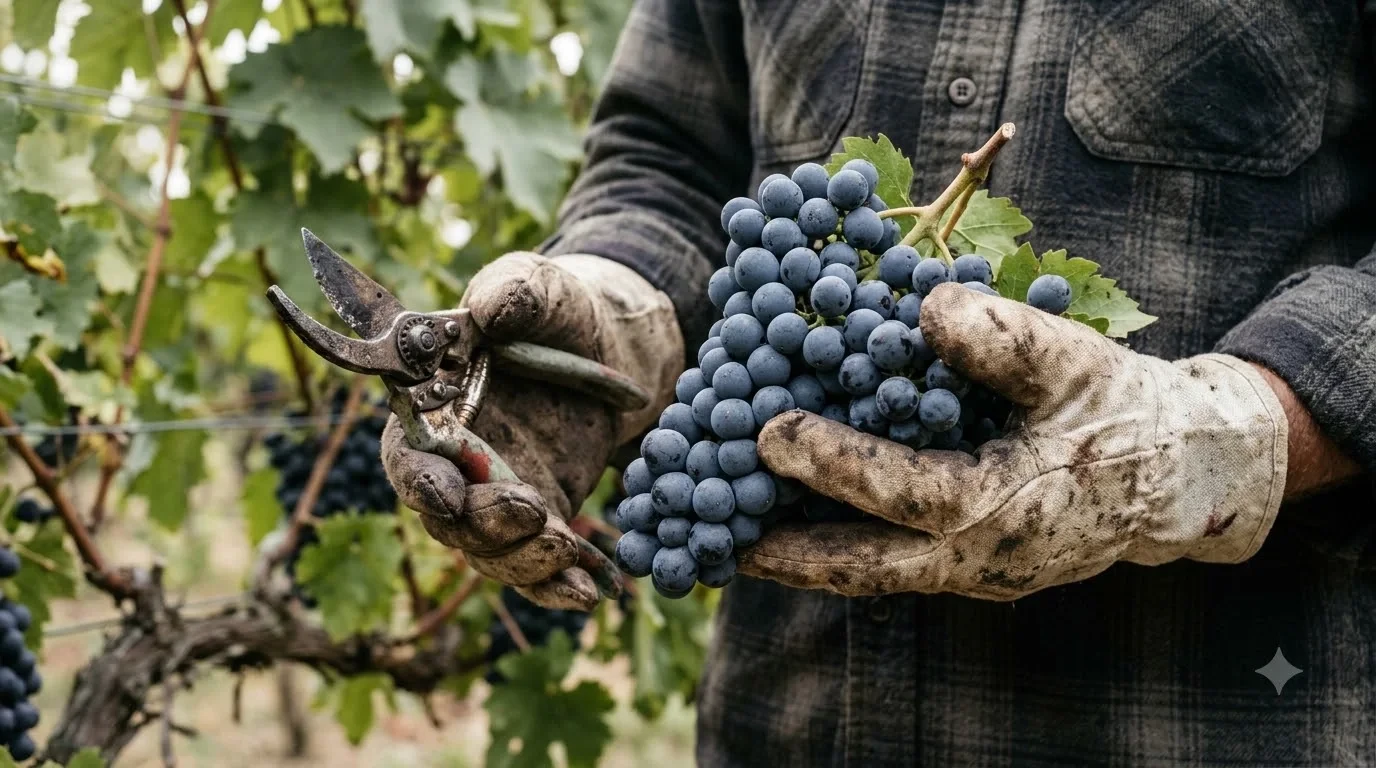
Eberle wine comes from Eberle Winery, a Paso Robles producer founded in 1979 by Gary Eberle and known for Cabernet Sauvignon, Viognier and Zinfandel. The winery is closely tied to the early growth of the Paso Robles wine region. This guide explains the main styles, the grapes behind them, and how to serve, pair and buy the wines.
If you are new to this producer, the short answer is that Eberle makes a broad range of red and white wines from a central California base. Knowing the history, the region and the grape list will help you choose a bottle that fits your meal and your taste. The sections below cover each part in plain terms.
Who Is Eberle Winery?
Eberle Winery is a long-standing Paso Robles producer with a clear identity. The winery’s own profile says that Gary Eberle founded it in 1979 and produced his first vintage of Cabernet Sauvignon that year. That early focus on Cabernet still shapes how many people think of the brand today.
Gary Eberle is also widely described as a pioneer of the region. According to the winery’s history, he played a leading role in creating the Paso Robles American Viticultural Area, which is the official name for the local growing district. He is also credited with making the first 100% varietal Syrah in the country, a milestone the winery says helped shape the region’s reputation for Rhône and Bordeaux-style wines.
The name is a fun detail worth knowing. The winery notes that Eberle translates from German to “small boar,” and a bronze boar greets guests at the tasting room. Many visitors make a point of seeing it, since the winery says rubbing the boar’s nose and tossing a coin into the fountain is considered good luck, with proceeds supporting local children’s charities.
Paso Robles Terroir Behind the Wines
Terroir is the mix of soil, climate and slope that shapes how a grape tastes. Paso Robles is a large appellation, so conditions vary a lot from one area to another. That variety is one reason the region supports so many different grape styles at once.
Elevation and distance from the coast matter. A Wikipedia entry for the neighboring Adelaida district describes limestone-rich soils, a cool marine influence and a day-to-night temperature swing of nearly 50 degrees Fahrenheit in that area. Eberle’s own vineyards sit in a different part of the region, so those specifics describe a neighbor rather than the winery. Still, they show why growers in Paso Robles often talk about contrasts between warm days and cool nights.
For a drinker, the takeaway is simple. Warm days help ripen red grapes such as Cabernet Sauvignon and Zinfandel, while cooler nights help preserve acidity and freshness. Those conditions are part of why Paso Robles wines can feel fruit-forward yet balanced. If you want to see how the region’s terrain is described from a different angle, the Adelaida Cellars Wikipedia entry gives useful background on the district’s soils.
Eberle Wine Styles and Grape Varieties
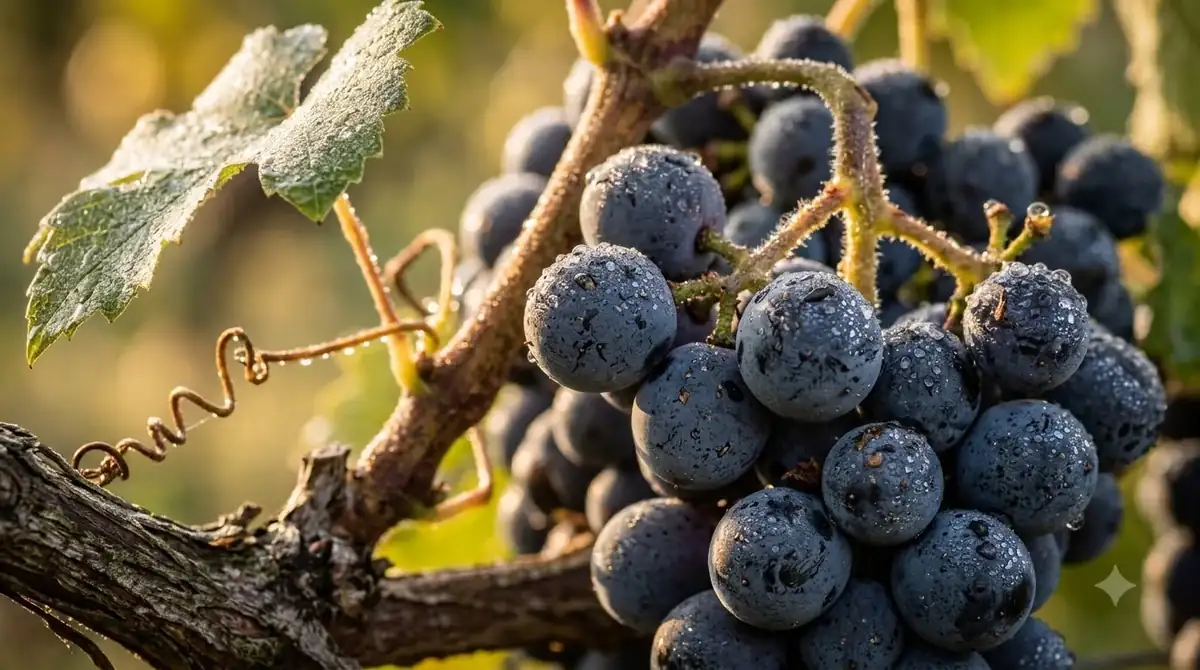
Eberle produces wines across several families, from big reds to whites and sparkling styles. The winery’s wine list includes many varieties, but a few define the brand. Cabernet Sauvignon, Syrah, Zinfandel and Viognier are the names most often associated with the estate, and they make a good starting point for a first purchase.
The table below groups the main styles in simple terms. It is meant as a quick orientation, not a tasting score, since flavors shift with each vintage and with how a bottle is stored.
| Style or grape | What to expect | Good to know |
|---|---|---|
| Cabernet Sauvignon | Full-bodied red with structure and dark fruit | The winery’s first vintage in 1979 was a Cabernet |
| Syrah | Medium to full red with peppery and dark berry notes | Linked to the winery’s first 100% varietal Syrah in the US |
| Zinfandel | Bold, fruit-driven red | A classic Paso Robles variety that pairs well with hearty dishes |
| Viognier | Aromatic white with floral and stone fruit notes | A good choice if you prefer a white with body |
| Rhône-style and Bordeaux-style blends | Mixed reds that blend several grapes | Blends show the region’s Rhône and Bordeaux influences |
| Rosé, sparkling and dessert styles | Lighter or sweeter options | Check the label, since sweetness varies by bottle |
The winery’s listed varieties also include Grenache, Mourvèdre, Sangiovese, Tempranillo, Tannat and Petite Sirah, along with white blends and Muscat Canelli. That breadth means you can explore beyond the famous names once you know which styles you enjoy. A good approach is to start with one red and one white, then move to a blend or a less common grape.
Reds from Paso Robles often feel richer than those from cooler coastal regions, though individual bottles vary. Whites like Viognier tend to show more aroma than body. Read the back label or the winery’s tasting notes for each bottle, since they describe the specific profile better than any general guide can.
Serving, Food Pairing and Storing Eberle Wine
Serving temperature and glassware change how a wine tastes. Full reds are usually poured a bit cooler than room temperature, and whites like Viognier taste better chilled but not ice cold. Check the bottle or the winery’s guidance for the most accurate serving range.
Pairing starts with matching weight. Big Cabernet Sauvignon and Zinfandel stand up well to grilled beef, roasted lamb and aged cheeses. Syrah and Rhône-style blends suit herb-roasted chicken, mushroom dishes and barbecue. Viognier pairs nicely with roasted chicken, shellfish, and spiced dishes with a little sweetness.
- Let red bottles rest upright for about 30 minutes before pouring so they can settle and open up.
- Chill white bottles in the fridge rather than the freezer, and pull them out a little before serving.
- Re-cork leftover wine and refrigerate it, then drink it within a few days for the best flavor.
- Store unopened bottles in a cool, dark place away from heat and sunlight.
Storage matters more for aged reds than for everyday bottles. Keep your collection away from warm rooms and direct sun, and avoid shaking bottles when you move them. Most bottles you buy for a weeknight dinner are ready to drink as soon as you get them home. Enjoy responsibly, and pace your glasses with food and water through the evening.
Visiting and Buying Eberle Wine
You can taste Eberle wines in person at the winery on Highway 46 East in Paso Robles. The winery says its tasting experiences include a guided tour through more than 16,000 square feet of underground wine caves carved into the hillside. Reservations are recommended, and walk-ins are welcome according to the winery’s own description.
The Paso Robles Wine Country Alliance listing for Eberle notes that reservations begin on the hour and typically run 90 minutes, and that a credit card is required to hold a booking. The listing also says cards are charged only for late cancellations or no-shows. Outside food is not permitted in the tasting room or on the vineyard deck, and children must stay supervised at all times.
Pricing for Eberle wine changes by vintage, channel and tasting experience, so this guide does not list prices. Check the winery’s website or a licensed retailer for current figures before you buy. Wine club and case options also vary, so read the terms before you commit. For more brand background, browse the Wine Brands section of this site.
Frequently Asked Questions
What is Eberle Winery best known for?
Eberle Winery is best known for its Cabernet Sauvignon, which was the focus of its first vintage in 1979. The winery is also associated with Syrah, Zinfandel and Viognier. Its founder, Gary Eberle, is widely credited with helping establish the Paso Robles appellation.
Where is Eberle Winery located?
The winery’s listed address is 3810 Highway 46 East in Paso Robles, California. Its tasting room includes underground caves that visitors can tour as part of a tasting experience. Check the winery’s website for current hours before you plan a visit.
Do I need a reservation to visit Eberle?
The winery recommends reservations, and it says walk-ins are welcome. Experiences run about 90 minutes and include a guided cave tour. Groups should check the winery’s policies for larger parties before arriving.
What food pairs well with Eberle wine?
Bold reds like Cabernet Sauvignon and Zinfandel pair well with grilled meats and aged cheeses. Syrah and Rhône-style blends suit roasted chicken and mushroom dishes. Viognier works with roasted chicken, shellfish and lightly spiced foods.
Eberle wine is a good starting point for anyone exploring Paso Robles, since the winery offers reds, whites and several blends from one producer. Start with a Cabernet or a Viognier, then compare styles as you learn what you enjoy. For more brand guides, visit the 14 hands hot to trot wine page to compare another popular red style.
More in Wine Brands
 Underwood Wine Price: Compare Bottles, Cans, and Pack SizesUpdated Nov 21, 2026
 Zenato Wine Price: Compare Styles and Choose the Right BottleUpdated Nov 21, 2026
 Zuccardi Wine Price: Compare Bottles and Find the Right RangeUpdated Nov 21, 2026
 Yellow Tail Moscato Review: Taste, Sweetness and Serving TipsUpdated Nov 21, 2026
 Wolf Blass Yellow Label Review: Choose Your Best StyleUpdated Nov 21, 2026
 Wolffer Estate Rose Review: Choose the Right Bottle for Your TableUpdated Nov 21, 2026