

We may earn a commission when you buy through links on this page, at no extra cost to you. Learn more.
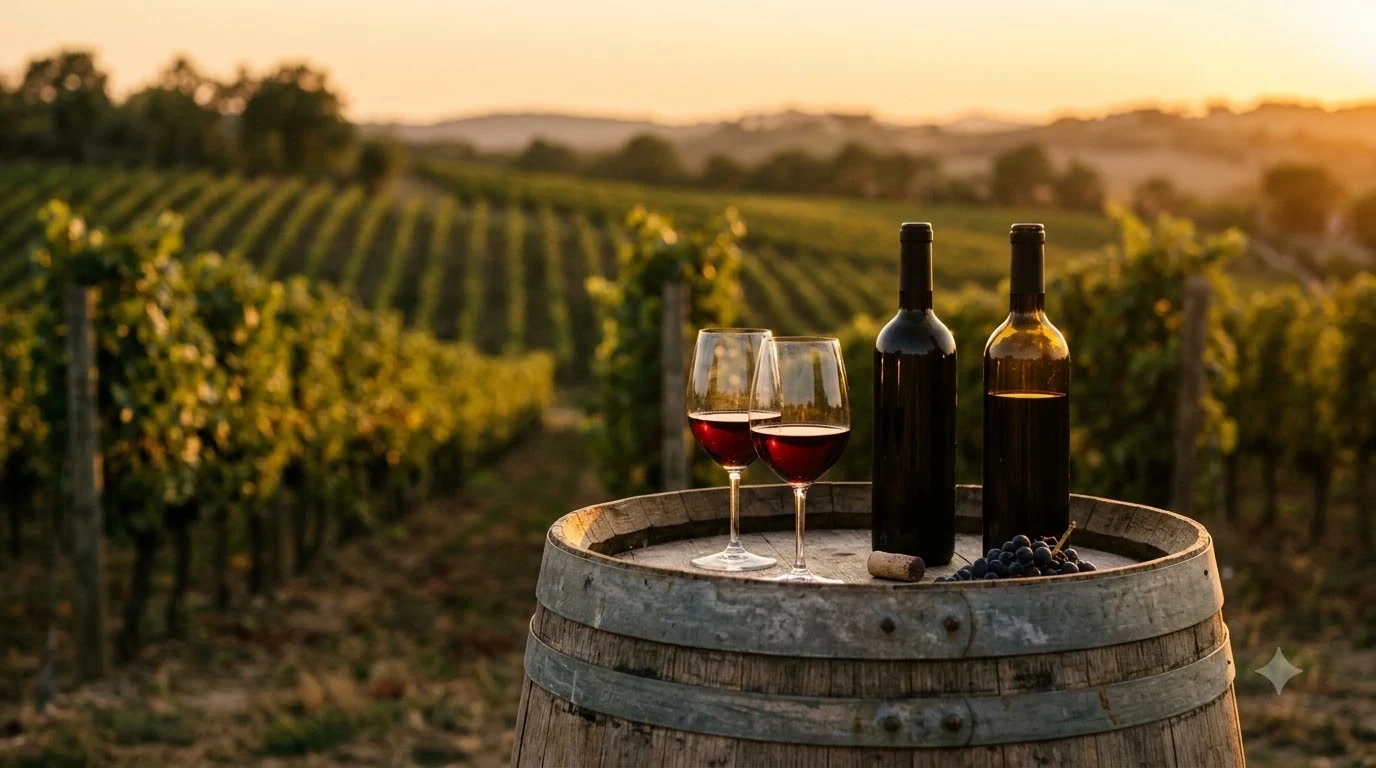
Early mountain wine is the range of Virginia wines made by Early Mountain Vineyards, a winery in Madison at the foot of the Blue Ridge Mountains. The portfolio includes Cabernet Franc-led reds, Bordeaux-style blends, Petit Manseng and other whites, rosé, and sparkling wine. Its character comes from several Virginia growing sites rather than one uniform vineyard, so the grape, bottling, and vintage matter more than a single house style. For a first bottle, compare a bright white such as Petit Manseng with a red blend such as Foothills or Novum.
Early Mountain is both a producer and a place to explore the wider Virginia wine scene. The winery combines estate fruit with grapes from selected Virginia sites, then presents the wines through tasting flights, food pairings, and a restaurant program. This guide explains what makes the range distinctive, which bottles suit different preferences, and how to serve and pair them at home.
What Early Mountain Wine Includes
Early Mountain wine refers to the wines made by Early Mountain Vineyards in Madison, Virginia, not to a grape variety or a legally defined wine style. The winery opened under the Early Mountain name in 2012, and its portfolio now covers several familiar grape families alongside varieties that have found a strong fit in Virginia. The Virginia Wine trade profile provides technical details for selected vintages.
The red side includes Cabernet Franc, Merlot, Petit Verdot, and Tannat, in single-variety wines and blends. Named bottlings include Foothills, Novum, Eluvium, RISE, and vineyard-designated Cabernet Franc and Tannat. Expect different profiles: Cabernet Franc can show red fruit and herbal notes, Merlot often feels rounder, and Tannat can bring darker fruit and firmer structure.
The white range features Petit Manseng, Sauvignon Blanc, Chardonnay, Malvasia Bianca, Albariño, and Pinot Gris. Five Forks is a named white blend, and the portfolio also includes Madison County Chardonnay, Quaker Run Chardonnay, Brut sparkling wine, Brut rosé, and still rosé.
That breadth matters: the winery makes both fresh whites and structured reds. Readers comparing it with international names can use this wine brands overview for context, then judge Early Mountain by its regional grapes and vineyard choices.
How Virginia Vineyards Shape the Style
Early Mountain’s wines reflect several elevations, soils, and exposures in Central Virginia and beyond. Its own vineyard program includes the Madison estate and Quaker Run, and the winery also works with selected sites in the Shenandoah Valley and Northern Virginia.
The Madison estate sits around 600 feet above sea level and has heavier clay soils mixed with quartz rock. The winery identifies multiple microclimates across its rolling property and highlights Petit Manseng and Sauvignon Blanc among the varieties suited to the site. Quaker Run, about 14 miles north of the winery, sits around 1,000 feet on a south- and southeast-facing slope. Its rocky, well-drained soils and airflow are associated with Merlot and Tannat, as well as site-specific Cabernet Franc.
The winery farms more than 55 vineyard acres: 35 at Early Mountain and 20 at Quaker Run. It also works with other Virginia sites. Shenandoah Valley vineyards described by the winery sit about 1,200 to 1,400 feet high, with well-drained silt and channery soils over limestone; Northern Virginia sources contribute grapes such as Petit Verdot and Merlot.
Virginia’s growing conditions require attention to each season. The winery cites vintage variation, hand-tended vines, hand-picked fruit, and careful choices of elevation and slope. East- and southeast-facing exposures capture morning sun; rocky mountainside soils drain differently from the more fertile valley floor. Those decisions help determine which varieties thrive at each site.
| Vineyard area | Elevation | Reported vineyard acreage | Site details |
|---|---|---|---|
| Early Mountain estate, Madison | About 600 ft. | 35 acres | Clay and quartz rock; multiple microclimates |
| Quaker Run | About 1,000 ft. | 20 acres | Rocky, well-drained soil; south- and southeast-facing slope |
| Shenandoah Valley partner sites | About 1,200–1,400 ft. | Not stated | Silt and channery soils over limestone bedrock |
Grapes and Bottles Worth Knowing
Cabernet Franc is central to both Virginia wine and Early Mountain’s red-wine identity. The winery notes that it is Virginia’s most planted grape and ripens earlier than several other Bordeaux varieties, a useful feature in a region with variable growing seasons.
Quaker Run Cabernet Franc forms the base of Novum, which the producer describes with tea-leaf and raspberry notes. Cabernet Franc also appears in Foothills and Soif, and in site-focused wines from Quaker Run and the Shenandoah Valley. Vineyard source and blend partners change the resulting wine’s weight, fruit, and savory character.
Merlot and Petit Verdot appear in the red blends, while Tannat offers a fuller, more structured style. A Virginia Wine trade profile lists a 2021 Eluvium as 78% Merlot and 22% Petit Verdot, at 14.3% alcohol by volume; that recipe is specific to the 2021 vintage, not a fixed formula for every release. The same profile lists a 2022 Petit Manseng as 98% Petit Manseng and 2% Chardonnay, with 13.9% alcohol and 7.5 grams per liter of acidity. Merlot generally has softer, medium tannins than Cabernet Sauvignon, while Sauvignon Blanc is another high-acid white and Chardonnay usually has more moderate acidity. The table gives vintage-specific examples of how blend composition and alcohol can differ.
| Wine example | Grape composition | Alcohol by volume | Useful takeaway |
|---|---|---|---|
| 2021 Eluvium | 78% Merlot, 22% Petit Verdot | 14.3% | A Merlot-led red blend with added structure |
| 2022 Petit Manseng | 98% Petit Manseng, 2% Chardonnay | 13.9% | A high-acid white with a small Chardonnay component |
Wine Enthusiast’s winery listing shows 90- to 92-point scores for selected Foothills, rosé, Madison County Chardonnay, Novum, and Eluvium bottlings. The ratings apply to the reviewed vintages, not every bottle from the producer. Compare grape and vintage details rather than assuming all releases match.
How to Choose a Bottle for Your Taste
Choose by grape and style first, then narrow the decision by food and occasion. Petit Manseng or Sauvignon Blanc suits a bright-white preference; Chardonnay offers a familiar profile; Cabernet Franc is a savory red option; and Foothills, Novum, or Eluvium bring several varieties together.
For crisp whites and lighter meals
Petit Manseng suits drinkers who like lively acidity, citrus, and a little more texture than a very light white. The winery associates it with pineapple and lemon at the Madison estate. Try it with oysters, crab, grilled shrimp, goat cheese, or roast chicken with herbs; Sauvignon Blanc can work with salads and green vegetables.
For a more familiar white or a richer red
Chardonnay is a good choice for someone who prefers a familiar grape and a broader range of textures. Pair it with roast chicken, creamy pasta, seared scallops, or mushrooms. For reds, start with Cabernet Franc if you enjoy raspberry, cherry, tea, and herbal notes; Merlot-based Eluvium may feel rounder, while Tannat or Petit Verdot can suit a preference for firmer structure.
For a blend or a comparison tasting
Foothills, Novum, and Eluvium make useful comparison bottles because their grape combinations and vineyard sources differ. Taste one beside a single-variety Petit Manseng or Cabernet Franc to notice how blending changes aroma, body, tannin, and finish. A globally familiar Spanish blend such as Campo Viejo red wine offers another blend-led point of comparison, but its grapes and regional origins are different. For a gift, start with the recipient’s usual style: Madison County Chardonnay for a Chardonnay drinker, Petit Manseng for an aromatic-white fan, or Novum for someone who likes Cabernet Franc. A portfolio such as Baron Philippe de Rothschild wine offers a contrast in how producers work across grapes and regions; Early Mountain’s focus is specifically Virginian.
Tip: For a first tasting, choose one white, one Cabernet Franc-led red, and one multi-grape red blend. Keep the pours small and taste the wines from lighter to fuller so the more structured red does not overwhelm the delicate white.
Serving Temperatures and Food Pairings
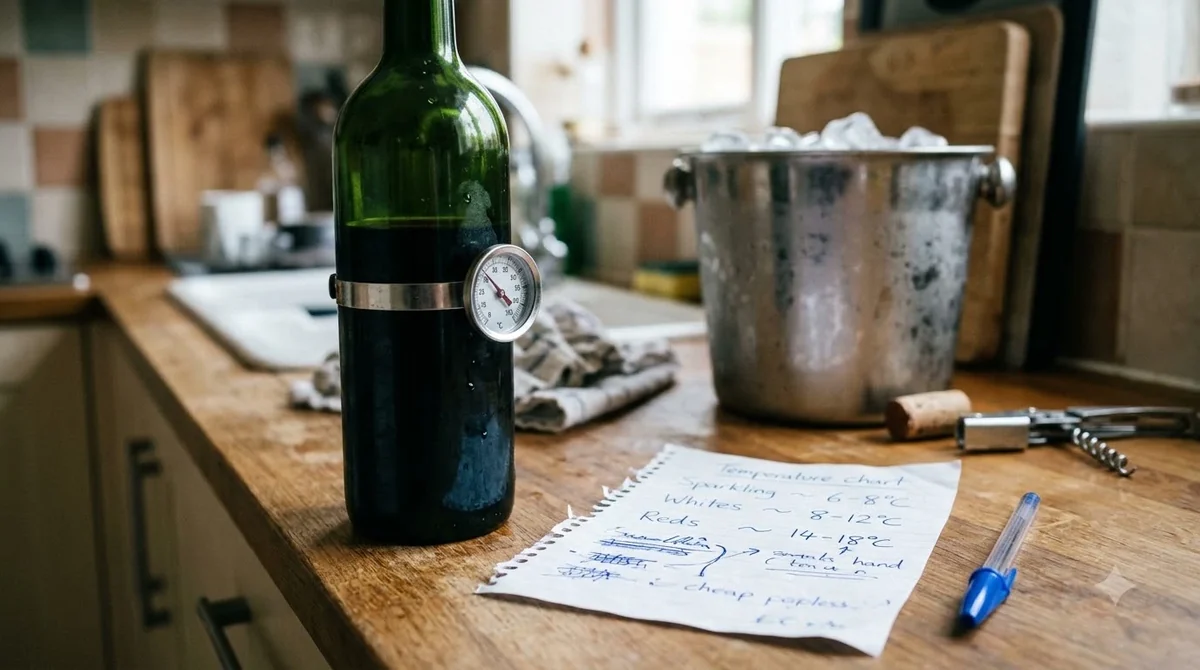
Serve the wine cool enough to preserve its freshness, but not so cold that its aromas disappear. A practical starting range is 45–50°F for light whites and rosé, 50–55°F for fuller whites, 55–60°F for lighter reds, and 60–65°F for fuller reds.
Serve Petit Manseng or Sauvignon Blanc around 45–50°F; that chill suits their acidity and citrus character with seafood, salads, and goat cheese. A fuller Chardonnay can show more detail at 50–55°F alongside roast poultry, richer fish, or cream sauces. Sparkling Brut and Brut rosé suit 40–50°F, with salty snacks, shellfish, or fried appetizers.
For reds, serve a lighter Cabernet Franc around 55–60°F and a fuller red around 60–65°F. Pair Cabernet Franc with roast pork, lamb, mushrooms, or tomato-based dishes; Merlot-led Eluvium with braised beef or burgers; and a firmer Tannat or Petit Verdot blend with steak, short ribs, or aged cheddar. Match the wine to the food’s strongest feature: acidic dishes with lemon, vinegar, or tomato need equal or higher acidity, salt and fat soften tannin, and chili heat can make alcohol and tannin seem stronger. Avoid a bold red with very spicy food; tannic reds also clash with oily fish, which is usually better with a crisp white.
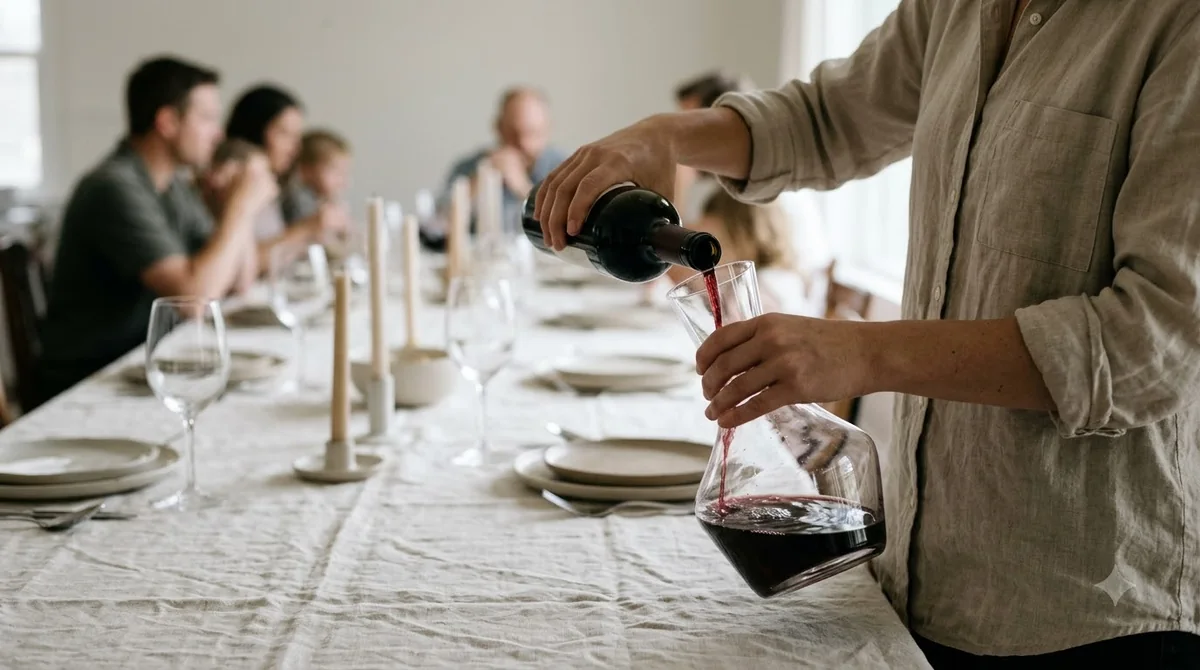
For a meal, plan about 5 ounces per glass; a standard 750-milliliter bottle gives roughly five pours. Opened still wine generally keeps for 3–5 days in the refrigerator with a sound closure, while sparkling wine is best within 1–3 days. Store unopened bottles on their sides in a cool, steady place near 55°F. A young, full-bodied red may benefit from 30–60 minutes in a decanter, while lighter Cabernet Franc or a delicate white may need little or no aeration.
Visiting the Madison Winery and Finding Bottles
Early Mountain’s tasting room is at 6109 Wolftown-Hood Road in Madison, Virginia, near the Blue Ridge Mountains. It is a winery visit as well as a chance to sample the producer’s range: the tasting program includes guided bar tastings, table flights, patio service, and a more detailed library experience.
The signature Elevation Tasting is held in the Wine Library and includes five wines, with a library selection or pre-release wine and light food pairings. The winery allows up to eight guests per seating and recommends allowing 60–75 minutes. That format makes sense if you want an introduction to several labels and a little context about grape growing and winemaking. For a shorter visit, the guided bar tasting or a self-guided flight at a table gives you more flexibility.
The restaurant program changes with the seasons and highlights ingredients from nearby farms. That can help put the wines in context: try Petit Manseng with a seafood or vegetable dish, or a Cabernet Franc with a savory plate, then ask how the kitchen’s preparation changes the match. The tasting room is also a convenient place to compare a current release with a library or limited bottling, rather than guessing how a wine will develop from a shelf description.
Visitor information lists opening days from Thursday through Monday, 11 a.m. to 5:30 p.m., with Friday dinner until 8 p.m.; reservations are recommended. Hours and flights can change for private events and seasonal menus, so confirm details before driving. The producer’s wine-finder lists retailers and restaurants. Wine Enthusiast’s winery profile lists selected reviewed wines and its Madison location.
Frequently Asked Questions
These five answers add details about the property’s history, label terminology, and the broader Virginia selection available at the tasting room.
Is Early Mountain wine made in Virginia?
Yes. Early Mountain Vineyards is based in Madison, Virginia, in Central Virginia’s Blue Ridge foothills. The property’s first vines were planted in 2005 by Jess and Sharon Sweely, before Jean and Steve Case purchased the property.
Who owns Early Mountain Vineyards?
Jean Case is listed as the winery’s owner. Jean and Steve Case purchased the property in 2010, and the Early Mountain brand opened in 2012 after renovations.
Does Early Mountain make sparkling wine?
Yes. The winery lists non-vintage Brut sparkling wine and Brut rosé among its tasting-room offerings. Non-vintage means the wine is not identified by one harvest year on the label.
Can visitors taste wines from other Virginia producers there?
Yes. The Taste of Virginia selection at Early Mountain features wines chosen from wineries across the state, in addition to the estate’s own bottles. It gives visitors a way to compare grapes and styles from different Virginia producers in one stop.
How much residual sugar is in the 2022 Petit Manseng?
The Virginia Wine trade profile lists 2.03 grams per liter of residual sugar for that bottling. It also lists 7.5 grams per liter of acidity, a useful reminder that a small amount of residual sugar can sit alongside lively acidity.
Early Mountain is a strong introduction to Virginia because its range shows how much the state’s wines can vary by grape, elevation, and vineyard source. Start with Petit Manseng and Cabernet Franc, then compare a blend or a library selection to discover which part of the portfolio best suits your palate.
More in Wine Brands
 Underwood Wine Price: Compare Bottles, Cans, and Pack SizesUpdated Nov 21, 2026
 Zenato Wine Price: Compare Styles and Choose the Right BottleUpdated Nov 21, 2026
 Zuccardi Wine Price: Compare Bottles and Find the Right RangeUpdated Nov 21, 2026
 Yellow Tail Moscato Review: Taste, Sweetness and Serving TipsUpdated Nov 21, 2026
 Wolf Blass Yellow Label Review: Choose Your Best StyleUpdated Nov 21, 2026
 Wolffer Estate Rose Review: Choose the Right Bottle for Your TableUpdated Nov 21, 2026