

We may earn a commission when you buy through links on this page, at no extra cost to you. Learn more.
In practical terms, e guigal wine is a Rhône Valley portfolio that ranges from approachable Côtes du Rhône bottles to prestigious single-vineyard Côte-Rôtie wines. Founded in Ampuis in 1946, Maison Guigal is a family-run producer known for Syrah-based reds, distinctive northern Rhône vineyards, and carefully made white wines. Its range includes several styles and appellations, so the best bottle depends on your taste, budget, meal, and interest in aging wine.
Maison Guigal is one of the names that helps explain the character and variety of the Rhône Valley. Its familiar labels can lead to very different experiences: a fruit-forward Côtes du Rhône red, a fragrant Condrieu white, a structured Côte-Rôtie, or one of the celebrated La Mouline, La Landonne, and La Turque wines. Understanding the regions, grapes, and labels makes choosing a bottle much easier. This guide explains the producer’s history, key wines, typical flavors, serving advice, and food pairings.
E. Guigal’s History and Family Winemaking
E. Guigal is a family wine house founded by Étienne Guigal in 1946 in Ampuis, a village at the heart of Côte-Rôtie in France’s northern Rhône Valley. The family business has passed through three generations, with its wines now representing a much broader range of Rhône appellations than the original Côte-Rôtie base.
Étienne arrived in the region in 1924, when he was 14, and went on to make wine there for 67 vintages. His son Marcel took over management in 1961, helping build the house’s reputation beyond its home village. Marcel and his wife, Bernadette, expanded the family business, while their son Philippe officially joined the domain as winemaker in 1997 after working alongside his father on technical matters. That continuity matters because the wines combine a long-standing regional identity with decisions made for individual vineyards and cuvées.
The family’s development was marked by several important steps. It acquired Château d’Ampuis in 1995, took over additional northern Rhône vineyard holdings in 2001, and established a cooperage at Château d’Ampuis in 2003. The cooperage gives the house a direct role in barrel production, an important consideration for a producer whose top wines spend extended periods in oak. The family also acquired Château de Nalys in Châteauneuf-du-Pape in 2017, expanding its presence into the southern Rhône.
It helps to distinguish Maison Guigal from Domaine Guigal. Maison Guigal is the broader wine house and portfolio, while Domaine Guigal refers to the family’s northern Rhône vineyard estate. Its identity is tied to Ampuis, Côte-Rôtie, and the wider Rhône, but its name appears on bottles from several appellations. For a broader introduction to producers and labels, the site’s Wine Brands section offers a useful starting point for comparing wineries.
Ampuis, Côte-Rôtie, and the Wider Rhône
Ampuis is the geographic and historical center of Guigal’s identity, while Côte-Rôtie is the appellation most closely associated with its prestige wines. The wider portfolio reaches across the northern and southern Rhône, giving buyers access to Syrah-based reds, Viognier-led whites, blends, and rosé from different vineyard environments.
The northern Rhône estate comprises 75 hectares of vineyards, according to Maison Guigal. Its properties extend through Côte-Rôtie, Condrieu, Hermitage, Saint-Joseph, and Crozes-Hermitage. These appellations do not all produce the same kind of wine. Côte-Rôtie is best known for Syrah, sometimes blended with Viognier; Condrieu is a major source of aromatic white wine made from Viognier; and the Hermitage and Saint-Joseph appellations include both red and white expressions.
Côte-Rôtie’s landscape helps explain the differences found within the appellation. Maison Guigal identifies two prominent hillside sectors: Côte Brune and Côte Blonde. Côte Brune, upstream of the Reynard area, is planted almost exclusively with Syrah and is associated with powerful, intense wines. Côte Blonde, farther downstream, includes some Viognier plantings and is associated with a more subtle character. The producer describes the vineyard slopes as having been planted by the Romans around 24 centuries ago.
The family’s wider holdings and partnerships extend beyond the northern Rhône. Château de Nalys, acquired in 2017, covers 75 hectares devoted to Châteauneuf-du-Pape. The broader Maison range also includes Gigondas, Tavel, and Côtes du Rhône wines. That distinction is useful when reading a label: the name E. Guigal identifies the producer, while the appellation tells you more about the wine’s regional origin and the rules governing its production.
The Main E. Guigal Bottles and Styles to Know
The simplest way to approach the range is to separate everyday regional wines from more specific appellation bottlings and single-vineyard wines. Côtes du Rhône offers an accessible introduction, while Côte-Rôtie, Condrieu, Hermitage, and Châteauneuf-du-Pape show how the producer works with different Rhône locations and grapes.
E. Guigal’s Côtes du Rhône red is a useful starting point for anyone interested in the house’s red-wine style. A Decanter review of the 2019 vintage records a blend of 50% Syrah, 40% Grenache, and 10% Mourvèdre. The review describes a dry, medium-bodied wine with blackberry, spice, and black pepper character. That combination gives a sense of the southern Rhône’s generous fruit and savory spice without requiring a buyer to begin with a highly specific vineyard wine.
The Côtes du Rhône range is not limited to red wine. Maison Guigal also produces white and rosé versions, while its northern Rhône collection includes white wines from Condrieu, Hermitage, Saint-Joseph, and Crozes-Hermitage. Condrieu is especially important for lovers of Viognier, a grape associated with floral aromas, stone-fruit flavors, and a rounded texture. Bottles such as Condrieu La Doriane provide a more focused expression of the appellation than a general regional blend.
For red-wine drinkers who want more geographic definition than a Côtes du Rhône label provides, Côte-Rôtie Brune & Blonde is an important step up in regional specificity. Other named wines include Côte-Rôtie Château d’Ampuis and the single-vineyard wines La Mouline, La Landonne, and La Turque. Each has its own identity, and they should not be treated as interchangeable versions of one standard house red.
The white and southern Rhône wines also broaden the choice. Châteauneuf-du-Pape is available in both red and white versions, Gigondas is represented by red wine, and Tavel gives the portfolio a rosé option. Buyers who enjoy exploring a producer’s full range can compare the regional styles with other wineries, such as Zenato wine from Italy, to see how grape variety and place shape the glass in different parts of Europe.
La Mouline, La Landonne, and La Turque Compared
La Mouline, La Landonne, and La Turque are the three best-known single-vineyard Côte-Rôtie wines associated with Marcel Guigal. Their first vintages were 1966, 1978, and 1985 respectively, according to Decanter, and each reflects a different vineyard character and approach to blending.
La Mouline was the first of the trio. Decanter’s historical profile traces its debut to 1966 and describes it as the more elegant style compared with the denser, more powerful La Landonne. The 2019 La Mouline listing records 89% Syrah and 11% Viognier. That small portion of Viognier is important to the wine’s identity: Côte-Rôtie permits the two grapes to be blended, and Viognier can contribute floral lift alongside Syrah’s darker fruit and savory character.
La Landonne is the most Syrah-focused of the three, described by Decanter as a pure Syrah wine. It is associated with the more powerful side of Côte-Rôtie and is a natural choice for drinkers who enjoy concentrated dark fruit, firm structure, and a pronounced savory profile. La Turque offers another expression of the appellation. Maison Guigal’s technical information lists it as 93% Syrah and 7% Viognier, with a powerful, spicy character that draws on its Côte Brune origins.
The producer’s technical specifications for La Turque give a useful picture of the care involved. The average vine age is 40 years, and the average yield is 35 hectoliters per hectare. Fermentation takes place in temperature-controlled stainless steel tanks with automated punching down, followed by five weeks of maceration. The wine then ages for 40 months in new oak. Those figures help explain why La Turque is a wine for a more deliberate meal or occasion rather than a casual glass poured straight after opening.
| Wine | First vintage | Grape information | Other detail |
|---|---|---|---|
| La Mouline | 1966 | 89% Syrah, 11% Viognier in the 2019 listing | More elegant style; 42 months in mostly new French oak in its early production history |
| La Landonne | 1978 | Pure Syrah, according to Decanter | Denser and more powerful style |
| La Turque | 1985 | 93% Syrah, 7% Viognier | 40 months in new oak; 25-year aging potential listed by the producer |
The blend percentages in the table refer to the specific records identified; compositions and technical details can vary with the wine and vintage. La Mouline’s 42-month oak detail comes from Decanter’s historical account, while the La Turque figures come from the producer’s technical specifications. For further reading, Decanter’s historical profile of La Mouline explains how the wine became one of the defining names of the appellation.
Choosing among the three is largely a matter of style. La Mouline suits someone drawn to fragrance and finesse, La Landonne suits someone looking for a more forceful Syrah expression, and La Turque offers a combination of power and spice with a small Viognier component. All three are serious wines, but their differences make them interesting to compare rather than simply rank.
Tasting Notes, Structure, and Cellaring
E. Guigal wines do not all taste alike, but the reds often combine dark or red berry fruit with savory notes, spice, and structure. The appellation, grape blend, vintage, and amount of oak influence the final profile, so a Côtes du Rhône red should not be expected to taste like a mature single-vineyard Côte-Rôtie.
Syrah is central to many of the house’s signature reds. Depending on the vineyard and vintage, it can suggest blackberry, black plum, black pepper, violet, olive, smoked meat, and earthy or mineral notes. Grenache can add ripe red fruit and a broader, rounder impression in blends, while Mourvèdre can contribute additional structure and savory depth. Viognier, where used in Côte-Rôtie, can add floral and aromatic detail without turning the wine into a white-wine style.
Published tasting notes provide useful examples, though they describe particular bottles rather than every vintage. Wine Enthusiast awarded the 2018 La Mouline 98 points and described dark berry, anise, floral, and smoky savory aromas, followed by a powerful, full-bodied palate with supple texture and refined tannins. Its review gives a sense of the concentration and complexity that can appear in a top Côte-Rôtie. The Wine Enthusiast review of the 2018 La Mouline offers a vintage-specific example rather than a guarantee of what every release will show.
For a less rarefied point of comparison, Decanter’s 2019 Côtes du Rhône review describes blackberry, spice, and black pepper in a medium-bodied red. Those flavors are familiar to Rhône drinkers, but the body and tannin level are generally more approachable than those of the most concentrated Côte-Rôtie bottlings. This makes a regional blend a practical choice for an everyday dinner, while a top single-vineyard wine is better suited to a meal where the wine can be given time and attention.
Cellaring potential varies substantially across the range. A simple regional red is usually intended for earlier drinking than a carefully selected single-vineyard Côte-Rôtie. La Turque’s technical information gives an aging potential of 25 years, while Decanter’s historical profile notes the extended aging approach used for La Mouline. Vintage quality, storage conditions, and the wine’s structure all influence how well a particular bottle develops.
Serving E. Guigal With Food
Serving temperature and food choice can make Rhône reds more expressive and balanced. For a full-bodied E. Guigal red, aim for 60–65°F; the producer lists 16–18°C, or about 61–64°F, for La Turque specifically. Avoid serving a powerful red too warm, since excessive warmth can make alcohol seem more prominent and reduce the impression of freshness.
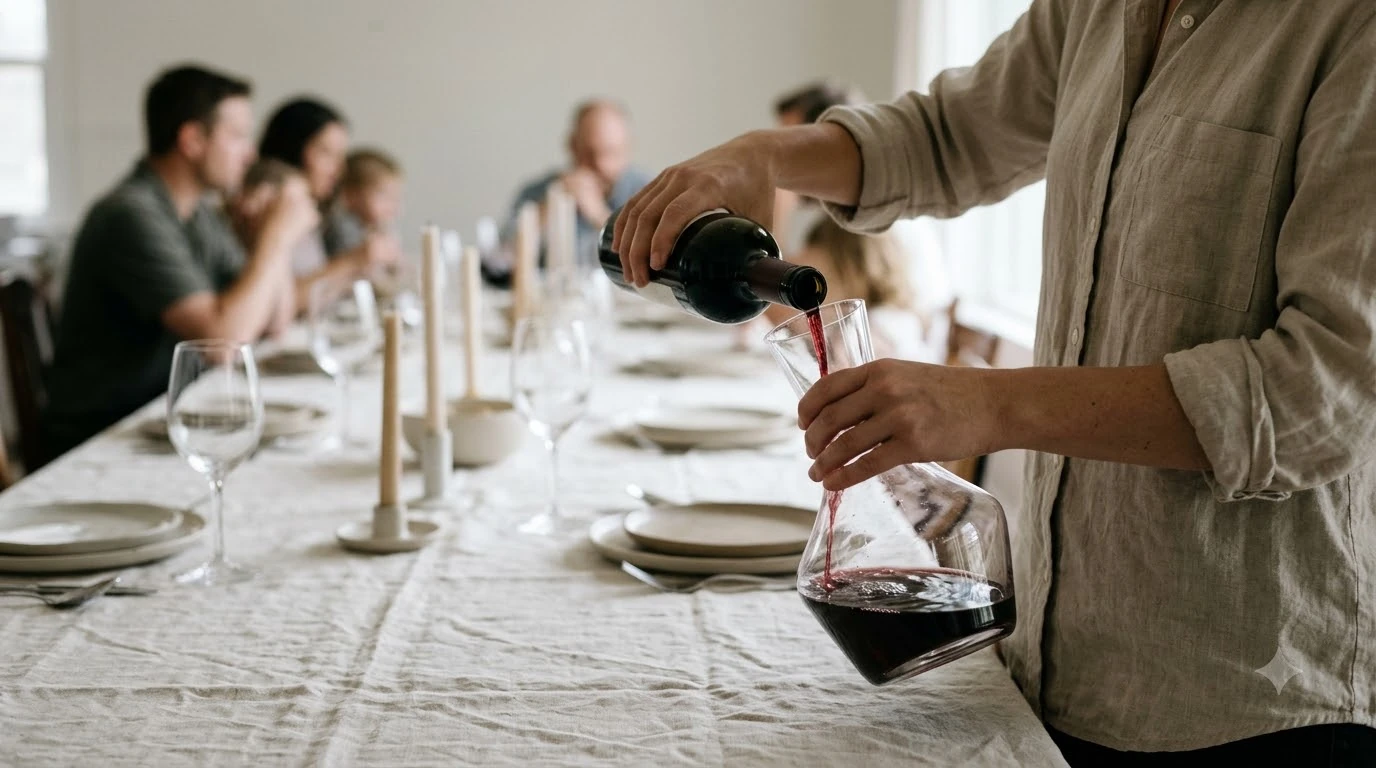
Young, full-bodied reds often benefit from 30–60 minutes in a decanter. This gives the wine time to open and allows aromas to become more apparent. Start with a smaller pour and revisit the glass after a few minutes. Older bottles require more care: sediment can form during aging, so decant gently and avoid leaving a mature wine exposed to air for too long. A 750 ml bottle provides about five standard 5-ounce servings, making it easy to plan portions for dinner.
La Turque’s producer-recommended pairings include pheasant, partridge, and hare. These dishes have enough flavor and texture to stand alongside its Syrah concentration and oak. Other good choices include roast lamb, beef stew, grilled steak, duck, and slow-cooked meats with herbs. Mushroom dishes can also work well, especially when they include roasted or earthy flavors that connect with the savory side of Rhône reds.
Food texture is as important as the main ingredient. Salt and fat soften the impression of tannin, which is useful with a structured Côte-Rôtie or Hermitage red. A fatty cut of beef, lamb with a browned crust, or a dish with a rich reduction can make the wine seem more rounded. Acidic sauces need a wine with enough acidity to keep the combination balanced, while strongly sweet sauces can make a dry red taste sharper and less generous.
Tip: Match the weight of the wine to the weight of the food. Try Côtes du Rhône with grilled sausages or roast chicken, and reserve La Mouline, La Landonne, or La Turque for richer dishes such as lamb shoulder, game, or slow-braised beef. For spicy food, choose milder seasoning because alcohol and tannin can make chili heat feel stronger.
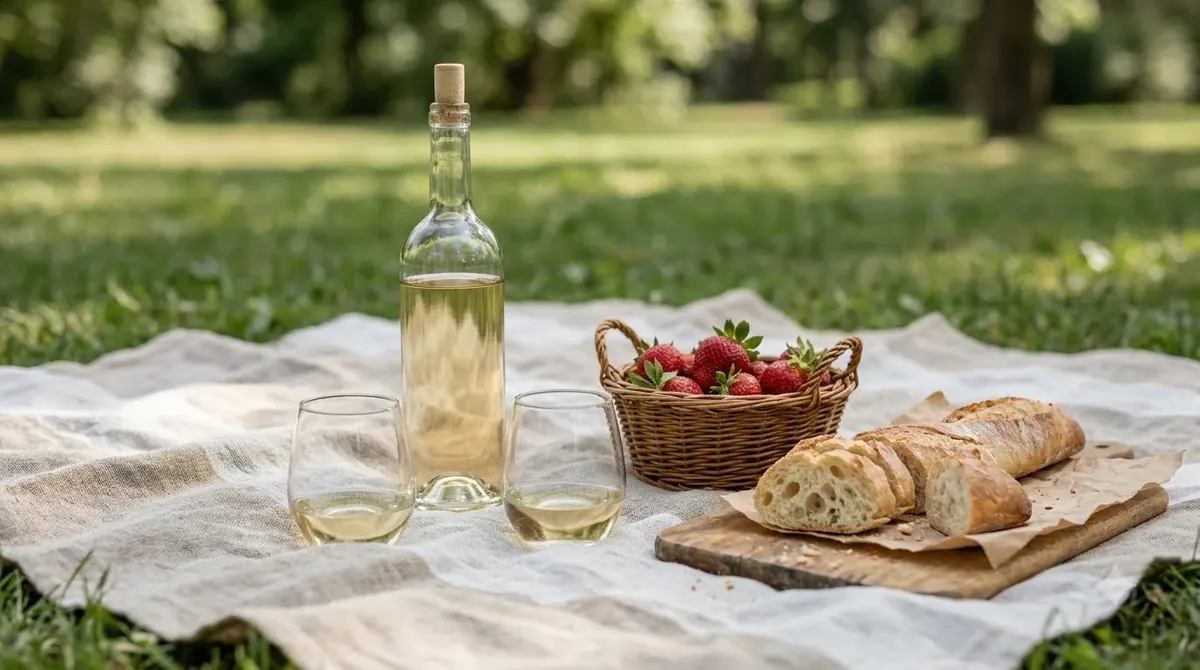
White E. Guigal wines call for a different approach. Condrieu and other Viognier-based whites work well with roast chicken, shellfish, creamy dishes, and aromatic herbs. Serve lighter whites around 45–50°F and fuller whites around 50–55°F. The Côtes du Rhône rosé and Tavel are useful alternatives for lighter meals, outdoor dining, and dishes where a full-bodied red would overpower the food.
Frequently Asked Questions
These answers add a few details about individual vineyards and the history behind the wines. They are particularly useful for buyers comparing La Mouline with other Côte-Rôtie bottlings or deciding whether an older bottle is worth seeking out.
Is the La Mouline vineyard entirely owned by Guigal?
Yes. Decanter’s historical profile describes the 1.5-hectare La Mouline site as entirely owned by Guigal. The same account contrasts it with La Landonne, which has several owners, making the ownership structure of the two famous vineyards quite different.
How old are the vines at La Mouline?
Decanter reported an average vine age of about 70 years in its historical profile. Some surviving plants were said to date to 1893, although vine age and the condition of individual parcels can change over time.
How was La Mouline different from traditional Côte-Rôtie wines?
Its early use of mostly new French oak for 42 months was unusual for Côte-Rôtie when the wine first appeared. Decanter notes that wines from the appellation were then more commonly aged in large old casks, known as foudres, or in chestnut barrels. This approach helped make La Mouline distinctive among the region’s wines.
Why does La Mouline have a different character from La Landonne?
The vineyard sites and grape compositions are different. La Mouline includes Viognier alongside Syrah, while Decanter describes La Landonne as pure Syrah. The La Mouline vineyard also sits in the Côte Blonde sector, where the site’s limestone content is higher than in many other Côte-Rôtie locations.
What happened in the 1969 La Mouline vintage?
Decanter describes 1969 as a small-crop year in Côte-Rôtie with exceptional quality. The article compares the combination of low yields and strong quality with the celebrated 1961 vintage. The 1969 bottle later became the focus of a historical feature about the wine’s early reputation.
E. Guigal offers a broad introduction to the Rhône, from food-friendly regional blends to wines with the depth and structure to reward long cellaring. Start with the Côtes du Rhône range if you want an approachable bottle, or explore Côte-Rôtie and its single-vineyard wines for a more detailed look at northern Rhône Syrah. Choosing by appellation, grape blend, and occasion is the most reliable way to find the right bottle.
More in Wine Brands
 Underwood Wine Price: Compare Bottles, Cans, and Pack SizesUpdated Nov 21, 2026
 Zenato Wine Price: Compare Styles and Choose the Right BottleUpdated Nov 21, 2026
 Zuccardi Wine Price: Compare Bottles and Find the Right RangeUpdated Nov 21, 2026
 Yellow Tail Moscato Review: Taste, Sweetness and Serving TipsUpdated Nov 21, 2026
 Wolf Blass Yellow Label Review: Choose Your Best StyleUpdated Nov 21, 2026
 Wolffer Estate Rose Review: Choose the Right Bottle for Your TableUpdated Nov 21, 2026