

We may earn a commission when you buy through links on this page, at no extra cost to you. Learn more.
Dutton Goldfield wine comes from a Sonoma County winery whose bottles are built around the Dutton Ranch vineyards and a cool coastal setting, with an emphasis on wines that show a clear sense of place. The brand describes its wines as character-driven, and its website organizes them into current releases, a fall release, Dutton Ranch wines, gift packs, and a library selection. Membership and subscriptions add limited-production bottles for buyers who want to follow the winery over several vintages.
If you are trying to understand what a Dutton Goldfield bottle is, how the releases are arranged, and how to serve and pair the wines once they are open, this guide covers those points in plain language.
What the winery says about its wines
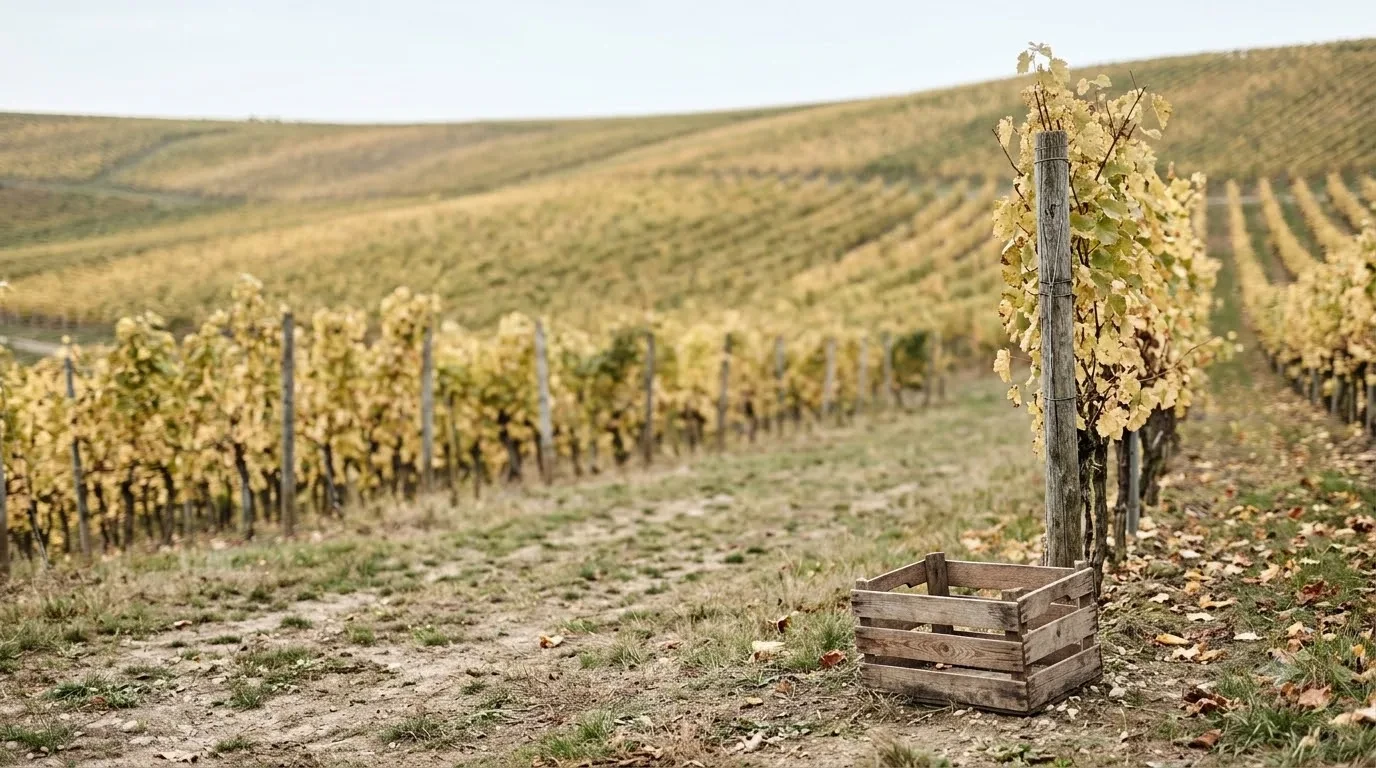
The winery’s official website focuses on place. It names the Dutton Ranch vineyards as a key source and says the winery shops wines from across the Sonoma Coast, a cool coastal stretch of the county where ocean air moderates the temperature during the growing season. The site calls its location a cool coastal neighborhood, which is a useful clue to the style you can expect: wines that tend to stay fresh and balanced rather than heavy and sun-driven.
The brand’s language is also worth noticing. Describing wines as character-driven signals that the producer wants each bottle to reflect its vineyard and vintage rather than follow one fixed template. That approach can mean that two releases from different years taste noticeably different, even when they come from the same area. If you enjoy comparing vintages, that variation is part of the appeal. If you want a bottle that tastes the same every time, a winery built on site-specific wines may be less predictable.
The website does not list every winemaking method or grape on its homepage, so treat the details on each back label as the final word. The sustainability and story pages linked from the site are the best place to learn more about how the team farms and makes its wine.
How the releases are organized
Dutton Goldfield sorts its wines into several shopping groups. Current releases are the wines available now from the most recent vintages. The fall release is a seasonal offering that many buyers look for once the harvest is in. Dutton Ranch wines are the group tied to the Dutton Ranch vineyards named on the homepage, which is the clearest expression of the site. The library is where older vintages and wines with more time in the bottle are collected, and gift packs make it easier to send a selection to someone else.
Membership adds another layer. The site describes member-exclusive, limited-production wines and offers subscriptions for buyers who prefer a regular shipment. That model suits collectors and fans who want to follow a single winery closely. For a casual buyer, the current releases are the simplest starting point, because you can compare a few bottles and see whether the house style matches your taste.
Why the Sonoma Coast matters for the glass
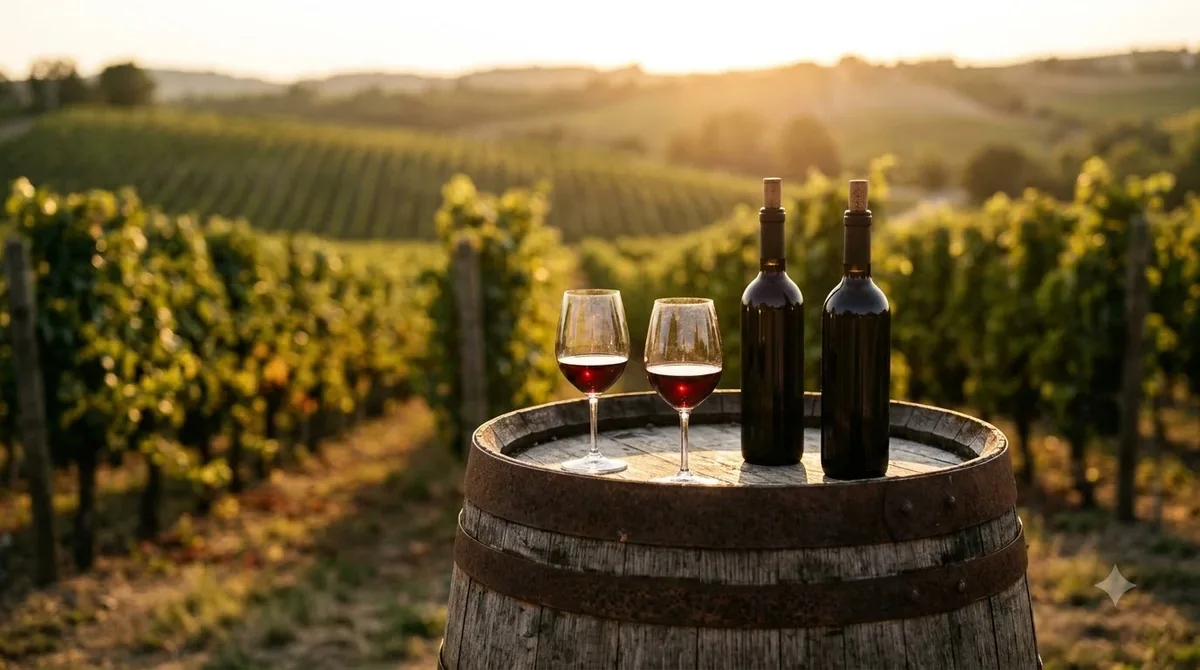
The Sonoma Coast sits closer to the Pacific than much of inland Sonoma County, and the cool air that moves in from the ocean slows ripening. Slower ripening usually keeps acidity higher and makes flavors feel more precise. In general winemaking terms, cool coastal sites often produce wines with bright fruit, a fine structure, and a finish that feels fresh rather than jammy. That is the kind of style the winery’s own language points toward.
This matters when you choose a bottle. A wine from a cool coastal vineyard often works best with food and conversation rather than as a heavy dessert-style glass. Look for words such as balance, freshness, and bright fruit on the back label or in producer notes. If a bottle is described as big and ripe, expect a richer style, and plan the food to match.
How to serve a Dutton Goldfield wine
Serving temperature depends on whether the bottle is red or white. Lighter reds usually taste best slightly below room temperature, and the wine warms up quickly in the glass. Whites show their best when chilled, but not ice cold, because extreme cold mutes aromas and flavors. If you are opening a bottle from the library, a short rest in the glass helps older wines open up.
Use a glass with enough room to swirl. A wide bowl concentrates aromas and lets you judge the fruit, acidity, and texture before you taste. Pour a moderate portion and give the wine a few minutes to show more of its character. Decanting is usually unnecessary for most current releases, but an older bottle may throw sediment, so stand it upright for a day before opening and pour slowly.
Food pairings for coastal, character-driven wines
Wines with fresh acidity and balanced fruit are flexible at the table. For red wines with a lighter structure, try roasted chicken, mushroom dishes, salmon, and herb-roasted vegetables. For fuller reds, grilled meats and braised dishes work well. For white wines with bright acidity, seafood, shellfish, and salads are classic matches, and creamy pasta or roast chicken suits richer styles.
The general principle is to match the weight and the flavor intensity. Delicate wines need delicate food, while bolder bottles can handle spice, char, and rich sauces. Cheese is a reliable choice for almost any wine, especially a semi-firm cheese with a mild rind. Keep the sauces simple so the vineyard character can come through.
How to choose the right bottle
Start by deciding what the bottle is for. For a dinner with friends, a current release gives you a good sense of the house style without much commitment. For a special occasion, a Dutton Ranch wine or a library bottle gives you a clearer picture of the vineyard and the producer’s approach. For someone who already loves a particular vintage, a gift pack or subscription is a practical way to stay connected to the winery.
When you compare bottles, read the vintage, the region listed on the label, and any mention of the vineyard. Those details are more useful than general adjectives. If you are shopping across several producers, you can also browse the Pedernales wine and Spottswoode wine guides on this site to see how other wineries present their range and style.
Frequently Asked Questions
Where are Dutton Goldfield grapes grown?
The winery’s website names the Dutton Ranch vineyards and says it shops wines from across the Sonoma Coast. Check each bottle’s label for the specific vineyard or appellation before you buy.
What does character-driven mean for a wine?
It is a term many producers use to describe wines that reflect their vineyard and vintage rather than a standard house style. Expect some variation from one release to the next.
What is the difference between current releases and the library?
Current releases are the most recent wines on sale, while the library gathers older vintages and wines with more time in bottle. Library bottles usually suit buyers who want to explore how a wine changes with age.
Is membership worth it for a casual drinker?
Membership is aimed at buyers who want limited-production wines and regular shipments. If you only buy occasionally, start with current releases and a gift pack to see whether the style suits you.
Dutton Goldfield wine is easiest to appreciate when you know the vineyard, the release type, and the serving basics. Read the label, match the bottle to the meal, and let the coastal character guide your choice. To explore more wine brands, visit the Wine Brands section and compare the guides that interest you most.
More in Wine Brands
 Underwood Wine Price: Compare Bottles, Cans, and Pack SizesUpdated Nov 21, 2026
 Zenato Wine Price: Compare Styles and Choose the Right BottleUpdated Nov 21, 2026
 Zuccardi Wine Price: Compare Bottles and Find the Right RangeUpdated Nov 21, 2026
 Yellow Tail Moscato Review: Taste, Sweetness and Serving TipsUpdated Nov 21, 2026
 Wolf Blass Yellow Label Review: Choose Your Best StyleUpdated Nov 21, 2026
 Wolffer Estate Rose Review: Choose the Right Bottle for Your TableUpdated Nov 21, 2026