


We may earn a commission when you buy through links on this page, at no extra cost to you. Learn more.
Duplin wine comes from Duplin Winery, a family-run producer in Rose Hill, North Carolina, that is best known for muscadine wines made from a native Southern grape. The winery was founded in 1975 and is described as the oldest operating winery in North Carolina. The brand has since opened tasting locations in South Carolina and Florida.
If you have seen the Duplin name on a bottle at a grocery store or a roadside stand and wondered what it tastes like, this guide explains where the brand comes from, what makes its wines different, and how to decide whether a Duplin bottle suits your table. The story is more about regional grapes than about the glamour of European estates, and that difference shapes the flavor in the glass.
Where Duplin Winery started
Duplin Winery was established in 1975 in Duplin County, in the eastern part of North Carolina. According to the company’s history as summarized on Wikipedia, the winery began when two brothers, Dan Fussell Jr. and David Fussell, decided to pursue winemaking in the early 1970s. They concluded that muscadine was the grape best suited to the local climate, which was a practical choice as much as a creative one.
The timing mattered. North Carolina was under state prohibition at the time, which limited the production of drinking alcohol. Local grape growers had been selling their crops to wineries outside the state, so a licensed producer inside North Carolina was a new development. The winery’s early years depended on persistence, and its reputation grew as customers discovered the muscadine wines and recommended them to others.
Over the decades the company grew from a single farm-side operation into a larger business. It now lists a headquarters in Rose Hill, with additional locations in North Myrtle Beach, South Carolina, and Panama City Beach, Florida. Those expansions reflect a brand that has moved from a regional curiosity to a recognized name across the Southeast.
What makes muscadine wine taste different
Muscadine is a native grape of the southeastern United States, and it is not the same as the vinifera grapes used in most European and California wines. Muscadine grapes have thick skins, a strong aroma, and a naturally high level of acidity that keeps the wine lively. Many muscadine wines taste fruity and sweet, with notes that people often describe as grape, honey, or stone fruit. Some styles are dry, but a large share of the category leans toward sweetness.
That character is why muscadine wine feels so different from a Cabernet or a Pinot Noir. The fruit is bolder and the body is often lighter, so the wine reads more like a dessert or a sipping wine than a dinner wine for many drinkers. For people who prefer a fruit-forward glass, that is a strength. For people who want a dry, structured red, it can be a surprise.
| Wine style | Typical flavor | Best way to enjoy it |
|---|---|---|
| Sweet muscadine | Ripe grape, honey, bright acidity | On its own, lightly chilled, or with fresh fruit |
| Dry muscadine | Tart fruit, lighter body, clean finish | With grilled chicken, salads, or mild cheeses |
| Fruit-blended wine | Softer and more playful | As a party wine or in a spritz |
The table above is a general guide to how muscadine styles tend to behave. Individual bottles vary, so check the label or the producer’s description for the sweetness level before you pour for guests who prefer dry wine.
Duplin’s lineup and where it fits
The brand’s core identity is muscadine, but the range has expanded over time to include other styles. Duplin also produces jams, jellies, and sauces made with muscadine fruit, which extends the brand beyond the glass. Some of the company’s products are aimed at tasting-room visitors, while others are sold through retail shelves, so the bottle you find in one store may not match what is poured at the winery.
The official Duplin Winery website groups its wines into red, white, blush, specialty and to-go categories, and several of its featured products are muscadine moscato wines. The winery’s own site describes its range as sweet wines, which matches the fruit-forward profile described in this guide.
When you compare Duplin with other wine brands, the most useful question is what you want from the bottle. If you are looking for a crowd-pleasing sweet wine with a clear regional identity, Duplin is a logical choice. If you want a broad, classic lineup of European varietals, a different producer will likely serve you better. The brand works best when you already enjoy the fruit style of muscadine.
How to serve Duplin wine
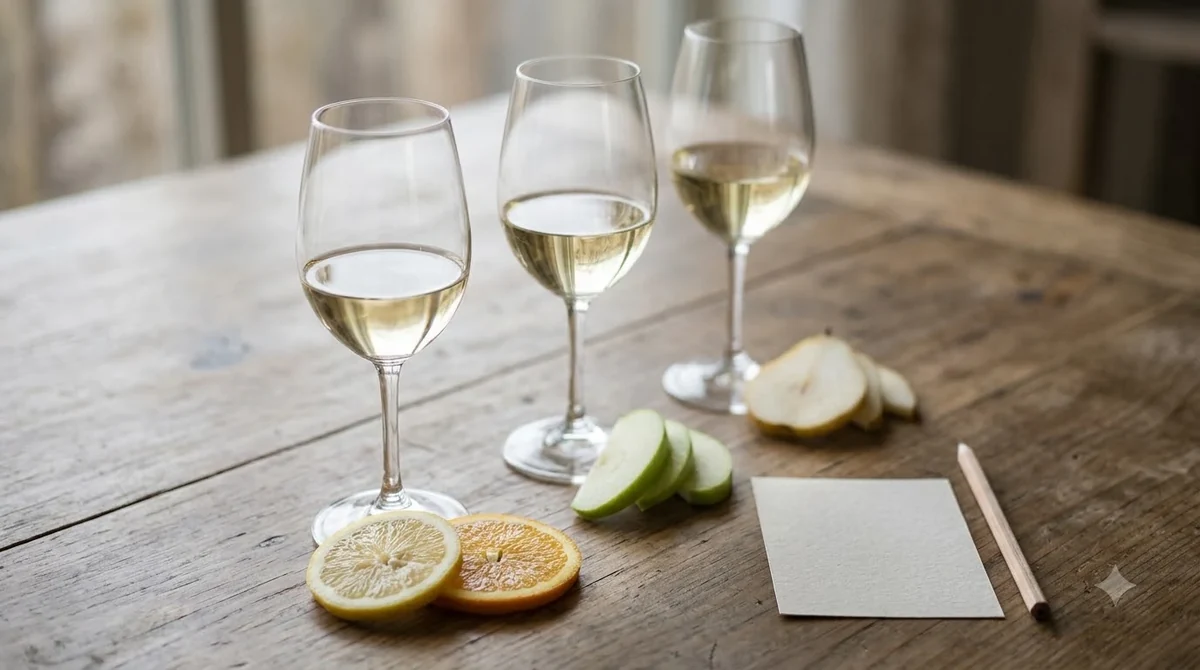
Serving temperature has a large effect on sweet and fruit-forward wines. Most muscadine wines taste best when they are chilled but not icy, which keeps the fruit expressive without making the sweetness feel heavy. Pour a sweet muscadine in a standard white wine glass, and let it sit for a few minutes before tasting so the aromas can open up.
For dry styles, the same chilled approach works, though many people prefer a slightly warmer temperature to let the acidity show. Muscadine is also useful in cocktails and punches. A splash can add body and fruit to a spritz, and it blends well with citrus, soda, and fresh berries. Because the flavor is intense, a small amount goes a long way.
Tip: If you plan to serve Duplin at a party, offer a dry bottle and a sweet bottle side by side. Guests can choose the style they enjoy, and the contrast makes the difference between the two easy to taste.
Food pairings that work well
The fruit character of muscadine makes it a flexible partner for food. Sweet styles pair with salty snacks, soft cheeses, fruit desserts, and spicy barbecue, where the sugar balances heat. Dry styles suit lighter dishes such as grilled poultry, fresh salads, and seafood with a citrus finish. Avoid pairing a sweet muscadine with a dish that is already very sweet, because the two can cancel each other out and leave the wine tasting thin.
Southern cooking is a natural match. A fruity wine can cut through fried foods and rich sides, and it works with the sweet and smoky flavors common in regional barbecue. For guests who are new to muscadine, a simple cheese board is an easy way to introduce the style.
How to choose a muscadine bottle
Choosing a muscadine wine is easier when you know what to look for on the label. Start with the sweetness level, because that is the single biggest factor in how the wine will taste. If the label or the producer’s description says the wine is sweet or semi-sweet, expect a fuller, fruit-led glass. If it says dry, expect a lighter body and a more tart finish. Where the style is not stated, read the description carefully and compare it with other bottles you already know.
Next, consider the occasion. A sweet muscadine is well suited to a relaxed afternoon, a porch gathering, or a dessert course. A dry muscadine works better when the wine needs to share the table with a main dish. If you are buying for a group with mixed tastes, a bottle of each style covers both preferences without much guesswork.
Finally, think about how you will use the wine after opening. Muscadine wines, like most wines, are best enjoyed within a few days of opening once the bottle has been recorked and kept cool. Smaller bottles make sense for a single gathering, while larger formats can work for longer events where the wine will be shared over several hours.
Common questions about the brand and its wines
People who are new to Duplin often ask whether the brand’s wines are a good fit for a casual host or a more formal table. The honest answer is that they fit both settings if the style matches the occasion. A sweet, fruit-forward bottle is a friendly choice for guests who do not usually drink wine, while a drier bottle can be a conversation piece for guests who want to explore a regional grape. The key is to pair the style with the people at the table rather than expecting one wine to suit everyone.
Because the brand is tied so closely to the muscadine grape, it also gives a useful entry point into southeastern winemaking. Learning how muscadine tastes can make it easier to understand other native and hybrid grapes, and to decide which regional styles you want to try next.
Frequently Asked Questions
Is Duplin wine sweet or dry?
Muscadine wines are often sweeter than European wines, and many Duplin bottles lean toward fruit-forward, sweeter styles. Check the label or the producer’s description for the sweetness level of a specific bottle.
Where is Duplin Winery located?
The winery is based in Rose Hill, North Carolina. According to the company’s background as summarized on Wikipedia, it has additional locations in North Myrtle Beach, South Carolina, and Panama City Beach, Florida.
What grape does Duplin use for its wine?
Duplin is known primarily for muscadine wines. Muscadine is a native grape of the southeastern United States that grows well in the region’s climate.
Can I serve Duplin wine chilled?
Yes. Most muscadine wines taste best lightly chilled, which keeps the fruit lively and the sweetness balanced. Dry styles can be served a little warmer to show more acidity.
Duplin is a useful example of a regional wine brand that built its reputation on a native grape. If you want to compare it with other popular names, start with our wine brands guide, and read about another sweet, fruit-forward option in our Stella Rosa wine guide. For background on the company’s history, the Duplin Winery entry on Wikipedia is a good place to start.
More in Wine Brands
 Underwood Wine Price: Compare Bottles, Cans, and Pack SizesUpdated Nov 21, 2026
 Zenato Wine Price: Compare Styles and Choose the Right BottleUpdated Nov 21, 2026
 Zuccardi Wine Price: Compare Bottles and Find the Right RangeUpdated Nov 21, 2026
 Yellow Tail Moscato Review: Taste, Sweetness and Serving TipsUpdated Nov 21, 2026
 Wolf Blass Yellow Label Review: Choose Your Best StyleUpdated Nov 21, 2026
 Wolffer Estate Rose Review: Choose the Right Bottle for Your TableUpdated Nov 21, 2026