

We may earn a commission when you buy through links on this page, at no extra cost to you. Learn more.
This donnafugata wine review finds that Donnafugata is a worthwhile Sicilian producer to explore if you enjoy expressive Mediterranean wines, distinctive native grapes, and a broad selection of styles. Its portfolio ranges from aromatic Zibibbo whites and refreshing rosés to structured Etna reds and concentrated dessert wines. Beginners can start with an approachable white or red, while experienced wine drinkers may prefer the celebrated Ben Ryé or Mille e una Notte. The right bottle depends on how much body, sweetness, acidity, and complexity you want.
Italian wine offers much more than familiar bottles from Tuscany and Piedmont. Sicily has its own collection of native grapes, volcanic landscapes, coastal vineyards, and long-established winemaking traditions. Donnafugata brings several of these elements together under one producer, offering wines from different parts of the island rather than relying on one grape or a single house style. Understanding its regions and wine categories makes choosing a bottle considerably easier.
Who Should Choose Donnafugata Wine?
Donnafugata is particularly appealing to wine drinkers who want to explore Sicily through several grape varieties and regional expressions. Its range includes approachable everyday bottles, distinctive regional wines, and more ambitious selections for special occasions.
The producer was founded in 1983 by Giacomo and Gabriella Rallo. Its name means woman in flight and draws inspiration from the literary story associated with Giuseppe Tomasi di Lampedusa’s novel The Leopard. The winery’s artistic labels are another recognizable feature, but the wines themselves are the more important reason to explore the collection.
According to the producer, Donnafugata works across five locations: Marsala, Contessa Entellina, Pantelleria, Vittoria, and Etna. These areas provide different growing environments, from volcanic slopes to coastal landscapes and western Sicilian hills. The winery reports 459 hectares of vineyards distributed across 35 districts, giving it considerable geographical diversity.
This range makes Donnafugata suitable for several types of wine drinkers:
- Beginners: Start with Anthìlia, SurSur, or Lumera if you prefer approachable whites and rosés.
- White wine enthusiasts: Explore Lighea for aromatic Zibibbo character or Chiarandà for a Chardonnay-based experience.
- Red wine drinkers: Consider Bell’Assai, Floramundi, or Mille e una Notte depending on your preferred weight and structure.
- Dessert wine enthusiasts: Ben Ryé is the standout choice for concentrated sweetness balanced by refreshing acidity.
- Collectors and adventurous drinkers: Explore the Etna selections and the more ambitious wines from Contessa Entellina.
Donnafugata is not necessarily the right choice if you only want inexpensive, uncomplicated wine with a familiar international flavor profile. Some bottles are designed to communicate specific Sicilian growing conditions and grape characteristics, so their appeal is partly tied to their regional identity. Those who enjoy discovering unfamiliar varieties will have more reasons to explore the range.
For a broader introduction to producers and styles, the Wine Brands resource can help put Donnafugata in context alongside other wineries. Readers comparing familiar supermarket labels with regional Italian producers may also find this overview of Barefoot wine useful for understanding differences in style and positioning.
Key Factors to Compare Before Buying Donnafugata
The most useful way to compare Donnafugata bottles is by grape variety, regional origin, sweetness, body, and intended occasion. A Zibibbo white from Pantelleria offers a very different experience from a structured red made with Nero d’Avola, Petit Verdot, and Syrah.
| Wine or style | Grape or blend | Typical character | Best occasion |
|---|---|---|---|
| Anthìlia | White blend | Fresh, approachable white | Casual meals |
| SurSur | Grillo | Bright, aromatic white | Seafood and appetizers |
| Lighea | Zibibbo | Floral and aromatic | Spiced seafood and lighter dishes |
| Lumera | Rosé blend | Fresh and fruity | Outdoor dining |
| Bell’Assai | Frappato | Fragrant, lighter red | Grilled vegetables and poultry |
| Floramundi | Cerasuolo di Vittoria blend | Fresh, structured red | Tomato dishes and roasted meat |
| Mille e una Notte | Nero d’Avola, Petit Verdot, Syrah | Full-bodied, complex red | Special dinners |
| Ben Ryé | Zibibbo | Rich, sweet dessert wine | Dessert and cheese |
The table provides a practical starting point, but the grape and production area deserve closer attention. Zibibbo, for example, is also known as Muscat of Alexandria. It is naturally aromatic and can produce both dry-style wines and concentrated sweet wines. Lighea and Ben Ryé demonstrate how the same grape can produce very different drinking experiences depending on production methods and the finished wine’s sweetness.
Regional origin is another important consideration. Donnafugata’s Contessa Entellina wines reflect western Sicily, while its Etna wines come from vineyards associated with the volcanic slopes of Mount Etna. Pantelleria is especially important for its Zibibbo wines and traditional vine-growing practices. Vittoria, meanwhile, provides a different setting for red wines such as Bell’Assai and Floramundi.
Body and tannin also influence the buying decision. A light red can be served slightly cooler and enjoyed with a wider range of foods than a powerful, oak-aged red. For example, Bell’Assai is a reasonable starting point for drinkers who prefer fragrant reds, while Mille e una Notte suits those who enjoy greater concentration and more noticeable tannins.
Sweetness should be considered separately from fruit aroma. A wine that smells of peach, apricot, or citrus is not necessarily sweet. Ben Ryé, however, is intentionally made as a concentrated dessert wine, whereas a dry Zibibbo such as Lighea provides aromatic intensity without the same dessert-wine profile.
Tip: If you are unfamiliar with Sicilian grapes, begin with one white and one red from Donnafugata before purchasing a more expensive bottle. Comparing Lighea with Bell’Assai, for example, introduces two very different Sicilian wine expressions without requiring a large tasting selection.
Wine Enthusiast’s review of Donnafugata’s 2024 Lighea describes jasmine, mandarin blossom, candied lemon peel, apricot, white peach, grapefruit, and almond. Its published review is useful for understanding the aromatic side of Zibibbo before choosing a bottle: Wine Enthusiast’s Donnafugata Lighea review.
Step-by-Step: How to Choose the Right Bottle
Choosing a Donnafugata wine becomes easier when you work from the drinking occasion toward the grape variety and style. Rather than selecting a bottle simply because its label looks attractive, consider the meal, the desired weight, and whether you prefer dry or sweet wine.
-
Decide whether you want white, rosé, red, sparkling, or dessert wine.
For a refreshing aperitif, consider Anthìlia, SurSur, or Lumera. For a dinner centered on red meat, look at Floramundi or Mille e una Notte. If the purpose is to finish a meal with something sweet, Ben Ryé is a more appropriate choice than a dry white.
-
Choose the grape variety that matches your preferences.
Grillo offers a useful introduction to Sicilian white wine, while Zibibbo brings more pronounced floral and fruit aromas. Nero d’Avola is a key Sicilian red grape, and Frappato offers a more fragrant, generally lighter red style. Those who enjoy international varieties can explore Donnafugata’s Chardonnay and Bordeaux-inspired blends.
-
Consider the region.
Choose Pantelleria if you are interested in Zibibbo and distinctive sweet wines. Look toward Etna for wines shaped by volcanic vineyard conditions. Contessa Entellina provides a broader selection, including Chardonnay and more structured red blends, while Vittoria is a useful starting point for Frappato-based wines.
-
Match the wine’s body to the food.
Pair lighter whites with seafood, vegetables, and salads. Choose a medium-bodied red for tomato-based pasta or roasted poultry. Richer reds work better with braised meat, lamb, and substantial dishes. For sweet wines, select desserts that are no sweeter than the wine itself.
-
Consider sweetness and acidity.
For dry wine, look at the white, rosé, and red categories rather than assuming that an aromatic grape produces sweetness. For dessert wine, Ben Ryé offers concentrated fruit and honey-like character with acidity that helps balance its sweetness.
-
Compare bottle formats and the intended serving occasion.
A 750 ml bottle generally provides approximately five standard 5-ounce pours. Smaller formats can make sense for concentrated dessert wines because a modest serving is often sufficient. Larger formats are more appropriate for gatherings where several people will share the same wine.
-
Check the vintage and purchase from a reliable retailer.
Wine characteristics can vary with growing conditions and harvest decisions. Compare the available vintage, bottle condition, and retailer information rather than assuming every release will taste exactly like a previously reviewed bottle.
This process is particularly useful when purchasing Donnafugata for a dinner party. A bottle selected around the food and guests’ preferences is usually more successful than choosing solely by reputation or packaging.
Donnafugata Wine Types and Styles Explained
Donnafugata’s collection covers several distinct Sicilian wine categories, with differences driven by grape variety, growing location, and winemaking decisions. Understanding the main styles helps identify which bottles deserve attention first.

Fresh Sicilian White Wines
The white wines are among the easiest places to begin exploring Donnafugata. Anthìlia, SurSur, Prio, and Lighea offer different expressions of Sicilian white grapes and aromatic character.
SurSur is made from Grillo, a native Sicilian variety associated with fresh, expressive white wines. It is a natural option for seafood, grilled vegetables, and casual lunches. Anthìlia provides another approachable white-wine choice, while Prio focuses on Lucido, another name associated with Catarratto.
Lighea deserves particular attention because it is made from Zibibbo. The Wine Enthusiast review of its 2024 vintage describes floral aromas alongside mandarin, apricot, white peach, and grapefruit. These characteristics make it an interesting choice for drinkers who enjoy aromatic wines but still want a dry white for the dinner table.
Chiarandà offers a different direction. Made from Chardonnay in the Contessa Entellina DOC area, it is worth exploring if you prefer a familiar international grape expressed through a Sicilian setting.
Rosé and Lighter Red Wines
Lumera is Donnafugata’s Sicilia DOC rosé, offering an alternative for drinkers who want something between a fresh white and a more structured red. Rosé works especially well with antipasti, grilled seafood, salads, and dishes served outdoors.
For red wine drinkers who do not enjoy heavy tannins, Bell’Assai is a useful choice. Its Frappato identity connects it with the Vittoria area, where fragrant and approachable red wine styles are an important part of the regional picture.
Floramundi offers a different expression through Cerasuolo di Vittoria DOCG. This regional red is a good option for tomato-based pasta, roasted vegetables, and poultry. Its combination of freshness and red-fruit character can make it easier to pair with food than a much heavier red blend.
Structured Sicilian Red Wines
Mille e una Notte is one of Donnafugata’s most recognizable premium red wines. It combines Nero d’Avola, Petit Verdot, and Syrah, bringing together a native Sicilian grape and two international varieties.
The producer’s technical information for the wine describes 12 months of aging in new French oak barriques followed by nearly two years in bottle. Its tasting notes include black mulberry, plum, black pepper, licorice, mint, and cocoa. The wine is intended for more substantial meals, including braised meat, ragù pasta, and rack of lamb.
Etna Rosso selections such as Sul Vulcano Rosso and the more ambitious Fragore offer another route into Donnafugata’s red wines. These bottles are associated with volcanic vineyard conditions and provide an opportunity to explore the distinctive character of eastern Sicily.
Sweet and Sparkling Wines
Ben Ryé is the standout dessert wine in Donnafugata’s collection. It is made from Zibibbo grapes on Pantelleria and belongs to the Passito di Pantelleria DOC category. The grapes are dried before vinification, concentrating their sugars and aromas.
The resulting wine is known for its combination of apricot, honey, citrus, and dried-fruit characteristics. Despite its sweetness, good acidity provides freshness and prevents the wine from feeling excessively heavy. It can accompany fruit desserts, pastries, blue cheese, or simply be served by itself at the end of a meal.
Donnafugata Brut provides a contrasting option for sparkling wine enthusiasts. Its Sicilia DOC designation and Metodo Classico production method distinguish it from sparkling wines made using the tank method. This is worth remembering when comparing Italian sparkling bottles, since production method can influence texture and flavor. For another example of Italian sparkling wine made in a different style, see this overview of La Marca Prosecco.
Common Mistakes When Buying Donnafugata
The biggest purchasing mistakes involve confusing aromatic intensity with sweetness, overlooking regional differences, and choosing a wine based only on its label or reputation. A little attention to grape variety and food pairing can prevent most disappointing purchases.
Assuming Every Sicilian White Is Sweet
Sicilian white wines can be fresh, dry, aromatic, and mineral in character. Zibibbo is particularly aromatic, but that does not mean every Zibibbo wine is a dessert wine. Lighea and Ben Ryé illustrate the difference clearly: one is a white wine intended for regular meals, while the other is a concentrated sweet wine.
For someone who usually drinks Sauvignon Blanc or Pinot Grigio, starting with a dry Donnafugata white is a better introduction than buying a dessert wine immediately. This makes it easier to understand the producer’s approach to Sicilian grapes before exploring more specialized styles.
Choosing a Powerful Red for Every Meal
Mille e una Notte is a substantial red, and its tannins and oak influence make it better suited to richer food. It is not automatically the best option for grilled fish, delicate vegetables, or light seafood pasta.
Bell’Assai and Floramundi can be more flexible alternatives for meals where a heavy red would dominate the food. The general pairing principle is straightforward: salt and fat soften tannin, while oily fish can clash with strongly tannic reds.
Ignoring Regional Differences
Donnafugata is not a single-terroir winery producing one consistent flavor profile. Its wines come from several parts of Sicily, including Pantelleria, Etna, Vittoria, and Contessa Entellina. A wine from volcanic Etna vineyards should not automatically be expected to taste like one from western Sicily.
Regional identity is one of the main reasons to explore the portfolio. Comparing an Etna red with a Frappato-based wine from Vittoria can show how different Sicilian environments and grapes produce distinct styles.
Buying Based Only on Label Artwork
Donnafugata is recognized for its artistic labels, which are an important part of the producer’s identity. However, attractive packaging does not tell you whether a wine is dry, sweet, light, or full-bodied.
Read the wine name, denomination, and grape information before purchasing. For example, Ben Ryé and Mille e una Notte are both recognizable Donnafugata wines, but their sweetness, body, and intended serving occasions are completely different.
Serving Sweet Wine Too Warm or Red Wine Too Hot
Temperature has a noticeable effect on aroma, alcohol perception, and freshness. A sweet wine served too warm may seem heavier than intended, while a full red served at a warm room temperature can emphasize alcohol and reduce its freshness.
Use the appropriate serving range for each category instead of applying the same temperature to every bottle. This simple adjustment can improve the experience without requiring special equipment.
Care and Storage Tips for Donnafugata Bottles
Proper storage protects the wine’s freshness and helps more structured bottles develop as intended. Keep unopened bottles away from heat, direct sunlight, and repeated temperature fluctuations, and use suitable serving temperatures for each wine style.
Storing Unopened Bottles
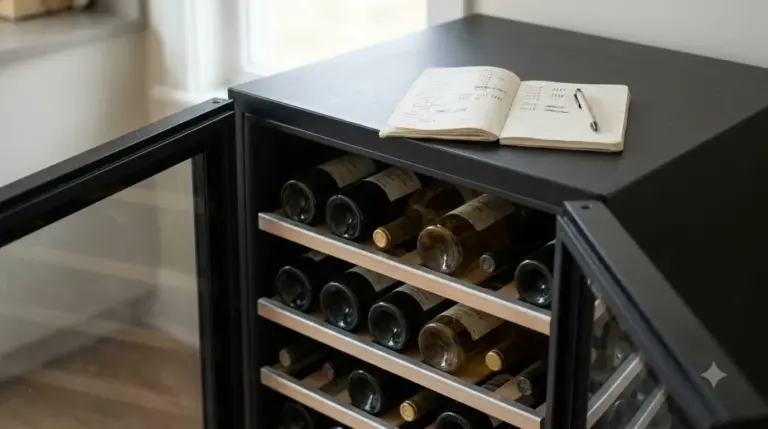
A consistent temperature near 55°F is a useful target for long-term wine storage. Bottles sealed with traditional corks should generally be stored on their sides so the cork does not dry out. Avoid keeping wine near ovens, radiators, windows, or appliances that produce frequent heat changes.
Donnafugata produces wines with different intended drinking windows. Fresh whites and rosés are generally most enjoyable while their youthful fruit character remains vibrant. More structured reds, including Mille e una Notte, may develop additional complexity with suitable bottle aging.
Ben Ryé also has the concentration and acidity to develop over time, although storage conditions are important. A bottle intended for a future celebration should be kept in a cool, dark location rather than in a warm kitchen cupboard.
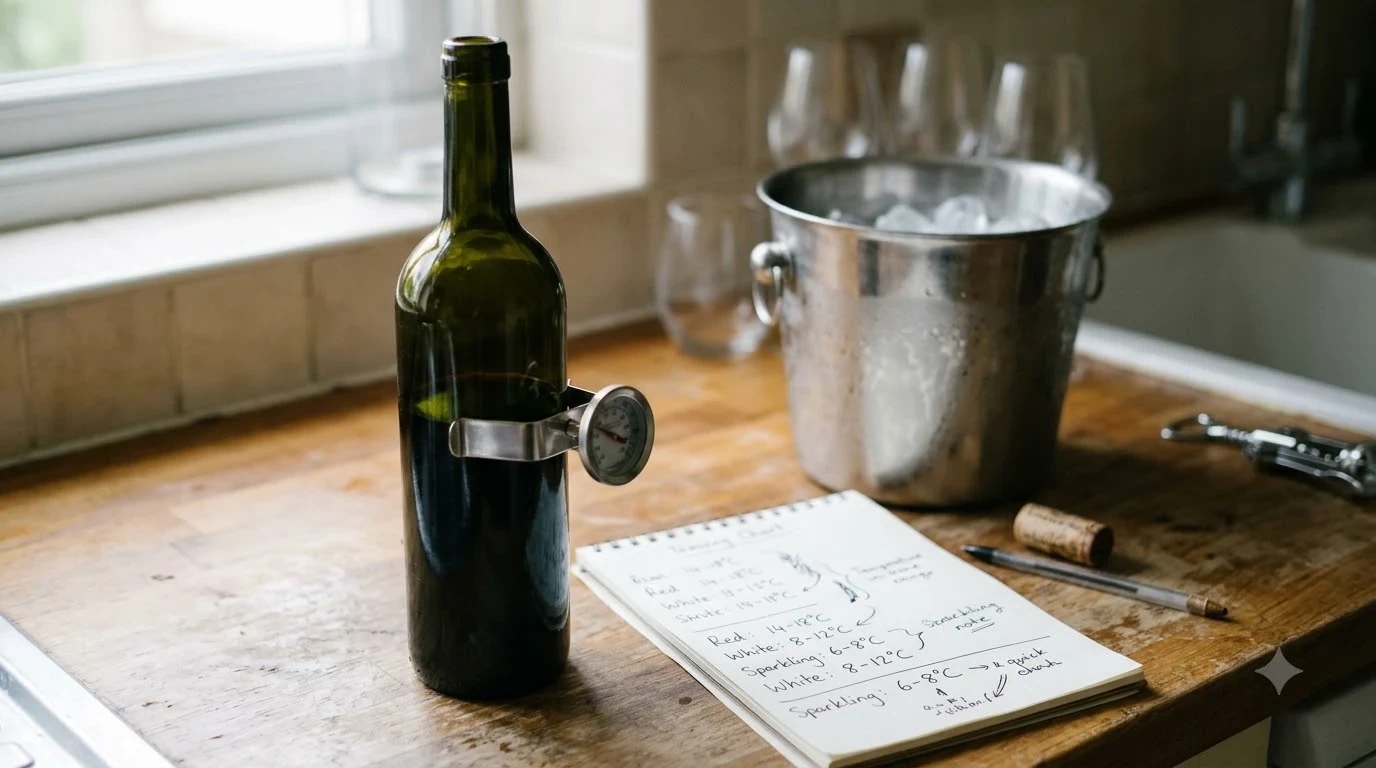
Serving Temperatures
Use the following general temperature ranges as a starting point:
- Sparkling wine: 40–50°F.
- Light white wines: 45–50°F.
- Fuller-bodied white wines: 50–55°F.
- Rosé: 45–50°F.
- Light red wines: 55–60°F.
- Full-bodied red wines: 60–65°F.
- Sweet dessert wines: 43–50°F.
For example, Lighea is best served cool enough to retain its floral and citrus freshness. Mille e una Notte benefits from slightly warmer service, which allows its fruit and spice characteristics to become more expressive. Ben Ryé is particularly enjoyable chilled, with enough time in the glass to reveal its aromatic complexity.
Decanting and Opening
Young, full-bodied red wines can benefit from 30 to 60 minutes of decanting. This is especially useful for a substantial wine such as Mille e una Notte, although the ideal time depends on the vintage and bottle condition.
Not every Donnafugata bottle requires decanting. Fresh whites, rosés, and most sparkling wines can be served directly from the bottle at the appropriate temperature. Sweet wines also generally do not need extended aeration before serving.
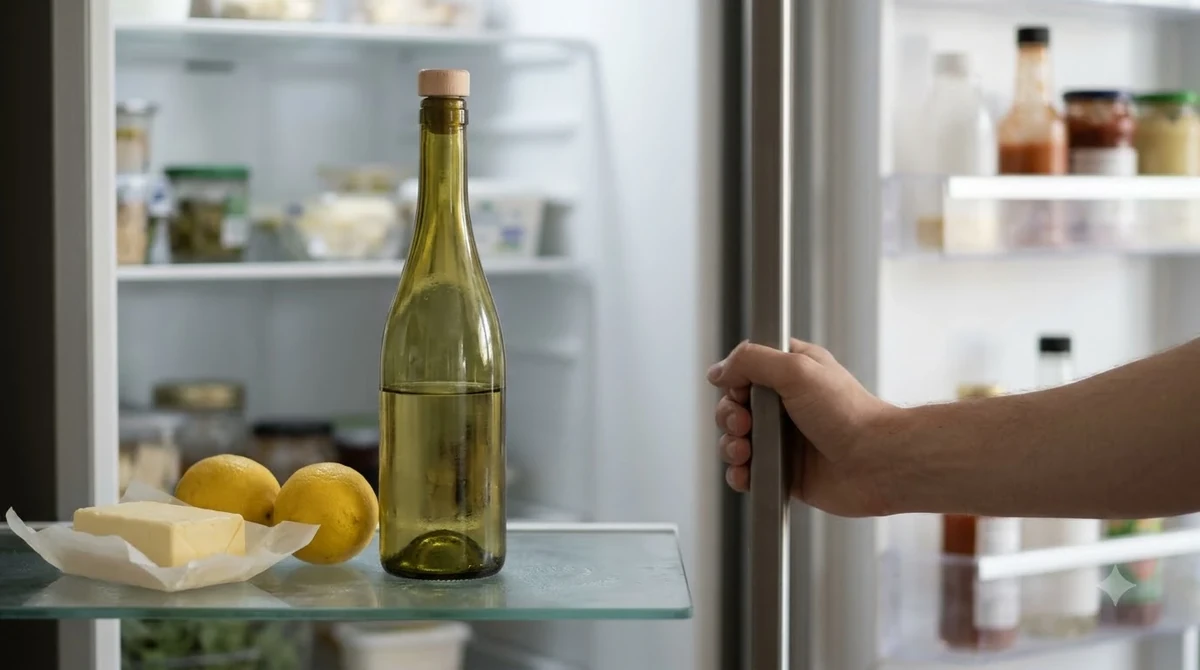
Keeping Opened Bottles Fresh
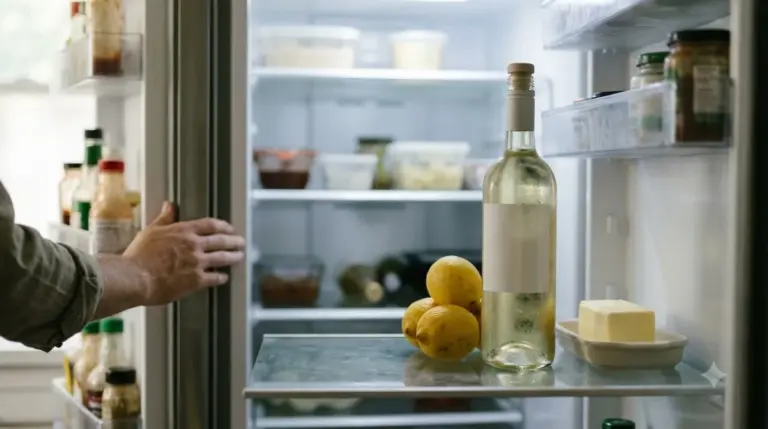
Once opened, reseal the bottle and place it in the refrigerator, including red wines. A refrigerator slows oxidation and helps preserve the wine’s remaining fruit character.
- Sparkling wines: approximately 1–3 days with a suitable sparkling-wine stopper.
- Still whites and rosés: approximately 3–5 days.
- Still reds: approximately 3–5 days.
- Fortified wines: several weeks, depending on style and storage conditions.
For a half-bottle of Ben Ryé, resealing and refrigeration are practical ways to preserve the remaining wine after serving. Bring the next pour to a suitable serving temperature rather than leaving the bottle on the counter for extended periods.
Frequently Asked Questions
Is Donnafugata considered a premium Italian wine producer?
Donnafugata produces wines across several quality and price categories rather than concentrating exclusively on luxury bottles. Its portfolio includes everyday Sicilian whites and rosés as well as collectible selections such as Ben Ryé and Mille e una Notte. The producer’s regional range and distinctive grape varieties are important parts of its reputation.
What does the name Donnafugata mean?
Donnafugata translates approximately as woman in flight. The name connects with the story of a queen who sought refuge in Sicily and the literary world of Giuseppe Tomasi di Lampedusa’s novel The Leopard. This literary inspiration also influences the winery’s visual identity and label artwork.
Is Zibibbo the same grape as Muscat of Alexandria?
Yes. Zibibbo is the Italian name commonly used for Muscat of Alexandria. It is an aromatic grape with a long history in Mediterranean wine regions and is particularly associated with Pantelleria. Its versatility allows it to produce both dry aromatic wines and concentrated sweet wines.
Can Donnafugata wine be used for cooking?
Dry Donnafugata whites can be used in seafood sauces, risotto, and vegetable dishes, while appropriate reds can contribute flavor to slow-cooked meat sauces. Ben Ryé is a different proposition: its concentrated sweetness makes it more suitable for dessert sauces and selected sweet preparations. Avoid using an expensive bottle for cooking when a less costly wine of similar style will achieve the same result.
Does Donnafugata produce organic-certified wine?
Environmental responsibility is part of the winery’s stated production philosophy, but sustainable practices and organic certification are not interchangeable terms. Certification must be assessed for the particular wine or vineyard rather than assumed across the entire portfolio. Buyers specifically seeking certified organic wine should look for the applicable certification information on the bottle or official product documentation.
Donnafugata offers a compelling introduction to Sicily through its aromatic whites, fragrant reds, volcanic wines, and distinctive dessert selections. Start with Lighea or SurSur for white wine, Bell’Assai for a lighter red, or Ben Ryé for a memorable sweet wine. Once you identify the grapes and regions you enjoy most, exploring the producer’s more ambitious bottles becomes a much more rewarding experience.
More in Wine Brands
 Ecco Domani Wine Review: Find the Right Bottle and PairingUpdated Nov 21, 2026
 Continuum Wine Review: Understanding Napa’s Mountain-Grown RedUpdated Nov 21, 2026
 Emilio Moro Wine Price: Compare Bottles and Find the Right FitUpdated Nov 21, 2026
 Concha Y Toro Wine Review: Choose the Right BottleUpdated Nov 21, 2026
 Chateau D Yquem Wine Price: How to Compare Vintages and Bottle SizesUpdated Nov 21, 2026
 Dreaming Tree Crush Review: Taste, Pairings, and Buying TipsUpdated Nov 21, 2026