

We may earn a commission when you buy through links on this page, at no extra cost to you. Learn more.
Chateau d yquem wine price for a 750 ml bottle generally falls around $300 to $600 in U.S. retail listings from Sotheby’s Wine and WinesRate, with prices varying by state and retailer. Recent U.S. listings place many standard bottles in a broad premium band, while half bottles cost less overall and older or scarce vintages can command more. Compare the same vintage and format before deciding whether a listing represents fair retail value.
Château d’Yquem is a famous sweet white wine from Sauternes in Bordeaux, but its price is not one fixed number. A buyer is comparing a particular vintage, bottle format, source, and condition—not simply a château name. This guide explains what a realistic retail range looks like, how to assess the details behind a listing, and how to buy a bottle that suits the occasion.
Who This Is For
Château d’Yquem is for buyers seeking a distinguished Sauternes dessert wine, a serious cellar bottle, or a special-occasion gift rather than an everyday sweet white. Its blend of Sémillon and Sauvignon Blanc, its origin in the Sauternes appellation, and its limited, selective harvest explain why it sits at the premium end of Bordeaux sweet wine.
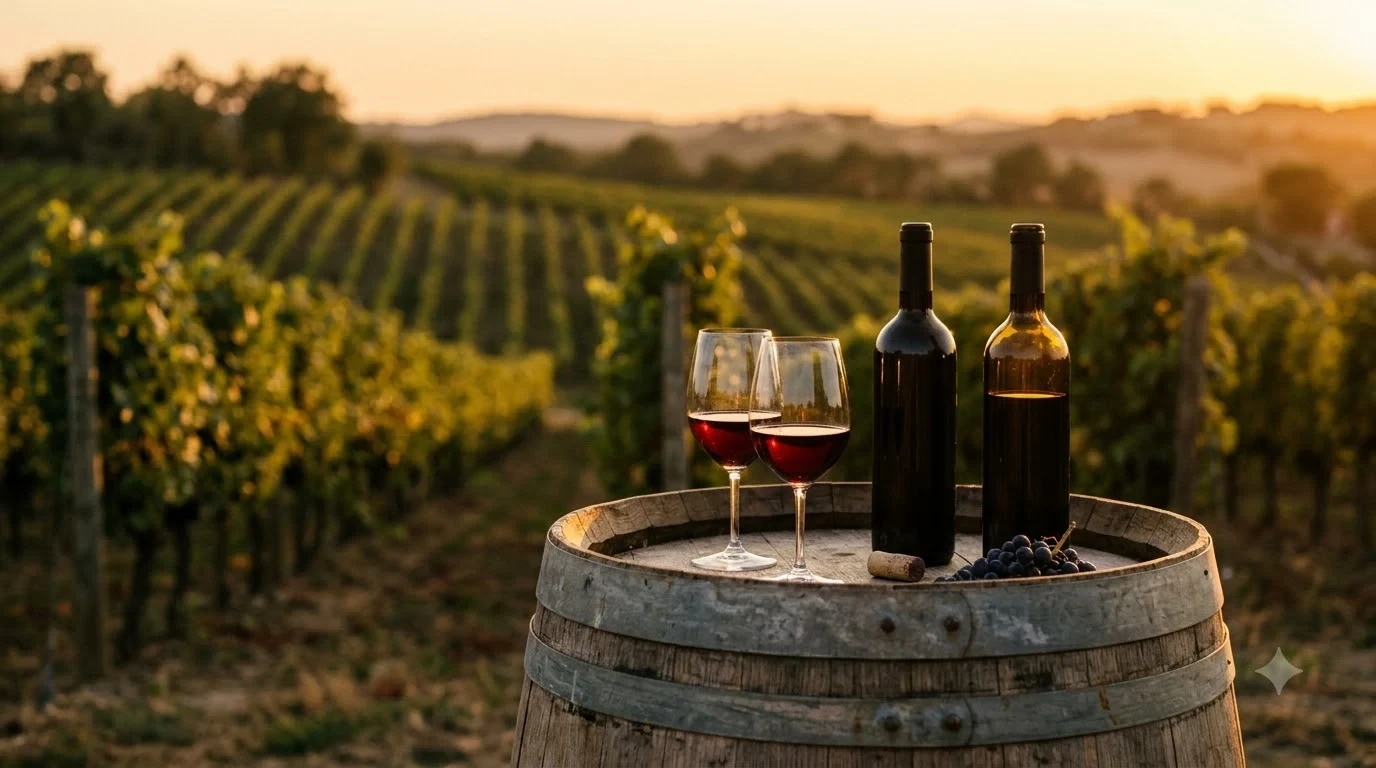
The classic Château d’Yquem is a botrytized sweet white wine, not a white Bordeaux and not a sparkling wine. LVMH’s Château d’Yquem profile identifies Sémillon and Sauvignon Blanc as its two grape varieties, while the Comité Colbert describes successive selections of botrytised grapes over several weeks. That careful picking is a meaningful part of the wine’s identity and a reason to evaluate it differently from mass-produced dessert wine.
The price level makes most sense for someone who values the wine’s balance, age-worthiness, and reputation. A 375 ml half bottle suits a small tasting or two-person dessert course; a 750 ml bottle gives a host more flexibility. Collectors may care more about vintage, provenance, and storage records than the lowest cost per milliliter. Yquem can also make a distinctive Bordeaux gift, especially for someone who enjoys sweet wine with fruit desserts, blue cheese, or foie gras. The broader Wine Brands overview helps place the estate among other producers without treating every prestigious label as the same style.
Key Factors to Compare
The fairest price comparison starts with four details: vintage, bottle size, seller, and condition. A 375 ml bottle is half the volume of a standard 750 ml bottle, and a 1.5 L magnum holds twice as much as the standard format, so compare like with like before weighing the asking price.
| Factor | What to compare | Why it changes value |
|---|---|---|
| Vintage | Exact harvest year; compare the same year across sellers | Vintage conditions, scarcity, maturity, and demand differ. |
| Bottle size | 375 ml, 750 ml, or 1.5 L | Format changes the total spend and the wine’s aging conditions. |
| Wine identity | Château d’Yquem Sauternes versus Y d’Yquem Bordeaux Blanc | These are distinct wines; Y d’Yquem Bordeaux Blanc should not be priced as the sweet Sauternes. |
| Seller and provenance | Established specialist merchant, documented storage, and clear bottle images | Reliable handling and traceable ownership matter more for collectible wine. |
| Condition | Fill level, capsule, cork area, label, and signs of leakage | Physical condition can affect confidence, drinkability, and resale value. |
| Availability | In-stock retail bottle versus pre-arrival or auction lot | Shipping status, buyer fees, and uncertainty can change the real cost. |
For a standard 750 ml bottle, a useful U.S. retail planning range is about $300 to $600, based on Sotheby’s Wine listings and the WinesRate comparison of U.S. retailers; prices vary by state and retailer. Treat this as a shopping guide, not a promise that every vintage or merchant will fall inside it. WinesRate’s listings also show why the exact year matters: bottles from the same estate can differ considerably among shops.
For a 375 ml half bottle, plan on about $175 to $300 at U.S. retailers such as Sotheby’s Wine, Total Wine, and Zachys; prices vary by state and retailer. The smaller format lowers the total spend, but it does not always cost exactly half as much as a 750 ml bottle. A 1.5 L magnum holds twice the volume of a standard bottle; compare its total cost and availability separately because large formats are less common and need more storage and serving capacity.
Step-by-Step
Use a consistent buying sequence so that a compelling label or an attractive vintage does not distract from the practical details. The five steps below help narrow the choice before money changes hands.
- Decide what you want the bottle to do. Choose a half bottle for a small tasting or a two-person dessert course, a 750 ml bottle for a group, or a 1.5 L magnum for a larger gathering or a cellar. A standard 750 ml bottle gives about five 5 oz pours, although a rich dessert wine is often served in smaller portions.
- Set a vintage window. Decide whether you want a younger bottle for its freshness or an older vintage with developed aromas and a more mature profile. Rather than assuming the oldest bottle is automatically best, compare the same vintage at two or three reputable retailers and look for a consistent description of provenance.
- Confirm the exact wine. Make sure the listing is for Château d’Yquem Sauternes, not Y d’Yquem Bordeaux Blanc. The names are related, but they are separate expressions with different wine styles and market positioning. Retail catalogs may display them on the same brand page, so read the full product title before comparing offers.
- Check the seller and bottle condition. Look for a named merchant, clear photographs, a stated bottle size, and a transparent return or shipping policy. For an older bottle, ask how it was stored and whether the fill level, capsule, cork area, and label have been inspected. A low asking price is less persuasive if the seller cannot answer basic condition questions.
- Compare the complete purchase. Include shipping, insurance, applicable taxes, and any auction buyer’s premium rather than comparing headline bottle prices alone. Confirm that the seller can ship to your state and that the delivery plan avoids prolonged exposure to heat. Save the invoice and any provenance information with the bottle.
These steps matter when a listing uses broad descriptions such as “cellar release” or “rare vintage” without supporting details. Ask for specifics before accepting a premium, and keep looking if the merchant cannot identify the format or vintage.
The Château d’Yquem wine page can clarify the estate’s signature bottle; a Château Cos d’Estournel wine profile provides a useful contrast because a celebrated red Bordeaux has different buying criteria and drinking occasions from sweet Sauternes.
Types or Styles Explained
The first distinction is between the château’s signature sweet Sauternes and its separate white Bordeaux wine, Y d’Yquem. Within the sweet Sauternes, vintage and format create the main buying differences; the wine’s identity remains tied to botrytized Sémillon and Sauvignon Blanc.
Château d’Yquem Sauternes
This is the classic wine most shoppers mean when they search for Château d’Yquem. It comes from Sauternes, where Botrytis cinerea, or noble rot, concentrates ripe grapes and contributes to the wine’s sweet profile. Bordeaux.com’s Sauternes appellation guide describes young Sauternes with citrus, white-flower, and orchard-fruit notes; bottle age can bring spice, tropical fruit, nuts, dried fruit, and a deeper amber color. Balanced acidity suits the wine to fruit desserts, custards, blue cheese, or foie gras. The wine should be at least as sweet as the dessert; a much sweeter dish can make it seem thin or sharp.
Y d’Yquem Bordeaux Blanc
Y d’Yquem, often styled with a single “Y,” is a separate Bordeaux Blanc and should not be confused with the sweet Sauternes. Sotheby’s Wine lists it separately from Château d’Yquem Sauternes, and Total Wine’s catalog similarly distinguishes Y d’Yquem Bordeaux Blanc from the Sauternes bottles. The name connects the wines to the same estate, but the style and drinking occasion differ. A listing for Y d’Yquem is not a smaller or cheaper format of the dessert wine; buyers seeking classic Sauternes should confirm that the product description names that appellation.
Vintage and bottle formats
A younger vintage may emphasize brighter fruit and freshness, while a mature bottle can develop more layered dried-fruit, spice, and nut characteristics. Neither age nor a high price guarantees the right choice. Half bottles are practical for a small table, 750 ml bottles suit a dinner with several guests, and magnums work for a larger celebration or a collector’s cellar. Because format influences maturation as well as quantity, a buyer should compare 375 ml, 750 ml, and 1.5 L bottles as distinct options. Readers exploring a different French style can compare the Sauternes profile with a rosé-focused producer in this Château d’Esclans wine overview; the grape varieties, serving context, and price benchmarks are not interchangeable.
Common Mistakes
The most expensive mistakes usually happen before the bottle is opened: buyers compare different formats, mistake Y d’Yquem for Sauternes, or put too much weight on vintage age without checking condition. A careful comparison is more useful than choosing the oldest label or the highest price.
Comparing different sizes or wine identities. A 375 ml half bottle is half the volume of a 750 ml standard bottle, but its price is not necessarily half. Retail availability is uneven, and merchants may have only one format for a particular vintage. More importantly, Y d’Yquem is Bordeaux Blanc rather than the signature Sauternes. Confirm the full product name and appellation before comparing a listing with a standard-bottle range for the sweet wine.
Assuming age or appearance proves quality. An older vintage is not automatically superior: a well-kept younger bottle may be a better choice than an older wine with uncertain storage. For a mature bottle, ask about fill level, leakage, capsule, cork area, label, and storage temperature. A worn label alone does not prove spoilage, and a pristine label does not prove ideal storage. Also avoid comparing auction estimates directly with shop prices; lots may involve different bottle sizes, condition grades, buyer premiums, tax, and shipping.
Care or Storage Tips
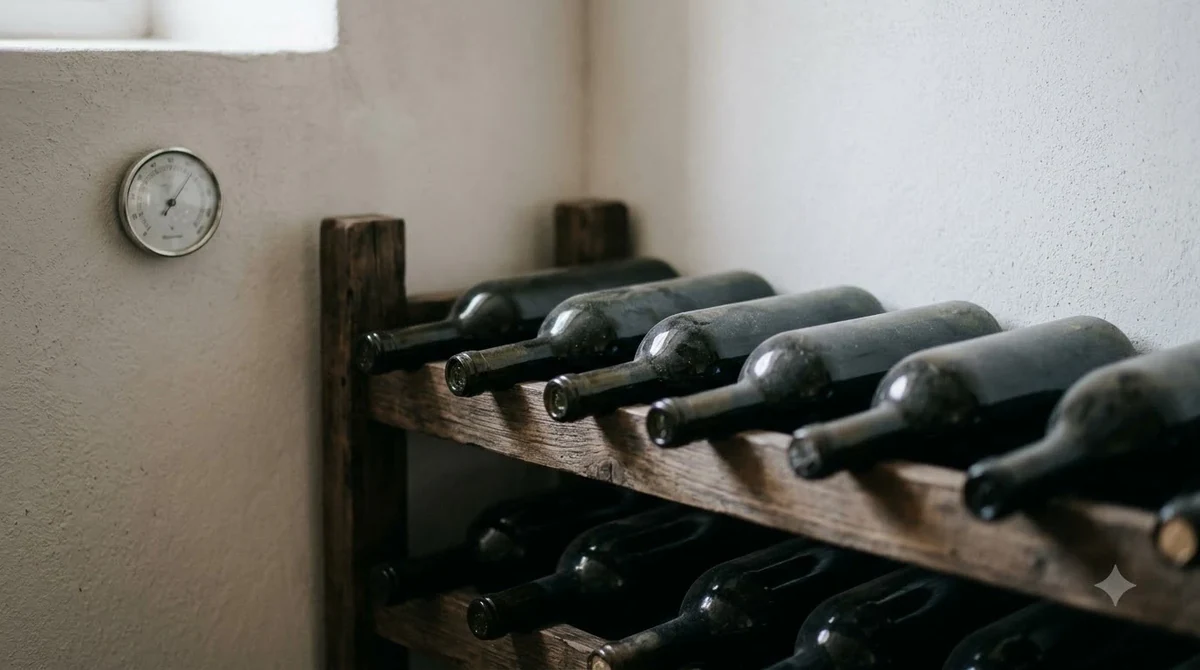
Good storage protects the value of a costly bottle and gives the wine a better chance to develop as intended. Keep unopened bottles on their side in a cool, dark place near 55°F, with stable temperature and limited vibration; avoid a warm kitchen shelf, sunny window, or repeated temperature swings.
Serve Château d’Yquem chilled but not icy, around 43°F to 50°F, so the wine stays refreshing while its aromas and texture remain expressive. A small dessert-wine pour is often enough after a rich meal. A standard 750 ml bottle contains about five 5 oz servings, though smaller dessert pours will stretch it further. Use clean white-wine or dessert-wine glasses and pair it with a dessert that does not overpower its sweetness, or with salty, rich foods such as blue cheese.
Tip: If you do not finish a 750 ml bottle, close it and refrigerate it promptly. As a still wine, it will generally keep for about 3 to 5 days in the refrigerator, although aroma and freshness are best judged with a small pour before serving guests.
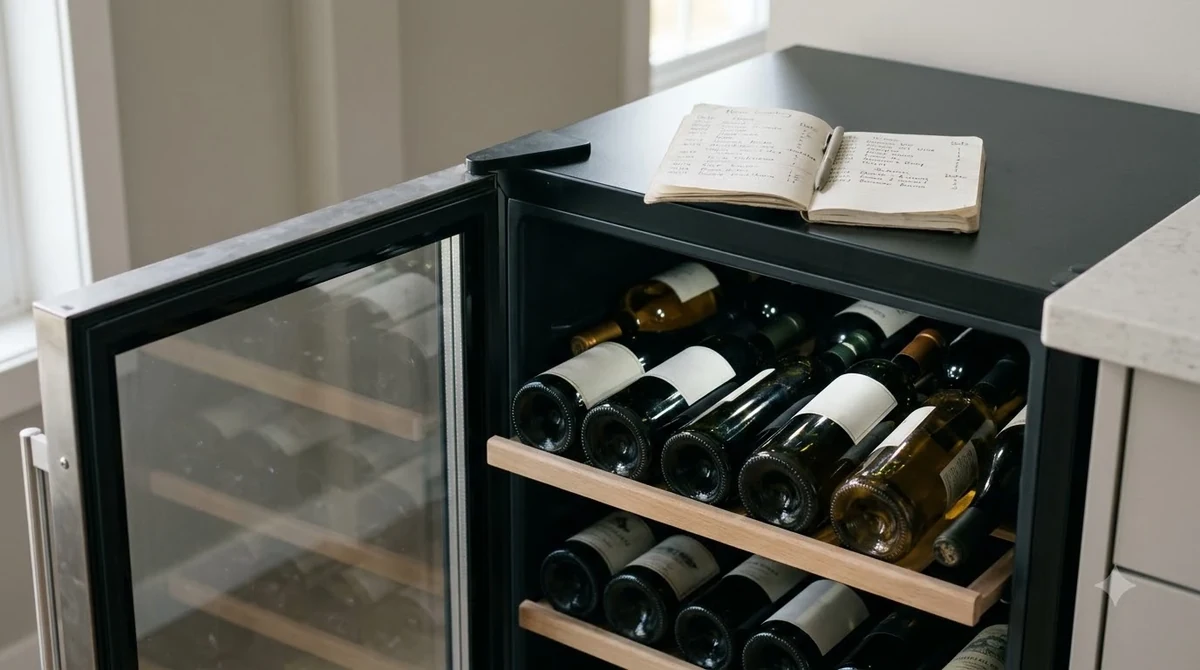
For long-term storage, buy from a merchant that can explain the bottle’s history and transport it carefully. Let the bottle rest in a stable cellar or wine refrigerator, keep purchase records and seller notes, and avoid moving it repeatedly between warm and cold spaces. Think about sweetness, acidity, salt, and fat when planning food: fruit tart or custard can work when not sweeter than the wine, while blue cheese offers a savory contrast.
Frequently Asked Questions
These answers cover details that can be missed when comparing Yquem from Sauternes with the wider Bordeaux sweet-wine region. The history of the 1855 classification, the selective harvest, and the Ciron microclimate all help explain the estate’s reputation.
Has Château d’Yquem released a wine every year since 1910?
No. The Comité Colbert account says ten vintages have been withheld from commercialization since 1910. That makes the absence of a particular year from retail listings a possible estate decision, not proof that a bottle is merely sold out.
What makes Château d’Yquem’s 1855 classification unusual?
Bordeaux.com identifies Château d’Yquem as the sole Premier Cru Supérieur among the 27 châteaux ranked in the Sauternes and Barsac section of the 1855 classification. The distinction is specific to the historic classification and should not be confused with a score for an individual vintage.
How many times may Sauternes growers pass through the vineyard?
The Conseil des Grands Crus Classés en 1855 says great-growth estates commonly make five or six passes, with nine or ten possible in certain years. Pickers select grapes or portions of bunches as they reach the desired stage, rather than harvesting every vine all at once.
Can a wine from Barsac be sold as Sauternes?
Yes. The 1855 council explains that Barsac producers can choose the Sauternes AOC or the Barsac AOC, which controls production in a similar way. The five communes associated with Sauternes and its neighboring appellation are Sauternes, Bommes, Fargues, Preignac, and Barsac.
Why does the Ciron River matter to Sauternes?
Bordeaux.com describes the cool waters of the Ciron meeting the Garonne as part of the local microclimate. Morning fog followed by afternoon sunshine encourages Botrytis cinerea, the noble rot that helps create the concentrated grapes used for classic Sauternes.
For most buyers, the best starting point is a clearly identified 750 ml Château d’Yquem Sauternes from a reputable U.S. retailer, with vintage and condition details that can be checked. Compare the same format and year across sellers, and choose the bottle that fits the occasion rather than assuming the oldest or most expensive listing is automatically the right one.
More in Wine Brands
 Underwood Wine Price: Compare Bottles, Cans, and Pack SizesUpdated Nov 21, 2026
 Zenato Wine Price: Compare Styles and Choose the Right BottleUpdated Nov 21, 2026
 Zuccardi Wine Price: Compare Bottles and Find the Right RangeUpdated Nov 21, 2026
 Yellow Tail Moscato Review: Taste, Sweetness and Serving TipsUpdated Nov 21, 2026
 Wolf Blass Yellow Label Review: Choose Your Best StyleUpdated Nov 21, 2026
 Wolffer Estate Rose Review: Choose the Right Bottle for Your TableUpdated Nov 21, 2026