


We may earn a commission when you buy through links on this page, at no extra cost to you. Learn more.
Dolcetto tasting notes typically describe a dry, medium-bodied Italian red wine with flavors of black cherry, plum, blackberry, violet, and a distinctive bitter-almond finish. Grown primarily in Piedmont, Dolcetto offers moderate acidity, noticeable but generally approachable tannins, and a fresh, fruity character. Despite its name, which is associated with sweetness in Italian, the finished wine is usually dry and makes an excellent companion to everyday meals.
Dolcetto is one of the traditional red grape varieties of northwestern Italy, especially the Langhe hills around Alba. It provides a different experience from the region’s more powerful Nebbiolo wines, favoring ripe fruit, moderate structure, and immediate drinkability. Understanding its aromas, acidity, tannins, and finish makes it easier to recognize the grape, select a bottle, and find foods that complement its character.
What Does Dolcetto Taste Like?
Dolcetto typically tastes of ripe cherries, plums, blackberries, and blueberries, supported by moderate acidity and a gently bitter almond character. It is a dry red wine with a medium-bodied profile, a noticeable but generally manageable tannic grip, and a fruit-forward personality.
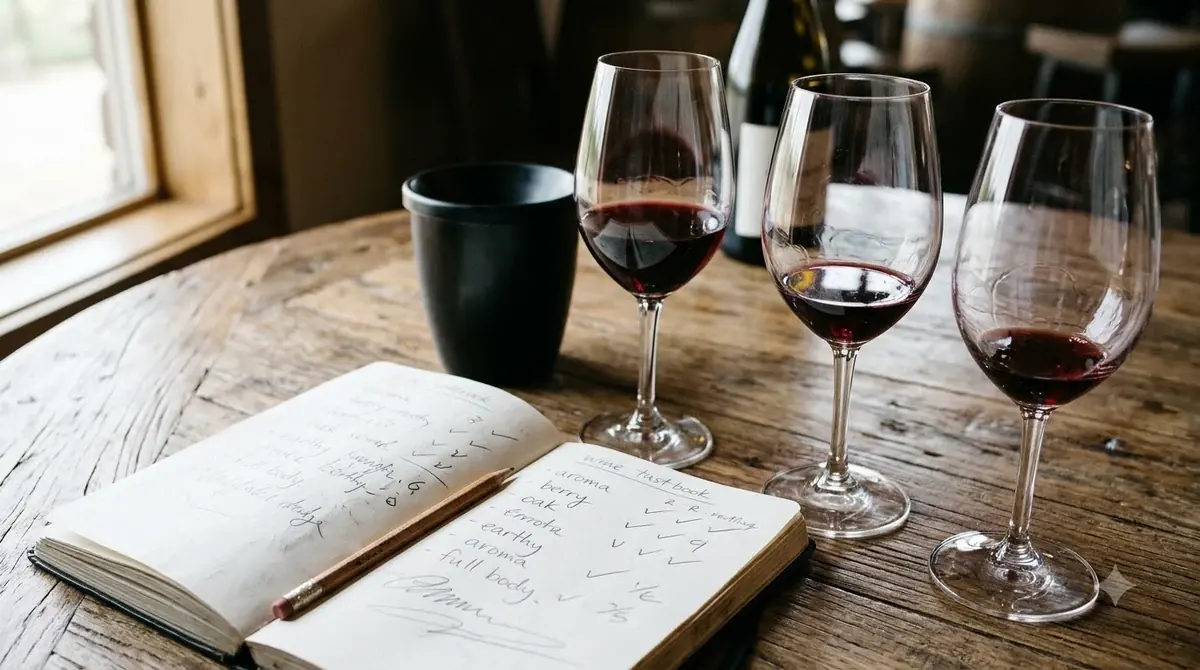
The first impression is often fresh red and dark fruit. Depending on the producer, vineyard, and ripeness of the grapes, cherry may lead the tasting experience, followed by plum, blackberry, raspberry, or blueberry. Some examples emphasize juicy red fruit, while others have a darker profile with more concentrated plum and blackberry flavors. These differences do not necessarily indicate different grape varieties or sweetness levels. They can reflect growing conditions, harvest decisions, and winemaking choices.
Floral notes are another useful clue. Violet is particularly associated with Dolcetto, sometimes appearing alongside a lightly perfumed, vinous aroma. The nose can also suggest fresh grape skins, subtle spice, or a faint earthy quality. These secondary impressions generally support the fruit rather than replacing it.
The palate is usually dry, rounded, and relatively accessible. Dolcetto can have enough body to accompany substantial food without delivering the weight or aggressive tannin of some fuller-bodied Italian reds. Its defining contrast is the relationship between ripe fruit and a slightly bitter finish. The fruit gives the wine an inviting first impression, while the almond-like ending provides a recognizable signature.
The exact balance varies. A lighter, younger bottle may emphasize fresh cherry and violet, while a more concentrated example can show deeper plum, blackberry, and a firmer texture. Some producers favor stainless-steel fermentation and aging to preserve fruit, while others use different cellar techniques to develop additional complexity.
Dolcetto’s Aroma Profile: Fruit, Flowers, and Subtle Spice
The aroma of Dolcetto is usually fruit-led, with cherry, plum, blackberry, and violet among its most recognizable characteristics. Its fragrance is generally direct and inviting rather than dominated by pronounced oak, smoke, or heavy baking spices.
Cherry is one of the most useful aromas to identify. It can resemble fresh black cherries, ripe red cherries, or slightly concentrated cherry preserves. Plum often follows, adding a softer and rounder impression. In darker-fruited examples, blackberry and blueberry become more prominent, giving the wine a deeper aromatic character.
Raspberry can also appear, particularly in examples emphasizing freshness and lighter red-fruit characteristics. This makes Dolcetto interesting to compare with other Italian reds. A bottle with prominent cherry, raspberry, and violet may seem more delicate than one with concentrated plum and blackberry, even when both have similar alcohol levels and body.
Violet provides a floral dimension that can make the wine more expressive. It may appear as a delicate perfume rather than an intense floral aroma. Some examples also show hints of dried herbs, black pepper, or earthy notes, although these are not essential characteristics of every Dolcetto.
Oak influence depends on the producer. Many traditional, fruit-focused versions spend their maturation in stainless steel or concrete, preserving the grape’s natural aromatic identity. Other winemaking approaches can introduce more noticeable spice or textural development. Oak is therefore a possible secondary influence rather than a defining feature of the variety.
How to Identify the Aromas
When smelling Dolcetto, begin with the broad fruit category before trying to identify individual notes. Ask whether the wine seems more like fresh red cherries, ripe plums, or dark berries. Then look for violet, herbs, and subtle spice. This approach helps prevent one expected aroma from dominating the entire assessment.
A useful comparison is to smell the wine immediately after pouring and again after allowing it to rest for approximately 5 to 10 minutes. The initial aroma may emphasize fresh fruit, while additional contact with air can make floral or earthy details easier to recognize.
Acidity, Tannins, and Body: Understanding Dolcetto’s Structure
Dolcetto generally has moderate acidity, medium body, and noticeable but relatively approachable tannins. Its structure gives it enough presence to accompany pasta, meat, and cheese without the firm, drying grip associated with more tannic red grapes.
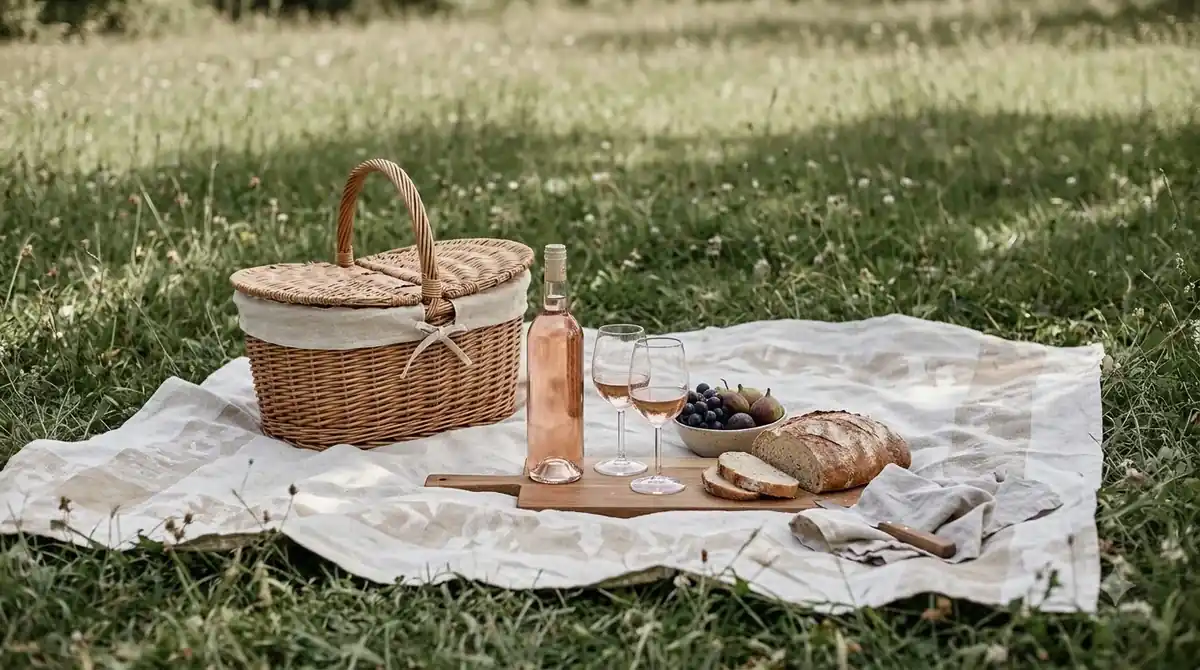
Acidity is an important part of the wine’s balance. Dolcetto is not typically as sharply acidic as Barbera, another important Piedmontese red grape. Instead, its acidity generally sits in a moderate range, helping fresh fruit flavors remain lively without making the wine taste particularly sharp. This is one reason it works well with rich pasta dishes and savory appetizers.
Tannins are also important. Dolcetto is not completely soft or tannin-free, but its tannic structure is generally less forceful than that of Nebbiolo or Cabernet Sauvignon. A gentle drying sensation can appear around the gums and sides of the mouth, especially after swallowing. This characteristic helps the wine stand up to protein-rich dishes and cured meats.
Body is usually medium, although some bottles feel fuller because of ripe fruit, alcohol, or winemaking choices. The texture can seem smooth and rounded, particularly when the wine is served at an appropriate temperature. Its combination of fruit, moderate acidity, and restrained tannic weight makes Dolcetto versatile at the table.
Alcohol varies by appellation, vintage, and producer. For Dolcetto d’Alba DOC, the regulatory minimum is 11.5% ABV. Higher-strength examples are common, and the Superiore designation requires at least 12.5% ABV together with a minimum 12-month aging period.
The following table summarizes the typical tasting structure and the sensory cues to look for when assessing a bottle.
| Characteristic | Typical Dolcetto Profile | What to Notice |
|---|---|---|
| Color | Ruby to deep purple | Violet reflections around the rim |
| Aroma | Cherry, plum, blackberry, violet | Fresh fruit and floral fragrance |
| Palate | Dry, medium-bodied | Rounded fruit and savory character |
| Acidity | Moderate | Freshness without pronounced sharpness |
| Tannins | Low-medium to medium | Gentle drying sensation |
| Alcohol | At least 11.5% ABV for Dolcetto d’Alba DOC | Varies by wine and designation |
| Finish | Moderate to persistent | Bitter almond and lingering fruit |
| Serving temperature | 61–64°F | Fresh fruit and balanced texture |
These characteristics are general tasting expectations rather than guarantees for every bottle. Vineyard conditions, harvest maturity, fermentation, and aging can all influence the final result.
Why Dolcetto Has a Distinctive Bitter-Almond Finish
One of Dolcetto’s most recognizable characteristics is its pleasantly bitter finish, frequently described as reminiscent of bitter almonds. This savory ending contrasts with the ripe fruit flavors and helps distinguish the grape from many other approachable Italian reds.
The almond impression is generally more noticeable after swallowing than during the initial attack on the palate. Cherry and plum may dominate the first taste, followed by a slight bitterness around the back of the tongue. The result is a dry, savory finish rather than a sweet or confectionery impression.
This characteristic is important because it explains why Dolcetto can taste slightly more serious than its approachable fruit aromas initially suggest. The wine is not simply a light, fruity red. It has a defined structure and a finish that can make it particularly satisfying alongside savory dishes.
Bitterness should not automatically be interpreted as a fault. A balanced bitter-almond note is part of the grape’s traditional sensory identity. However, excessive harshness, unpleasant astringency, or an unusually bitter aftertaste can indicate that the particular bottle is not showing well.
There is also an important distinction between almond-like bitterness and sweetness. A ripe cherry aroma may give the impression of sweetness, but aroma and residual sugar are separate sensory elements. Dolcetto is generally fermented into a dry wine, with fruit aromas creating an impression of ripeness without requiring a sweet palate.
The regional descriptions of Dolcetto d’Alba emphasize this combination of dryness, moderate acidity, harmonious body, and pleasant bitterness. The Piemonte wine region’s description of Dolcetto d’Alba also identifies its ruby-purple appearance and distinctive sensory profile.
Dolcetto Wine Regions and Styles in Piedmont
Piedmont is the traditional home of Dolcetto, with several appellations producing wines that share the grape’s fruity character but differ in concentration, structure, and regional expression. Dolcetto d’Alba, Dolcetto di Dogliani, and Dolcetto di Diano d’Alba are useful names to recognize when exploring the variety.
Dolcetto d’Alba is among the most widely produced and recognizable expressions. Its production area includes numerous municipalities around Alba in the province of Cuneo, as well as Coazzolo in the province of Asti. The wines are traditionally associated with ruby color, fruity aromas, dry flavors, and an almond-like finish. They are often made to be enjoyed relatively young, making them practical choices for everyday meals.
Dolcetto di Dogliani is another important regional expression. Dogliani has a strong association with Dolcetto, and its wines can show considerable fruit concentration and structure. Some examples offer darker fruit flavors and firmer tannins than lighter, more immediately approachable versions. The appellation is useful to know when looking for a more substantial expression of the grape.
Dolcetto di Diano d’Alba is associated with another important growing area in the Langhe. Its wines provide another perspective on how the grape responds to different vineyard locations and growing conditions. Individual producers can emphasize fresh fruit, structure, or more concentrated flavors.
The geography of Piedmont helps explain these variations. Dolcetto vineyards occupy hilly terrain with combinations of clay, limestone, and other mineral-rich soils. Elevation, slope exposure, sunlight, and drainage all affect how the grapes ripen. These factors influence the final balance of fruit, acidity, tannins, and alcohol.
For Dolcetto d’Alba DOC, the production regulations specify a maximum grape yield of 90 quintals per hectare and a minimum natural alcoholic strength of 11.5% ABV in the finished wine. The production area also excludes unsuitable valley-floor sites in favor of appropriate hillside vineyards.
Dolcetto d’Alba and Superiore
Dolcetto d’Alba DOC and Dolcetto d’Alba Superiore DOC are related but have different production requirements. The Superiore designation requires a minimum aging period of 12 months and a minimum alcohol content of 12.5% ABV, compared with the standard designation’s 11.5% minimum.
These rules do not mean that every Superiore bottle will necessarily taste heavier or more complex than every standard Dolcetto d’Alba. Producer choices and vintage conditions remain important. However, the designation provides a useful indication that the wine has met additional aging and alcohol requirements.
Food Pairings That Bring Out Dolcetto’s Best Qualities
Dolcetto pairs particularly well with Italian pasta dishes, cured meats, roasted meats, mushrooms, and medium-aged cheeses. Its moderate acidity, approachable tannins, and ripe fruit make it versatile enough for both casual appetizers and substantial main courses.
Traditional Piedmontese cuisine provides some of the strongest pairing ideas. Tajarin with meat sauce combines rich savory flavors with the wine’s cherry and plum character. Ravioli del plin, particularly versions filled with meat, offer a similarly satisfying match. The wine’s moderate structure complements these dishes without overwhelming their flavors.
Mushroom dishes are another excellent option. Porcini mushroom risotto, sautéed mushrooms, and mushroom-filled pasta provide earthy flavors that work naturally with Dolcetto’s fruit and subtle savory finish. The almond-like character can also complement toasted ingredients and browned butter.
Cured meats are particularly effective because salt and fat soften the perception of tannins. Salami, prosciutto, and other traditional Italian cold cuts can make the wine feel smoother and more rounded. This is one reason Dolcetto works well as an aperitivo red alongside a selection of savory snacks.
Roasted chicken, pork, veal, and grilled beef are also useful choices. The wine’s medium body gives it sufficient presence for these dishes, while its fruit-forward character provides contrast to roasted and browned flavors. For more substantial preparations, braised beef and meat-based sauces can also work well.
Cheese pairings are best approached with moderately aged or semi-hard varieties. Fresh and medium-aged cheeses can complement the wine without making its bitterness seem excessive. Very sharp or strongly salty cheeses may create a less balanced impression, depending on the bottle.
Food Pairing Guide
The following combinations offer practical starting points for serving Dolcetto at home.
| Food | Why It Works | Serving Idea |
|---|---|---|
| Salami and prosciutto | Salt and fat soften tannins | Serve with bread and olives |
| Tajarin with meat sauce | Rich meat flavors complement ripe fruit | Serve as a traditional first course |
| Porcini risotto | Earthy mushroom flavors complement savory notes | Finish with Parmesan |
| Roasted chicken | Moderate body suits tender white meat | Add rosemary and roasted vegetables |
| Grilled beef | Protein and savory flavors complement tannins | Use moderate seasoning |
| Ravioli del plin | Meat filling and pasta suit the wine’s structure | Serve with butter or meat jus |
| Semi-hard cheese | Fat softens tannic sensations | Serve with unsalted crackers |
There are also a few combinations to approach carefully. Very spicy dishes can make alcohol and tannins seem more pronounced, so heavily chili-seasoned food may overpower Dolcetto’s fruit. Similarly, strongly acidic sauces can make a moderate-acidity red seem less fresh. A tomato-based pasta sauce can still work well, especially when the sauce is balanced with olive oil, meat, or cheese.
Tip: For an easy Dolcetto dinner, serve a bottle with mushroom risotto, grilled sausage, or pasta with meat sauce. The combination of savory flavors, moderate fat, and salt helps soften the wine’s tannins while allowing its cherry, plum, and almond notes to remain noticeable.
Dolcetto can also be compared with other food-friendly reds. For a wine with more noticeable tannins and darker structure, explore petit verdot tasting notes. If you prefer a softer, more aromatic red, grenache tasting notes provide a useful comparison of fruit, acidity, and tannin.
How to Serve, Store, and Evaluate Dolcetto
Dolcetto is best served slightly cool rather than warm, with a recommended temperature of approximately 61–64°F for Dolcetto d’Alba. Proper serving temperature helps preserve the fresh fruit aromas while keeping alcohol and tannins in balance.
Many people serve red wine too warm, particularly when a bottle has been stored in a heated room. At excessive temperatures, alcohol can become more noticeable, and the fruit may seem heavier or less defined. A short period in the refrigerator can help bring the bottle into the preferred range. Depending on the starting temperature, approximately 15–25 minutes of chilling can be a useful starting point.
Use a standard red wine glass with enough room to swirl the wine. A typical 5-ounce pour gives the wine sufficient space to release its aromas without filling the glass too high. A 750-milliliter bottle provides approximately five standard glasses.
Young Dolcetto generally does not require extensive decanting. Unlike some highly structured reds, it is usually intended to be enjoyed without a lengthy aeration period. If a bottle initially seems closed or particularly concentrated, allowing it to breathe in the glass for 10–15 minutes can help reveal its aromas.
Storage is straightforward. Keep unopened bottles in a cool, dark location with a relatively stable temperature near 55°F. Bottles with natural cork closures are generally best stored on their sides to keep the cork from drying out. Avoid locations exposed to direct sunlight, strong vibrations, or frequent temperature changes.
Most straightforward Dolcetto bottlings are intended for relatively early enjoyment rather than extended cellar aging. Their appeal often lies in fresh fruit, approachable tannins, and a lively finish. Some more structured examples can develop additional complexity with time, but long-term aging is not a requirement for enjoying the variety.
Once opened, reseal the bottle and refrigerate it. Most still wines retain their best qualities for approximately 3–5 days under refrigeration, although the precise condition depends on the wine and how much oxygen has entered the bottle. Allow the remaining wine to return toward its serving temperature before pouring again.
For anyone exploring the broader range of grape varieties, Wine by Type offers a useful starting point for understanding how different grapes create different wine styles. Comparing Dolcetto with other varieties is a practical way to recognize differences in acidity, tannin, fruit intensity, and body.
Frequently Asked Questions
Is Dolcetto related to Barolo or Barbaresco?
Dolcetto, Barolo, and Barbaresco are all associated with Piedmont, but they are made from different grape varieties. Dolcetto uses the Dolcetto grape, while Barolo and Barbaresco are made from Nebbiolo. These wines therefore have distinct aromatic and structural profiles despite sharing a regional origin.
Does Dolcetto have a long history in Piedmont?
Dolcetto has been closely connected with rural life and traditional food culture in Piedmont for centuries. Historical information specifically documenting the grape becomes available from the eighteenth century. Its association with everyday meals remains an important part of its regional identity.
Why does Dolcetto have different shades of purple?
Dolcetto’s dark-skinned grapes can produce wines with ruby, violet, and purple tones. The intensity of the color varies with grape maturity, extraction during fermentation, and the age of the wine. Younger examples often retain especially vivid purple reflections.
What does the word Dolcetto mean in Italian?
Dolcetto is commonly translated as little sweet one, although the name does not describe the finished wine’s usual sweetness. One proposed explanation connects the name to the perceived sweetness of the ripe grapes. Another theory associates it with the Piedmontese dialect word dosset, referring to a low hill.
Can Dolcetto be made without oak aging?
Yes. Many Dolcetto producers use stainless-steel tanks or concrete vessels for fermentation and maturation rather than relying on oak barrels. These approaches can preserve the grape’s fresh fruit and floral character. Bruna Grimaldi, for example, describes using concrete tanks for malolactic fermentation and refinement of its Dolcetto d’Alba San Martino.
Dolcetto is a distinctive Piedmontese red that combines ripe cherry and plum flavors with violet aromas, moderate acidity, approachable tannins, and a pleasantly bitter almond finish. Its dry, food-friendly character makes it an excellent choice for pasta, cured meats, mushrooms, and roasted dishes. For a straightforward introduction to Italian red wines, Dolcetto offers plenty of regional character without demanding lengthy aging or complicated serving rituals.
More in Wine Types & Grapes
 What Does Mourvèdre Taste Like? Flavor Profile, Regions, and PairingsUpdated Nov 20, 2026
 What Does Marsanne Taste Like? Flavors, Styles, and Food PairingsUpdated Nov 20, 2026
 What Does Malvasia Taste Like? Styles, Flavors, and Food PairingsUpdated Nov 20, 2026
 What Does Grenache Blanc Taste Like? Flavor Profile, Styles, and PairingsUpdated Nov 20, 2026
 What Does Garnacha Taste Like? Key Flavors, Styles, and Pairing TipsUpdated Nov 20, 2026
 What Does Fruit Wine Taste Like? A Complete Flavor and Style BreakdownUpdated Nov 20, 2026