

We may earn a commission when you buy through links on this page, at no extra cost to you. Learn more.
Dashwood wine is a Marlborough, New Zealand brand that makes only two wines: a dry, aromatic Sauvignon Blanc and a medium-bodied Pinot Noir. The producer has been working in the region since 1989 and draws fruit from the Wairau and Awatere valleys. The white is crisp and fruit-forward, while the red shows cherry, plum, and soft tannin. Both are sealed with screwcaps and built for drinking rather than long cellaring.
That narrow focus makes Dashwood easy to understand once you know what each bottle is designed to do. The sections below cover the brand’s history, the two wines, how they taste, what to serve with them, and how to get the best from a bottle.
What Is Dashwood Wine and Where Does It Come From?
Dashwood is a Marlborough brand named for the Dashwood Pass, the winding road that links the Wairau Valley and the Awatere Valley, the two sub-regions where its grapes grow. The producer has been making Sauvignon Blanc and Pinot Noir since 1989.
Marlborough sits at the top of New Zealand’s South Island. The Wairau Valley is the larger, warmer sub-region and gives fruit with generous tropical character; the Awatere Valley is cooler and windier, which typically produces sharper citrus, herbal notes, and a leaner frame. Dashwood blends fruit from both, so the wines sit between those poles. The soils are alluvial and the climate is cool and coastal, conditions that extend ripening and help the fruit keep both aroma and acidity.
Stu Marfell has been Chief Winemaker since 2007. He was born in the Awatere Valley and raised on a 2,000-acre farm, and he was named Winemaker of the Show at the New Zealand International Wine Show in 2018 and 2022. Susan van der Pol joined as Assistant Winemaker in 2011 after earning a viticulture and wine production diploma from Nelson Marlborough Institute of Technology in 2002.
Sustainability at Dashwood
The winery bottles in New Zealand using New Zealand-sourced recycled glass rather than importing glass produced in coal-fired plants. Labels are made from sugarcane, a renewable byproduct of sugar production, and the material is biodegradable. More than 50 solar panels on the winery roof supply power and, on sunny days, send excess electricity back to the grid.
The vineyards are described as sustainably farmed, and the brand cites Sustainable Winegrowing New Zealand certification, a named standard that covers water, soil, biodiversity, waste, and energy. That certification is not the same as organic or biodynamic certification, and the winery does not claim it is. For a shopper, the value is in the specificity: recycled glass and sugarcane labels are packaging decisions, solar panels are an energy decision, and SWNZ is a vineyard and winery standard.
The Two Wines That Define Dashwood
The portfolio is deliberately narrow: one Sauvignon Blanc and one Pinot Noir. That focus makes the brand a useful reference point for anyone learning how Marlborough’s two signature grapes differ.
Sauvignon Blanc is the volume wine and the calling card. Fruit is pressed into stainless steel tanks, cold settled, and fermented at cool temperatures with selected yeast strains to protect aromatics. There is no oak, so the profile stays bright and fruit-driven. Pinot Noir is destemmed into stainless steel for an extended cold soak, fermented, then aged 11 months in French oak barrels before blending and bottling. The oak is a supporting player, not the main event.
| Wine | Alcohol | Oak | Sweetness | Serve | Main flavors |
|---|---|---|---|---|---|
| Sauvignon Blanc | 12.0% | Unoaked | Dry | 45–50 F | Guava, gooseberry, citrus peel, herbs |
| Pinot Noir | 13.5% | 11 months French oak | Dry | 55–60 F | Cherry, raspberry, plum, spice |
Those numbers matter at the table. The white’s 12% alcohol and high acidity keep it refreshing with food, while the red’s 13.5% alcohol and moderate tannin give it enough weight for tomato sauce and grilled meat without overwhelming lighter dishes.
How Dashwood Sauvignon Blanc Tastes
Expect a dry, medium-bodied white with citrus and tropical fruit up front and a green, herbal lift on the finish. The style is classic Marlborough rather than a richer, oak-fermented interpretation.
Dashwood’s own notes describe guava, gooseberry, and citrus peel, with delicate floral and herbaceous accents and a mineral edge. James Suckling scored the 2024 Marlborough bottling 90 points and highlighted gooseberry, lychee, and blackcurrant-bush aromas. Wine Enthusiast’s review of the 2018 vintage found flowers, snow peas, citrus, tropical fruit, jalapeño, and grass, with piercing acidity as the most noticeable feature of the palate. Decanter’s listing for the 2025 wine confirms it is dry, 12.00% alcohol, medium-bodied, unoaked, and closed with a screwcap.
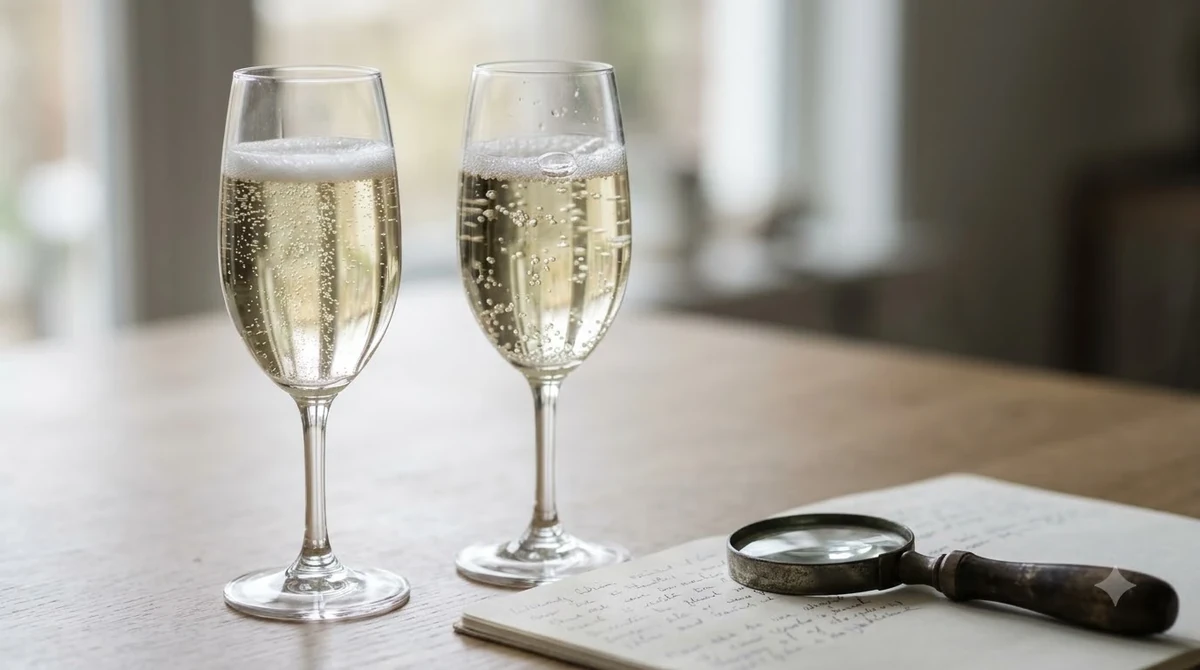
That combination of high acidity and aromatic fruit is what makes the wine feel lively rather than heavy. It is not a wine built for long aging; the point is freshness. Serve it at 45–50 F, which is cold enough to keep the aromatics taut but not so cold that the fruit shuts down. A standard 5-ounce pour is the right serving size, and a 750 ml bottle gives about five glasses.
How Dashwood Pinot Noir Tastes
The Pinot Noir is medium-bodied, dry, and built around red fruit rather than dark, extracted flavor. Cherry, raspberry, and wild strawberry lead, with plum and a gentle spice note in the background.
The winemaking explains the texture. Grapes are destemmed and given an extended cold soak for gentle extraction, then fermented and pressed off the skins before 11 months in French oak. The oak adds structure and a little savory detail without turning the wine into a vanilla milkshake. Tannin is soft and the finish is juicy, which is why the producer positions the wine alongside pizza, pasta, and barbecue. A technical sheet for the 2018 vintage listed 13.5% alcohol, pH 3.62, and titratable acidity of 5.7 grams per liter, numbers that describe a fresh, mid-weight red rather than a blockbuster.
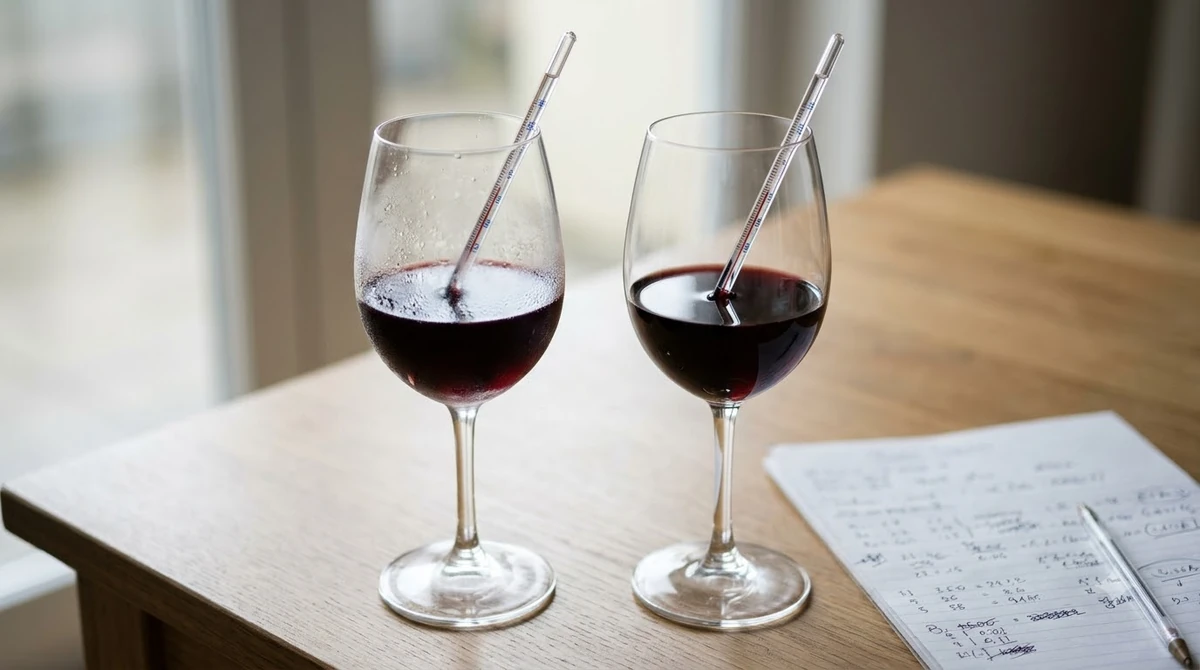
Pinot Noir is naturally low-to-medium in tannin and high in acidity, so it works best slightly cool. Serve Dashwood Pinot Noir at 55–60 F. If it has been stored somewhere warm, 20 minutes in the refrigerator before opening is enough to bring it into range. Young bottles can be decanted for 30–60 minutes, but this is not a wine that demands a long aeration.
Dashwood Wine Food Pairings That Work
Dashwood’s white is a natural partner for seafood, goat cheese, salads, and herb-driven dishes, while the red suits tomato-based pasta, pizza, and grilled or smoky meats. The pairings follow the wine’s structure rather than a rulebook.
Sauvignon Blanc’s high acidity cuts through the richness of goat cheese and shellfish and stands up to citrus-dressed salads and tangy sauces. The winery itself recommends seafood, goat cheese, salads, and dishes built around fresh herbs. Avoid pairing it with very rich, sweet, or heavily oaked food, which can make the wine feel thin by comparison. Oily fish is a better match for this white than for a tannic red, because the acidity refreshes the palate instead of clashing with the oil.
Pinot Noir’s soft tannin and bright acidity make it flexible with food. Salt and fat soften tannin, so pizza with cheese, pasta with a meat sauce, and barbecue all work. The wine also has enough fruit to handle a mushroom risotto or a roast chicken. Chili heat is the one thing to watch: alcohol and tannin amplify capsaicin, so a spicy dish will make the Pinot Noir feel hotter and rougher than it does on its own.
Serving and Storing Dashwood Wine
Serve the Sauvignon Blanc cold and the Pinot Noir lightly cool, and store both away from heat and light. Screwcaps make the wines easy to reseal, but they do not make an open bottle immortal.
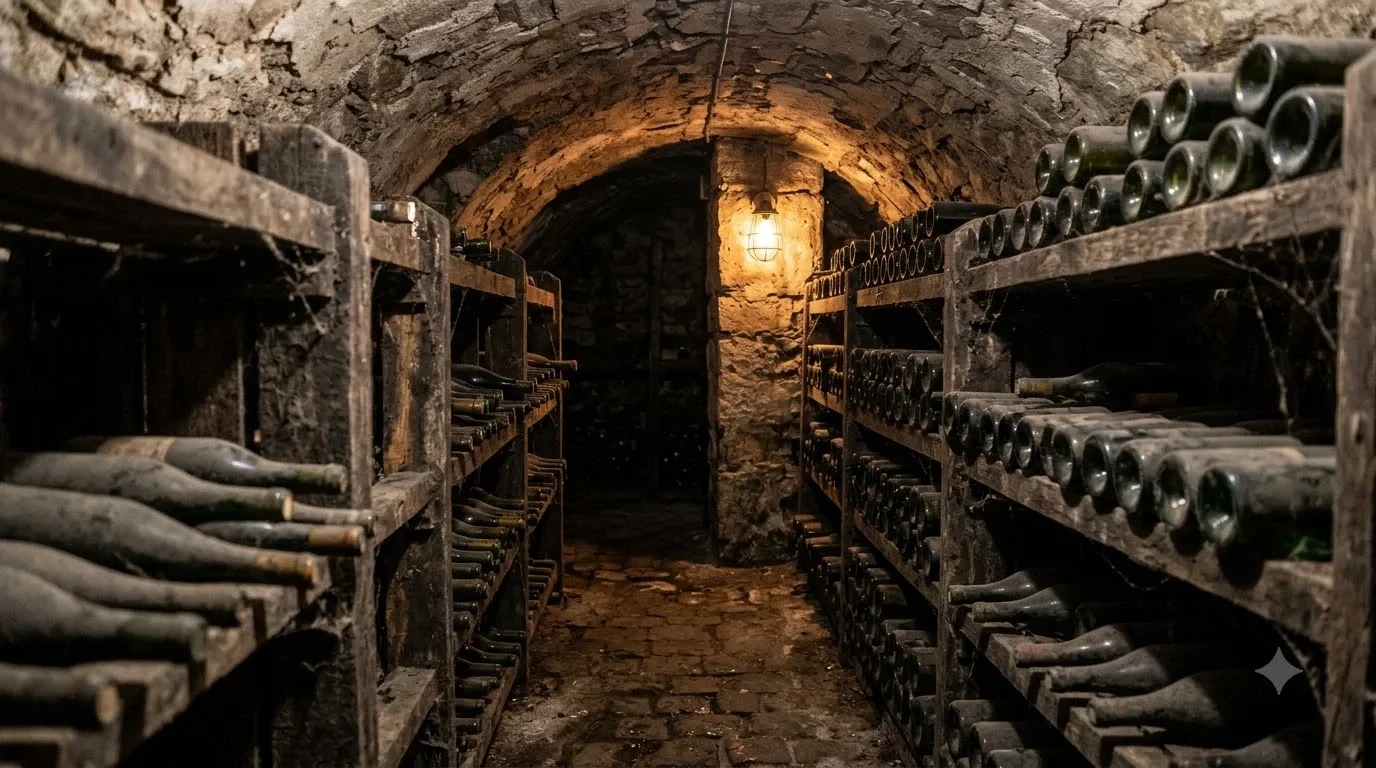
For the white, aim for 45–50 F. For the red, 55–60 F. An opened still wine kept in the refrigerator holds for about 3–5 days; after that, the fruit begins to fade and the acidity becomes more prominent. A vacuum stopper can add a day or two, but the simplest approach is to finish the bottle within a few days. Unopened bottles should lie on their side near 55 F if you have a cellar or a cool closet. A kitchen counter next to the stove is the worst place for them.
Tip: If you keep a bottle of Dashwood Sauvignon Blanc in the refrigerator door, move it to the main shelf before serving. Door storage fluctuates with every opening, while the main shelf holds a steadier temperature and protects the wine from repeated jostling.
Glassware matters less than temperature, but it still shapes the experience. A tulip-shaped white wine glass gives the Sauvignon Blanc room to release its aromatics without letting the alcohol dominate. For the Pinot Noir, a wider Burgundy-style bowl is ideal because it directs the wine toward the front of the palate and softens the perception of acidity.
Buying Dashwood Wine: What the Label Tells You
The label gives you the vintage, the Marlborough appellation, and usually the variety, which is enough to make a confident choice. The back label may also reveal the sub-region blend and the alcohol level.
Vintage matters more for the Sauvignon Blanc than for the Pinot Noir. Sauvignon Blanc is at its best in the first year or two after bottling, when the aromatics are most vivid. Pinot Noir has a little more room and can improve for 3–5 years from the vintage, though it is not a long-aging wine. A recent vintage is the safer buy for the white; a Pinot Noir with a few years on it can be more interesting if it has been stored well. If you are comparing brands, our guide to Wine Brands explains how to read producer and regional cues on a label.
Dashwood is a good gateway to Marlborough for drinkers who usually choose richer whites. If you enjoy the Sauvignon Blanc and want to explore a different aromatic white, aveleda wine from Portugal’s Vinho Verde region offers a similarly crisp profile with lower alcohol. If you prefer red fruit and soft tannin, antinori red wine from Tuscany is a useful contrast to New World Pinot Noir, showing how Sangiovese’s acidity and savory character differ from Marlborough’s brighter cherry fruit.
Screwcaps are standard on both wines, and that is a practical advantage: no cork taint, easy resealing, and no need for a corkscrew. The trade-off is that screwcaps can reduce the tiny amount of oxygen exchange that cork allows, so the wines are designed to be drunk young. That fits the brand’s style. These are wines for the table and the weeknight, not bottles to lay down for a decade.
Frequently Asked Questions
Is Dashwood Sauvignon Blanc sweet?
It is dry, but ripe Marlborough fruit can make it taste sweeter than the numbers suggest. Wine Enthusiast’s review of the 2018 vintage noted a touch of residual sugar that balanced the wine’s piercing acidity and gave it a sensation of fruit weight. The winery describes the style as dry and crisp, so the sweetness is a textural impression rather than a dessert-wine level of sugar.
How long can I keep Dashwood Pinot Noir?
A well-stored bottle can hold for about 3–5 years from the vintage, but it is not intended for long cellaring. The fruit is at its most generous in the first few years, and older bottles will show more savory, earthy notes as the cherry fruit fades. Keep it near 55 F and away from light if you plan to hold it.
What glass suits Dashwood wine?
Use a tulip-shaped white wine glass for the Sauvignon Blanc and a wider Burgundy bowl for the Pinot Noir. The white glass concentrates the aromatics without trapping alcohol, while the wider bowl gives the red more surface area for oxygen and softens the perception of acidity. A standard all-purpose wine glass also works if you do not want to buy two shapes.
Where does Dashwood wine ship in the US?
Foley Family Wines lists Dashwood Pinot Noir for shipment to California, Nevada, and Florida. Availability varies by retailer and by state, so a local wine shop may carry the wines even if direct shipping is restricted. The Sauvignon Blanc is the more widely distributed of the two.
Which vintage of Dashwood Sauvignon Blanc should I choose?
Choose the most recent vintage you can find, ideally within one to two years of bottling. Marlborough Sauvignon Blanc is built on fresh aromatics, and the fruit becomes less vivid with extended bottle age. If you see two vintages on the shelf, the younger one is the better choice for drinking now.
Dashwood keeps its range small and its style consistent, which makes it a reliable bottle to reach for when you want a Marlborough white or a lighter red. Learn the two wines, serve them at the right temperature, and pair them with food that matches their acidity and tannin. The brand is not trying to be everything to everyone, and that focus is exactly what makes it useful.
More in Wine Brands
 Underwood Wine Price: Compare Bottles, Cans, and Pack SizesUpdated Nov 21, 2026
 Zenato Wine Price: Compare Styles and Choose the Right BottleUpdated Nov 21, 2026
 Zuccardi Wine Price: Compare Bottles and Find the Right RangeUpdated Nov 21, 2026
 Yellow Tail Moscato Review: Taste, Sweetness and Serving TipsUpdated Nov 21, 2026
 Wolf Blass Yellow Label Review: Choose Your Best StyleUpdated Nov 21, 2026
 Wolffer Estate Rose Review: Choose the Right Bottle for Your TableUpdated Nov 21, 2026