

We may earn a commission when you buy through links on this page, at no extra cost to you. Learn more.
The typical dark horse wine price in the United States is about $8 to $13 for a standard 750 ml bottle, depending on the variety, retailer and location. Cabernet Sauvignon, Chardonnay, Sauvignon Blanc, Pinot Noir and other popular selections generally occupy this affordable everyday-wine category. Smaller 375 ml formats offer another option, particularly for Rosé and sparkling wines. Comparing bottle size, wine style and local retail listings helps identify the strongest value.
Dark Horse has built its appeal around approachable California wines that deliver recognizable fruit flavors and familiar grape varieties without requiring a premium-wine budget. Its portfolio includes both straightforward everyday choices and richer styles, giving shoppers several options at similar retail price levels. The important distinction is not simply how much a bottle costs, but what type of wine that amount buys. This guide examines typical US retail ranges, compares the major varieties and explains how to choose a bottle that suits a meal, occasion or personal preference.
Who Should Compare Dark Horse Wine Prices?
Dark Horse is particularly relevant to shoppers looking for accessible California wines in the approximate $8 to $13 standard-bottle category. Its selection covers familiar grapes and styles, making it useful for people who want to compare a Cabernet Sauvignon with a Chardonnay or choose between a crisp white and a fruit-forward red without moving into a substantially different spending category.
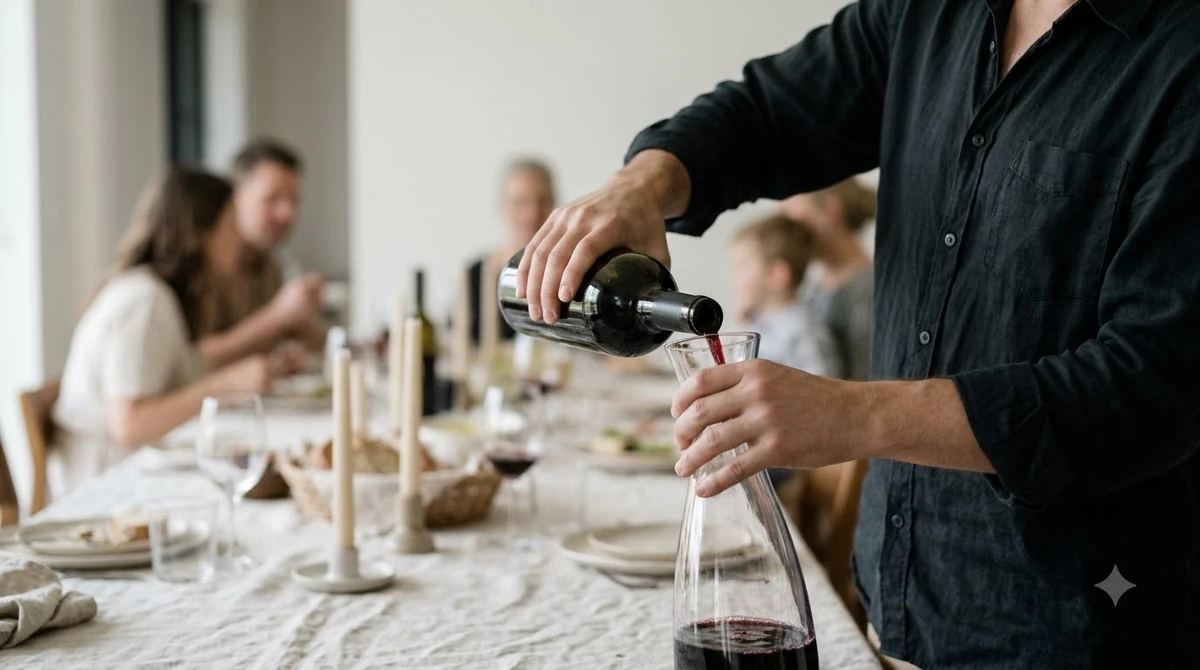
Everyday wine drinkers are an obvious audience. A household that regularly serves wine with pasta, grilled chicken, burgers or casual weekend meals may prefer a recognizable bottle that does not require a special occasion. Dark Horse’s Cabernet Sauvignon, Merlot, Pinot Noir and Double Down Red Blend provide several different approaches to red wine, while Sauvignon Blanc and Pinot Grigio suit people who prefer fresher white styles.
Shoppers who are still learning about grape varieties can also benefit from the range. Instead of assuming every red wine tastes similar, they can compare Cabernet Sauvignon’s firmer tannins with Merlot’s softer texture or Pinot Noir’s lighter structure. White-wine drinkers can make a similar comparison between the fruit-driven Chardonnay and the more refreshing Sauvignon Blanc.
The brand is also worth considering for casual entertaining. A few bottles covering different styles can accommodate guests with different preferences. For example, a Cabernet Sauvignon can accompany grilled meat, a Sauvignon Blanc can work with seafood, and a Rosé can serve as a flexible option for appetizers.
However, shoppers seeking collectible wines, long-term cellar investments or highly specific vineyard expressions should approach the range with different expectations. Dark Horse is positioned around accessible, approachable drinking rather than the prestige associated with individual vineyard bottlings or limited-production wines.
For a broader introduction to the producer and its different varieties, the dark horse wine overview provides a useful starting point. Shoppers comparing producers can also explore the wider selection of Wine Brands before making a decision.
Key Factors That Affect Dark Horse Wine Price
The most useful comparison starts with bottle size, grape variety, retail channel and regional availability. A standard 750 ml bottle is not directly comparable with a 375 ml format, and a retailer’s displayed price may not represent what another store charges in a different state.
| Wine or format | Typical observed US retail range | What to consider |
|---|---|---|
| Cabernet Sauvignon, 750 ml | About $9–$13 (WinesRate retailer comparison) | Dark fruit, coffee and firmer tannins |
| Chardonnay, 750 ml | About $9–$12 (Target and Total Wine listings) | Ripe fruit and a fuller white-wine style |
| Buttery Chardonnay, 750 ml | About $10–$12 (Total Wine listing) | Richer, creamier flavor profile |
| Sauvignon Blanc, 750 ml | About $9–$12 (Target and Total Wine listings) | Citrus and fresh fruit characteristics |
| Pinot Noir, 750 ml | About $9–$12 (Target listing) | Lighter red-fruit character |
| Rosé, 375 ml | About $5–$6 (Total Wine and Target listings) | Smaller serving quantity |
| Brut Bubbles, 375 ml | About $5–$6 (Total Wine listing) | Compact sparkling-wine format |
These are observed retail ranges rather than guaranteed national prices. For example, WinesRate reports a range of $8.99 to $12.99 for Dark Horse Cabernet Sauvignon in the 750 ml format across 22 tracked retailers. Total Wine’s inspected listings show its Cabernet Sauvignon and Buttery Chardonnay at $10.99, while its Sauvignon Blanc appears at $11.99. Target’s inspected listings show several 750 ml varieties at $8.99. Prices vary by state and retailer, and taxes, shipping and local availability can affect the final purchase cost.
1. Bottle size and cost per serving
A standard 750 ml bottle provides approximately five 5 oz glasses. A 375 ml bottle provides roughly two and a half comparable servings. The smaller format can therefore be convenient for an individual dinner or a small gathering, but it should not automatically be considered better value per ounce.
When comparing different formats, divide the total bottle volume into the same serving size. This creates a fairer comparison than looking only at the amount displayed on the shelf. It also helps prevent a smaller bottle from appearing unusually inexpensive simply because it contains half the wine.
2. Grape variety and wine style
The grape affects flavor and food compatibility more directly than the difference between two similarly priced bottles. Cabernet Sauvignon generally offers more tannin and structure than Pinot Noir, while Sauvignon Blanc tends to have higher acidity than Chardonnay. These differences matter when selecting a bottle for a particular dinner.
3. Retailer and location
Retail availability is not identical across the country. Target and Total Wine display different selections, and a store may carry some varieties without stocking the entire portfolio. WinesRate’s comparison also illustrates the geographic spread of listings, including retailers in California, Florida, New York, Texas and other states.
Online listings are useful for comparing the same wine and bottle size, but shoppers should distinguish between an available product and an item that is temporarily out of stock. A low displayed figure is not particularly helpful if the bottle cannot be purchased locally.
4. Standard bottles versus smaller formats
Dark Horse’s official portfolio includes 375 ml options such as Brut Bubbles, Rosé, Pinot Grigio, Sauvignon Blanc and Pinot Noir. These formats make it possible to choose a smaller quantity without switching to a different producer. Availability differs by variety and retailer, so not every smaller format will appear at every store.
For a current illustration of how retailers present the brand’s selection and bottle sizes, consult Total Wine’s Dark Horse wine listings. Comparing the same variety and volume across stores is more useful than comparing unrelated products.
Step-by-Step: How to Find the Right Dark Horse Bottle
A good buying decision begins with the occasion and preferred flavor profile, then moves to bottle size and retailer comparison. Following a consistent process helps prevent shoppers from choosing a wine simply because its shelf price looks attractive.
-
Decide whether you want red, white, Rosé or sparkling wine. Start with the food and occasion. Cabernet Sauvignon or Merlot can work for a red-wine dinner, while Sauvignon Blanc and Pinot Grigio are useful choices for lighter meals. Rosé and sparkling wine provide alternatives for appetizers and informal gatherings.
-
Choose a grape variety that matches your taste. If you enjoy structured reds, consider Cabernet Sauvignon. For softer red fruit and less assertive tannin, compare Merlot or Pinot Noir. For a refreshing white, Sauvignon Blanc and Pinot Grigio are natural starting points. People who prefer richer white wines may gravitate toward Chardonnay.
-
Compare regular Chardonnay with Buttery Chardonnay. These are two distinct expressions within the same brand. The standard Chardonnay is described with pineapple, guava, peach and vanilla, whereas Buttery Chardonnay features buttercream, baked apple, pear and vanilla. The second is the more obvious choice for someone seeking a creamy flavor impression.
-
Compare identical bottle sizes. Look at two 750 ml bottles together or compare two 375 ml formats. Do not treat a half-size bottle as an equivalent purchase merely because its displayed amount is lower.
-
Check multiple local retailers. Compare the same variety, vintage where applicable and bottle size. Retailer listings from Total Wine and Target demonstrate that different stores may display different prices and selections. A price comparison is meaningful only when the products are equivalent.
-
Consider how many servings you actually need. A 750 ml bottle gives approximately five standard 5 oz pours. For one or two people having a single glass, a 375 ml option may be more practical. For a larger dinner, a standard bottle may be more suitable.
-
Make the final decision based on style and value together. Choose the wine that best suits the occasion rather than automatically selecting the lowest-priced listing. A refreshing Sauvignon Blanc is not a substitute for a structured Cabernet Sauvignon if the meal calls for a fuller red.
Tip: Compare the same grape variety and bottle size before deciding that one Dark Horse wine offers better value. A 750 ml Cabernet Sauvignon and a 375 ml Rosé serve different purposes, even if their shelf prices appear close.
Dark Horse Wine Types and Styles Explained
The portfolio covers several recognizable wine styles, from structured reds to crisp whites and sparkling options. Understanding the flavor descriptions provided by the producer makes it easier to connect each bottle with a particular preference or meal.
Cabernet Sauvignon
Dark Horse Cabernet Sauvignon is a useful starting point for shoppers who enjoy fuller-bodied red wines. The producer describes its flavor profile using dark berry, coffee and toasted oak characteristics. This combination gives the wine a darker fruit direction with roasted and oak-related impressions.
Cabernet Sauvignon generally has high tannin, which creates a drying sensation in the mouth. That structure makes it a natural candidate for grilled beef, burgers and dishes containing substantial fat. Fat and salt can soften the perception of tannin, while the wine’s darker fruit profile complements roasted flavors.
Shoppers specifically interested in this variety can consult the dark horse cabernet page for a more focused discussion of the wine’s style and buying considerations.
Merlot and Pinot Noir
Merlot offers a softer direction for red-wine drinkers. Dark Horse describes its Merlot with dark cherry, blackberry and mocha characteristics. Merlot generally has medium tannin and a softer structure than Cabernet Sauvignon, making it a useful choice for people who want a red wine that feels less firm.
Pinot Noir provides another contrast. Its official flavor description includes Bing cherry, raspberry and shaved cedar. Pinot Noir typically has low-to-medium tannin and higher acidity than Cabernet Sauvignon. It can work well with roast chicken, mushroom dishes and salmon, where a lighter red profile is more appropriate than a heavily structured wine.
Red Blend and Double Down Red Blend
Dark Horse offers two blends with different flavor descriptions. The standard Red Blend features red cherry, raspberry and cassis, giving it a red-fruit emphasis. Double Down Red Blend moves toward darker characteristics, including dark chocolate, molasses and blackberry.
These distinctions are useful when choosing between a more straightforward fruit-led blend and a richer-tasting option. The Double Down description suggests a darker flavor direction that may appeal to people who enjoy concentrated fruit and chocolate-like impressions. The standard Red Blend is a reasonable alternative for shoppers who prefer red-fruit characteristics.
Chardonnay and Buttery Chardonnay
Chardonnay is one of the more versatile white grapes because its style can vary substantially. Dark Horse describes its standard Chardonnay with pineapple, guava, peach and vanilla. This combination makes it a suitable consideration for people who enjoy ripe tropical and stone-fruit characteristics.
Buttery Chardonnay is a separate choice for drinkers who prefer a richer flavor impression. The producer lists buttercream, baked apple, pear and vanilla among its characteristics. It is particularly relevant to shoppers who enjoy fuller white wines with creamy and baked-fruit associations.
Chardonnay generally has medium acidity, although the actual impression depends on the wine’s production style. It can accompany roast chicken, creamy pasta and richer seafood dishes. For a more detailed comparison, the dark horse chardonnay overview is a useful companion.
Sauvignon Blanc and Pinot Grigio
Dark Horse Sauvignon Blanc is described with pink grapefruit, green apple and melon. Sauvignon Blanc generally has high acidity, making it a good choice for dishes that benefit from freshness, including salads, seafood and goat cheese.
Pinot Grigio offers another refreshing white-wine direction. Its official description includes pear, green apple and white peach. It can be a practical choice for lighter lunches, simple appetizers and dishes where a clean white-wine profile is preferable to a richer Chardonnay.
Rosé and Sparkling Wine
Dark Horse Rosé features strawberry, watermelon and ripe peach in the producer’s description. Rosé can be particularly useful for casual meals, outdoor dining and mixed appetizers. Serve it chilled, around 45 to 50 degrees Fahrenheit, to retain its refreshing character.
The sparkling selection includes Brut Bubbles and Rosé Bubbles in 375 ml formats. Brut Bubbles is described with lively fruit and toasted oak, while Rosé Bubbles features stone fruit, citrus and red berries. The smaller formats suit occasions where a full-size sparkling bottle would provide more wine than necessary.
The producer’s own Dark Horse wine portfolio provides the variety descriptions and distinguishes its standard wines from its sparkling selections. It is a useful reference when comparing the names and styles available in the range.
Common Mistakes When Comparing Dark Horse Prices
The biggest buying mistakes involve comparing different bottle sizes, assuming every variety tastes alike and overlooking the effect of local retail availability. A little attention to these details can make a price comparison substantially more useful.
Comparing half bottles with standard bottles
A 375 ml bottle contains half the wine of a standard 750 ml bottle. Comparing the displayed amounts without considering volume can produce misleading conclusions. Calculate the cost per milliliter or per standard serving when deciding between the formats.
This is especially relevant when shopping for smaller Rosé and sparkling formats. A lower total amount at checkout does not necessarily indicate a lower cost per serving. The correct choice depends on how much wine is needed and whether the smaller quantity is convenient.
Assuming every retailer carries the same selection
Retailers can stock different varieties and sizes. Total Wine’s inspected selection includes five displayed Dark Horse products, while Target’s displayed assortment includes several more. This difference illustrates why a shopper should not assume that a particular bottle will be available everywhere.
Availability can also change between stores within the same retail chain. A local store may stock Cabernet Sauvignon and Chardonnay but not Pinot Noir or sparkling wine. Before making a special trip, confirm that the desired variety and size are available.
Choosing only by the grape name
Two wines made from Chardonnay grapes can have noticeably different flavor profiles. The contrast between Dark Horse’s standard Chardonnay and Buttery Chardonnay illustrates why the complete product name matters. Someone seeking fresh tropical-fruit characteristics may prefer the former, while a drinker who enjoys buttercream and baked-apple impressions may prefer the latter.
The same principle applies to blends. Standard Red Blend and Double Down Red Blend have different producer-described fruit and flavor characteristics. Looking beyond the words red blend provides a better indication of which style is likely to match personal preferences.
Ignoring food compatibility
A wine that seems inexpensive may not be the right choice for a particular dinner. High-tannin Cabernet Sauvignon can work well with fatty grilled meat, but it is generally less suitable for delicate oily fish. Pinot Noir is often a more flexible red option for dishes where a lighter structure is desirable.
Food acidity matters too. A wine should generally have acidity equal to or greater than the dish’s acidity to avoid tasting flat. Sauvignon Blanc is often useful with citrus-dressed seafood or fresh salads because its natural acidity can complement those ingredients.
Expecting premium-wine characteristics at an everyday price point
Dark Horse is positioned around approachable wines and accessible pricing. Its appeal lies in offering familiar grape varieties and clearly identifiable flavor profiles. Shoppers should evaluate the bottles according to that purpose rather than expecting every selection to provide the complexity of a much more expensive, age-worthy wine.
Serving and Storage Tips for Better Value
Proper serving and storage help preserve the wine’s intended character after purchase. Temperature, bottle handling and the time between opening and drinking can make a noticeable difference, even with an affordable everyday bottle.
Serve each variety at an appropriate temperature.
Dark Horse Cabernet Sauvignon, Merlot and other fuller red styles generally benefit from being served around 60 to 65 degrees Fahrenheit. Lighter reds such as Pinot Noir are better suited to approximately 55 to 60 degrees. Serving red wine substantially warmer can make alcohol feel more prominent and can reduce the impression of freshness.
White wines need cooler temperatures. Serve Sauvignon Blanc and Pinot Grigio around 45 to 50 degrees Fahrenheit. Chardonnay generally benefits from a slightly warmer serving range of 50 to 55 degrees, particularly if it has a richer profile. Rosé is best served around 45 to 50 degrees, while sparkling wine generally works well around 40 to 50 degrees.
Store unopened bottles consistently.
For longer storage, keep wine in a cool, dark location near 55 degrees Fahrenheit when practical. Avoid direct sunlight, repeated temperature changes and areas close to ovens or heating equipment. Bottles with traditional cork closures are generally stored on their sides to help keep the cork from drying out.
Dark Horse bottles are intended to be accessible drinking choices, so there is generally little reason to purchase them specifically for long-term cellaring. Buying a bottle with a plan to enjoy it within a reasonable period is a more practical approach for most shoppers.
Refrigerate opened bottles.
Once opened, reseal still wines and refrigerate them. A practical general guideline is approximately three to five days for most opened still wines, although freshness depends on the wine, storage conditions and how much oxygen has entered the bottle.
Use a suitable stopper to limit air exposure. For sparkling wine, a dedicated sparkling-wine stopper helps preserve carbonation. Opened sparkling wine generally retains its best character for around one to three days when refrigerated and properly sealed.
Plan servings carefully.
Pouring approximately 5 oz per glass makes it easier to estimate how much wine a bottle provides. A standard 750 ml bottle supplies about five such servings, while a 375 ml bottle provides approximately two and a half. This simple calculation helps households decide whether a smaller format makes more sense for an ordinary dinner.
It also prevents unnecessary waste. If only two people want a single glass, a smaller bottle may be more convenient than opening a full-size bottle. If a dinner includes several guests, a 750 ml bottle provides more practical serving capacity.
Frequently Asked Questions
These additional answers address bottle details, availability and buying considerations that are useful when comparing Dark Horse selections. They also clarify some questions that are not answered by shelf-price comparisons alone.
Does Dark Horse wine use a screw cap or a cork?
Dark Horse’s US portfolio and individual packaging can vary, so the closure should be checked on the particular bottle. A screw cap is convenient for opening and resealing without a corkscrew. It can also make an everyday wine easier to store after opening when used with appropriate refrigeration.
Does Dark Horse make wine in single-serving formats?
Dark Horse’s official portfolio includes several 375 ml formats, including Rosé, Pinot Grigio, Sauvignon Blanc, Pinot Noir and sparkling selections. A 375 ml bottle is a half-size format rather than an individual single-glass bottle. It generally provides about two and a half standard 5 oz pours.
Is Dark Horse Cabernet Sauvignon suitable for decanting?
Most everyday Cabernet Sauvignon can be served directly from the bottle. A young, fuller-bodied red may benefit from approximately 30 to 60 minutes of aeration if its tannins seem particularly firm. Decanting is optional rather than a requirement for enjoying the wine.
Can Dark Horse wines be used in cooking?
Yes. A dry Dark Horse Cabernet Sauvignon or Merlot can be considered for beef-based sauces and braised dishes, while Chardonnay can work in suitable creamy sauces. Sauvignon Blanc can be used in recipes involving seafood or vegetables. Choose a wine whose flavor suits the recipe rather than selecting one solely because it is inexpensive.
Does Dark Horse offer both regular and sparkling Rosé?
Yes. The official portfolio distinguishes its still Rosé from Rosé Bubbles. The still version is described with strawberry, watermelon and ripe peach, while Rosé Bubbles is associated with stone fruit, citrus and red berries. These are different styles and should not be treated as interchangeable when planning a meal or celebration.
Dark Horse offers several approachable California wine styles, with standard 750 ml bottles commonly appearing in the approximate $8 to $13 retail range in the inspected US listings. The smartest purchase is the variety and bottle size that match the occasion, preferred flavor profile and local availability. Comparing equivalent bottles across retailers makes it easier to find suitable value without sacrificing the style of wine you actually want.
More in Wine Brands
 Underwood Wine Price: Compare Bottles, Cans, and Pack SizesUpdated Nov 21, 2026
 Zenato Wine Price: Compare Styles and Choose the Right BottleUpdated Nov 21, 2026
 Zuccardi Wine Price: Compare Bottles and Find the Right RangeUpdated Nov 21, 2026
 Yellow Tail Moscato Review: Taste, Sweetness and Serving TipsUpdated Nov 21, 2026
 Wolf Blass Yellow Label Review: Choose Your Best StyleUpdated Nov 21, 2026
 Wolffer Estate Rose Review: Choose the Right Bottle for Your TableUpdated Nov 21, 2026