


We may earn a commission when you buy through links on this page, at no extra cost to you. Learn more.
CVNE wine comes from Compañía Vinícola del Norte de España, a Rioja house founded in Haro in 1879 and known for structured, traditionally aged reds along with white and sparkling lines. Its best-known labels, including Imperial and Viña Real, show two sides of the house: a prestige wine made only in exceptional harvests, and a broader Rioja range built around consistent style. Most CVNE bottles are red, they suit food well, and they are easy to pair with roasted meats, grilled vegetables and aged cheese.
This guide explains where CVNE comes from, what the main lines are, how to serve them, and which dishes match them. Whether you are picking up a first bottle or planning a dinner, the sections below should help you choose with more confidence.
Who makes CVNE wine and where it comes from
CVNE stands for Compañía Vinícola del Norte de España. The company was founded in 1879 in Haro, a town in the Rioja region of northern Spain, by brothers Raimundo and Eusebio Real de Asúa, who worked with the Riojan oenologist Isidro Corcuera del Campo. That early pairing of family ownership and technical skill still defines how the house describes its approach to winemaking.
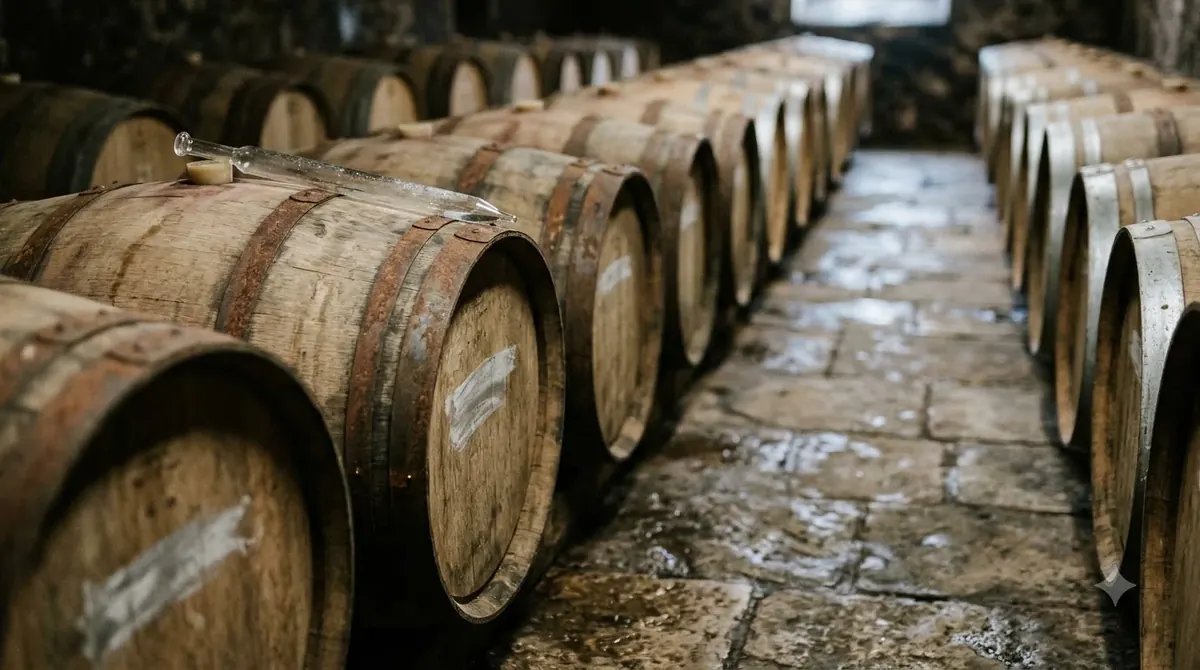
Haro sits inside the Rioja appellation, which the Rioja regulatory council describes as having three subregions: Rioja Alta, Rioja Alavesa and Rioja Oriental. The original CVNE winery is in the station district of Haro. The Viña Real winery, located near Logroño, has two caverns that hold more than 14,000 barrels, which gives a sense of the scale the house works at today.
The main CVNE lines and what each one is
CVNE’s range is wide enough that the label matters as much as the name on the front. Some lines are made for everyday drinking, while others are built for long cellaring and special occasions. Knowing the difference makes shopping much easier.
Imperial is the emblematic red. It is made in an autonomous winery within the original site and produced only in exceptional harvests. The 2004 Imperial Gran Reserva placed first in Wine Spectator’s Top 100 list in 2013, which is the reason many collectors know the name even if they seldom drink the wine.
Viña Real is a brand created in 1920 for wines from Rioja Alavesa. Older vintages from 1947 and 1959 each received 100 points from Robert Parker, which helped the label gain a reputation for elegance and age-worthiness. Cune Crianza is the more approachable entry point into the house’s reds, and Crianza is the Rioja category for wine that has been aged for a set period before release.
The house also makes whites and sparkling wines. Monopole was launched in 1915 as a young, dry white wine and was the first white wine brand the company registered. Real de Asúa, launched in 1994, is another line that shows the house’s range beyond its red wines.
| Line | What it is | Best used for |
|---|---|---|
| Imperial | Prestige red from an autonomous winery, made only in exceptional years | Special dinners and cellaring |
| Viña Real | Rioja Alavesa wines, brand created in 1920 | Mid-range dinners and older-vintage tastings |
| Cune Crianza | Crianza red, aged before release | Weeknight meals with roasted meat |
| Monopole | Young, dry white first launched in 1915 | Aperitif and seafood |
How to serve CVNE red wine at home
Serving temperature has a large effect on how a Rioja red tastes. Most reds from this region show their best when they are slightly below room temperature, which keeps fruit and structure in balance. A short rest in the fridge before pouring is often enough for a young bottle to settle into its character.
Younger Crianza-style wines usually benefit from a short decant, which lets them open up and soften the first impression of oak. Older bottles, especially those from the Imperial line or older Viña Real vintages, need more careful handling. Stand the bottle upright for a day before opening, then pour slowly so that any sediment stays in the bottle. Use a glass with a medium bowl so the aromas can gather without being lost.
Tip: If the wine tastes tight when it is first poured, give it 20 to 30 minutes in the glass before judging it. Rioja reds often soften noticeably as they warm and open.
Food pairing for CVNE wine
Rioja reds are naturally built for food. Their acidity and grip cut through fatty meats, and their savory notes complement roasted and grilled dishes. Lamb, beef stews and aged hard cheese are classic matches for the richer reds in the range.
The lighter whites and the Monopole style work well with seafood, fresh salads and simple grilled fish. A bottle of the older Crianza wine can also complement tomato-based dishes and paella with chorizo. The aim is to match weight with weight: a delicate white with light dishes, and a structured red with dishes that have fat and salt.
How to choose a CVNE bottle
Start with the occasion. For a weeknight dinner, a Crianza-style red is usually the most practical choice because it is ready to drink and matches a wide range of food. For a gathering or a gift, a more prestigious line makes a stronger statement, but it benefits from a little planning around timing and serving.
If you are new to Spanish wine, look for the Rioja name and the aging category on the label. Those two details tell you a great deal about the style before you open the bottle. Our wine brands guide covers how other producers organize their ranges in a similar way.
Cellaring and aging CVNE reds
Aging is where the Rioja name becomes most useful to a buyer. Wines in the Crianza category have already spent time in barrel and bottle before they reach the shop, so they are usually ready to drink soon after purchase. Higher categories and prestige bottles often need more time, and their flavor profile shifts as they age, with primary fruit giving way to dried fruit, leather and earthy notes.
If you plan to keep a bottle for several years, store it on its side in a cool, dark place with steady temperature. Avoid areas near heaters, kitchens or sunny windows, because heat and light change a wine more quickly than most people expect. Keeping a short note of the vintage and the date you bought it makes it easier to decide when to open it.
The reverse also applies. A bottle that has been stored badly may taste flat or stale even if the label looks fine, so buy from a retailer that keeps its wine in controlled conditions. Checking the vintage and the line on the label before paying is a simple way to avoid disappointment.
Frequently Asked Questions
Is CVNE wine a red or white wine?
CVNE is best known for its red wines from Rioja, including the Imperial and Viña Real lines. The house also produces whites such as Monopole, which was launched in 1915 as a young, dry white. Check the label for the specific bottle.
Where is CVNE located?
The company was founded in Haro, in the Rioja region of northern Spain, in 1879. The Viña Real winery sits near Logroño and holds a large barrel store in its caverns.
What does Crianza mean on a CVNE label?
Crianza is a Rioja aging category for wine that has been aged for a set period before release. It is usually the most approachable style for everyday meals, and it is a common entry point into the house’s reds.
Should I decant CVNE wine before serving?
Younger reds often benefit from a short decant to soften the first impression of oak. Older bottles need more care, so stand them upright before opening and pour slowly to keep sediment in the bottle.
CVNE offers a clear path from everyday Rioja to collectible bottles, so you can match the wine to the occasion. Start with a Crianza for dinner, then explore the prestige lines when you have a special meal in mind. For a broader look at similar producers, see our guide to Antinori red wine and compare how Italian and Spanish houses approach their reds.
More in Wine Brands
 Underwood Wine Price: Compare Bottles, Cans, and Pack SizesUpdated Nov 21, 2026
 Zenato Wine Price: Compare Styles and Choose the Right BottleUpdated Nov 21, 2026
 Zuccardi Wine Price: Compare Bottles and Find the Right RangeUpdated Nov 21, 2026
 Yellow Tail Moscato Review: Taste, Sweetness and Serving TipsUpdated Nov 21, 2026
 Wolf Blass Yellow Label Review: Choose Your Best StyleUpdated Nov 21, 2026
 Wolffer Estate Rose Review: Choose the Right Bottle for Your TableUpdated Nov 21, 2026