

We may earn a commission when you buy through links on this page, at no extra cost to you. Learn more.
This costco wine review finds that Costco is a worthwhile place to shop for affordable everyday wines, interesting regional bottles, and occasional premium discoveries. Kirkland Signature is a particularly useful starting point because its selection includes recognizable varieties and established wine regions. However, warehouse inventories change, individual bottles vary in quality, and a familiar brand name does not automatically mean the lowest price.
Costco approaches wine shopping differently from a traditional wine store. Its purchasing volume, private-label program, regional buying strategy, and rotating inventory create opportunities for shoppers who understand what to look for. The strongest approach is to compare grape varieties, regional designations, producer information, and drinking occasions rather than filling a cart with bottles simply because they appear inexpensive. This guide explains how to evaluate the selection, identify worthwhile styles, and make purchases that suit different tastes and meals.
Who This Is For
Costco is particularly appealing to shoppers who want dependable everyday wine, entertaining bottles, and opportunities to discover unfamiliar regions without visiting several specialist retailers. It can also suit experienced wine drinkers who recognize appellations and producers and enjoy searching for occasional releases.
First-time wine buyers can start with familiar grapes such as Cabernet Sauvignon, Chardonnay, Pinot Grigio, and Sauvignon Blanc. These varieties offer recognizable flavor profiles and make it easier to compare bottles across different producers. Someone who enjoys bold red wine, for example, can concentrate on Cabernet Sauvignon from California or Bordeaux-inspired blends rather than choosing randomly from the shelves.
Frequent entertainers may appreciate the combination of sparkling wines, versatile whites, and fuller-bodied reds. A dry sparkling bottle can work as an aperitif, Pinot Grigio can accompany light lunches, and Cabernet Sauvignon can provide a familiar option for grilled beef. Buying several complementary styles is generally more useful than purchasing a large quantity of one wine that may not suit every guest.
Experienced collectors should approach Costco somewhat differently. Its selection can include prestigious regional appellations and bottles from recognized producers, but availability is not guaranteed. A particular vintage may disappear before the next shopping trip, and another warehouse may carry a completely different assortment. Costco’s regional buying structure makes it sensible to treat each visit as an opportunity to assess the actual selection rather than expect a permanent catalog.
There are also shoppers for whom Costco is less suitable. Anyone seeking extensive vintage comparisons, detailed advice from a specialist, or a consistently stocked selection of small-production wines may prefer an independent wine merchant. Costco can still provide useful everyday purchases, but it is not a substitute for a specialist cellar-selection service.
Key Factors to Compare Before Buying
The most useful comparison points are grape variety, appellation, producer information, vintage, intended drinking occasion, and serving requirements. These details help distinguish a genuinely interesting bottle from one that merely has an attractive label or a familiar name.
| Comparison factor | What to examine | Practical example |
|---|---|---|
| Grape variety | Body, acidity, and tannin | Cabernet Sauvignon versus Pinot Grigio |
| Region | Appellation and growing area | Rutherford, Chianti Classico, or Bordeaux |
| Bottle size | Volume in milliliters | 750 ml standard bottle |
| Serving temperature | Temperature in degrees Fahrenheit | 60–65 F for full-bodied reds |
| Serving quantity | Typical glass pour | 5 oz per serving |
| Storage | Temperature and bottle position | Approximately 55 F on its side |
| Opened bottle | Typical refrigerated drinking window | 3–5 days for still wine |
Grape variety is usually the easiest starting point. Cabernet Sauvignon generally has high tannin and a substantial structure, while Merlot usually offers softer, medium tannins. Pinot Noir tends to have lower-to-medium tannin and higher acidity. For white wine, Sauvignon Blanc generally delivers more pronounced acidity than Chardonnay, making it particularly useful with fresh salads, seafood, and citrus-based dishes.
Regional designations provide another layer of information. A Chianti Classico comes from a defined Tuscan appellation, while a Bordeaux designation identifies a wine from a major French wine region with established production rules. A regional designation does not guarantee that every bottle will be excellent, but it gives shoppers more meaningful information than a generic red or white wine description.
Producer information is equally useful. Costco’s Kirkland Signature bottles are sourced through relationships with different producers rather than one universal winery. Wine Enthusiast reports that Costco’s wine team considers established suppliers and specialists in individual wine categories. The producer or bottler information can therefore help distinguish two bottles carrying the same private-label name. Read its reviews of Costco’s best Kirkland Signature wines for examples of how individual releases compare.
Vintage matters as well, particularly with wines intended for aging or bottles from prestigious appellations. A critic’s score for one vintage should not automatically be applied to another. The 2023 Kirkland Signature California Cabernet Sauvignon, for example, received 93 points from Wine Enthusiast. That assessment belongs to the specified release, not every Kirkland Cabernet Sauvignon.
Finally, consider the occasion. A refreshing white for a summer lunch requires different characteristics from a structured red intended for a slow-cooked beef dinner. Choosing according to the food and the people drinking the wine is more reliable than selecting by label appearance alone.
Step-by-Step: How to Shop for Wine at Costco
A simple shopping process makes Costco’s changing wine selection easier to understand. Start with the drinking occasion, narrow the choices by grape and region, and then evaluate the individual bottle before buying.
- Decide what the wine needs to do. Choose whether the bottle is intended for casual drinking, dinner, a celebration, or storage. A weekday dinner wine and a special-occasion Champagne have different requirements.
- Choose a broad style. Decide between sparkling, white, rosé, light red, and full-bodied red. This immediately narrows the available choices and prevents unnecessary browsing.
- Identify a familiar grape. Select Sauvignon Blanc or Pinot Grigio for a crisp white, Chardonnay for a fuller white, Pinot Noir for a lighter red, or Cabernet Sauvignon for a structured red.
- Read the regional designation. Look for recognizable areas such as Sonoma County, Rutherford, Chianti Classico, Bordeaux, or Châteauneuf-du-Pape. Consider the style associated with the region rather than assuming every appellation produces the same flavor.
- Examine the producer information. Read the front and back labels for the winery, bottler, importer, and appellation. Kirkland Signature is a private label, so the producer can provide additional context.
- Compare the vintage. Check whether the bottle is a current release or an older vintage. For wines with meaningful aging potential, consider the grape, region, structure, and expected drinking window.
- Assess the purchase quantity. Buy according to how quickly the wine will be consumed. A six-bottle purchase makes sense for a known favorite but is less sensible for an unfamiliar bottle.
- Plan transportation and storage. Avoid leaving wine in a hot vehicle. Once home, move bottles into an appropriate storage location and chill whites or sparkling wines before serving.
Comparing several bottles within the same style is particularly helpful. If the warehouse has three Cabernet Sauvignons, examine their regional origins and producer details before choosing. A California Cabernet may emphasize ripe dark fruit, while a Rutherford bottling can offer a more structured profile with savory notes. These differences matter more than the fact that both bottles carry the same grape name.
Tip: Keep a simple record of the Kirkland wines you enjoy, including the grape, region, vintage, and producer information. Because Costco’s inventory rotates, those details make it easier to recognize a familiar style on a future visit or find a comparable alternative elsewhere.
For a broader look at private-label selections, the Costco wine category provides another useful starting point. Shoppers comparing everyday supermarket labels can also explore Barefoot wine to understand how widely distributed brands differ from warehouse private-label offerings.
Types and Styles Explained
Costco’s wine department covers several major wine categories, from uncomplicated whites to structured European reds and sparkling wines. Understanding these styles helps shoppers identify which bottles deserve attention for particular meals and occasions.
Cabernet Sauvignon and Other Full-Bodied Reds
Cabernet Sauvignon is one of the most recognizable choices for people who prefer concentrated fruit, noticeable tannins, and a substantial finish. California examples can show blackcurrant, blackberry, plum, and toasted oak characteristics. Rutherford and Stags Leap District are two useful Napa Valley regional references for shoppers interested in more specific Cabernet styles.
Wine Enthusiast favorably reviewed several Kirkland Signature Cabernet releases, including a 2023 California bottling that received 93 points. Its review described dark plum, cherry, blackcurrant, and toasted vanilla characteristics. A separate 2021 Rutherford Signature Series Cabernet received 92 points and was described with blueberry, blackberry, chocolate, graphite, and tobacco notes.
These examples demonstrate why regional information matters. A general California Cabernet may suit a relaxed dinner, while a more structured Rutherford bottling can be a better choice for a substantial meal involving grilled beef or aged cheese. Serve full-bodied reds at approximately 60–65 F rather than allowing them to become excessively warm.
Pinot Noir and Medium-Bodied Reds
Pinot Noir is an appealing option for shoppers who want red wine with less aggressive tannin and more pronounced acidity. Common characteristics include red cherry, raspberry, cranberry, earth, and subtle spice. It can work particularly well with roast chicken, mushroom dishes, duck, and salmon.
Merlot is another useful choice. Its medium tannins and generally softer texture make it accessible to people who find Cabernet Sauvignon too firm. Merlot-based Bordeaux wines can also offer more complexity through blending with Cabernet Sauvignon and other permitted regional varieties.
For lighter reds, serving temperature makes a noticeable difference. Aim for approximately 55–60 F for light-bodied examples. Slightly chilling a Pinot Noir can help preserve its freshness, particularly when the bottle is served alongside a meal rather than enjoyed on its own.
Pinot Grigio and Sauvignon Blanc
Pinot Grigio is a practical option for shoppers seeking fresh, uncomplicated white wine. Expect citrus, melon, pear, and sometimes white peach. The Kirkland Signature 2023 California Pinot Grigio received 93 points from Wine Enthusiast, which described its profile using melon, citrus, cucumber, white peach, and nectarine.
Sauvignon Blanc generally offers higher acidity and can have flavors of lime, grapefruit, green apple, herbs, and occasionally tropical fruit. New Zealand examples are particularly recognizable for their lively aromatic character. This style works well with goat cheese, shellfish, grilled vegetables, and herb-based dishes.
Serve these lighter whites at approximately 45–50 F. Excessive chilling can make aromatic details harder to appreciate, so removing a bottle from the refrigerator briefly before serving may improve its expression.
Chardonnay and Fuller White Wines
Chardonnay is more variable in style than many beginning shoppers expect. Some examples are crisp and citrus-driven, while others are fuller, creamier, and influenced by oak aging. California Chardonnay can show ripe apple, pear, citrus, vanilla, and buttery characteristics depending on production methods.
The distinction is important for Costco shoppers because a low-priced Chardonnay does not necessarily reproduce the richness of a more carefully made oak-aged example. The Kitchn’s wine expert specifically cautions that inexpensive Chardonnay can be inconsistent, particularly for shoppers seeking substantial oak character. Its Costco wine-shopping advice also recommends comparing familiar brands with their prices at other retailers.
Serve fuller-bodied Chardonnay at approximately 50–55 F. This slightly warmer temperature allows richer textures and aromas to become more apparent than they would at refrigerator temperature.
Sparkling, Rosé, and Sweet Wines
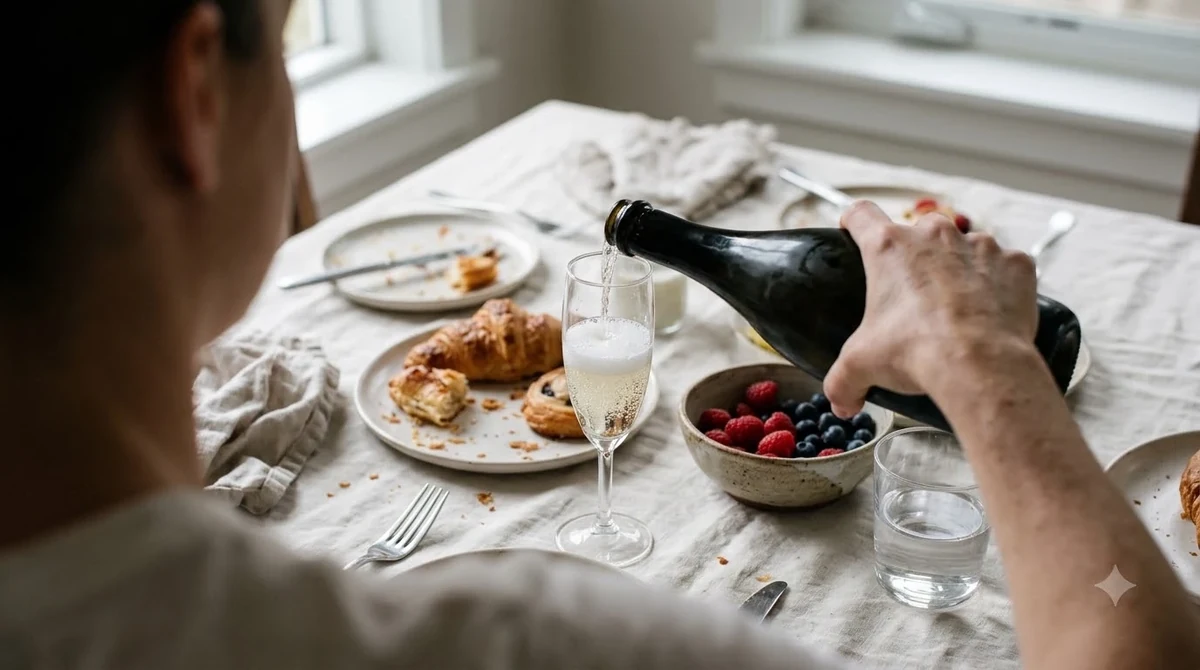
Costco’s sparkling selection can include Champagne and other sparkling wine styles. Kirkland Signature Champagne is one of its private-label offerings, while other recognizable brands may appear depending on the warehouse. Champagne and Cava use bottle fermentation, which contributes to their characteristic texture and complexity.
Prosecco provides another accessible sparkling option. Made primarily from Glera grapes using the tank method, it generally has an alcohol level around 11–12% ABV. Shoppers interested in comparing sparkling selections can also explore La Marca Prosecco, a familiar branded alternative.
Rosé is useful for casual meals, outdoor gatherings, and lighter food. Dry examples often combine refreshing acidity with strawberry, watermelon, citrus, and red berry flavors. Sweet wines, including Moscato, suit fruit desserts and other sweet foods. A useful pairing principle is to choose wine at least as sweet as the dessert.
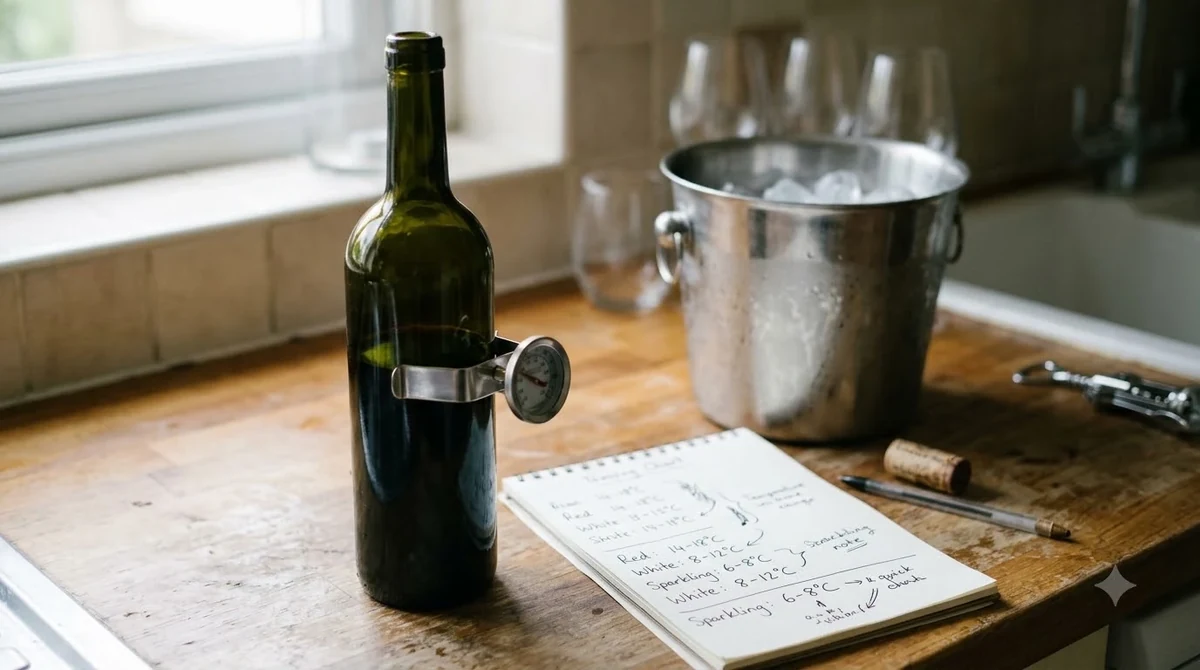
For sparkling wine, serve at approximately 40–50 F. Rosé and light whites generally benefit from 45–50 F, while sweet whites are often most enjoyable around 43–50 F.
Common Mistakes When Buying Costco Wine
The biggest purchasing mistakes involve assuming that every Kirkland bottle has the same quality, believing a familiar label guarantees value, and overlooking the difference between a region and a grape variety. A little label reading can prevent most of these problems.
Assuming Every Kirkland Bottle Is Identical in Quality
Kirkland Signature is a private-label program, not a single winery. Different wines come from different suppliers, regions, and production arrangements. A strong Cabernet Sauvignon review does not establish that an unrelated Kirkland Chardonnay or sparkling wine will deliver the same experience.
Look at each wine independently. A regional designation, named producer, vintage, and grape variety provide more useful information than the private-label name alone. Professional reviews can also help, provided they refer to the exact wine and vintage under consideration.
Buying a Famous Brand Without Comparing Value
Costco’s purchasing power can make recognized brands competitive, but the saving is not automatic. The Kitchn recommends comparing the average retail price before purchasing a famous label simply because it appears in a warehouse. A bottle can be convenient to buy at Costco without necessarily representing the strongest available value.
Compare equivalent bottle sizes and vintages. Also consider whether the alternative retailer offers the same wine rather than a similar-looking product from a different appellation. Regional differences can significantly affect the style and production cost.
Ignoring Regional Differences
Two bottles made from the same grape can taste noticeably different because of climate, vineyard location, harvest decisions, and winemaking techniques. A cool-climate Pinot Noir should not automatically be expected to taste like a ripe California Cabernet, and a Chianti Classico should not be treated as interchangeable with generic Italian red wine.
Learn a few regional associations. Bordeaux is useful for understanding structured French blends, Chianti Classico for Sangiovese-based Tuscan wine, and Rutherford for a specific Napa Cabernet reference. These names help make shopping decisions more precise.
Purchasing Too Much of an Unknown Wine
Bulk buying is attractive, but an unfamiliar bottle should not automatically become a case purchase. Even a promising wine can be a poor match for a household’s usual meals and preferences.
Start with one bottle when exploring a new region or grape. If the wine works well, buying additional bottles on a later visit becomes a more informed decision. This is especially important with rotating selections that may not return in the same vintage.
Confusing Critic Scores With Personal Preference
A high score indicates that a critic appreciated a particular wine under particular evaluation conditions. It does not mean that the wine will suit every drinker. Someone who prefers crisp, high-acidity whites may not enjoy a rich, heavily oaked Chardonnay, even if that Chardonnay receives a favorable professional assessment.
Use reviews as a screening tool rather than an instruction. Flavor descriptions, body, acidity, tannin, and regional origin are more useful for predicting whether the bottle will fit personal preferences.
Care, Serving, and Storage Tips
Good storage and serving practices protect the quality of Costco purchases, particularly when shoppers buy several bottles at once. Keep unopened wine away from heat and direct sunlight, and use appropriate temperatures for each style when serving.
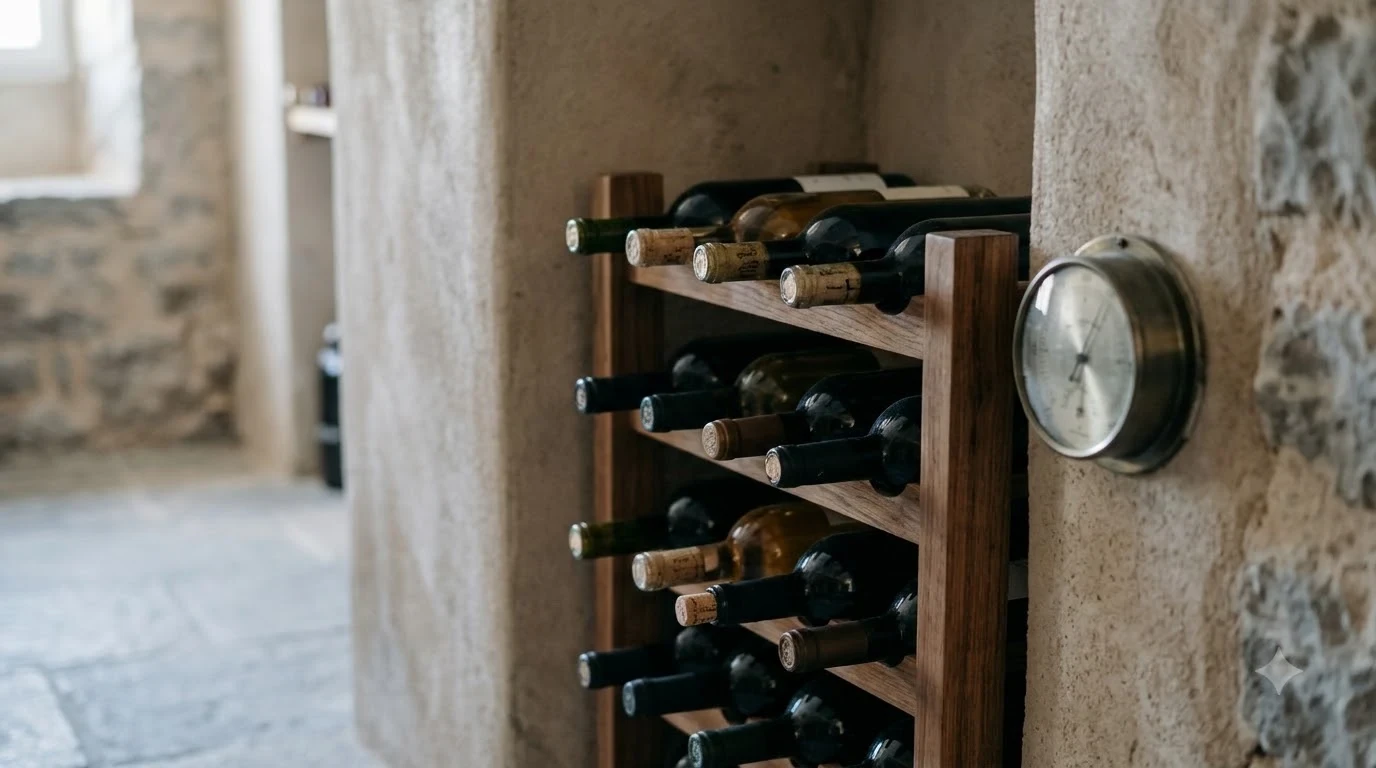
For bottles intended for longer storage, a consistent temperature near 55 F is a useful target. Avoid locations that experience frequent temperature fluctuations, such as kitchen cabinets near ovens or cupboards exposed to direct sunlight. Bottles with natural cork closures are generally stored on their sides to help keep the cork from drying out.
Not every Costco wine needs extended cellaring. Most everyday Pinot Grigio, Sauvignon Blanc, rosé, and simple sparkling wines are intended to be enjoyed relatively young. A special bottle of structured Bordeaux, Barolo, or Cabernet Sauvignon may have greater aging potential, but that depends on the individual producer, vintage, and wine structure.
Serving Temperatures
Temperature has a substantial effect on the way wine smells and tastes. Very cold conditions can mute aromatic details, while excessively warm serving temperatures can make alcohol more prominent and reduce the impression of freshness.
Use these practical ranges:
- Sparkling wine: 40–50 F.
- Light white wines and rosé: 45–50 F.
- Full-bodied white wines: 50–55 F.
- Light-bodied red wines: 55–60 F.
- Full-bodied red wines: 60–65 F.
- Sweet white wines: 43–50 F.
Young, full-bodied red wines can benefit from 30–60 minutes of decanting. This allows the wine to interact with oxygen and can soften the initial impression of a structured bottle. Older wines require more care because extended exposure to air may diminish their aromas rather than improve them.
Opening and Preserving Bottles
A standard 750 ml bottle provides approximately five servings when poured at 5 oz each. For a dinner with six adults, two bottles provide roughly ten standard glasses, although actual consumption depends on the occasion and the other beverages available.
Once opened, sparkling wine generally retains its best character for approximately 1–3 days with a suitable sparkling-wine stopper and refrigeration. Most still wines are best consumed within 3–5 days when properly resealed and refrigerated. Fortified wines can remain enjoyable for several weeks, while bag-in-box wines commonly last approximately 4–6 weeks after opening when stored according to the packaging instructions.
Refrigerating opened red wine is also useful. Bring it toward the appropriate serving temperature before pouring again. This slows deterioration and helps preserve the remaining wine rather than leaving an opened bottle on a warm kitchen counter.
Finally, consider storage space before buying multiple bottles. A small collection of wines that suit different occasions is often more useful than a large quantity of similar reds. For additional guidance on selecting wines by category, the Wine Brands resource offers another way to explore producers and styles.
Frequently Asked Questions
Does Costco operate its own wineries?
Costco’s Kirkland Signature wines are sourced through outside producers rather than one company-owned winery. The wines are made through different supplier relationships, and the specific producer can vary by region and bottling. Some labels identify the winemaker or bottler directly, while others provide less detailed production information.
Can Costco wine be returned if a bottle is defective?
Alcohol return policies are subject to state and local regulations, so a universal return rule should not be assumed. Customers should contact their warehouse and ask about its applicable policy before purchasing. A wine that is corked or otherwise faulty may also be handled differently from an ordinary change-of-mind return.
Does Costco sell wine online for home delivery?
Costco offers wine through its online shopping platform in eligible locations, but the available assortment and fulfillment arrangements vary. Some products are available for delivery, while others are restricted to warehouse purchasing. Local alcohol shipping laws determine which delivery options are permitted.
What is the difference between DOC and DOCG on Italian wine?
DOC means Denominazione di Origine Controllata, while DOCG means Denominazione di Origine Controllata e Garantita. DOCG is the higher classification within Italy’s traditional appellation hierarchy and has additional production and verification requirements. Both designations identify regulated origins and production standards rather than guaranteeing that every individual bottle will be exceptional.
Can shoppers use Costco’s warehouse inventory tools before visiting?
Costco has offered inventory-search functionality through its app, allowing members to investigate product availability at selected warehouses. Inventory information may not capture every shelf change or newly arrived bottle. Calling the local warehouse can provide additional confirmation when searching for a particularly limited wine.
Costco is a strong destination for shoppers who value variety, recognizable wine regions, and the opportunity to discover interesting private-label bottles. The smartest purchases come from comparing the grape, appellation, producer, vintage, and intended occasion rather than relying on the Kirkland Signature name alone. Start with familiar styles, explore regional specialties gradually, and build a selection of wines that genuinely suits the way you drink and entertain.
More in Wine Brands
 Underwood Wine Price: Compare Bottles, Cans, and Pack SizesUpdated Nov 21, 2026
 Zenato Wine Price: Compare Styles and Choose the Right BottleUpdated Nov 21, 2026
 Zuccardi Wine Price: Compare Bottles and Find the Right RangeUpdated Nov 21, 2026
 Yellow Tail Moscato Review: Taste, Sweetness and Serving TipsUpdated Nov 21, 2026
 Wolf Blass Yellow Label Review: Choose Your Best StyleUpdated Nov 21, 2026
 Wolffer Estate Rose Review: Choose the Right Bottle for Your TableUpdated Nov 21, 2026