

We may earn a commission when you buy through links on this page, at no extra cost to you. Learn more.
The coravin timeless three is a wine preservation system that lets you pour individual glasses without removing the bottle’s natural cork, helping protect the remaining wine from oxygen. Its needle-and-argon design makes it particularly useful for wine drinkers who want to enjoy expensive bottles over several occasions instead of finishing them immediately. The Timeless Three+ package adds useful accessories, including two argon capsules, screw-cap adapters, and an aerator, although the ongoing cost of replacement capsules and its closure restrictions deserve consideration.
A traditional wine opener commits you to opening the entire bottle, even if you only want a small glass of Cabernet Sauvignon on Tuesday and another glass of Chardonnay on Saturday. Ordinary stoppers and vacuum pumps can slow oxidation after opening, but they cannot restore the original unopened condition. Coravin takes a different approach: it accesses wine through the cork while replacing the extracted wine with inert argon gas. The result is a specialized preservation tool rather than an ordinary bottle stopper. This review examines the Timeless Three design, its accessories, operating requirements, customer feedback, and the situations in which purchasing one makes practical sense.
Specs and Key Features
The Timeless Three+ is an entry-level member of Coravin’s Timeless wine-by-the-glass family, combining a standard needle with an argon-powered preservation mechanism. Its main advantage is that the bottle can remain closed while individual servings are poured, making it different from conventional preservation systems that operate only after a bottle has been opened.
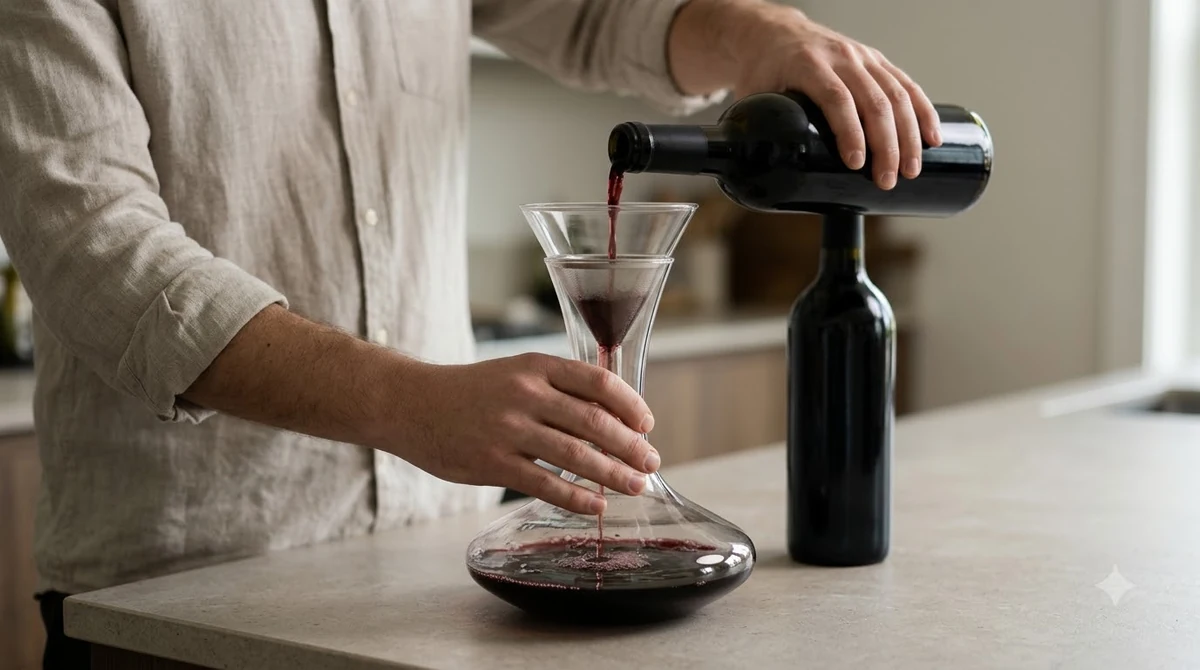
The mechanism has two essential components: a precision-engineered needle and a capsule containing pure argon gas. The needle passes through a compatible natural cork, allowing wine to flow out while gas enters the bottle. When the device is removed, the cork expands toward its original shape and reseals the opening. Because the remaining wine is protected from oxygen, it can retain its original character for a substantially longer period than wine in an opened bottle.
There is an important distinction between the original Model Three and the current Timeless Three+ package. The earlier Model Three specification sheet describes a system with one screw cap and two capsules, whereas the current Three+ product page lists two screw caps, two capsules, and an aerator. Buyers comparing older listings should therefore avoid assuming that every product carrying the Three name has identical accessories.
| Specification | Coravin Timeless Three+ |
|---|---|
| Product category | Wine-by-the-glass preservation system |
| Wine compatibility | Still wine |
| Preservation method | Precision needle and pure argon gas |
| Standard closure | Natural cork |
| Screw-cap compatibility | With dedicated Timeless Screw Caps |
| Finish | Matte black |
| Capsules included | 2 Pure Argon Capsules |
| Screw caps included | 2 standard Timeless Screw Caps |
| Aerator included | 1 Coravin Aerator |
| Needle | Standard needle |
| Additional accessories | Needle-clearing tool and bottle sleeve |
| Capsule capacity | Up to 15 glasses of 150 ml per capsule |
| Typical standard needle pour time | Approximately 30–35 seconds |
| Warranty | 1 year |
These specifications are based on Coravin’s current Timeless Three+ product information, including its published capsule capacity and standard-needle comparison. The earlier Model Three specification sheet gives physical dimensions of 8.46 inches high, 1.99 inches wide, and 3.93 inches long, with a listed weight of 0.85 pounds. Those measurements belong to the earlier model and should not be confused with the current Three+ package specifications.
The included aerator is another meaningful feature. Coravin describes it as providing an effect equivalent to up to 90 minutes of decanting. That can be useful when pouring a young Cabernet Sauvignon or Syrah that benefits from additional air exposure. However, aeration and preservation perform different jobs: the aerator changes how wine behaves in the glass, while the needle-and-argon mechanism protects wine remaining inside the bottle.
For official product information, accessory compatibility, and operating instructions, consult Coravin’s Timeless Three+ product specifications. These details are especially useful when comparing an older Model Three listing with a newer Three+ retail package.
What Owners Like
The biggest attraction is the freedom to pour a single glass without committing to finishing a bottle. Customer feedback published by retailers highlights convenience, preservation, and the ability to enjoy different wines during the same meal as important reasons people appreciate the system.
This flexibility is particularly valuable in households where wine preferences differ. One person might enjoy Pinot Noir while another prefers Sauvignon Blanc, or someone might want a glass of white wine before dinner and a small serving of red with the main course. Without a preservation system, opening multiple bottles creates several partially consumed bottles that need attention within a relatively short period.
Retailer feedback also illustrates the appeal for occasional drinkers. Sur La Table’s product page includes customer comments describing the usefulness of pouring individual glasses without wasting the rest of a bottle. Other positive comments emphasize the convenience of enjoying a bottle over multiple occasions. These experiences reflect the central purpose of the Timeless system rather than an incidental accessory feature.
Freedom to explore different bottles
Wine enthusiasts who enjoy comparing regions and grape varieties can benefit from this arrangement. A glass of Napa Valley Cabernet Sauvignon one evening and a glass of Oregon Pinot Noir another evening no longer requires opening both bottles completely. The system can also help someone compare different vintages or producers without planning a gathering around every bottle.
This is especially useful for premium wine collections. A bottle intended for a special occasion does not necessarily need to be opened completely just because its owner wants to check its current development. Accessing a measured serving while leaving the remaining wine protected provides more flexibility for exploring wines at different stages.
Preservation without ordinary recorking
Traditional bottle stoppers are useful, but they do not provide the same access method. A regular stopper closes an already-opened bottle, while a vacuum stopper attempts to reduce the amount of oxygen remaining inside. Neither allows wine to be extracted while leaving the original natural cork in place.
The Timeless Three+ uses argon, an inert gas, instead of relying on a mechanical vacuum. Coravin says that each capsule supplies enough gas for up to fifteen 150 ml servings. That is approximately 2.25 liters of nominal pouring capacity, although actual usage depends on pouring technique, capsule condition, and gas loss.
A useful starter accessory package
The aerator and screw-cap adapters increase the system’s usefulness beyond natural-cork bottles. The aerator is particularly convenient for someone who enjoys younger reds, while the two screw caps make it possible to use the Timeless system with compatible screw-cap bottles.
Having two adapters included is more practical than purchasing the main device and immediately discovering that an additional accessory is necessary for certain bottles. The bottle sleeve is also a thoughtful inclusion because glass bottles can be vulnerable to damage, particularly if they already have cracks or chips.
For someone who regularly drinks wine one glass at a time, these benefits can justify choosing a needle-based preservation system rather than relying exclusively on ordinary stoppers.
Common Complaints
The Timeless Three+ has a specialized design, and that specialization introduces several limitations. Capsule consumption, closure compatibility, operating technique, and occasional equipment problems are the main considerations before purchasing one.
The first drawback is the ongoing need for Coravin-compatible argon capsules. Although the manufacturer lists a capacity of up to fifteen 150 ml glasses per capsule, that figure is a maximum rather than a guarantee for every user. Repeated trigger presses, gas escaping during installation, and inefficient operation can reduce the actual number of servings.
This matters because the system’s initial purchase is not the only expense involved in long-term ownership. Someone who pours wine frequently should consider the availability and continuing cost of replacement capsules. A conventional stopper does not have the same recurring gas requirement.
Gas consumption requires practice
One customer comment on Sur La Table’s product page describes a capsule emptying during installation. Another reports receiving unexpectedly poor results from a puncture through natural cork, with wine leaking around the opening. These are individual customer experiences, not evidence that every device has these problems, but they illustrate why careful installation and correct technique matter.
Coravin specifically instructs users to press and release the trigger rather than hold it continuously. It also recommends short presses to conserve gas. A new owner who operates the system incorrectly may consume more argon than necessary, making the running cost less attractive.
Not every wine closure is compatible
The most important limitation is the natural-cork requirement. The Timeless system depends on a cork that can reseal after the needle is removed. Synthetic corks do not reliably provide this property, so they are unsuitable for the Timeless needle system.
Glass closures are also incompatible because passing the needle through them can permanently damage the needle. Thick wax discs beneath the foil can create a similar equipment risk. Anyone with a collection containing many synthetic closures, glass stoppers, or heavily wax-sealed bottles should examine their bottle types before choosing this device.
Pouring is not instantaneous
A standard Timeless needle typically takes approximately 30–35 seconds to pour according to Coravin’s published comparison. This is noticeably slower than removing a cork and pouring wine normally. For someone hosting a dinner party and serving eight guests, that extra time can become inconvenient.
The system is designed primarily for controlled individual servings rather than rapid service. Its advantages become clearer when preserving a bottle for later matters more than pouring speed.
Maintenance and replacement parts
The needle is a precision component that requires appropriate care. Incorrect cleaning, unsuitable closures, or excessive force during insertion can create avoidable problems. Replacement needles and accessories also add complexity compared with a simple mechanical stopper.
Overall, the drawbacks are manageable for someone who understands the operating requirements. They become more significant for casual drinkers who want an inexpensive, universal solution with very little maintenance.
Who Should Buy and Who Should Skip
The Coravin Timeless Three+ makes the most sense for people who frequently want one or two glasses from different bottles while keeping the remaining wine protected. It is less compelling for households that routinely finish a bottle in one sitting or mainly purchase wines with incompatible closures.
Frequent wine explorers are among the strongest potential buyers. Someone who keeps several natural-cork bottles available can pour a glass of Barolo, return the bottle to storage, and choose a completely different wine on another evening. This is a particularly useful arrangement for collectors who do not want every bottle opening to become a commitment to finish the wine quickly.
Buy it if you regularly drink premium wines
People who purchase mature Bordeaux, Napa Cabernet Sauvignon, Burgundy, or collectible Italian reds may appreciate the ability to access a bottle without removing its original cork. The system also suits people who enjoy drinking wine in moderation across several days or weeks, provided their bottles have compatible closures and the equipment is used correctly.
It can also be attractive to couples with different wine preferences. One person can enjoy a glass of Chardonnay while another chooses a glass of Merlot without needing to open two complete bottles. The ability to access wine in small quantities is the main practical benefit.
Buy it if you want to compare wines regularly
Wine students, enthusiasts, and collectors who compare grape varieties or regions may find the device particularly useful. A structured tasting involving Sauvignon Blanc, Chardonnay, Pinot Noir, and Cabernet Sauvignon can require several bottles but only a relatively small serving from each.
The aerator adds another useful option for wines that benefit from additional oxygen exposure in the glass. Someone comparing a young Syrah with an older Cabernet Sauvignon can use the aerator selectively rather than treating every wine identically.
Skip it if you usually finish bottles quickly
If a household normally finishes a 750 ml bottle over dinner, there is little reason to pay for a system designed to preserve unopened portions. A standard wine stopper or refrigerator storage may be sufficient for the occasional leftover glass. Someone who opens wine only a few times per year may also find that maintaining an inventory of replacement capsules is unnecessary.
The device is also a poor fit for anyone whose collection predominantly uses synthetic corks or glass closures. A specialized system is only useful when its closure requirements match the bottles being purchased.
Tip: Before purchasing, inspect the closures on five to ten bottles you commonly drink. If most have natural corks, the Timeless Three+ may be a sensible option. If most use synthetic corks or glass stoppers, compare alternative systems designed for opened bottles instead.
How It Compares to Alternatives
The Timeless Three+ occupies a different category from ordinary wine stoppers, vacuum pumps, and preservation systems that operate after opening. The main distinction is whether the original cork is removed and how the remaining wine is protected from oxygen.
For everyday wine drinkers, the choice usually comes down to how frequently they open bottles, how much wine they leave unfinished, and whether they prefer a simple storage accessory or a specialized by-the-glass device.
Against conventional wine stoppers
A conventional stopper is inexpensive, easy to use, and suitable for most opened still wines. It closes the bottle after the cork has been removed, but oxygen has already entered during opening and pouring. Refrigeration can slow deterioration, although it does not recreate the original unopened condition.
The Coravin approach is different because the bottle remains sealed by its original cork. Someone who wants to pour one glass from a special bottle and return the rest to storage has a stronger reason to choose the Timeless system. Someone who simply needs to store a bottle until tomorrow may be better served by a conventional wine stopper.
Against Champagne preservation accessories
The Timeless Three+ is designed for still wine, not sparkling wine. Its needle-and-argon arrangement is not a substitute for a stopper that maintains the pressure inside a bottle of Champagne or Prosecco.
Sparkling wine needs a closure specifically designed to maintain carbonation after opening. A dedicated champagne stopper is the more appropriate choice for someone who regularly saves unfinished sparkling bottles.
Against other wine preservation systems
Other preservation products use different methods, including vacuum removal, replacement gas, and specialized bottle stoppers. These systems can be more affordable or easier to operate, depending on the intended use.
The Timeless Three+ has the advantage of accessing wine without removing the natural cork. However, it requires capsules, compatible closures, and more careful handling. A broader wine preservation system comparison can help buyers understand whether needle-based preservation is actually necessary for their drinking habits.
Against other Coravin options
Coravin’s product family includes systems intended for different preservation needs. The Timeless family focuses on pouring through compatible closures without removing the cork, while the Pivot family uses a different stopper-based method for preserving opened bottles.
Coravin’s product information identifies Pivot+ as an alternative for bottles with synthetic corks and glass closures. This makes it worth considering for someone who likes the brand’s preservation approach but owns bottles unsuitable for the Timeless needle. The broader Coravin preservation equipment category is useful for comparing the different systems and their accessories.
There is no universal winner between these approaches. The Timeless Three+ is the more specialized option for people who want access through natural cork, while a conventional stopper or Pivot-style product may be more practical for other bottle types and drinking patterns.
How to Use and Maintain the Coravin Timeless Three
Correct operation is essential for controlling capsule consumption and protecting the wine. The basic process involves securing the device, inserting the needle, positioning the bottle, dispensing wine with short trigger presses, and removing the system carefully.
- Check the bottle closure. Confirm that the bottle has a compatible natural cork or an appropriate Timeless Screw Cap accessory. Avoid synthetic corks and glass closures.
- Position the device. Align the Coravin system over the bottle neck and press down in one smooth motion until the SmartClamps engage securely.
- Angle the bottle. Coravin recommends holding the bottle at approximately 45 degrees over the glass before pouring.
- Press the trigger briefly. Press and release rather than holding the trigger down continuously. Use additional short presses if necessary.
- Stop the pour. Return the bottle to an upright position to stop wine flowing through the needle.
- Remove the device. Hold the bottle securely and pull the system upward in a steady motion.
- Store the bottle. Return the bottle to a cool, dark storage location and follow the recommended storage position for the system.
The procedure is straightforward, but the trigger technique deserves particular attention. Continuous activation is unnecessary and can waste gas. Short, controlled presses provide better control over the serving size and help make each capsule last longer.
Cleaning after use
Cleaning should be gentle because the system contains precision components. Sur La Table’s care instructions recommend wiping the device clean and avoiding immersion in water. After use, rinse the spout with warm, clean water and make sure the SmartClamps can move freely.
Pressing the trigger after rinsing helps remove water from inside the needle. This simple maintenance step helps keep the wine pathway clear and reduces the possibility of residue accumulating around the dispensing components.
Looking after the needle and cork
The needle should enter compatible corks smoothly. Do not force the system into a bottle when resistance feels unusual, especially if the bottle has a thick wax seal or an unfamiliar closure. Coravin warns that thick wax discs beneath the foil can damage the needle.
Natural corks can reseal after puncture, but they are not infinitely reusable. Coravin states that a cork may begin losing its sealing ability after approximately fifteen punctures. That figure is important for people who regularly take very small servings from the same bottle over a long period.
Cold corks may also take longer to reseal. Coravin indicates that a chilled cork can require approximately one minute, so it is sensible to leave a recently accessed chilled bottle upright briefly before returning it to its storage position.
For additional information about alternative equipment and preservation approaches, the wine preservation equipment section provides a useful starting point for comparing different designs.
Frequently Asked Questions
Can the Coravin Timeless Three be used on an already opened bottle?
The Timeless system is designed around accessing wine through a compatible closure rather than operating as an ordinary stopper for an already opened bottle. For a bottle whose original cork has already been removed, Coravin’s Pivot system is a more appropriate alternative. The distinction is important because the two systems use different preservation mechanisms.
Can the Coravin Timeless Three be used on half bottles?
Yes, bottle size is not the defining compatibility requirement. The closure and bottle-neck configuration are more important considerations. A compatible natural cork or appropriate screw-cap adapter is needed, and the system must be positioned securely on the bottle.
Does the Coravin Timeless Three work with aged wine?
It can be used with compatible naturally corked aged wines, including bottles that have developed sediment during maturation. Older corks may be more fragile than younger ones, however, so careful insertion and removal are particularly important. Using a suitable bottle sleeve can provide additional protection when handling valuable bottles.
Can the Coravin Timeless Three preserve dessert wine?
The Timeless system is designed for still wines, so compatible still dessert wines can be suitable candidates. The wine’s sweetness does not change the basic needle-and-argon preservation mechanism. However, fortified wines with unusual wax seals or incompatible closures still require attention to bottle compatibility.
Can the Coravin Timeless Three be carried when traveling?
The device itself is relatively compact, and Coravin includes a bottle sleeve with the Three+ package. However, argon capsules are pressurized containers, so airline and transportation restrictions may apply. Check the relevant airline and transport authority requirements before packing replacement capsules for a trip.
The Coravin Timeless Three+ is a specialized tool for people who want to enjoy natural-cork still wines one glass at a time without routinely opening entire bottles. Its argon preservation mechanism, included aerator, and screw-cap adapters make it a capable home wine accessory, although capsule consumption and closure restrictions are real considerations. For collectors and regular wine explorers, its flexibility can be more valuable than the simplicity of a conventional stopper; for occasional drinkers who finish bottles quickly, a less complicated preservation solution may be the better choice.
More in Preservation & Coravin
 Coravin Model Eleven Review: Preserve Wine Without Opening BottlesUpdated Nov 20, 2026
 Is Coravin Worth It? A Practical Guide to Its Real ValueUpdated Nov 20, 2026
 Coravin Timeless Six: Pour a Glass Without Opening the BottleUpdated Nov 20, 2026
 Coravin Pivot Plus Review: Keep Open Wine Fresh for WeeksUpdated Nov 20, 2026
 Coravin Screw Caps Review: Specs, Lifespan, and Real-World PreservationUpdated Nov 20, 2026
 Coravin Alternatives That Keep Open Wine Fresh LongerUpdated Nov 21, 2026