

We may earn a commission when you buy through links on this page, at no extra cost to you. Learn more.
Cooper and thief wine review: Cooper & Thief is a good fit for drinkers who want California reds with pronounced bourbon-barrel character, dark fruit, and a full-bodied finish. Its main styles include a Red Blend, Cabernet Sauvignon, Pinot Noir, and a Larceny Red Blend finished in Larceny bourbon barrels. The core bottles are listed at 15% to 16% ABV, so expect a more substantial pour than a light, low-alcohol red.
Cooper & Thief brings wine and whiskey together through bourbon-barrel aging or finishing, with flavors associated with vanilla, caramel, toast, and baking spice. This guide compares its styles and explains how to choose a bottle for dinner, a barbecue, or an after-dinner pour.
Who This Is For
Cooper & Thief is aimed at people who enjoy assertive, fruit-forward reds and the aromas associated with whiskey barrels. The standard Red Blend is aged for 3 months in bourbon whiskey barrels and listed at 16% ABV, while its Cabernet Sauvignon is listed at 15% ABV; both are richer choices than a lighter red served for easy refreshment.
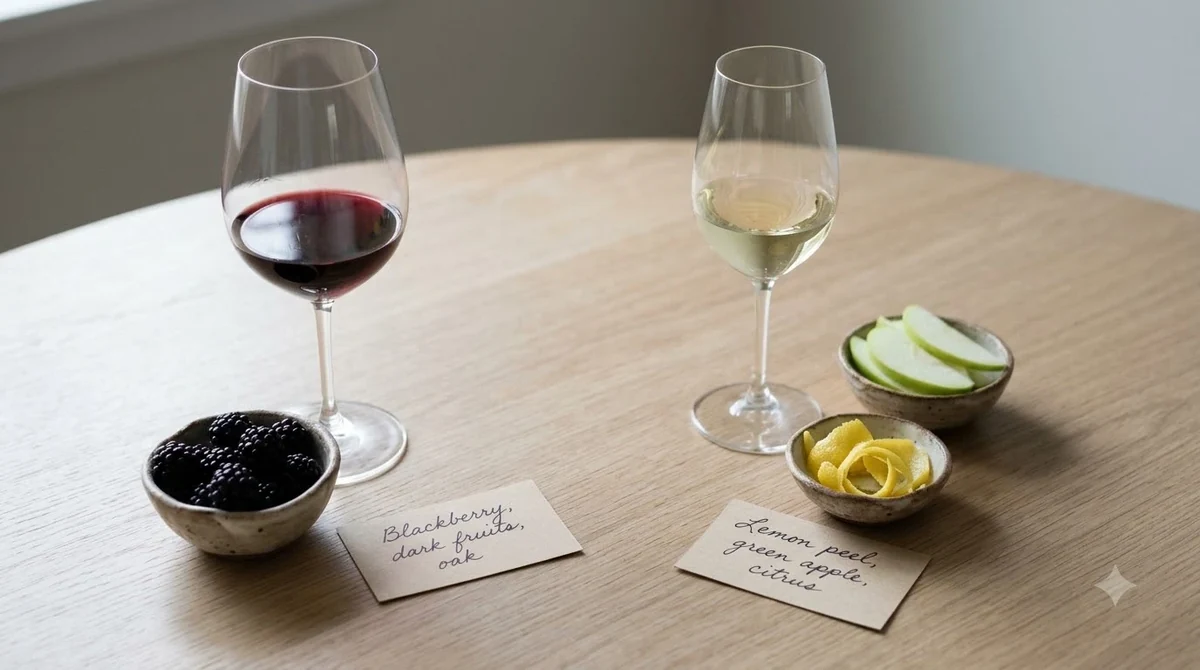
Expect ripe fruit and an obvious barrel signature rather than delicate red-fruit aromas or a subtle, mineral finish. The Red Blend is described with blackberry, dark currant, vanilla, and bourbon spice; Cabernet Sauvignon leans toward dark cherry and plum with caramel and spice. The brand positions its spirits-barrel-aged wines for whiskey lovers.
That profile is not for every palate. Drinkers who prefer lower-alcohol Pinot Noir, crisp whites, or restrained oak may find the warmth and sweet-seeming barrel aromas too prominent. Vanilla and caramel are flavor impressions, not proof of high residual sugar, so buyers seeking a dry, savory red should judge the overall style rather than one tasting note.
For a brand-first overview, the Cooper and Thief wine page is a useful companion. It is also worth keeping the name separate from other California labels: a page on Cooper Mountain wine concerns a different wine name, not another Cooper & Thief bottling or a sub-range of its bourbon-finished wines.
Key Factors to Compare
Start with the grape style, the listed alcohol level, and whether the wine is aged in standard bourbon barrels or specifically finished in Larceny bourbon barrels. The current product descriptions show 750 mL bottles and a three-month bourbon-barrel period for the Red Blend, Cabernet Sauvignon, and Pinot Noir.
| Style | Bottle size | Listed ABV | Barrel treatment | Profile to expect |
|---|---|---|---|---|
| Red Blend | 750 mL | 16% | 3 months in bourbon whiskey barrels | Blackberry, dark currant, vanilla, bourbon spice |
| Cabernet Sauvignon | 750 mL | 15% | 3 months in bourbon whiskey barrels | Dark cherry, plum, vanilla, caramel, spice |
| Pinot Noir | 750 mL | 15.5% | 3 months in bourbon barrels | Red fruit, jammy cherry, salted caramel, vanilla |
| Larceny Red Blend | 750 mL | 16% | Finished in Larceny bourbon barrels | Dark ripe fruit, caramel, butterscotch, toasted oak |
The listed 15% to 16% ABV range is a useful comparison. Alcohol can add warmth and weight, especially with spicy food or when the wine is served too warm. The one-percentage-point spread is modest, but the standard Red Blend and Larceny Red Blend are listed at 16%, while Cabernet Sauvignon is lowest at 15%.
Barrel wording matters too. The Red Blend, Cabernet Sauvignon, and Pinot Noir are described as aged for 3 months in bourbon barrels; Larceny Red Blend is described as finished in Larceny bourbon barrels. Do not assume those treatments are identical: compare the exact bottle name, not just the shared label.
Choose by flavor profile rather than assuming every red has the same blend or feel. Vintage character can shift the balance of fruit, spice, oak, and alcohol; the grape name on Cabernet Sauvignon or Pinot Noir also gives a clearer style cue than the broader Red Blend label.
Step-by-Step: How to Choose a Bottle
Start with the occasion, then narrow the choice by fruit profile and alcohol level. These steps help match a bottle to the people and food at the table.
- Decide whether the whiskey note is the point. If vanilla, caramel, toast, and bourbon spice sound appealing, the range is worth considering. If the group wants a classic, restrained red with little obvious barrel character, choose a different style rather than expecting this signature to disappear.
- Choose the fruit profile. Pick the Red Blend for blackberry and dark currant, Cabernet Sauvignon for dark cherry and plum, or Pinot Noir for red fruit and jammy cherry. The Larceny Red Blend is the choice for a profile described with dark ripe fruit, caramel, butterscotch, and toasted oak.
- Compare the ABV before buying. The brand lists 15% for Cabernet Sauvignon, 15.5% for Pinot Noir, and 16% for both red blends. That makes the Cabernet the least alcoholic of these four listed options, although 15% is still a full-strength, full-bodied wine.
- Think about the food. A fruit-forward Red Blend or Cabernet can work with grilled beef, burgers, smoked pork, and aged hard cheese. For a tomato-based or vinegar-heavy dish, favor enough acidity in the food and avoid letting a heavily charred or sweet glaze dominate the pairing.
- Check the bottle details at the point of purchase. Compare the exact label, vintage, bottle size, and ABV, especially when choosing between the standard Red Blend and the Larceny Red Blend. Retail listings can display different vintages or product descriptions, so make sure the bottle in the cart matches the style being considered.
For a mixed group, the standard Red Blend gives the brand’s central combination of dark fruit and bourbon-barrel character. Cabernet Sauvignon and Pinot Noir offer familiar varietal names with the same unusual barrel influence. Choose by preferred body, tannin, fruit character, and oak intensity.
Consider the meal, too. Salty, fatty barbecue food can balance a full red more naturally than a light salad or delicate fish; the rich profile may also suit a small after-dinner pour.
Types and Styles Explained
The range offers four red-wine choices with different fruit and barrel emphasis: dark-fruited Red Blend, structured Cabernet Sauvignon, red-fruited Pinot Noir, and Larceny Red Blend with a named bourbon-barrel finish.
Red Blend: dark fruit and the signature profile
The Red Blend is the clearest starting point. Its official product description lists blackberry, dark currants, vanilla, and bourbon spice; the wine is 16% ABV and aged for 3 months in bourbon whiskey barrels. It suits drinkers who want the spirits-barrel influence rather than a subtle house red.
A retailer description of a Red Blend bottling identifies Merlot, Syrah, Zinfandel, Petite Sirah, and Cabernet Sauvignon among its grapes. That combination helps explain why the blend can lean into dark fruit, body, and spice, but a blend’s exact recipe should not be treated as fixed across all vintages. Choose it for the overall style rather than for an assumed percentage of any one grape.
Cabernet Sauvignon: dark cherry, plum, and firmer structure
Cabernet Sauvignon is listed at 15% ABV and aged for 3 months in bourbon whiskey barrels, with dark cherry, plum, vanilla, caramel, and spice. Cabernet is typically higher in tannin than Merlot or Pinot Noir, making this the more structured choice for grilled steak, lamb, or aged cheddar rather than oily fish.
Pinot Noir: red fruit with an unusual barrel accent
Pinot Noir is listed at 15.5% ABV and aged for 3 months in bourbon barrels. Its red fruit, jammy cherry, salted caramel, vanilla, and baking spice sit alongside Pinot Noir’s usual lower-to-medium tannin and higher acidity, though this bottling retains the brand’s rich finish.
Larceny Red Blend: a named bourbon-barrel finish
Larceny Red Blend is a 750 mL, 16% ABV bottling finished in Larceny bourbon barrels. Dark ripe fruit, caramel, butterscotch, and toasted oak define its profile. That named-barrel finish distinguishes it from the standard Red Blend’s stated 3-month bourbon-barrel aging.
Barrel aging helps account for vanilla, toast, spice, and texture changes. Research on wine aging describes how wood can transfer aromatic compounds and allow small amounts of oxygen exchange; the result depends on the wood and cooperage, not only the number of months stated. Bourbon-barrel aging is a flavor influence, not a promise that the wine tastes exactly like whiskey.
Common Mistakes to Avoid
The main mistake is expecting a conventional, low-alcohol table red. Cooper & Thief’s listed 15% to 16% ABV and recurring vanilla, caramel, and spice notes point toward a ripe, full-bodied style with a warm finish.
Do not confuse perceived sweetness with actual sweetness. Blackberry jam, caramel, and butterscotch can suggest sweetness without establishing residual sugar; a ripe wine can feel plush and still be dry. Pairing matters: wine should be at least as sweet as dessert, or it can taste sour beside it.
Serving temperature matters. Full-bodied reds are best around 60°F to 65°F; warm room temperature can make alcohol feel more obvious, while a very cold pour can mute aroma. Serve slightly cool and let the wine warm in the glass.
Food can either balance or exaggerate the wine. Alcohol and tannin amplify chili heat, while salt and fat soften tannin; grilled steak, burgers, and aged cheese are safer matches than heavily seasoned lean dishes. Tannic reds can clash with oily fish such as salmon or tuna. Do not assume every red has the same production details: three core styles list 3 months in bourbon barrels, while Larceny Red Blend is described as finished in Larceny bourbon barrels.
Care and Storage Tips
Serve these full-bodied reds slightly cool and store unopened bottles away from heat and direct light. Aim for 60°F to 65°F at serving and a stable storage area near 55°F for longer keeping.
If the wine seems concentrated or the alcohol stands out, give it air. Young, full-bodied reds can benefit from 30 to 60 minutes in a decanter, but taste a small pour first; a bottle that is already expressive does not need a long decant.
Store cork-finished bottles on their sides near 55°F, away from sunlight, ovens, and repeated temperature swings. Frequent heat exposure can dull fresh fruit character.
Tip: Place the bottle in the refrigerator for about 15 to 20 minutes before serving if it has been sitting at a warm room temperature. The goal is a cool 60°F to 65°F pour, not a refrigerator-cold red.
After opening, reseal the bottle and refrigerate the remaining wine. Most opened still wines retain their best character for about 3 to 5 days; bring the wine back toward serving temperature before pouring.
Frequently Asked Questions
These answers cover label and buying details that can be easy to miss when comparing the four bottlings.
Which grapes are listed in Cooper & Thief Red Blend?
A Hy-Vee product listing describes a blend of Merlot, Syrah, Zinfandel, Petite Sirah, Cabernet Sauvignon, and other red blending grapes. The listed proportions are specific to that product information and should not be assumed to apply unchanged to every vintage. It is safest to treat the wine as a California red blend rather than a fixed-recipe varietal wine.
Is Larceny Red Blend the same as the standard Red Blend?
No. The brand describes Larceny Red Blend as finished in Larceny bourbon barrels, and its product page identifies Napa Valley, California as its origin. The standard Red Blend is presented as a California wine aged for 3 months in bourbon whiskey barrels, so the names refer to different bottlings and treatments.
How many glasses are in a 750 mL bottle?
A standard 750 mL bottle contains about 25.4 U.S. fluid ounces. At a 5-ounce pour, that works out to roughly five glasses, although smaller tasting pours or larger dinner pours will change the count.
What does the word “cooper” mean in the brand name?
A cooper is a craftsperson who makes wooden barrels. The brand explains “thief” as a playful reference to sneaking a taste from a barrel, tying both parts of the name to its barrel-focused identity.
Has an independent reviewer found the Red Blend polarizing?
Yes. In IntoWine’s review of the 2016 vintage, contributor Loren Sonkin described one bottle as smooth and fruit-forward, but found a second showing more dominated by alcohol and recommended giving it substantial air. That review is tied to a specific older vintage, so it is a caution about variation rather than a verdict on every current bottle.
Cooper & Thief is best approached as a distinctive, full-bodied California red range for drinkers who enjoy dark fruit and bourbon-barrel aromas. Compare the listed ABV and barrel treatment, then pick Red Blend, Cabernet Sauvignon, Pinot Noir, or Larceny according to the fruit and structure you prefer. For a wider look at other labels, browse our Wine Brands collection or compare a very different supermarket-label profile in our Barefoot wine overview.
More in Wine Brands
 Louis Latour Wine Price: Compare Bottles by Style and TierUpdated Nov 20, 2026
 Yellow Tail Moscato Price: What to Expect Before You BuyUpdated Nov 20, 2026
 Sutter Home Sweet Red Review: Find the Right Food PairingsUpdated Nov 20, 2026
 Franzia Chillable Red Review: Find the Right Serving StyleUpdated Nov 20, 2026
 Veuve Clicquot Rose Review: Flavor, Food Pairings and Buying AdviceUpdated Nov 20, 2026
 Rombauer Wine Price: Compare Bottles Before You BuyUpdated Nov 20, 2026