

We may earn a commission when you buy through links on this page, at no extra cost to you. Learn more.
Conundrum Red review: Conundrum Red is a dry, fruit-forward California red blend made primarily with Zinfandel, Petite Sirah, and Cabernet Sauvignon, offering ripe plum, blackberry, dark chocolate, and rounded tannins. It is a full-bodied, approachable wine suited to grilled meats, barbecue, burgers, and boldly seasoned food. Its combination of concentrated fruit, cocoa notes, and a smooth but textured finish makes it an interesting option for drinkers who enjoy generous California reds without committing to a single-varietal wine.
Conundrum Red takes a flexible approach to California winemaking, combining several dark-skinned grape varieties into one expressive blend. Rather than emphasizing the characteristics of one vineyard or grape, it focuses on richness, fruit, texture, and versatility at the dinner table. This guide examines its flavor profile, grape composition, serving recommendations, food matches, and the types of wine drinkers most likely to appreciate it.
Who Should Choose Conundrum Red?
Conundrum Red is a strong candidate for drinkers who enjoy full-bodied California reds with ripe fruit, noticeable cocoa character, and relatively approachable tannins. Its combination of Zinfandel, Petite Sirah, and Cabernet Sauvignon makes it particularly appealing to people who prefer layered blends over more restrained, single-varietal wines.
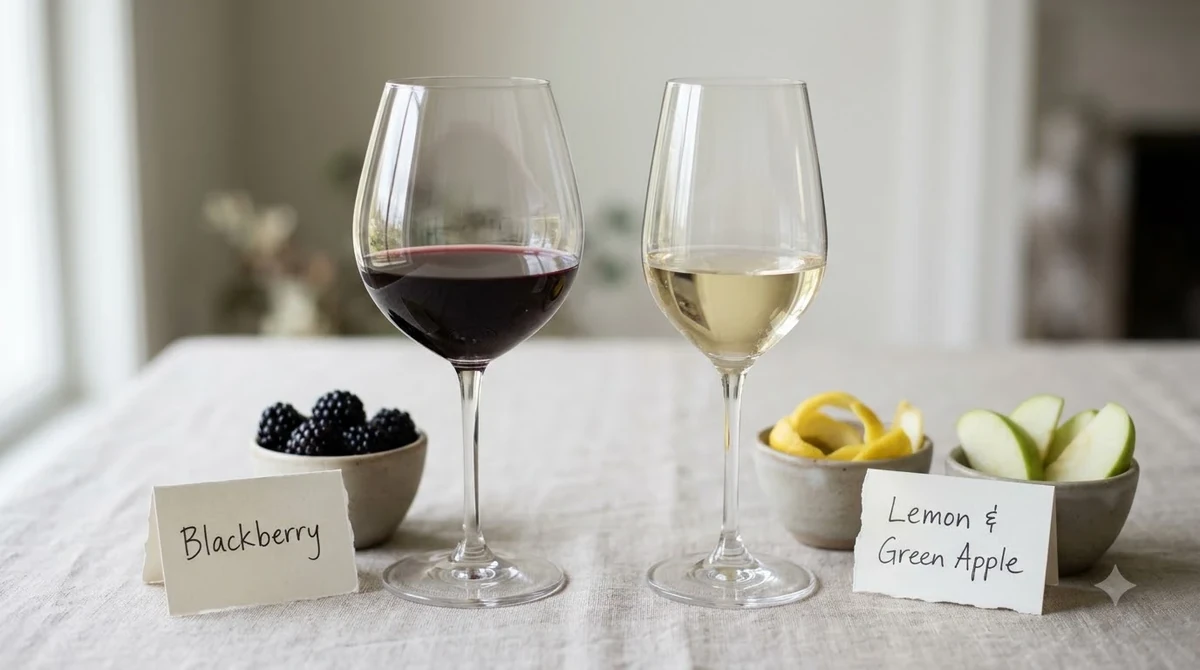
The wine suits people who regularly serve grilled beef, burgers, smoked meats, or richly seasoned dishes. The producer describes its style as both serious and playful, with ripe berry and plum aromas, chocolate-covered cherry flavors, and a subtle smoky quality. These characteristics give it enough personality for a weekend barbecue while keeping it approachable for a casual dinner.
It is also worth considering for households that want one red wine to accompany several different meals. A Cabernet Sauvignon can be more tannic and structured, while a lighter Pinot Noir may feel less substantial beside heavily seasoned barbecue. Conundrum Red occupies a different position: it combines dark fruit, rounded tannins, and a generous mouthfeel that can work across several hearty food styles.
Drinkers who are likely to enjoy it
- Fruit-forward wine fans: Expect ripe plum, blackberry, cherry, and dark chocolate rather than delicate floral or strongly herbal flavors.
- California red blend drinkers: The combination of three prominent dark grape varieties creates a broad flavor profile rather than a narrowly defined varietal expression.
- Barbecue enthusiasts: Its fruit concentration and rounded tannins complement grilled hamburgers, smoked meats, and barbecue sauces.
- Casual dinner hosts: It can accompany several substantial dishes without requiring a separate bottle for every course.
- People exploring blends: It provides an accessible introduction to wines that combine Zinfandel, Petite Sirah, and Cabernet Sauvignon.
However, Conundrum Red is not necessarily the right choice for every palate. People who prefer light-bodied reds, pronounced acidity, delicate red-fruit flavors, or very low alcohol may find its concentrated fruit and substantial structure a little too intense. Its relatively full-bodied character also makes it less suitable for delicate seafood dishes or lightly seasoned meals.
Anyone who enjoys comparing California blends can also explore Red Diamond or Apothic Red Wine. These provide useful alternatives for understanding how different producers approach fruit concentration, blending, and everyday red wine styles.
Key Factors to Compare Before Buying Conundrum Red
The most useful buying considerations are grape composition, sweetness, body, alcohol strength, and serving style. Conundrum Red uses three identified principal grape varieties, and its 2021 producer tasting notes describe a dry but rich style with both rounded and gripping tannins.
These characteristics matter because a fruit-forward wine can sometimes seem sweeter than it actually is. Dark plum, ripe cherry, and chocolate aromas create an impression of richness, but the producer specifically describes the 2021 blend as dry rather than sweet. Understanding the difference helps set realistic expectations before opening a bottle.
| Buying factor | Conundrum Red details | What it means |
|---|---|---|
| Wine category | California red blend | Combines several red grape varieties |
| Main grapes | 3 varieties | Zinfandel, Petite Sirah, Cabernet Sauvignon |
| Alcohol example | 14.6% ABV | Listed for the 2021 vintage by Wine.com |
| Bottle size example | 750 ml | Approximately 5 standard 5-ounce pours |
| Sweetness | Dry | Ripe fruit does not necessarily mean residual sweetness |
| Body | Full-bodied | Suitable for substantial dishes |
| Serving temperature | 60–65°F | A useful starting range for a full-bodied red |
| Opened bottle storage | 3–5 days refrigerated | Keep the wine sealed between pours |
The alcohol figure deserves particular attention because different vintages and retail listings can report different values. Wine.com lists the 2021 bottle at 14.6% ABV, while another retail listing reports 14.2%. A review of the 2020 vintage by Natalie MacLean also records 14% ABV. These figures illustrate why a specification for one vintage should not automatically be applied to every bottle.
Understanding the three principal grapes
Zinfandel contributes ripe berry flavors and a generous fruit character. In California red blends, it often brings notes associated with blackberry, raspberry, and spice. This helps explain the lively fruit profile that makes Conundrum Red attractive to drinkers who enjoy expressive reds.
Petite Sirah contributes deeper color, structure, and substantial tannin. It can provide a firm backbone beneath the softer impression created by ripe fruit. Its presence helps explain why Conundrum Red can feel substantial rather than simply juicy or easy-drinking.
Cabernet Sauvignon contributes structure and a darker fruit profile. Cabernet generally has high tannin, which can make a blend feel more substantial alongside grilled beef and other rich foods. In Conundrum Red, the producer describes the combined tannins as rounded by the ripeness of the berries.
The exact proportions of the three grapes are not provided in the producer’s published description. It is therefore better to understand the blend through its overall character than to assume a particular percentage of Zinfandel, Petite Sirah, or Cabernet Sauvignon.
Dryness versus fruit sweetness
One important distinction is the difference between perceived sweetness and actual wine sweetness. Conundrum Red can seem sweet-fruited because of its ripe plum, cherry, and chocolate-like flavors. However, the producer’s 2021 tasting notes explicitly describe the wine as rich but not sweet and dry yet rich.
This distinction is useful when shopping for people who enjoy bold fruit but do not want a dessert-style red. Its fruit concentration creates a generous impression, while its tannins provide a counterbalance. Drinkers who specifically want a noticeably sweet red should not assume that Conundrum Red will satisfy that preference.
For a closer look at the producer’s description, the official Conundrum wine portfolio and tasting descriptions provide the primary reference for the wine’s grape varieties, aromas, flavors, and suggested food matches.
Step-by-Step: How to Select and Serve Conundrum Red
Choosing a bottle involves more than recognizing the Conundrum name. Comparing the vintage, confirming the bottle format, considering the meal, and preparing the wine at an appropriate temperature will make the experience more predictable.
-
Identify the correct wine.
Look for Conundrum Red rather than Conundrum White or another expression in the producer’s portfolio. The red is a California blend built around Zinfandel, Petite Sirah, and Cabernet Sauvignon.
-
Compare the vintage.
Different vintages can vary in alcohol strength, balance, and detailed tasting characteristics. For example, Wine.com lists the 2021 vintage at 14.6% ABV. Treat this as a vintage-specific specification rather than a permanent figure for the entire range.
-
Choose the bottle format.
A standard 750 ml bottle provides approximately five 5-ounce servings. This is a practical format for two people sharing wine over dinner or a small gathering where several guests want a glass.
-
Plan the food pairing.
Consider grilled burgers, smoked beef, barbecue ribs, or a substantial Mexican meal. The producer specifically recommends Asian, Indian, and Mexican dishes alongside smoked meats and grilled hamburgers.
-
Prepare the serving temperature.
For a full-bodied red, 60–65°F is a useful serving range. Conundrum’s producer also recommends serving the wine slightly chilled to emphasize its fruit profile, so avoid leaving the bottle in a warm room for extended periods.
-
Open and evaluate the wine.
Pour a small amount and allow the aromas to develop in the glass. Look for dark fruit, cherry, cocoa, and smoky notes rather than expecting the delicate profile of a light-bodied red.
-
Adjust the serving approach.
If the wine feels particularly warm or alcohol-forward, a little additional chilling may help. If its flavors seem muted, allow the glass to warm gradually rather than immediately serving it colder.
There is no need to treat every bottle as a formal tasting exercise. The best way to understand this style is to compare its fruit, tannin, and finish while enjoying it with food. A simple burger dinner or a plate of grilled meat can reveal more about its practical character than a complicated pairing menu.
Tip: Start with Conundrum Red slightly cooler than typical room temperature. Pour it into a glass and let it warm naturally. This approach follows the producer’s chilled-serving suggestion while allowing the plum, cherry, cocoa, and smoky aromas to develop.
Conundrum Red Style and Flavor Explained
Conundrum Red belongs to the full-bodied California red blend category, combining ripe fruit, chocolate-like flavors, integrated wood, and noticeable tannin. The producer’s 2021 tasting notes describe a wine that is dry yet rich, with a texture that is both rounded and grippy.
Its flavor profile is more layered than a simple fruit-forward red. The aromas include chocolate brownie, cherry, barbecue, mesquite smoke, and leather, while the palate emphasizes dark chocolate, ripe plum, blackberry, and integrated wood.
Appearance and aromas
The wine is presented as a rich, dark red. Its dark-fruit identity is consistent with the producer’s description of blackberry, plum, and cherry characteristics. Such aromas are common reference points for drinkers who enjoy concentrated California red wines.
Chocolate is another prominent element. The official tasting descriptions mention cocoa and chocolate-covered cherries, while the 2021 notes specifically identify chocolate brownie aromas and dark chocolate on the palate. These characteristics make the wine a natural candidate for pairing with smoky grilled food and richly flavored meat dishes.
There is also a savory dimension. Mesquite smoke, barbecue, and leather give the aroma profile more complexity than fruit alone. This contrast is useful because it prevents the wine from being understood simply as a sweet-tasting berry drink.
Palate, tannins, and finish
Conundrum Red’s palate combines ripe dark fruit with a noticeable tannin structure. The producer describes the tannins as both round and grippy, an important distinction because smoothness does not mean the wine has no structure.
Rounded tannins help the wine feel approachable, while the grippy element gives it enough structure to accompany substantial food. This combination is particularly useful alongside beef, pork, smoked meats, and other dishes with pronounced savory flavors.
The finish continues the dark-fruit and chocolate theme, with smoky and spicy elements adding complexity. Rather than emphasizing sharp acidity or delicate floral notes, the wine focuses on texture, fruit concentration, and a lingering flavor profile.
How the grape varieties influence the style
Each of the three principal grape varieties contributes something different. Zinfandel supports the ripe berry character, Petite Sirah adds depth and tannin, and Cabernet Sauvignon contributes structure. Their combined effect produces a wine that is more substantial than a light red but less narrowly focused than a bottle made entirely from one grape.
It is useful to remember that blending allows winemakers to adjust the relationship between fruit, structure, and texture. The producer explains that Conundrum Red draws from California winegrowing regions rather than restricting the wine to a single growing area. This broad sourcing approach supports the exploration of different grape characteristics.
For readers exploring the wider category, the Wine Brands section provides a starting point for comparing producers, styles, and different approaches to blending.
Common Mistakes When Buying and Drinking Conundrum Red
The most common mistakes involve confusing fruit intensity with sweetness, serving the wine too warm, and expecting a light-bodied red wine experience. Understanding its three principal grapes and full-bodied character helps prevent these mismatched expectations.
Assuming rich fruit means a sweet wine
Conundrum Red has ripe fruit and chocolate-like flavors, but the producer describes its 2021 expression as dry. Blackberry, plum, and cherry aromas can create an impression of sweetness even when the wine itself is not sweet in the dessert-wine sense.
This matters when selecting a bottle for someone who dislikes sweet wines. It may suit a drinker who wants generous fruit without dessert-like sweetness, but it is not a substitute for a genuinely sweet red.
Serving it too warm
Red wine is often served too close to the temperature of a warm room. That can make a full-bodied wine feel heavier and cause alcohol aromas to become more prominent. Conundrum Red benefits from a cooler serving approach, particularly because its producer specifically recommends slightly chilled service.
A temperature around 60–65°F is a practical starting point for its full-bodied style. If the wine seems warm or overly alcoholic, modest additional chilling can help restore balance.
Pairing it with delicate food
Conundrum Red has enough body and tannin to overwhelm delicate dishes. Lightly prepared white fish, subtle vegetable dishes, and very mild salads may not provide enough flavor or texture to balance its concentration.
Another mistake is pairing it with extremely hot chili-heavy food without considering alcohol and tannin. Chili heat can feel more intense alongside higher-alcohol, tannic wines. If serving spicy Mexican or Indian food, consider the dish’s actual heat level and include enough richness or salt to soften the overall combination.
Expecting every vintage to taste identical
Vintage differences can affect alcohol strength, fruit expression, and the balance between tannin and acidity. Wine.com lists the 2021 vintage at 14.6% ABV, while Natalie MacLean’s review of the 2020 vintage lists 14% ABV. These figures show why it is unwise to assume that every vintage will have identical specifications.
Similarly, tasting descriptions should be understood as guides rather than a rigid checklist. One vintage may emphasize plum and cocoa, while another may reveal more cherry, spice, or smoke. The broad identity remains a California red blend, but its detailed expression can change.
Confusing smoothness with low tannin
Conundrum Red is described as smooth, but that does not mean it is a low-tannin wine. Petite Sirah and Cabernet Sauvignon contribute structure, while ripe fruit rounds the overall impression. A drinker accustomed to delicate Pinot Noir may still find this blend relatively firm and substantial.
Care, Storage, and Serving Tips for Conundrum Red
Proper storage protects the wine’s fruit and aromatic character, while appropriate serving temperature helps preserve its balance. Keep unopened bottles away from direct sunlight and excessive heat, ideally in a cool storage area near 55°F, and serve this full-bodied blend slightly cooler than a warm room.
Storing an unopened bottle
Temperature stability is more important than finding an elaborate storage arrangement. A cool, dark location near 55°F is a useful target for storing wine. Large temperature fluctuations can be harmful, so avoid keeping bottles beside ovens, radiators, sunny windows, or other sources of heat.
For bottles sealed with a traditional cork, horizontal storage helps maintain contact between the wine and the cork. This reduces the risk of the cork drying out during extended storage. If a bottle uses a screw cap, horizontal positioning is not essential for maintaining a cork seal, although a stable storage environment remains important.
Conundrum Red is generally better approached as a wine for enjoying rather than as a collectible bottle that requires years of cellaring. Its fruit-forward, approachable character makes it suitable for ordinary meals and social occasions.
Preparing the wine for service
Begin with a serving temperature around 60–65°F. If the bottle has been kept in a warm kitchen, a short period of chilling can help bring it into a more suitable range. The producer’s recommendation to serve the wine slightly chilled provides a useful alternative to the common habit of serving every red at room temperature.
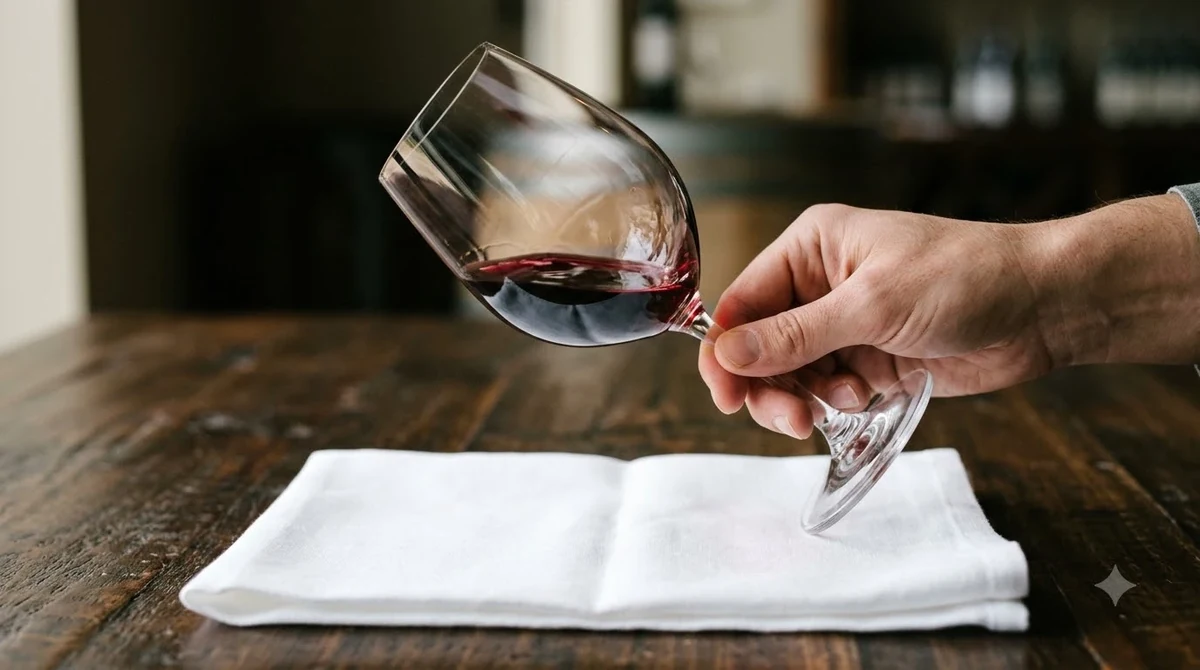
Use a standard red wine glass with enough space to swirl the wine. This allows the aromas of cherry, blackberry, cocoa, and smoke to become more noticeable. A 5-ounce pour is a practical serving size, and a 750 ml bottle provides approximately five such glasses.
Does Conundrum Red need decanting?
Decanting is not essential for every bottle. Young, full-bodied reds can benefit from approximately 30–60 minutes of aeration, particularly if their initial aromas seem closed or their tannins feel firm.
For Conundrum Red, begin by pouring a glass before deciding whether to decant. If the fruit and cocoa aromas are already expressive, there may be little reason to transfer the entire bottle. If the wine feels tight, a little additional air can help it open up.
Keeping an opened bottle fresh
After serving, close the bottle securely and refrigerate it. A typical opened still wine remains suitable for approximately 3–5 days under refrigeration, although its aromas and flavors can gradually decline during that period.
Allow a refrigerated serving to warm slightly before drinking. This is particularly useful for a full-bodied red because excessive cold can mute its fruit aromas and make the tannin structure seem more pronounced.
Food pairing suggestions
Food is an important part of understanding Conundrum Red. Its ripe fruit and rounded tannins give it a natural affinity for savory, grilled, and smoky dishes. The producer specifically recommends Asian, Indian, and Mexican cuisine, as well as smoked meats and grilled hamburgers.
- Grilled hamburgers: Beef fat and savory flavors complement the wine’s fruit and cocoa character.
- Barbecue ribs: Smoky seasoning and rich meat work well with the wine’s mesquite and dark-fruit notes.
- Smoked brisket: The meat’s deep savory flavor can stand up to the blend’s full body and tannin.
- Spaghetti Bolognese: The tomato, beef, and savory sauce provide a substantial match for a concentrated red.
- Mexican tacos: Grilled beef or pork fillings and moderately spicy seasonings suit the wine’s fruit-forward character.
- Indian curries: Richer, less intensely hot preparations can work particularly well with the wine’s dark fruit.
- Smoky grilled vegetables: Eggplant, peppers, and mushrooms can provide enough savory flavor to complement the wine.
Be cautious with very hot chili sauces. Alcohol and tannin can amplify chili heat, so milder seasoning, fatty accompaniments, and richer dishes generally provide a more comfortable match.
Frequently Asked Questions
Is Conundrum Red made entirely from California-grown grapes?
The producer describes Conundrum Red as being sourced from premier California winegrowing regions. Its blend draws on multiple growing areas rather than one narrowly defined vineyard location. The producer’s published description identifies the wine as a California red blend.
Does Conundrum Red use the same grape percentages in every vintage?
The producer does not publish fixed percentages for Zinfandel, Petite Sirah, and Cabernet Sauvignon in its general tasting description. Wine blending can change between vintages as winemakers work with different fruit characteristics. Therefore, an exact percentage breakdown should not be assumed from one vintage’s description.
Is Conundrum Red suitable for a screw-cap wine preference?
Wine.com identifies the 2021 Conundrum Red bottle in its listing as having a screw-cap closure. This can be convenient for casual dinners, outdoor meals, and occasions when a corkscrew is unavailable. Closure details should be treated as bottle-specific rather than assumed for every vintage or format.
Can Conundrum Red be used in a red wine reduction sauce?
Yes, a dry, full-bodied red blend can be used in a reduction for beef, lamb, or other savory dishes. Its dark-fruit and cocoa characteristics may contribute additional flavor as the liquid reduces. Use a small quantity and balance it with stock, herbs, and the other ingredients rather than relying on wine alone.
Is Conundrum Red associated with the Wagner family’s Caymus winemaking background?
Conundrum’s historical tasting notes connect the original inspiration for the brand to Charlie Wagner Sr., identified as a co-founder of Caymus Vineyards. The producer also identifies Charlie Wagner as the director of winemaking for Conundrum Red. This provides useful context for understanding the brand’s California winemaking background.
Conundrum Red is a compelling option for drinkers who enjoy rich California blends with ripe fruit, cocoa, rounded tannins, and a full-bodied finish. Its combination of Zinfandel, Petite Sirah, and Cabernet Sauvignon makes it particularly suitable for barbecue, grilled meats, and generously seasoned meals. Choose it if you appreciate dry but fruit-forward reds, serve it slightly chilled, and allow its smoky, dark-fruit character to complement the food on the table.
More in Wine Brands
 Underwood Wine Price: Compare Bottles, Cans, and Pack SizesUpdated Nov 21, 2026
 Zenato Wine Price: Compare Styles and Choose the Right BottleUpdated Nov 21, 2026
 Zuccardi Wine Price: Compare Bottles and Find the Right RangeUpdated Nov 21, 2026
 Yellow Tail Moscato Review: Taste, Sweetness and Serving TipsUpdated Nov 21, 2026
 Wolf Blass Yellow Label Review: Choose Your Best StyleUpdated Nov 21, 2026
 Wolffer Estate Rose Review: Choose the Right Bottle for Your TableUpdated Nov 21, 2026