

We may earn a commission when you buy through links on this page, at no extra cost to you. Learn more.
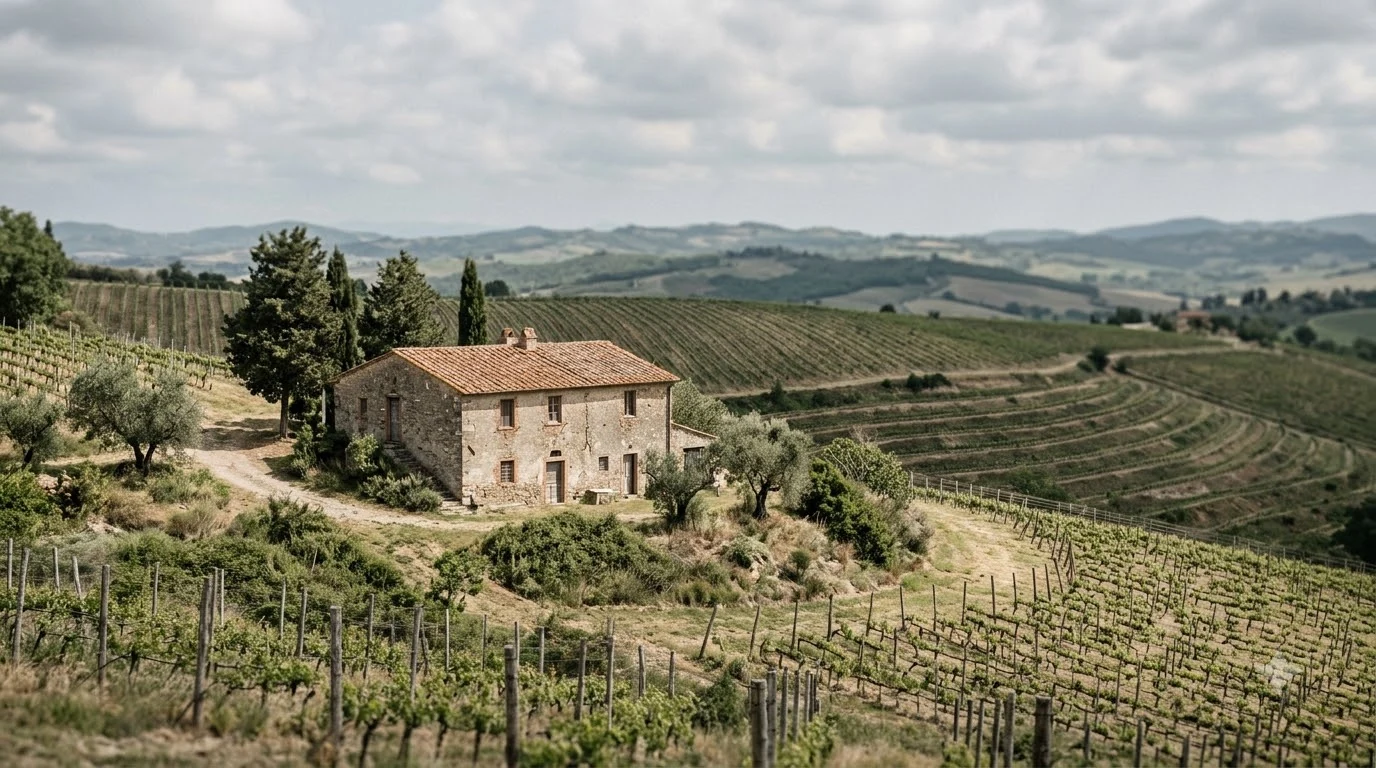
Columbia Valley wine tasting is easiest to plan around one or two sub-regions, advance reservations, and the late spring-to-fall season. The Columbia Valley is Washington State’s largest American Viticultural Area, and it holds about 99% of the state’s vineyard acreage. Because the appellation is so large, the strongest pours come from clusters such as Walla Walla, Red Mountain and the Richland area. This guide covers the climate and soils, the grapes to prioritize, how to build a route, and how to serve and store what you buy.
Washington is the second-largest wine producer in the United States, and almost all of its wine grapes grow east of the Cascade Mountains. The landscape is high desert rather than the rainy, green image many visitors expect. A Columbia Valley wine tasting trip lets you sample that terroir across a wide range of producers, from historic estates near Seattle to family wineries in the hills outside Walla Walla. Each section below covers one part of the planning so you can build a trip that fits your time and your palate.
What the Columbia Valley Covers
The Columbia Valley is the umbrella appellation for most of Washington’s wine, so it helps to understand its scale before you plan a route. Its boundaries are large enough that the name alone tells you little about any single glass.
Wine Enthusiast describes the region as spanning the central and southern parts of the state, and it is the largest AVA in Washington, covering nearly one-third of the state’s landmass. That size makes the region hard to generalize. A Riesling from one corner of the appellation can taste very different from a Cabernet grown in another corner, even though both carry the same regional name on the label.
Winetraveler reports that the valley contains 99% of the state’s vineyard acreage. It places Washington’s total at more than 55,000 acres of wine grapes, over 940 wineries and 14 AVAs, producing roughly 17.1 million cases a year. Those figures explain why the Columbia Valley name appears on so many bottles, including wines that name a smaller sub-region on the front label.
The smaller appellations inside the valley give it character. Walla Walla Valley, Yakima Valley and Red Mountain each shape wine differently, so a practical plan picks two or three of them instead of trying to cover the whole map in one trip. For a broader look at how Washington compares with other American routes, the Wine Regions guide is a helpful place to start before you choose your destinations.
How Climate, Soil and Water Shape the Wines
Warm days, sharp temperature swings and loess soils define the valley’s wines. Irrigation is what makes farming here possible at all, since rain is scarce across most of the appellation.
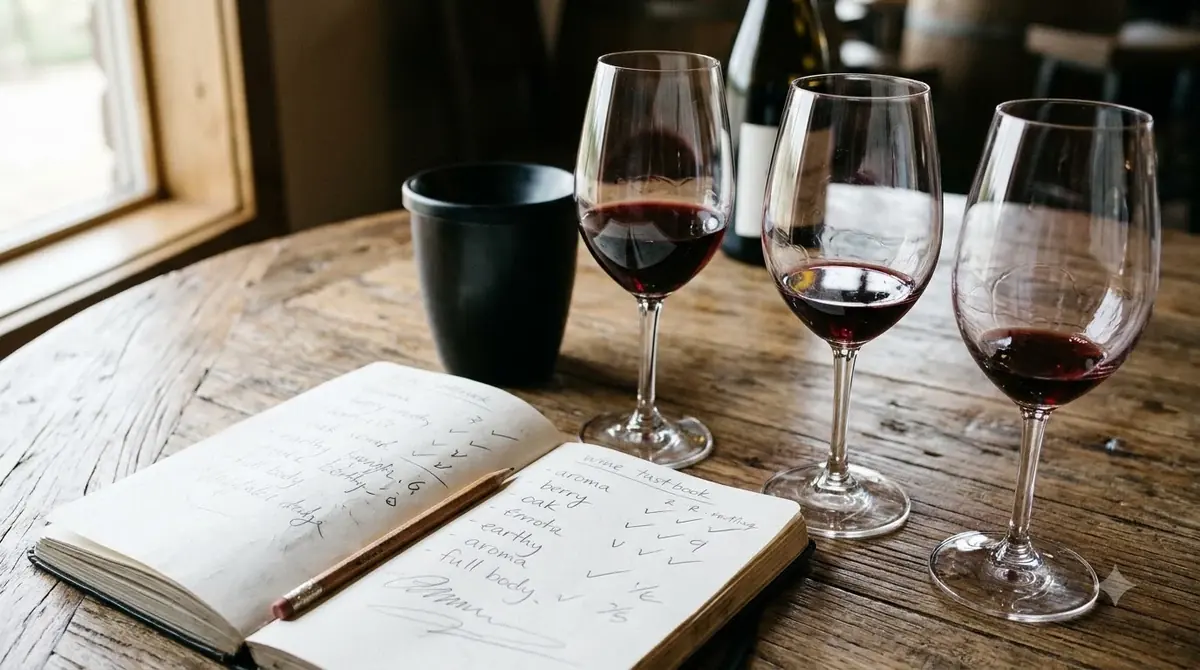
The Washington State Wine Commission describes some of the most dramatic daily temperature swings of any wine region in the world. Warm days ripen the fruit, while cool nights help the grapes hold on to acidity. The state’s northerly latitude also stretches the season, with up to 17 hours of sunlight a day in summer. The table below puts the main climate factors side by side.
| Factor | Typical figure | Why it matters |
|---|---|---|
| Day-to-night temperature swing | 35 to 47 degrees Fahrenheit | Helps the grapes keep their acidity |
| Summer daylight | Up to 17 hours a day | Drives ripe, plush fruit flavors |
| Annual rainfall | Up to nine inches | Makes irrigation essential |
| Share of Washington vineyard acreage | About 99% | Anchors the state’s wine identity |
| Top five varieties | Over 80% of production | Cabernet Sauvignon, Chardonnay, Merlot, Riesling and Syrah |
Rain is the main limit on farming in the valley. The Olympic and Cascade mountain ranges block wet weather systems, so the eastern side of the state receives far less rain than many other wine regions. Growers therefore irrigate most vineyards, which gives them a high degree of control over quality. The Columbia River, the fourth largest river by volume in the United States, helps supply that water along with its tributaries and local aquifers. The Commission’s overview of grapes, soil and sun explains the geology in more depth.
The soils are just as distinctive. Loess, a layer of wind-blown silt and sand, sits on top of Missoula Flood deposits left by ice-age floods. Those floods followed the failure of a dam about 1,200 feet high that held back a giant lake in what is now western Montana, roughly 15,000 years ago. Loess holds little water, which is why many eastern Washington vineyards grow cover crops to keep the topsoil from blowing away. The ground changes from one slope to the next, and that variation helps explain why the sub-regions taste different.
Grapes Worth Prioritizing on Your Route
Cabernet Sauvignon and Merlot lead the reds, Syrah is gaining ground, and Chardonnay and Riesling anchor the whites. Those five grapes are the backbone of most tasting menus you will see.
Wine Enthusiast identifies Chardonnay and Riesling as the main white varietals, and it names Cabernet Sauvignon and Merlot as the predominant reds. It also notes a recent increase in Syrah, particularly in the Walla Walla sub-region. The Commission adds that Cabernet Sauvignon, Chardonnay, Merlot, Riesling and Syrah make up over 80% of production each year, even though more than 80 varieties are planted across the state. A tasting menu built around those five grapes covers most of what you will pour.
Cabernet Sauvignon carries high tannin, so it benefits from food with fat and salt, which soften the tannin. A grilled ribeye or aged cheddar lets a full Cabernet show its structure without harshness. Merlot is the softer option, with medium tannin, and it suits roast chicken and mushroom dishes. Syrah carries medium-plus to high tannin, close to Cabernet, which makes it a strong partner for charred, fatty meats.
On the white side, Riesling has high acidity, so it handles acidic dishes such as lemon-herb chicken, ceviche or a vinaigrette-dressed salad better than most wines. Chardonnay has medium acidity and works best with creamy or buttery preparations rather than sharp citrus. Sweetness matters too: a sweet white should be at least as sweet as the dessert it accompanies, so an off-dry Riesling is a better match for fruit tart than a dry one.
Tip: Chili heat is amplified by alcohol and tannin, so skip high-alcohol reds with spicy food and order an off-dry Riesling instead. Oily fish such as salmon also clashes with big tannic reds, so a lighter white or a rosé is the safer pour.
Building a Route Through Walla Walla, Red Mountain and Richland
Walla Walla, Red Mountain and the Richland area each make a practical base for a day of tasting, and each rewards a different kind of visit. Plan your route around the sub-region whose wines you most want to compare.
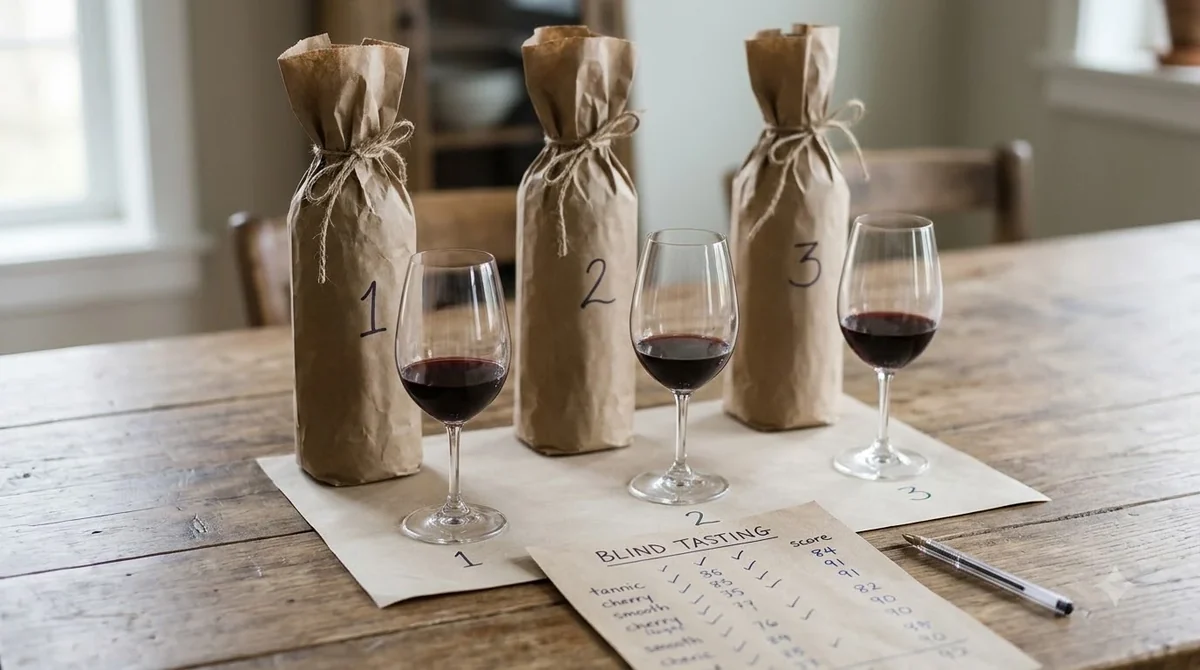
Walla Walla Valley is where Wine Enthusiast sees the valley’s Syrah momentum most clearly, and the sub-region is a natural focus for visitors who want red-focused tastings. Long Shadows Vintners, founded in 2002 by Allen Shoup on Frenchtown Road, is built around wines made by invited winemakers, each of whom creates a signature bottling. L’Ecole No. 41 occupies a schoolhouse that dates to 1915 in the community of Lowden, and it is known for Bordeaux-style reds and Semillon. Jean and Baker Ferguson founded the winery in 1983, and the historic building is part of the visit.
Red Mountain sits a short drive from the Tri-Cities, according to Winetraveler, and it is where many of the Columbia Valley’s most recognizable Bordeaux-style blends come from. Kiona Vineyards, founded in 1975 by John Williams, is the founding estate vineyard on Red Mountain, and it offers picnic options on the property. Col Solare grew out of a 1992 meeting between the Chateau Ste. Michelle chief executive and Piero Antinori, and its first vintage arrived in 1995. Hedges Family Estate focuses on Bordeaux-style blends made with sustainable farming practices. Frichette Winery shows how small some of these producers remain: its first vintage was just 650 cases, and it now produces about 1,400 cases, mostly dry reds. Back in the Richland area, Barnard Griffin, established in 1983, operates a facility with a tasting room and a full-service restaurant, which makes it a practical lunch stop.
If you are starting near Seattle, Woodinville is the easiest first stop. Chateau Ste. Michelle, founded in 1912, is the oldest winery in the state according to Winetraveler, and its chateau-style tasting room sits in grounds suited to a picnic. Many eastern Washington producers also keep satellite rooms in Woodinville, which can be confused with the vineyards themselves, so check where the wine was grown before you assume it came from the estate. Readers comparing this route with a California itinerary can also read the guide to Russian River Valley wine tasting for a contrasting style of trip.
Timing, Travel and Pacing Your Days
Late spring through fall is the most reliable window, and most visitors fly into the Tri-Cities Airport in Pasco. Plan the calendar around the weather and the harvest, then plan the route around the drive times.
Winetraveler points to June through August as the most reliable stretch for touring, when warm, dry high-desert weather and long days leave room for several tasting rooms. September and October bring harvest, which is the most vibrant season but also the busiest, especially at popular wineries. Winter is cold and quiet, so the valley is best saved for the warmer months.
The Tri-Cities Airport (TRI) in Pasco is the recommended arrival point. Winetraveler describes it as small and easy to manage, with connecting flights from major western hubs and rental cars available right at the airport. A broader road trip can start in Seattle, with a stop in Woodinville to taste before heading east into the countryside. The Winetraveler guide to Columbia Valley wineries lays out the regional tasting options in more detail.
Pacing matters more than most visitors expect, because wineries are spread across a large area and driving time adds up. Many tasting rooms require reservations for tastings and tours, so book the stops you care most about before you leave home. Winetraveler advises hiring a driver or designating a sober driver, and it recommends The Lodge at Columbia Point as a riverfront base with an on-site wine tasting room.
Serving Temperatures and Taking Bottles Home
Serving temperature changes how much fruit, acidity and tannin you notice, so matching the chill to the style makes the valley’s wines easier to read. Full reds and light reds need slightly cooler service than many visitors expect.
Full reds such as Cabernet Sauvignon and Syrah show best between 60 and 65 degrees Fahrenheit. Warmer than that, the alcohol tends to feel more prominent and the fruit can taste heavy. Light reds sit a little cooler, around 55 to 60 degrees. Whites and rosé run colder, and the table below gives the full range.
| Wine style | Serve at |
|---|---|
| Sparkling | 40 to 50 degrees F |
| Light whites and rosé | 45 to 50 degrees F |
| Sweet whites, including off-dry Riesling | 43 to 50 degrees F |
| Full whites, such as Chardonnay | 50 to 55 degrees F |
| Light reds | 55 to 60 degrees F |
| Full reds, including Cabernet Sauvignon and Syrah | 60 to 65 degrees F |
If you buy a young full red to open at home, decant it for 30 to 60 minutes before serving so the tannin softens and the aromas open. Sparkling wines from Brut Nature to Doux all serve in the same 40 to 50 degree range, but their sweetness changes what they pair with, so check the label before you buy.
Store bottles on their side in a cool place near 55 degrees. Once opened, sparkling wine keeps for one to three days in the fridge, most still wines last three to five days, fortified wines can last several weeks, and a bag-in-box stays good for four to six weeks. A standard 750 ml bottle pours about five 5-ounce glasses, which helps when you decide how many bottles to take home.
Tip: If a red arrives at the table warmer than 65 degrees, ask the pourer for a quick chill before you judge it. A few minutes in a cooler is often enough to show the fruit and acidity the winemaker intended.
Frequently Asked Questions
How many wineries should I visit in one day?
Winetraveler recommends visiting three to five wineries per day, which leaves time to enjoy each pour, tour a property and take a meal break. Group your stops by proximity so each leg of the day stays short.
How many days should I plan for a trip?
Winetraveler suggests at least two to three days if you focus on one area, such as Walla Walla or the Tri-Cities and Red Mountain. A longer trip makes it possible to combine two or more sub-regions or add a Woodinville stop near Seattle.
Is Woodinville a good option in winter?
Winetraveler notes that the Woodinville tasting-room hub stays accessible year-round for visitors based near Seattle. That makes it a dependable choice on winter trips, when some rural tasting rooms reduce their hours.
Which winery has the largest estate vineyard?
Winetraveler describes Goose Ridge Estate Winery in the Yakima Valley as running the largest contiguous estate vineyard in Washington State, with more than 2,000 acres. The family also produces about 40,000 cases a year under its own brands and helps make wine for other well-known Northwest labels.
What style is the valley best known for?
Wine Enthusiast credits the Merlot craze of the 1990s with sparking the valley’s growth. It says the lush texture and concentrated berry fruit of the reds have kept that success going, and it describes the wines as pairing Old World structure with approachable New World fruit.
Columbia Valley wine tasting rewards planning more than luck. Pick one or two sub-regions, reserve the stops you care most about, and let the valley’s warm days and cool nights guide which glasses you order next.
More in Wine Regions
 Willcox Wine Trail: Discover Arizona’s High-Elevation Wine CountryUpdated Nov 20, 2026
 Yakima Valley Wine Region: Find the Best Styles to TryUpdated Nov 20, 2026
 Vosne Romanee Wine Tasting: Identify Aromas and Choose Better PairingsUpdated Nov 20, 2026
 Yakima Valley Wine Festival: Find the Best Seasonal Wine EventsUpdated Nov 20, 2026
 Wales Vineyards: Discover Cool-Climate Wines and Where to VisitUpdated Nov 20, 2026
 Yountville Wine Festival: Discover Napa Wines and Local FoodUpdated Nov 20, 2026