

We may earn a commission when you buy through links on this page, at no extra cost to you. Learn more.
Colorado wine grapes include Cabernet Franc, Merlot, Syrah, Riesling, Viognier, Pinot Gris, and Pinot Noir, with each variety reflecting the state’s high-altitude growing conditions. Most vineyards are concentrated on the Western Slope, particularly in the Grand Valley and West Elks American Viticultural Areas (AVAs). Intense sunshine, cool nights, short growing seasons, and cold winter temperatures influence which grapes thrive and the styles of wine they produce. Understanding these varieties makes it easier to recognize what distinguishes Colorado wine from bottles produced in more familiar American wine regions.
Colorado may be famous for its Rocky Mountain scenery, but its vineyards offer another reason to explore the state. Winegrowers work with traditional European varieties alongside cold-hardy grapes and hybrids, adapting their vineyards to considerable differences in elevation and climate. From fruit-forward Merlot in the Grand Valley to aromatic Riesling in the higher West Elks vineyards, Colorado offers a varied selection of wines worth discovering. Here is what to know about the grapes, growing regions, and wine styles that define the state’s wine industry.
How Colorado’s High Elevation Shapes Wine Grapes
Colorado’s altitude creates a distinctive combination of intense sunlight, warm daytime temperatures, and cool nighttime conditions. These factors help explain why vineyards can produce ripe fruit while retaining the freshness and acidity that make balanced wines possible.
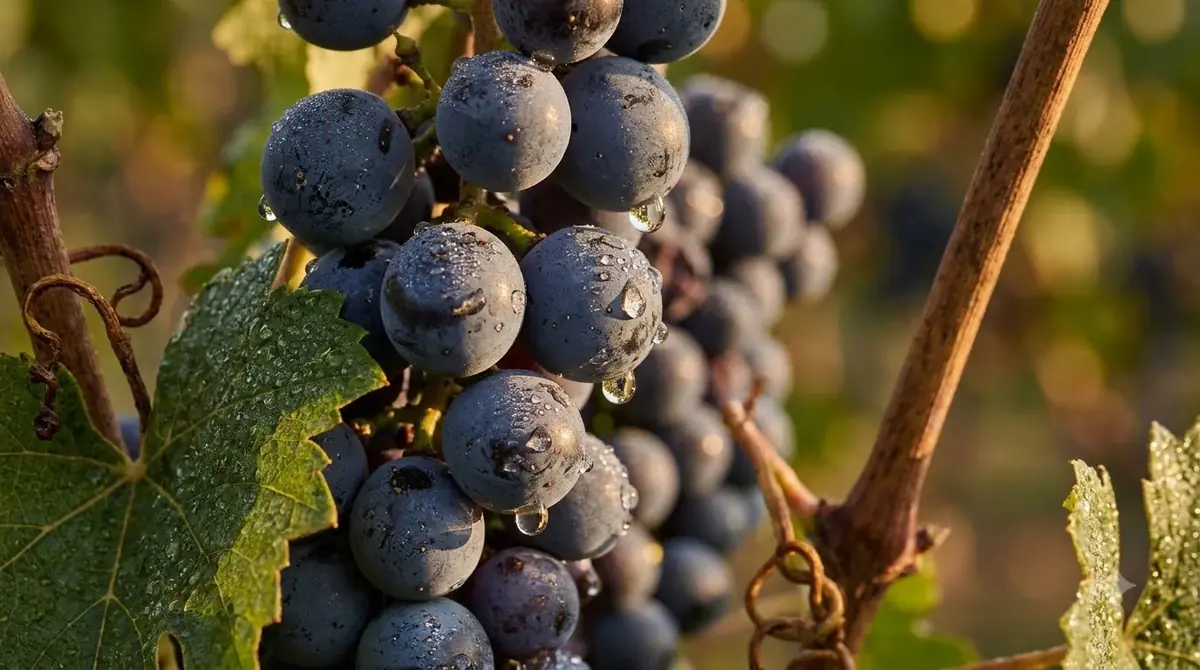
Many Colorado vineyards sit between 4,000 and 7,000 feet above sea level. According to the Colorado Association for Viticulture & Enology, the state’s vineyards are concentrated primarily on the Western Slope, where the Grand Valley and West Elks AVAs provide important growing environments. At these elevations, sunlight is particularly intense, while temperatures can fall considerably after sunset.
This difference between daytime and nighttime temperatures is known as diurnal temperature variation. During sunny afternoons, grape berries receive energy that supports sugar accumulation and phenolic development. Cooler nights slow certain ripening processes and help preserve acidity, which contributes to freshness in the finished wine. The resulting balance can be particularly attractive in aromatic white varieties and structured red wines.
However, altitude also creates serious agricultural challenges. Colorado’s growing season is relatively short, and sudden spring or fall freezes can damage vines or destroy developing fruit. Winter temperatures can threaten grapevines themselves, particularly varieties that are less tolerant of cold conditions. Growers must consider not only how quickly a grape ripens but also whether its buds, trunks, and permanent wood can survive the winter.
Low humidity and limited rainfall add another consideration. Irrigation is important in many vineyards, particularly in the arid Grand Valley. Water availability and water rights can influence vineyard management, while differences in soil composition, slope, and exposure create distinct growing conditions even within the same general area.
Colorado’s conditions also explain why grape selection matters so much. A variety that ripens successfully on a warmer valley floor may struggle at a higher elevation with a shorter growing season. Cabernet Franc and Syrah can perform well in suitable Western Slope sites, while Riesling and Pinot Gris are attractive choices for cooler locations.
These conditions are not exclusive to Colorado, but their combination gives the state a recognizable viticultural identity. Winegrowers must balance fruit maturity, acidity, frost exposure, and winter survival rather than simply selecting grapes based on their popularity elsewhere.
Grand Valley’s Leading Red and White Grape Varieties
Grand Valley is Colorado’s principal wine-growing area, with Merlot, Cabernet Franc, Riesling, Syrah, and Viognier among its important varieties. Its relatively warm valley floors and varied hillside sites allow growers to work with both Bordeaux and Rhône grapes alongside aromatic whites.
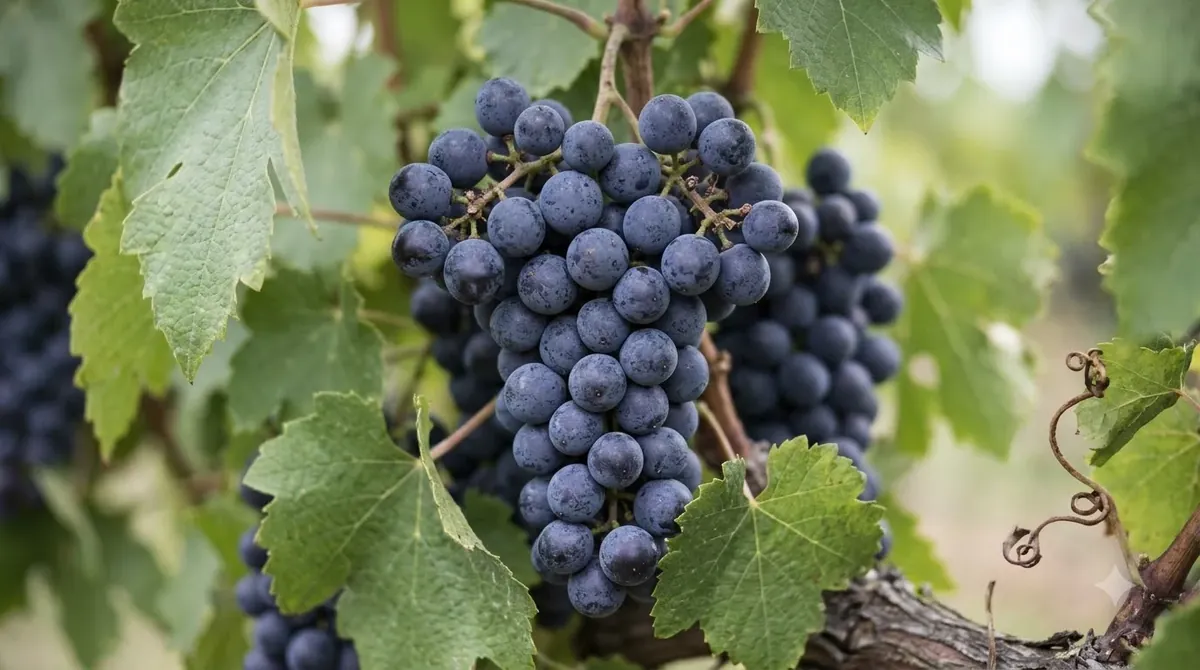
The Grand Valley AVA was established in 1991 and covers approximately 76,000 acres. Wine Enthusiast reports that the region has nearly 800 acres under vine and accounts for more than 80 percent of Colorado’s grape plantings. Its vineyards extend around Grand Junction and Palisade, where the Colorado River, surrounding mesas, and mountain influences help create a range of vineyard conditions.
Merlot
Merlot is one of Grand Valley’s leading red varieties. It generally produces medium-bodied wines with moderate tannin, rounded texture, and flavors of plum, cherry, blackberry, and sometimes cocoa or herbs. Colorado examples can combine ripe fruit with enough acidity to prevent the wine from feeling excessively heavy.
Merlot is also a useful introduction to Colorado red wine because its softer tannins make it approachable with food. Try it with grilled pork, roasted chicken, mushroom dishes, or a moderately seasoned burger. Its medium tannin structure also makes it more flexible at the dinner table than heavily structured Cabernet Sauvignon.
Cabernet Franc
Cabernet Franc is another important Grand Valley red grape and one of the varieties particularly associated with Colorado’s wine identity. It can develop cherry, raspberry, red currant, and herbal flavors, with refreshing acidity and medium to moderately firm tannins. Compared with many Cabernet Sauvignon wines, Cabernet Franc generally offers a lighter structure and a more pronounced aromatic character.
Wine Enthusiast notes that Grand Valley Cabernet Franc can show more cherry fruit and less graphite character than examples from some East Coast regions. This fruit-forward expression makes it particularly suitable for consumers interested in discovering how a familiar international grape responds to Colorado conditions.
Syrah
Syrah is a Rhône variety that performs well in appropriate Grand Valley sites. It typically produces medium-plus to high tannins, substantial color, and flavors of blackberry, blueberry, black pepper, violet, and savory herbs. Colorado’s warm daytime conditions can support ripeness, while cooler evenings help maintain freshness.
Depending on vineyard location and winemaking choices, Syrah can produce wines with a combination of ripe dark fruit and peppery savory notes. Pair it with grilled lamb, smoked meats, barbecue, or roasted eggplant. Its tannins also work well with dishes containing fat and protein.
Viognier
Viognier is an aromatic white grape particularly suited to warmer parts of Grand Valley. Its wines commonly show peach, apricot, citrus, honeysuckle, and floral aromas. Compared with Riesling or Sauvignon Blanc, Viognier generally has medium acidity and a broader, sometimes richer texture.
Its aromatic intensity makes it an interesting partner for roasted chicken, lightly spiced seafood, and dishes featuring apricots or peaches. Avoid serving it too cold, since excessive chilling can mute the floral and stone-fruit aromas that make the variety distinctive.
Riesling remains an important Grand Valley white grape, too. It can produce dry, off-dry, or sweeter wines with citrus, green apple, peach, and floral notes. Its naturally high acidity helps maintain balance even when some residual sugar remains.
West Elks Grapes for Cooler Mountain Conditions
West Elks is especially associated with cooler-climate grapes, including Riesling, Pinot Gris, Pinot Noir, and Chardonnay. Its higher vineyards and shorter growing season favor varieties that can develop appealing aromas and acidity without requiring the same warmth as later-ripening red grapes.
The West Elks AVA lies in western Colorado’s North Fork Valley, around communities such as Paonia and Hotchkiss. According to Decanter, vineyards in the area reach elevations of approximately 1,950 meters, or about 6,398 feet. This makes the region one of the country’s notable high-altitude wine-growing environments.
Riesling
Riesling is one of the most recognizable Colorado white grapes. It is especially valued for its naturally high acidity and ability to produce several different sweetness levels. A dry Riesling may feature lime, lemon, green apple, and mineral notes, while an off-dry example can show peach, apricot, and floral aromas.
West Elks conditions can help preserve the crisp acidity that makes Riesling so versatile. It works with grilled trout, pork, fresh cheeses, Asian-inspired dishes, and moderately spicy food. For consumers who enjoy wines with both fruit and freshness, Colorado Riesling is a particularly useful starting point.
Pinot Gris
Pinot Gris is another suitable choice for cooler Colorado vineyards. It generally produces medium-bodied white wines with pear, apple, lemon, and sometimes subtle spice or floral notes. Depending on ripeness and winemaking, the texture can range from light and crisp to relatively rounded.
Colorado Pinot Gris is worth exploring alongside dishes such as roast chicken, vegetable risotto, grilled shrimp, and fresh salads. Its moderate acidity and fruit character make it a flexible alternative to more intensely aromatic whites.
Pinot Noir
Pinot Noir is a demanding grape that requires careful site selection and vineyard management. It generally has low-to-medium tannin, high acidity, and flavors that can include red cherry, cranberry, raspberry, mushroom, and forest floor.
Cooler West Elks vineyards offer conditions that can suit Pinot Noir, although cold winters and the short growing season remain important challenges. The resulting wines can be lighter in structure than many Colorado Syrah or Merlot bottlings. Pair Pinot Noir with duck, roast chicken, salmon, or mushroom-based dishes.
Chardonnay
Chardonnay provides another option for Colorado white wine production. Its flavor depends considerably on vineyard conditions and cellar decisions. Unoaked versions can emphasize apple, pear, lemon, and fresh acidity, while wines aged in oak may show vanilla, toasted nuts, baking spice, and a fuller texture.
Chardonnay is also one of the three varieties identified for the Colorado Cru white blend initiative. Its versatility allows producers to work with different styles while maintaining a recognizable grape identity.
Cold-Hardy Hybrid Grapes and Less Familiar Colorado Varieties
Cold-hardy hybrid grapes give Colorado growers additional options where traditional European varieties face difficult winter conditions. Chambourcin, Traminette, Vidal Blanc, La Crescent, and Marquette demonstrate how the state’s wine industry combines established varieties with grapes selected for greater climatic adaptability.
Traditional wine grapes belong primarily to the species Vitis vinifera, which includes Cabernet Sauvignon, Merlot, Riesling, and Pinot Noir. Many cold-hardy hybrids combine genetic material from different grape species to offer improved resistance to cold or other growing challenges.
Chambourcin
Chambourcin is a red hybrid grape that can be useful in colder growing environments. It generally produces wines with dark berry, cherry, and earthy characteristics, although the precise style depends on ripeness and winemaking. Its suitability for cold-climate production makes it an interesting option for growers beyond Colorado’s warmest vineyard sites.
It also has an important role in the Colorado Cru initiative, which recognizes Chambourcin alongside Cabernet Franc and Syrah as a representative red blending variety. This recognition highlights the contribution of hybrids to the state’s broader wine identity.
Traminette
Traminette is an aromatic white hybrid with floral and spice characteristics. Its wines can show notes of lychee, rose, citrus, and tropical fruit. It is often appreciated for its expressive aromas and ability to produce flavorful whites in cooler growing conditions.
Traminette is one of the varieties selected for the Colorado Cru white blend initiative. Its aromatic profile can add complexity to blends alongside Riesling and Chardonnay.
Vidal Blanc
Vidal Blanc is another hybrid grape worth recognizing. It is used in different wine styles, including dry whites and sweeter wines, depending on the producer and growing conditions. Its relatively cold-hardy character makes it relevant to Colorado’s more challenging vineyard locations.
Wine Enthusiast reports that Colorado growers have experimented with Vidal Blanc both as a varietal wine and as a blending component. This flexibility is useful when producers want to explore grape varieties that may be more adaptable than some traditional European cultivars.
La Crescent and Marquette
La Crescent is an aromatic white hybrid that can offer citrus, tropical fruit, and floral notes. Marquette is a cold-hardy red hybrid that can produce dark fruit flavors, moderate tannins, and noticeable acidity. Both are included among the grape varieties featured in CAVE’s Colorado grape-growing resources.
These grapes are not necessarily as widespread as Merlot, Cabernet Franc, or Riesling. Nevertheless, they represent an important part of the state’s experimentation with varieties that can handle difficult winter conditions. They also provide opportunities for smaller vineyards outside the principal Western Slope growing areas.
Tip: When exploring Colorado wine, try one traditional European variety and one cold-hardy hybrid side by side. Comparing a Cabernet Franc with a Chambourcin, or a Riesling with a Traminette, offers a practical way to understand the differences in grape character and growing conditions.
Colorado Wine Grapes Compared by Style and Flavor
Colorado’s main grape varieties produce different combinations of acidity, tannin, body, and aroma. Knowing these characteristics helps you choose a bottle for a particular meal or occasion without needing to know every vineyard or producer.
The following table summarizes common grape characteristics and typical food pairings. These are general varietal tendencies rather than guarantees, since climate, ripeness, fermentation, oak treatment, and residual sugar can all influence the finished wine.
| Grape | Wine style | Typical structure | Common flavors | Food pairing |
|---|---|---|---|---|
| Merlot | Red | Medium tannin | Plum, cherry, blackberry | Roast pork, burgers |
| Cabernet Franc | Red | Medium tannin | Cherry, raspberry, herbs | Lamb, grilled vegetables |
| Syrah | Red | Medium-plus to high tannin | Blackberry, pepper, violet | Grilled beef, barbecue |
| Pinot Noir | Red | Low-medium tannin, high acidity | Cherry, cranberry, mushroom | Duck, salmon, poultry |
| Riesling | White | High acidity | Lime, apple, peach | Trout, spicy Asian dishes |
| Viognier | White | Medium acidity | Peach, apricot, flowers | Roast chicken, shrimp |
| Pinot Gris | White | Medium acidity | Pear, apple, citrus | Seafood, risotto |
| Chardonnay | White | Medium acidity | Apple, pear, citrus, vanilla | Chicken, creamy pasta |
| Traminette | White | Variable acidity | Floral notes, spice, citrus | Lightly spiced dishes |
| Chambourcin | Red | Variable tannin | Dark berries, cherry | Roasted meats, mushrooms |
For a straightforward introduction, Cabernet Franc and Merlot are useful red choices, while Riesling and Pinot Gris provide accessible white options. Syrah is a good selection for drinkers who prefer fuller reds, and Pinot Noir suits those who appreciate lighter-bodied wines with bright acidity.
Food pairing should account for the structure of the wine as well as its grape variety. High-acid Riesling works particularly well with acidic foods because the wine can maintain its freshness. Salt and fat soften the perception of tannin, making Merlot and Syrah useful with rich meat dishes. Sweet wines should generally be at least as sweet as the dessert they accompany.
Chili heat requires a little more care. Alcohol and tannin can amplify the sensation of heat, so a high-alcohol Syrah or structured Cabernet Franc may be less comfortable with very spicy food. An aromatic Riesling with some residual sugar is often a better choice.
How to Choose, Serve, and Store Colorado Wines
The best way to explore Colorado wine is to start with a few recognizable grapes and compare how different producers express them. Serving temperature, glassware, and food pairing can also make a noticeable difference when evaluating the wines.
For a first tasting, choose a Riesling, a Cabernet Franc, and a Merlot. This selection gives you three different expressions of Colorado viticulture: an aromatic white, a structured but relatively fresh red, and a softer red with medium tannins. Adding a Syrah or Pinot Noir provides a useful comparison of red-wine body and structure.
Recommended serving temperatures
Temperature influences how aromas, acidity, tannins, and alcohol are perceived. Serving a wine too warm can make alcohol seem more prominent, while excessive chilling can mute fruit aromas and make tannins seem firmer.
Use these general serving temperatures as a starting point:
- Light-bodied whites and rosé: 45–50°F.
- Full-bodied whites such as richer Chardonnay: 50–55°F.
- Light reds such as Pinot Noir: 55–60°F.
- Full-bodied reds such as Syrah: 60–65°F.
- Sweet white wines: 43–50°F.
Riesling and Pinot Gris generally benefit from cooler serving temperatures, while Chardonnay can be served slightly warmer to reveal its texture and aromas. Cabernet Franc and Merlot are best served somewhat cooler than typical room temperature.
Decanting and pouring
Young, full-bodied red wines such as Syrah can benefit from 30–60 minutes of decanting before serving. This gives the wine time to interact with oxygen and may help soften the initial impression of tannin. Lighter Pinot Noir and many aromatic whites usually do not require decanting.
A standard wine pour is approximately 5 ounces. A 750-milliliter bottle therefore provides about five standard glasses. For a comparative tasting involving three or four Colorado grape varieties, smaller pours allow everyone to evaluate the wines without opening excessive bottles.
Storage after opening
Keep opened still wines refrigerated, including red wines. A useful general guideline is three to five days for opened still wines, although freshness depends on the wine’s age, storage conditions, and exposure to oxygen.
For unopened bottles, a cool, dark storage area near 55°F is a useful target. Bottles with traditional cork closures are generally stored on their sides to help keep the cork from drying out. Avoid locations with strong temperature fluctuations, direct sunlight, or frequent vibration.
For a broader introduction to regional wine differences, explore our guide to Wine Regions. Understanding the relationship between climate, soil, elevation, and grape selection makes it easier to recognize why Colorado wines can taste different from those produced in California, Texas, or Europe.
Where Colorado’s Wine Grapes Are Grown and How to Explore Them
The Grand Valley and West Elks AVAs are the best-known places to begin exploring Colorado-grown grapes. Their different elevations and growing conditions provide an opportunity to compare warmer-site Rhône and Bordeaux varieties with cooler-climate whites and reds.
Grand Valley centers on the communities of Grand Junction and Palisade. Its vineyards grow Merlot, Cabernet Franc, Syrah, Viognier, and Riesling, among other varieties. The combination of warmer valley floors, surrounding mesas, and irrigation-supported agriculture makes the area particularly important to the state’s wine production.
Palisade is an especially useful starting point for wine enthusiasts because it provides access to wineries, tasting rooms, and vineyards in the surrounding area. Producers work with both familiar international grapes and less common varieties, giving visitors an opportunity to compare different expressions of the region.
West Elks, meanwhile, offers a different growing environment. Its North Fork Valley vineyards near Paonia and Hotchkiss sit at higher elevations and support varieties such as Riesling, Pinot Gris, Pinot Noir, and Chardonnay. The cooler conditions provide an interesting contrast with Grand Valley’s warmer growing sites.
Decanter’s Colorado wine travel guide discusses the state’s two principal AVAs, their grape varieties, and several producers associated with each region. It is a helpful starting point for understanding the relationship between vineyard geography and the wines available to visitors.
Colorado also has vineyards beyond these two established AVAs. Some producers operate along the Front Range and in other parts of the state, where local climate conditions may favor cold-hardy hybrids over more traditional European varieties. These smaller growing areas contribute to the diversity of the state’s wine production.
When comparing bottles, pay attention to the grape variety, growing region, and blend composition. A Cabernet Franc from Grand Valley may emphasize cherry and red-fruit flavors, while a West Elks Riesling can offer a different balance of citrus, stone fruit, and acidity. These differences are more informative than assuming every Colorado wine follows one statewide style.
For readers interested in other emerging American wine-growing areas, our articles on Texas wine grapes and the Colorado wine region offer additional context. Colorado’s altitude and winter temperatures create a distinctive set of growing challenges, while Texas has its own combination of regional climates and grape varieties.
It is also useful to look beyond familiar European grapes when exploring the state’s wines. A tasting that includes Cabernet Franc, Riesling, Chambourcin, and Traminette offers a more complete picture of Colorado’s approach to grape growing than a selection based exclusively on Cabernet Sauvignon and Chardonnay.
Ultimately, Colorado is best understood as a diverse collection of vineyard environments rather than a single uniform wine region. The Grand Valley and West Elks provide a strong foundation, while cold-hardy varieties and experimental plantings continue to broaden the state’s range of wine styles.
Frequently Asked Questions
Are Colorado wine grapes grown organically?
Some Colorado vineyards use organic or sustainable farming practices, but the state’s grapes are not all certified organic. Organic certification requires compliance with specific agricultural standards, and individual vineyard practices vary. Consumers interested in certified organic wine should look for the appropriate certification on the bottle or producer information.
Does Colorado grow grapes for sparkling wine?
Yes. Colorado producers can use grapes such as Chardonnay and Pinot Noir for traditional-method sparkling wines, while other producers experiment with aromatic hybrids. The cool growing conditions of suitable vineyard sites can help preserve the acidity needed for sparkling wine production. Production methods and grape selections vary by winery.
Can Colorado grapes produce naturally sweet wine?
Yes. Riesling and some aromatic hybrid varieties can be made with residual sugar, creating off-dry or sweeter wines. Sweetness can also be adjusted through winemaking decisions rather than being determined solely by the grape. The important distinction is between naturally occurring grape sugar before fermentation and residual sugar remaining in the finished wine.
What is the difference between a Colorado AVA and a vineyard?
An American Viticultural Area is a federally recognized grape-growing region defined by geographic characteristics, while a vineyard is a specific agricultural property where grapevines are cultivated. Grand Valley covers approximately 76,000 acres, but only a portion of that land is planted with wine grapes. A single AVA can therefore contain many individual vineyards and wineries.
Are Colorado wine grapes used in wines sold outside the state?
Yes. Colorado-grown grapes can be used in wines distributed beyond Colorado, depending on the producer’s distribution arrangements and production volumes. Wines made with Colorado grapes may also be sold directly through winery tasting rooms and online channels where permitted. A Colorado-grown designation identifies the agricultural origin of the grapes rather than simply the location where the wine was bottled.
Colorado’s wine industry offers much more than one signature grape or wine style. From Grand Valley Cabernet Franc and Syrah to West Elks Riesling and Pinot Noir, the state’s varied elevations create opportunities for a broad range of wines. Start by comparing these varieties side by side, and you will gain a clearer appreciation of how Colorado’s distinctive climate shapes American wine.
More in Wine Regions
 Willcox Wine Trail: Discover Arizona’s High-Elevation Wine CountryUpdated Nov 20, 2026
 Yakima Valley Wine Region: Find the Best Styles to TryUpdated Nov 20, 2026
 Vosne Romanee Wine Tasting: Identify Aromas and Choose Better PairingsUpdated Nov 20, 2026
 Yakima Valley Wine Festival: Find the Best Seasonal Wine EventsUpdated Nov 20, 2026
 Wales Vineyards: Discover Cool-Climate Wines and Where to VisitUpdated Nov 20, 2026
 Yountville Wine Festival: Discover Napa Wines and Local FoodUpdated Nov 20, 2026