

We may earn a commission when you buy through links on this page, at no extra cost to you. Learn more.
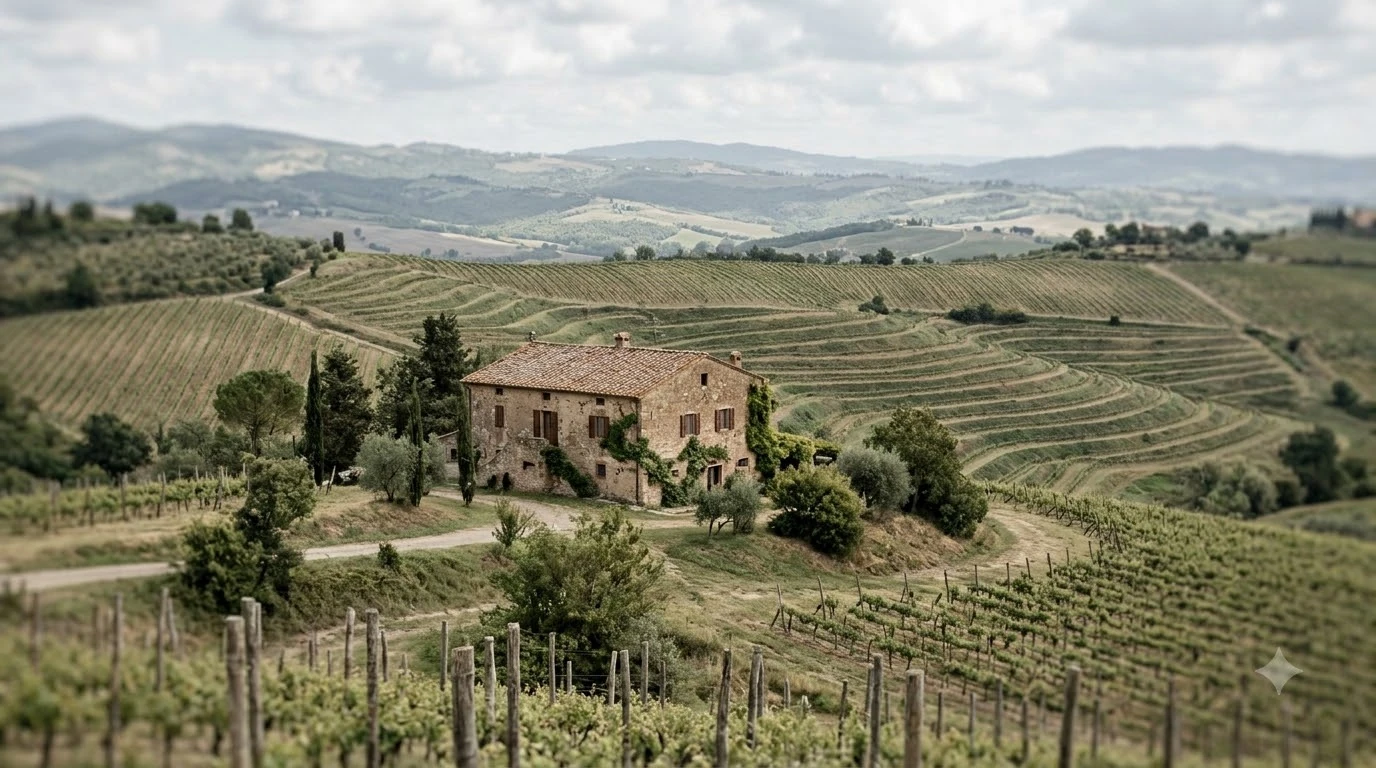
The Cognac wine region is in southwestern France, where six distinctive vineyard crus produce the white wines that are distilled and aged into authentic Cognac brandy. Located mainly in Charente and Charente-Maritime, this protected appellation also extends into parts of Dordogne and Deux-Sèvres. Its vineyards are planted predominantly with Ugni Blanc, a naturally acidic white grape particularly suited to traditional double distillation. Understanding the region’s geography, soils, grapes, and production traditions explains why Cognac has such a recognizable identity.
Cognac is widely recognized as a French spirit, but its identity begins in the vineyard. Before it becomes an amber-colored eau-de-vie, it starts as a relatively light, acidic white wine made from approved grape varieties. The vineyards, local climate, and differences between growing areas all influence the character of the finished spirit. For wine enthusiasts, exploring Cognac means understanding an important connection between French viticulture and traditional brandy production.
Where Is the Cognac Wine Region Located?
The Cognac wine region occupies southwestern France, north of Bordeaux and inland from the Atlantic coast. Its vineyards extend across two principal departments, Charente and Charente-Maritime, with smaller sections in Dordogne and Deux-Sèvres.
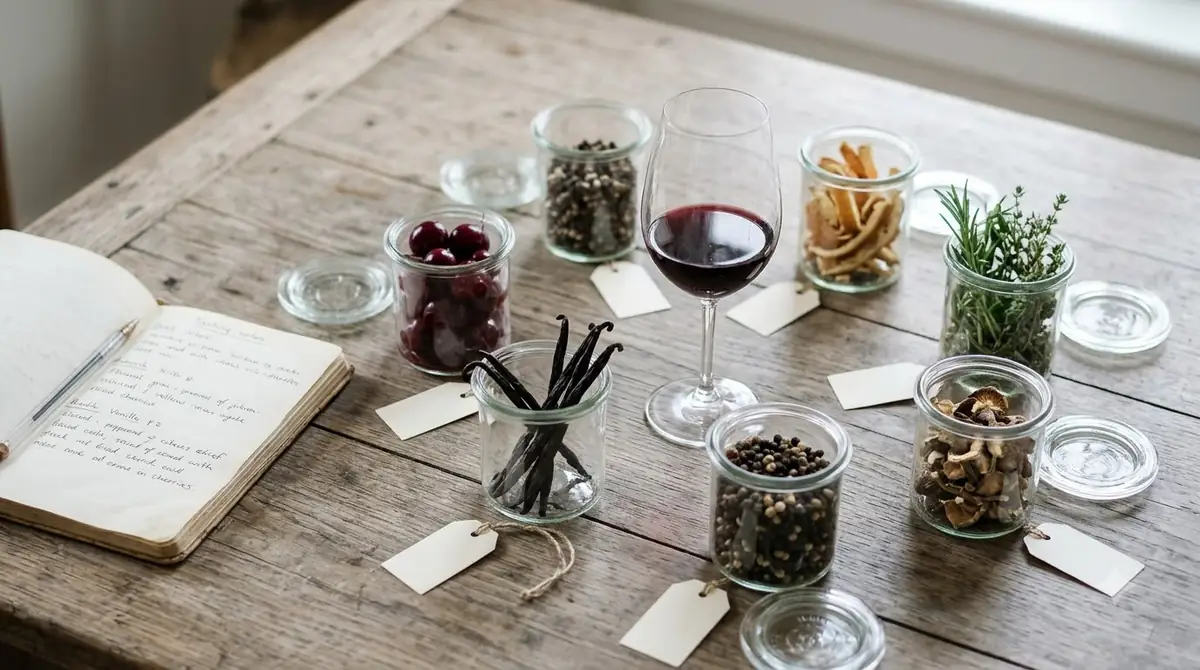
The town of Cognac, situated along the Charente River, is the best-known geographical reference point. Other important places include Jarnac, Segonzac, and Angoulême. These communities sit within a wider agricultural landscape of vineyards, fields, villages, and historic distilleries. The Charente River has played an important role in the area’s commercial history, helping connect inland producers with trading routes and Atlantic ports.
The appellation boundaries are important because Cognac is not simply a generic name for grape brandy made in France. The protected designation applies to spirits produced within a legally defined geographical area using approved grapes and production methods. A brandy made elsewhere, even if it follows a similar recipe, cannot legally use the Cognac appellation.
The region also forms part of a larger western French wine landscape. Bordeaux lies to the south, while the Atlantic-influenced vineyards of the Charente area extend toward La Rochelle. Its position gives the region a mixture of maritime influences and inland agricultural characteristics.
According to Cognac Tourism, the vineyard area is divided into six crus, each representing a distinct geographical growing area. These divisions are useful for understanding how local conditions influence the resulting wine spirits. They also provide a framework for exploring producers and vineyard landscapes.
For readers comparing French wine-producing areas, the Wine Regions directory provides a broader introduction to how geography and appellation rules shape regional wine identities. Cognac is an especially interesting example because its vineyards primarily supply wine for distillation rather than conventional bottled table wine.
The Six Cognac Crus and Their Distinctive Characteristics
The six Cognac crus are Grande Champagne, Petite Champagne, Borderies, Fins Bois, Bons Bois, and Bois Ordinaires. Their differences in soil, location, and climate contribute to the distinctive aromas, structure, and maturation patterns of their eaux-de-vie.
According to the Cognac region’s official production and terroir overview, the six growing areas have different soils and subsoils that influence the character of their spirits.
The classifications were developed through geographical and geological studies. Geologist Henri Coquand studied local soils during the 19th century, helping establish the foundation for the regional divisions. The present cru boundaries were formalized through official regulations in 1938.
The six areas are not separate grape varieties or different production methods. They are geographical subdivisions within the Cognac appellation. Producers can use eaux-de-vie from one cru or combine spirits from several areas to achieve a particular house style.
| Cru | Geographical character | Typical spirit profile |
|---|---|---|
| Grande Champagne | Chalk-rich soils south of the Charente | Floral, refined, slow-maturing |
| Petite Champagne | Chalk-rich surroundings of Grande Champagne | Floral, lightly fruity |
| Borderies | Small area north of the Charente | Rounded, aromatic, violet-like |
| Fins Bois | Extensive clay-limestone landscapes | Fruity, supple, relatively quick-maturing |
| Bons Bois | Mixed soils and varied growing conditions | Fruity, varied in style |
| Bois Ordinaires | Coastal areas and nearby islands | Fruity, Atlantic-influenced |
Grande Champagne is often regarded as one of the most prestigious growing areas. Its chalk-rich soils are associated with eaux-de-vie that have considerable finesse, floral aromas, and the ability to benefit from extended oak maturation. The area lies south of the Charente River, with Segonzac serving as an important geographical reference.
Petite Champagne surrounds much of Grande Champagne. Its soils also contain substantial chalk, although the geological and climatic conditions differ in detail. Spirits from this cru are often floral and lightly fruity. They can provide an appealing complement to Grande Champagne eaux-de-vie in blended Cognacs.
Borderies is the smallest of the six crus. Its distinctive clay and silica-rich soils contribute to rounded, aromatic spirits commonly associated with violet-like aromas. Its location north of the Charente makes it an interesting contrast to the chalkier Champagne areas.
Fins Bois is the largest cru. Its vineyards cover extensive clay-limestone terrain and produce eaux-de-vie with fruity aromas, supple textures, and relatively quick maturation. These characteristics make Fins Bois an important source of blending material for Cognac houses.
Bons Bois surrounds much of the central growing area and contains a mixture of geological conditions. Its spirits can vary considerably according to location and vineyard conditions. Producers may use them to add fruit character and other regional nuances to blends.
Bois Ordinaires, also known as Bois à Terroirs, includes coastal vineyards and areas around the islands of Ré and Oléron. Sandy soils and direct Atlantic influence distinguish this outermost growing area from the inland crus.
The six-cru system is particularly useful when comparing Cognac labels. However, the geographical designation does not automatically determine overall quality. Distillation choices, barrel selection, cellar conditions, and blending decisions also have a substantial influence on the finished spirit.
Grape Varieties That Define Cognac Production
Ugni Blanc dominates Cognac vineyards, accounting for more than 98% of plantings. Its high acidity, relatively low sugar levels, and neutral flavor profile make it particularly suitable for producing the base wine used in traditional Cognac distillation.
Ugni Blanc originated in Tuscany, Italy, where it is also known as Trebbiano. In southwestern France, it became the leading Cognac grape because it produces reliable crops and retains useful acidity. Its wines are generally light and relatively neutral, providing a suitable foundation for distillation rather than relying on powerful primary fruit flavors.
According to Decanter’s guide to Cognac production and grape varieties, Ugni Blanc typically produces a wine with approximately 8-9% alcohol by volume. That relatively low alcohol level is appropriate for the production process because distillation concentrates the aromatic compounds and alcohol into a much stronger spirit.
The other authorized varieties add further possibilities for growers and distillers. These include Folle Blanche, Colombard, Montils, Sémillon, and Folignan. Although they occupy much smaller vineyard areas, their different ripening patterns and aromatic characteristics can influence the resulting eau-de-vie.
Folle Blanche
Folle Blanche was historically an important Cognac grape. It is known for producing aromatic, balanced spirits, but its susceptibility to disease after grafting contributed to its decline following the phylloxera crisis. Today, it represents less than 1% of Cognac vineyard plantings.
Colombard
Colombard is another traditional white grape from the Charente area. It retains high acidity and relatively low sugar levels, making it suitable for distillation wine. Its stronger aromatic expression can provide additional character when blended with Ugni Blanc-based eaux-de-vie.
Montils, Sémillon, and Folignan
Montils is primarily associated with Pineau des Charentes production, although it can also contribute to Cognac. Sémillon is an authorized variety with a longer history in French white winemaking. Folignan is a more recent crossing of Ugni Blanc and Folle Blanche, selected for its aromatic qualities.
Folignan was officially incorporated into the Cognac appellation rules in 2005, with a maximum permitted proportion of 10%. Its floral characteristics, including rose and lilac associations, provide another option for producers seeking variation in their distillation wines.
These grapes illustrate an important point about Cognac: the region’s wine is deliberately different from the rich, highly aromatic white wines that consumers may associate with other French appellations. Its principal purpose is to provide an appropriate raw material for distillation and oak aging.
Climate and Soils That Shape the Cognac Vineyard
Cognac has a temperate oceanic climate influenced by the nearby Atlantic Ocean. Relatively mild winters, regular rainfall, and moderate growing conditions help maintain the acidity that makes local white grapes suitable for distillation.
The Atlantic influence is particularly important because the region does not experience the same consistently dry conditions found in some Mediterranean wine areas. Rain can occur throughout the year, although winter generally receives more precipitation. The average annual temperature is approximately 13°C, according to the geographical description published in European Union documentation.
The Charente River and its tributaries also contribute to the region’s agricultural landscape. Vineyards occupy a mixture of plains and gently rolling terrain, with differences in elevation, exposure, and soil composition across the six crus.
Chalk and Limestone in the Champagne Crus
Grande Champagne and Petite Champagne are particularly associated with chalk-rich soils. These geological formations help explain the reputation of their eaux-de-vie for elegance, floral character, and extended maturation potential.
The soil structure also influences how vineyards manage water. Different layers of limestone, clay, and chalk affect drainage and moisture availability. These differences matter during dry periods and influence vine development throughout the growing season.
Clay and Sandy Soils Elsewhere
Borderies contains distinctive clay and silica-rich soils, including flint-bearing formations. These conditions are associated with the rounded aromatic profile of its spirits. Fins Bois, meanwhile, includes substantial clay-limestone terrain, producing a broad range of fruity eaux-de-vie.
Farther toward the coast, Bons Bois and Bois Ordinaires contain more varied and sandy soil types. The Atlantic influence becomes increasingly important in the outermost growing areas, particularly on Île de Ré and Île d’Oléron.
The differences between these soils demonstrate why geographical origin matters even when most of the vineyards share the same dominant grape variety. Ugni Blanc provides a common foundation, while the growing environment contributes regional distinctions.
Tip: When comparing Cognac from different crus, begin with the geographical origin rather than assuming that a higher age category automatically means a more interesting style. Grande Champagne, Borderies, and Fins Bois offer useful contrasts in floral character, aromatic intensity, and maturation tendencies.
How Cognac Wine Becomes a French Brandy
Cognac production begins with white wine and follows a regulated sequence of harvesting, fermentation, double distillation, oak maturation, and often blending. Each stage contributes to the final spirit’s character and ensures that the protected appellation represents a specific regional tradition.
The harvest generally begins around mid-September and finishes around mid-October. Producers harvest the grapes mechanically or by hand, depending on their vineyards and production preferences. The fruit is pressed soon after picking to obtain juice for fermentation.
Fermentation and Base Wine
The extracted grape juice ferments into a relatively light white wine. The wine intended for Cognac distillation generally reaches approximately 9% potential alcohol by volume and retains high natural acidity.
This wine is not designed to be an elaborate finished drinking wine. Its role is to preserve the grapes’ useful aromatic components and provide the correct foundation for distillation. The production rules described by the BNIC prohibit adding sugar and sulfites during fermentation.
Charentais Double Distillation
The fermented wine is distilled twice using traditional Charentais copper pot stills. The first distillation produces a liquid known as brouillis, which is then distilled again to produce the new wine spirit.
During the second distillation, the distiller carefully separates the desired middle portion from the less suitable beginning and end fractions. This process requires considerable experience because the timing of the cuts influences the final aromatic profile.
Distillation must be completed by March 31 of the year following the harvest. This requirement keeps production closely connected to the agricultural cycle and the characteristics of the latest grape crop.
Oak Barrel Aging
After distillation, the new eau-de-vie enters oak barrels, where it develops color, aroma, and texture. Cognac must mature in oak for at least two years before it can be sold under the appellation.
During maturation, the clear spirit gradually develops its familiar amber appearance. Contact with wood contributes notes associated with vanilla, spice, toasted oak, and dried fruit. Longer aging can produce greater aromatic complexity and the distinctive character known as rancio.
Rancio is particularly associated with mature Cognac. It can include impressions of mushrooms, autumn forest floor, and walnut oil. These complex characteristics develop gradually and depend on the spirit’s origin, barrel conditions, and cellar management.
Blending and Bottling
Many Cognacs are blends of eaux-de-vie from different crus and ages. The cellar master selects and combines individual components to create a consistent house style or a particular expression.
Blending is not mandatory for every Cognac. Single-cru and other more specific geographical expressions are also possible. However, combining different spirits remains an important tradition among established Cognac producers.
One important distinction from wine is that Cognac does not continue aging in the bottle. Its maturation takes place in oak before bottling, and its age classification reflects the youngest eau-de-vie in the blend rather than the average age of all components.
Other Wines and Appellations in the Cognac Region
The Cognac vineyard landscape produces more than the famous grape spirit. The same broad geographical area also supports Pineau des Charentes and IGP Charentais wines, providing wine enthusiasts with additional ways to understand the region’s grapes and agricultural traditions.
Pineau des Charentes is a regional fortified wine made by combining fresh grape must with Cognac eau-de-vie. The addition of spirit stops fermentation and preserves much of the grape juice’s natural sweetness. Depending on the grape varieties and production style, Pineau can be white, rosé, or red.
White Pineau commonly features grapes such as Ugni Blanc, Colombard, and Montils. Red and rosé examples use authorized red varieties. The result is a very different drinking experience from dry Cognac: it is a fortified wine with a sweeter, fruit-focused profile.
IGP Charentais wines represent another part of the area’s viticultural identity. These wines are made for direct consumption rather than being destined exclusively for distillation. Both white and red styles are produced, alongside rosé wines.
For enthusiasts interested in comparing French regional wine traditions, the Savoie wine region offers an interesting contrast. Savoie is associated with distinctive alpine conditions and a variety of regional grape varieties, while Cognac is much more closely identified with its high-acid white distillation wines.
The Switzerland wine region also provides a useful comparison for understanding how climate, altitude, and local traditions influence regional wine production. In Cognac, however, the transformation of wine into eau-de-vie is central to the region’s identity.
These additional appellations show why Cognac should not be understood only through its best-known spirit. It is also a working agricultural region with vineyards, winegrowers, and a wider range of fermented grape products.
Visiting Cognac and Understanding Its Wine Heritage
A visit to Cognac offers an opportunity to connect the geographical differences between its six crus with the practical work of winemaking and distillation. The towns of Cognac, Jarnac, and Segonzac provide useful starting points for exploring vineyards, historic cellars, and regional wine traditions.
The town of Cognac is particularly convenient for visitors interested in learning about the production process. Its historic center and riverside setting provide context for the region’s commercial development, while distillery visits explain how local grapes become the finished spirit.
Jarnac is another important stop along the Charente River. Its location makes it a useful base for exploring nearby vineyard areas and understanding the relationship between river transport, local agriculture, and the historic Cognac trade.
Segonzac is especially interesting for visitors who want to understand Grande Champagne. The surrounding landscape provides a closer look at the vineyards associated with the cru’s chalk-rich soils and long-maturing eaux-de-vie.
What to Look for During a Visit
Start by comparing the landscape across different growing areas. Look for changes in soil composition, vineyard exposure, and terrain. Even a relatively short journey between communities can reveal differences in the agricultural environment.
At a distillery, pay attention to the copper stills and the sequence of the two distillations. Ask how the producer selects the distillation wine, manages the second-distillation cuts, and chooses oak barrels for maturation.
A guided cellar visit can also explain the differences between young and mature Cognac. Younger spirits may emphasize fresh fruit and floral aromas, while longer-aged examples can show more developed oak, spice, dried fruit, and rancio characteristics.
Another worthwhile activity is comparing different cru expressions side by side. A Grande Champagne spirit and a Borderies spirit can offer contrasting aromatic impressions even when their age classifications are similar. Such comparisons help demonstrate the importance of geographical origin.
Wine enthusiasts who enjoy exploring lesser-known European vineyard areas may also appreciate the Tasmania wine region, where cool-climate conditions contribute to a very different approach to grape growing. Both destinations demonstrate how a region’s environment and production traditions can define its identity.
Frequently Asked Questions
These common questions clarify some details about Cognac’s geographical identity, its terminology, and the relationship between its vineyards and finished spirits.
Why is Grande Champagne called Champagne if it is not in the Champagne region?
The word Champagne in this context refers to an old geographical term associated with open countryside and plains. It does not indicate a connection to the sparkling-wine appellation in northeastern France. The two Cognac Champagne crus are named for their own regional geography and geological characteristics.
What does Fine Champagne mean on a Cognac label?
Fine Champagne is a legally defined Cognac blending designation rather than a separate cru. It requires a blend of Grande Champagne and Petite Champagne eaux-de-vie, with at least 50% coming from Grande Champagne. The remaining portion must come from Petite Champagne.
What is the difference between VS, VSOP, and XO Cognac?
These terms identify minimum maturation periods for the youngest eau-de-vie in a blend. VS requires at least two years of oak aging, VSOP requires at least four years, and XO requires at least ten years. Older components may be included in any of these categories.
Can Cognac be made from red grapes?
The Cognac appellation’s authorized grape varieties are white varieties. The traditional production process uses white grapes to create a light wine for distillation. This differs from many other brandy-producing regions where red grapes can also be used.
Does Cognac have a vintage designation?
Vintage Cognac is permitted, although most Cognac is sold as a blend of different ages and origins. A vintage designation identifies eaux-de-vie from a particular harvest year rather than a blend assembled from several harvests. Vintage expressions are generally more specialized than standard blended bottlings.
The Cognac wine region demonstrates how a distinctive French spirit begins with carefully selected vineyard grapes, regional soils, and a climate suited to high-acid white wine production. Its six crus provide a geographical framework for understanding differences in style, while double distillation and oak aging transform the base wine into Cognac. For wine enthusiasts, exploring this region offers a rewarding perspective on the connection between vineyards, traditional production methods, and the identity of a protected French appellation.
More in Wine Regions
 Willcox Wine Trail: Discover Arizona’s High-Elevation Wine CountryUpdated Nov 20, 2026
 Yakima Valley Wine Region: Find the Best Styles to TryUpdated Nov 20, 2026
 Vosne Romanee Wine Tasting: Identify Aromas and Choose Better PairingsUpdated Nov 20, 2026
 Yakima Valley Wine Festival: Find the Best Seasonal Wine EventsUpdated Nov 20, 2026
 Wales Vineyards: Discover Cool-Climate Wines and Where to VisitUpdated Nov 20, 2026
 Yountville Wine Festival: Discover Napa Wines and Local FoodUpdated Nov 20, 2026