


We may earn a commission when you buy through links on this page, at no extra cost to you. Learn more.
Cognac vineyards are located in southwestern France, across a protected growing area divided into six crus, where limestone, clay, sand, and maritime influences shape the grapes used to produce Cognac. The region is best known for Ugni Blanc, a naturally acidic white grape that accounts for more than 98% of its vines. Each cru has distinctive growing conditions that influence the character and maturation potential of its eaux-de-vie. Understanding these vineyards makes it easier to recognize what separates Grande Champagne from Borderies, Fins Bois, and the other growing areas.
The vineyards surrounding the town of Cognac form one of France’s most important agricultural landscapes. Although the finished spirit is aged in oak and often associated with historic trading houses, its identity begins in the vineyard. The combination of a defined geographical area, a predominantly white-grape planting, varied soils, and carefully regulated production methods gives Cognac its distinctive agricultural foundation. Here is how the region’s geography, six crus, grape varieties, and seasonal work fit together.
Where Cognac Vineyards Are Located in Southwestern France
Cognac vineyards occupy a protected production area in southwestern France, principally within the Charente and Charente-Maritime departments. The geographical indication also includes several communes in Dordogne and Deux-Sèvres. This defined territory is essential: a grape spirit produced elsewhere cannot legally use the Cognac appellation simply because it follows a similar distillation method.
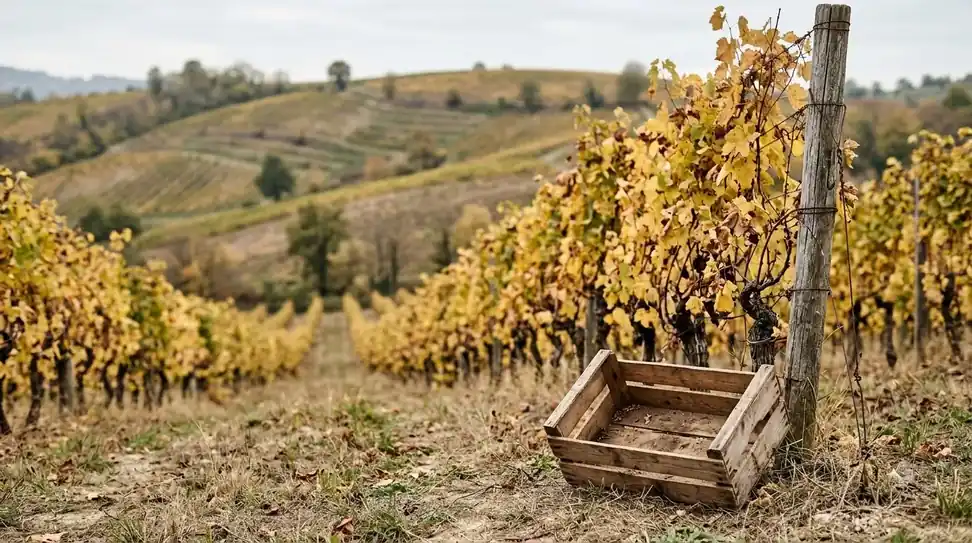
The landscape sits inland from the Atlantic coast, with the Charente River passing through the region. The town of Cognac and the neighboring town of Jarnac are important reference points, while Segonzac is closely associated with Grande Champagne. Vineyards extend across gentle hills, open plains, river valleys, and coastal-influenced areas. These geographical differences help explain why the region contains several distinct growing areas rather than one uniform vineyard landscape.
The boundaries of the Cognac production area were established by French decree on May 1, 1909. The six internal crus were subsequently formalized in 1938. Their classification has historical roots in the geological work of Henri Coquand, a nineteenth-century professor who investigated the relationship between local soils and the character of the resulting eaux-de-vie.
The wider vineyard landscape serves more than one appellation. The same agricultural area also supports Pineau des Charentes AOC and Charentais IGP wines. These products have different production requirements, but they share the region’s vineyards, growers, and agricultural traditions. This makes the Cognac countryside a broader wine-growing region rather than an area dedicated exclusively to producing brandy.
The scale is substantial. According to the Bureau National Interprofessionnel du Cognac (BNIC), the regional vineyard covers approximately 87,648 hectares. That figure helps put the region into perspective: Cognac is not simply a small collection of vineyards surrounding a famous town but a large, geographically varied agricultural area.
For readers exploring international wine geography, Cognac offers an interesting comparison with regions such as Tasmania vineyards, where climate and geographical position also play important roles in vineyard identity. However, Cognac has a particular focus: its grapes are cultivated primarily to produce a base wine for distillation rather than a finished table wine.
The Six Cognac Crus and Their Vineyard Characteristics
The Cognac appellation contains six crus, each with identifiable geographical and geological characteristics. Grande Champagne and Petite Champagne are especially associated with limestone, Borderies has distinctive clay and flint soils, and the other three crus offer a wider mixture of clay, sand, and coastal influences.
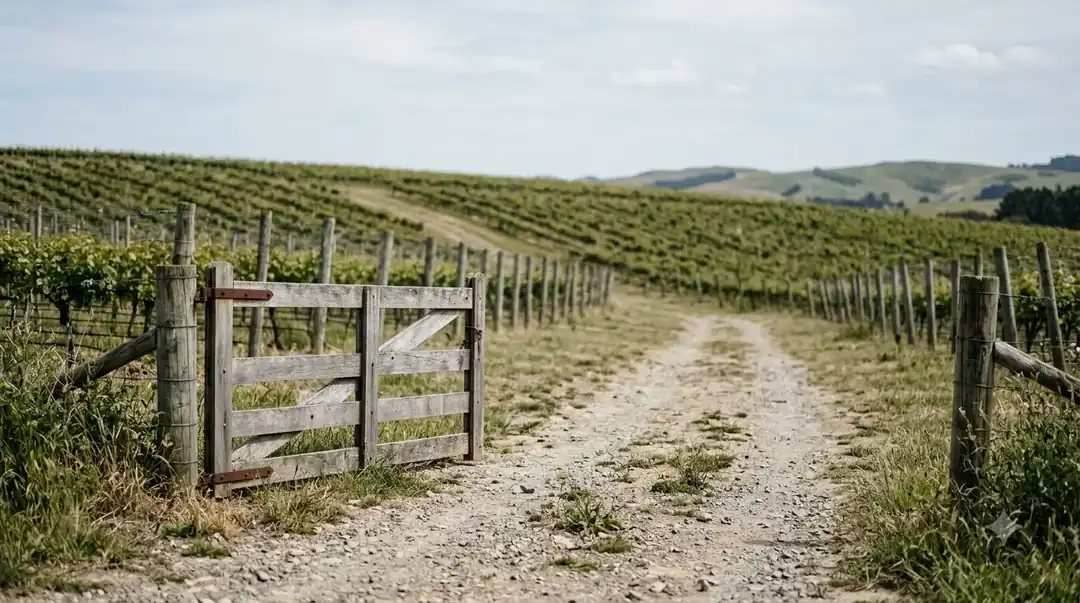
The six names are more than geographical labels. They provide information about the origins of the grapes and the general character of the eaux-de-vie produced from them. The BNIC identifies the six geographical areas in its official Cognac cru classification and regional overview.
| Crus | Approximate vineyard area | Principal characteristics |
|---|---|---|
| Grande Champagne | More than 13,200 hectares | Chalky limestone; finesse and long maturation |
| Petite Champagne | More than 15,200 hectares | Limestone; floral and refined eaux-de-vie |
| Borderies | About 4,000 hectares | Clay and flint; rounded, violet-associated character |
| Fins Bois | About 31,200 hectares | Clay-limestone; supple, fruity eaux-de-vie |
| Bons Bois | About 9,300 hectares | Mixed geology and sandy soils; fruity character |
| Bois Ordinaires | Less than 1,000 hectares | Predominantly sandy coastal and island soils |
These figures are approximate regional measurements published by Cognac Tourism, rather than fixed allocations that cannot change. Vineyard surfaces can vary with planting decisions and changes in agricultural use. The relative scale of the crus, however, offers a useful introduction to the geography.
Grande Champagne
Grande Champagne is often regarded as one of the most prestigious Cognac growing areas. Its vineyards surround places such as Segonzac and are characterized by chalky limestone geology, including relatively shallow clay-limestone soils over softer Cretaceous limestone.
The resulting eaux-de-vie are traditionally associated with finesse, floral aromas, and considerable aging potential. Their development in oak can take a long time, making the cru particularly important for producers interested in long-aged Cognac. The name Grande Champagne refers to the agricultural region and has no geographical connection with Champagne’s sparkling-wine appellation in northeastern France.
Petite Champagne
Petite Champagne surrounds much of Grande Champagne and shares its important chalky geological foundations. Its vineyards cover more than 15,200 hectares, making it a substantial part of the Cognac production area.
The eaux-de-vie from this cru can resemble those of Grande Champagne, often showing floral qualities and finesse. They are generally described as reaching maturity sooner than comparable Grande Champagne spirits. The distinction is one of general regional character rather than an absolute rule governing every vineyard or producer.
Borderies
Borderies is the smallest of the six crus, covering approximately 4,000 hectares. It lies northwest of Cognac and is associated with soils containing clay, silica, and flint formed through the weathering and decalcification of limestone.
Its eaux-de-vie are commonly described as round, soft, and aromatic, with violet among the traditional floral associations. Borderies is particularly interesting because its geological character differs from the more extensively chalk-based Champagne crus. Some producers bottle spirits from this cru separately to highlight its regional identity.
Fins Bois, Bons Bois, and Bois Ordinaires
Fins Bois is the largest cru, covering approximately 31,200 hectares according to Cognac Tourism. Much of its terrain contains groies, a local term for stony clay-limestone soils. These vineyards often produce eaux-de-vie described as rounded, supple, fruity, and relatively quick to mature.
Bons Bois has approximately 9,300 hectares of vineyards and includes more varied geology. Sandy soils appear in coastal locations, valleys, and southern parts of the growing area. Bois Ordinaires is the smallest outer growing area, with fewer than 1,000 hectares. Its sandy coastal vineyards include locations on Île de Ré and Île d’Oléron, where Atlantic conditions contribute to a distinctive maritime setting.
Readers interested in how named vineyard areas influence wine identity can also explore Chianti Classico vineyards. Like the Cognac crus, that Italian region demonstrates why geographical distinctions matter beyond simply identifying a place on a map.
Soil, Climate, and the Influence of Terroir
Soil and climate are central to understanding the differences between Cognac’s six crus. Chalky limestone dominates important parts of the Champagne areas, while clay, flint, stony soils, and coastal sands become more prominent elsewhere. These differences affect water availability, vine growth, and the agricultural conditions under which the grapes ripen.
Grande Champagne and Petite Champagne are especially associated with limestone-rich ground. Limestone and chalk formations help define their geological identity, while the depth and composition of the surface soil can vary between individual parcels. This is one reason that two neighboring vineyards may still produce grapes with different characteristics.
Borderies offers a different picture. Its clay-silica soils and flint-bearing ground distinguish it from the chalkier Champagne crus. The region’s traditional violet associations are frequently mentioned when describing its eaux-de-vie, although the final aromatic profile also depends on fermentation, distillation, and barrel maturation.
Fins Bois provides another contrast. Its groies soils are generally stony and clay-limestone based, with red coloration and hard limestone material associated with Jurassic geology. Other parts of the cru contain heavier clay. This variety of soil conditions helps explain why a large growing area can produce a range of wine characteristics.
The outer crus introduce more sandy environments. Bons Bois includes coastal and valley locations with varied geology, while Bois Ordinaires has especially strong maritime associations because of its proximity to the Atlantic and its island vineyards.
Climate also varies across the appellation. Atlantic influences are important in the west, while conditions become more continental farther inland. The Charente River and the gently rolling landscape contribute to the region’s geographical variety. These differences affect the growing season, moisture conditions, and timing of harvest.
For Cognac production, the objective is not necessarily to grow grapes with the high sugar concentration expected in some premium table wines. Producers need grapes that can produce a relatively low-alcohol, high-acidity wine suitable for distillation. Consequently, the regional approach to ripeness differs from that of many traditional still-wine regions.
Tip: When comparing Cognac from different crus, start with the geographical origin rather than assuming that a higher-priced or older bottle must come from better soil. Grande Champagne, Borderies, and Fins Bois represent different terroirs, and each can contribute something distinctive to a carefully produced blend.
Terroir also operates alongside human decisions. Vineyard management, harvest timing, pressing, fermentation, distillation, and barrel selection all influence the final spirit. A cru provides useful information about the origin of the grapes, but it cannot explain every detail of a particular Cognac’s style.
Ugni Blanc and the Grapes Grown in Cognac
Ugni Blanc is the defining grape variety of Cognac vineyards, accounting for more than 98% of the planted vines according to the BNIC. Its naturally high acidity, relatively low sugar content, and dependable agricultural performance make it particularly suitable for producing the wines used in Charentais distillation.
Ugni Blanc is also known as Trebbiano in Italy, where the variety has a long history. It produces relatively neutral wines that are not necessarily intended to be enjoyed as premium finished table wines. In Cognac, this restrained aromatic character is useful because it provides a clean foundation for distillation and subsequent maturation.
The BNIC describes Ugni Blanc as producing wine with approximately 8-9% alcohol. Its high acidity helps the wine remain suitable for the production process. The grape also has a relatively thin skin and is valued for its resistance to certain vineyard diseases, including grey rot.
Other authorized varieties
Although Ugni Blanc dominates, Cognac regulations recognize several additional white grape varieties. These include Colombard, Folle Blanche, Montils, Sémillon, and Folignan. Their presence provides growers and producers with alternatives that can contribute different aromatic characteristics.
Colombard is known for its high acidity and aromatic intensity. It can be used alongside Ugni Blanc to introduce additional character into the wine and resulting spirit. Like Ugni Blanc, it generally has relatively low sugar levels, making it suitable for the distillation-focused requirements of the region.
Folle Blanche has a long historical association with Cognac. It was once an important variety in the Charente vineyards but was severely affected by the phylloxera crisis that devastated European vineyards during the late nineteenth century. Although it represents less than 1% of current plantings, it remains valued for its aromatic potential and traditional role.
Montils is another regional variety, particularly associated with the Charentes and Pineau des Charentes production. It ripens earlier than Ugni Blanc and generally has lower acidity. Its use in Cognac remains relatively limited.
Folignan is a more recent addition to the authorized varieties. Developed from a cross between Ugni Blanc and Folle Blanche, it was incorporated into the appellation regulations in 2005, with a maximum authorized proportion of 10%. Its aromatic profile can include floral notes such as rose and lilac.
The permitted grape varieties must meet the requirements of the Cognac geographical indication. This regulation helps preserve the connection between the regional vineyard environment and the production of authentic Cognac.
How the Vineyard Calendar Shapes the Cognac Harvest
The Cognac vineyard year follows a familiar seasonal cycle, beginning with winter dormancy, continuing through spring growth and summer ripening, and ending with the autumn harvest. The BNIC identifies spring as the usual period for planting new vines, while harvesting generally takes place between mid-September and mid-October.
During winter, vines enter dormancy. Growers undertake essential vineyard maintenance and prepare the plants for the next growing season. Pruning is an important part of this work because it helps manage vine structure and future production. The dormant period also provides an opportunity to maintain vineyard infrastructure and prepare equipment.
Spring brings renewed growth. Newly planted bare-root vines are generally established during this period, while existing vines develop shoots and foliage. The BNIC notes that young plots receive careful attention, including watering when needed, manual weeding between vines, and protection against animals such as rabbits.
Newly planted vines generally take one, two, or three years to become productive. During that time, growers focus on establishment and plant development rather than expecting a full commercial harvest. Vineyard decisions made during these early years help establish the long-term structure of the planting.
Summer is the main period of fruit development and ripening. Growers monitor vine health, canopy growth, and grape development as the harvest approaches. Because Cognac production depends on grapes with high acidity and relatively modest sugar levels, the harvest objective differs from the pursuit of maximum sweetness in some table-wine regions.
Harvest generally begins in mid-September and finishes around mid-October, according to the BNIC. Exact dates can vary according to seasonal weather, vineyard location, and grape development. Harvesting is usually mechanical, although some winegrowers choose to pick by hand.
After picking, the grapes are pressed promptly. The BNIC describes the use of pneumatic presses operating in batches, with relatively low pressure to extract juice while limiting the amount of grape solids and phenolic compounds entering the must.
This attention to harvest and pressing is important because the resulting wine is intended for distillation rather than ordinary bottling as a finished wine. The goal is to preserve the qualities needed for the subsequent stages of Cognac production.
The following winter and early spring bring the next stages of production. Distillation must be completed by March 31 of the year following the harvest. This deadline connects the vineyard calendar directly to the traditional Charentais production process.
From Vineyard Wine to Cognac: Why Growing Conditions Matter
Cognac is produced through a sequence of regulated stages, beginning with grapes and ending with an oak-aged spirit. Vineyard conditions establish the raw material, while fermentation, double distillation, and maturation determine how that material develops into the finished product.
The first step after harvesting is pressing. The resulting must is fermented into a dry wine intended for distillation. According to the BNIC, this wine has approximately 9% potential alcohol and high acidity. These characteristics are deliberate rather than signs of an incomplete or unsuccessful winemaking process.
The production rules described by the BNIC prohibit adding sugar and sulfites during fermentation. The intention is to preserve the natural character of the grapes and produce a suitable base wine for the traditional distillation method. The organization’s official explanation of Cognac production describes the process from vineyard planting through harvesting, fermentation, distillation, aging, and blending.
Charentais double distillation
The wine is distilled twice in a batch process using traditional Charentais copper stills. The first distillation is called the première chauffe, or first chauffe, and produces a preliminary distillate known as brouillis.
The second distillation, known as the bonne chauffe or repasse, processes the brouillis to produce the Cognac wine spirit. The distiller separates the desired central portion from the beginning and end fractions. This careful selection is important for the quality and character of the resulting eau-de-vie.
The relationship between the vineyard and distillation is particularly important in Cognac. High-acid Ugni Blanc wine provides a suitable foundation for producing a delicate spirit with the structure needed for extended maturation. Different crus can contribute different characteristics, even when the same grape variety is used.
Oak maturation and blending
After distillation, the new eau-de-vie enters oak barrels. It develops color, aroma, texture, and complexity during maturation. The BNIC explains that this period can last several years or several decades, depending on the intended style.
Barrel characteristics also matter. Oak origin, grain, cellar humidity, and barrel age all influence the maturation process. Over time, the spirit can develop richer aromas and the complex characteristics traditionally described as rancio, including associations with forest floor, mushrooms, and walnut oil.
Blending is the final important stage for many Cognacs. Cellar masters select eaux-de-vie from different origins and ages to create a consistent house style. A blend can combine spirits from several crus, allowing the producer to balance floral finesse, roundness, fruitiness, and maturity.
Some producers also emphasize a single cru or a narrower geographical origin. These bottlings can help drinkers understand the distinctions between the growing areas. However, a Cognac’s age, blending decisions, and maturation conditions remain important considerations alongside vineyard origin.
The connection between vineyards and finished spirits is a useful subject for anyone exploring broader Wine Regions. Cognac illustrates how a protected geographical origin can shape an agricultural product even when the final drink is a distilled spirit rather than conventional wine.
Exploring Cognac Vineyards and Understanding Their Labels
Visiting Cognac provides an opportunity to see the relationship between the vineyards, historic towns, and distillation estates. Segonzac, Jarnac, and Cognac are useful geographical reference points, while the countryside offers access to different landscapes and growing areas.
The best time to appreciate the seasonal appearance of the vineyards depends on the experience being sought. Winter reveals the dormant structure of the vines, spring brings fresh green growth, summer provides dense foliage, and autumn introduces the golden colors associated with the harvest period.
Harvest season is especially interesting for understanding how the region operates. Mechanical harvesting becomes visible across many vineyard plots, and the movement of grapes from vineyard to pressing facility demonstrates the close connection between agriculture and distillation.
Wine tourism in the region includes vineyard visits, historical sites, producer experiences, and opportunities to learn about the production process. The official Cognac tourism organization also identifies Segonzac as an important destination within Grande Champagne and Jarnac as a town associated with the Charente River and the regional heritage.
Reading cru names on Cognac bottles
The geographical name on a Cognac label can help identify where its eaux-de-vie originated. Grande Champagne, Petite Champagne, Borderies, Fins Bois, Bons Bois, and Bois Ordinaires are the six recognized cru names.
A bottle bearing the name of an individual cru identifies a geographical origin rather than simply a producer’s preferred style description. The distinction matters because a Cognac house can be based in one town while sourcing grapes or eaux-de-vie from multiple growing areas.
Fine Champagne is another term that deserves attention. It is not a seventh cru. Rather, it is a geographical designation for a blend containing eaux-de-vie exclusively from Grande Champagne and Petite Champagne, with at least 50% coming from Grande Champagne.
Age classifications provide a separate type of information. VS, VSOP, and XO refer to minimum maturation requirements for the youngest eau-de-vie in a blend, rather than the geographical location of the vineyards. A VSOP from Borderies and a VSOP from Grande Champagne can therefore share an age category while reflecting different regional origins.
Understanding these distinctions makes bottle labels more informative. A geographical designation describes origin, an age classification describes maturation requirements, and the producer’s name identifies the house responsible for blending and presentation.
For an additional international comparison, the Uruguay vineyards demonstrate another approach to regional identity, where grape varieties and growing conditions help distinguish wine-producing areas. Cognac takes a different production route, but the relationship between agricultural geography and regional reputation remains central.
Frequently Asked Questions
Are Cognac vineyards the same as Champagne vineyards?
No. Grande Champagne and Petite Champagne are two Cognac growing areas in southwestern France, not parts of the Champagne sparkling-wine region. The word champagne is associated with the historical term for open countryside in this regional context. The two appellations have different geographical boundaries and production rules.
What is the difference between Cognac and Pineau des Charentes vineyards?
They can come from the same regional vineyard landscape, but they are separate appellations with different production methods. Pineau des Charentes is a fortified regional wine made by combining fresh grape must with Cognac eau-de-vie. Cognac, by contrast, is produced by fermenting grape juice into wine and then distilling that wine twice.
Can a Cognac producer use grapes from several crus?
Yes. Blended Cognac commonly brings together eaux-de-vie from different growing areas. The cellar master selects individual components to achieve the intended style. The designation Fine Champagne specifically requires at least 50% Grande Champagne eaux-de-vie, with the remainder coming from Petite Champagne.
Why are Cognac vineyards traditionally planted with white grapes?
The appellation’s production system is designed around white wines suitable for distillation. Ugni Blanc, Colombard, and Folle Blanche are examples of authorized white varieties. Their relatively high acidity and restrained sugar levels help produce the base wines required for Charentais double distillation.
Did phylloxera affect the Cognac vineyard region?
Yes. The phylloxera crisis reached the Charente department during the late nineteenth century and destroyed much of its vineyard planting. Replanting required the use of resistant American rootstocks onto which European grape varieties could be grafted. This changed vineyard management throughout the region and helped shape the modern planting landscape.
Cognac vineyards are defined by six distinctive crus, a strong dependence on Ugni Blanc, and a production tradition that connects agricultural conditions directly to distillation and oak maturation. From the chalky slopes of Grande Champagne to the sandy coastal vineyards of Bois Ordinaires, each growing area contributes to the region’s geographical identity. Understanding these differences offers a clearer appreciation of why Cognac is much more than a famous spirit: it is the expression of a carefully protected French vineyard region.
More in Wine Regions
 Willcox Wine Trail: Discover Arizona’s High-Elevation Wine CountryUpdated Nov 20, 2026
 Yakima Valley Wine Region: Find the Best Styles to TryUpdated Nov 20, 2026
 Vosne Romanee Wine Tasting: Identify Aromas and Choose Better PairingsUpdated Nov 20, 2026
 Yakima Valley Wine Festival: Find the Best Seasonal Wine EventsUpdated Nov 20, 2026
 Wales Vineyards: Discover Cool-Climate Wines and Where to VisitUpdated Nov 20, 2026
 Yountville Wine Festival: Discover Napa Wines and Local FoodUpdated Nov 20, 2026