

We may earn a commission when you buy through links on this page, at no extra cost to you. Learn more.
Codorníu wine is cava, the traditional-method sparkling wine from Spain’s Penedès region, made by a house whose family business dates back to the 16th century. Codorníu is widely described as the oldest and second-largest producer of cava. Its sparkling wines are dry, lively and food-friendly, which makes them a practical alternative to Champagne for everyday meals, celebrations and aperitif hours.
Codorníu is often searched by name, and many shoppers are not sure whether it is a still wine, a sparkling wine or a region. This guide explains what the house makes, where the wines come from, how to serve them and which foods suit them, so you can decide whether a Codorníu bottle fits your table.
Who makes Codorníu and where it comes from
The house traces its origins to 1551, the year its founding family is generally credited with starting its wine business, according to Wikipedia’s history of the company. The name is associated with the Codorníu family, and the business later joined with another wine-producing family through a 17th-century marriage. That union helped build the company’s long wine tradition in Catalonia, and the business went on to become one of the earliest cava producers in the region, which is why the name is so closely tied to Spanish sparkling wine today.
The winery’s cellars are at Sant Sadurní d’Anoia, in the Penedès region near Barcelona. Penedès is the heart of cava production, and the house is among the best-known names in the appellation. The cellars were built between 1895 and 1915 to designs by the architect Josep Puig i Cadafalch, and they were declared a National Monument of Historical and Artistic Interest in 1976.
What cava is and why it matters for Codorníu
Cava is Spain’s premier sparkling wine. It is made using the traditional method, the same bottle-fermentation process used for Champagne, in which the second fermentation takes place inside the bottle. Wine Folly’s cava guide describes it as the premier sparkling wine of Spain and notes that its quality tiers resemble those of Champagne. For a shopper, that means Codorníu’s bottles follow a familiar process but use Spanish grapes and a different regional identity.
The grapes that define cava are Macabeu, Xarel-lo and Parellada. These native varieties give the wine its distinctive character, which is often described as crisp, citrusy and slightly herbal, with a fine bubble. Some producers also use Chardonnay and Pinot Noir, depending on the style, so check the label for the grape blend and the dryness level before buying.
Tip: Look for the words “brut” or “extra brut” on the label if you want a dry, crisp sparkling wine. Sweeter styles are labeled “semi-seco” or “dulce” and suit dessert better than a standard aperitif.
Style and taste: what to expect in the glass
Cava is usually lighter than many Champagnes, with a clean finish and a fresh, savory edge. Young bottles tend to show green apple, citrus and bread-crust notes from the time the wine spends on its lees. Older or reserve bottlings can develop richer, nuttier flavors, and they often feel more complex on the palate.
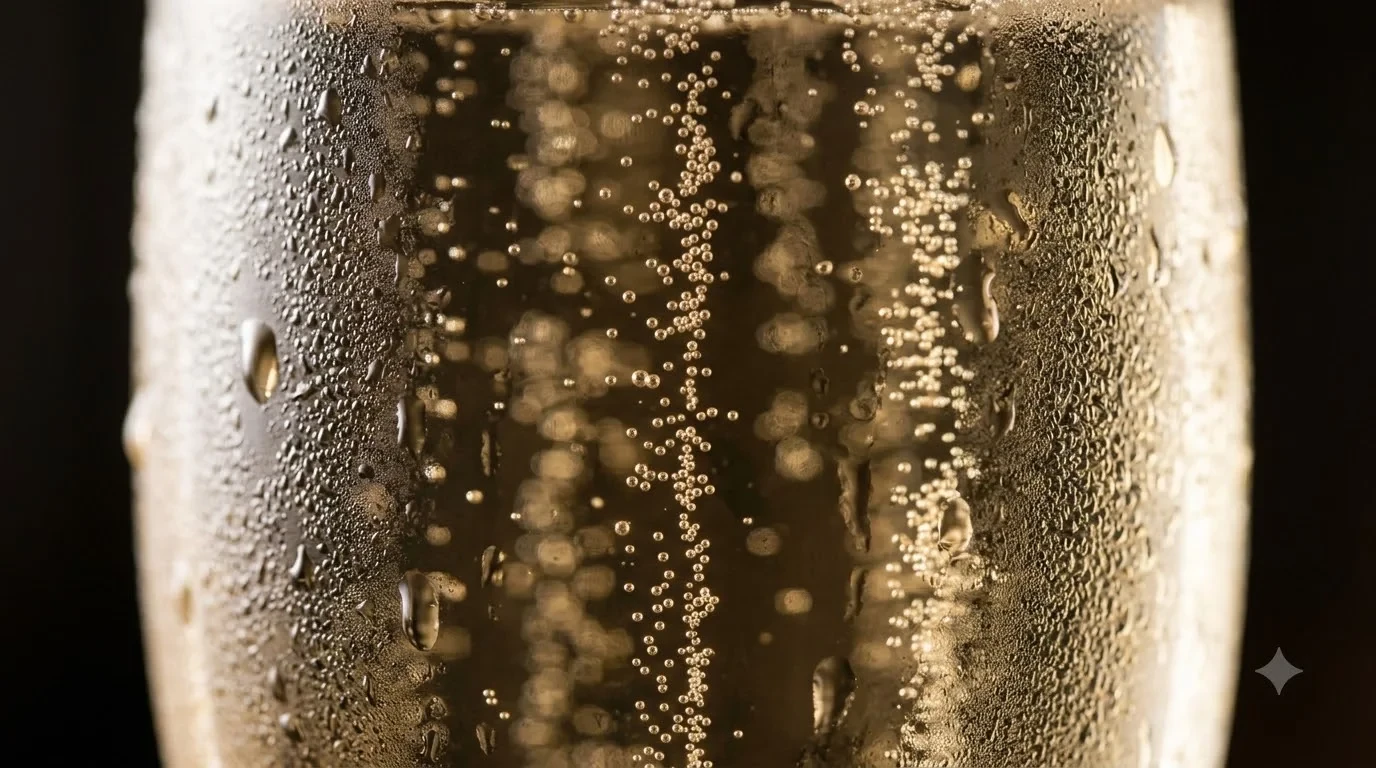
Because cava is a sparkling wine, the bubbles affect how the wine tastes as well as how it feels. Fine, persistent bubbles lift the aromas and make the wine feel lighter, which is one reason it works so well before a meal. A cava that tastes flat or dull may be past its best, so drink it within a few years of release unless the label says it is a reserve or aged style.
How to serve Codorníu cava
Serving temperature changes how a sparkling wine tastes. Wine Folly recommends serving cava between 38 and 45 degrees Fahrenheit, which is cold enough to keep the bubbles lively and the acidity crisp. Chill the bottle in the fridge for several hours, or in an ice bath for about 30 minutes if you are in a hurry.
Opening the bottle takes a bit of care. Remove the foil, hold the cork firmly, and turn the bottle rather than the cork, so the pressure is released gently. Pour into a tulip or flute glass, which keeps the bubbles longer than a wide coupe. Fill the glass about two-thirds full to leave room for the aromas to gather.
| Style | Suggested serving approach |
|---|---|
| Brut or extra brut | Chill to 38 to 45 degrees Fahrenheit and serve as an aperitif |
| Reserve or aged cava | Serve slightly warmer for more aroma, around the top of the range |
| Rosé cava | Chill well and pair with lighter, fresher dishes |
| Sweeter styles | Serve cold with desserts or fruit-based dishes |
Food pairings for Codorníu cava
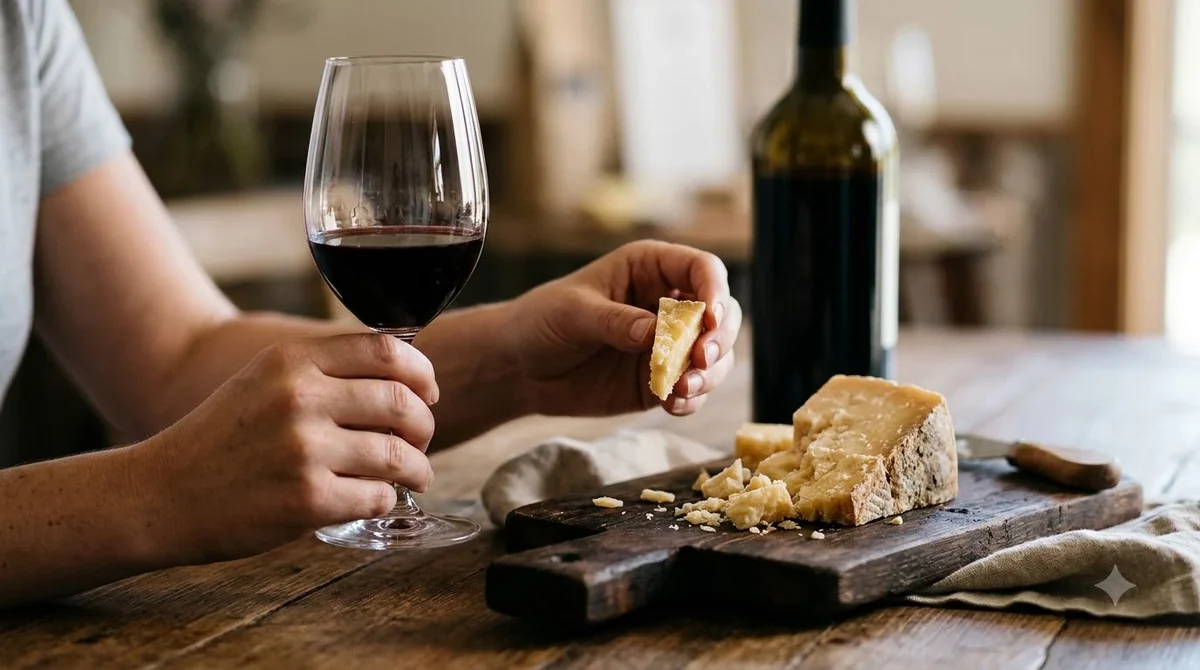
Cava’s acidity and bubbles make it one of the most food-friendly sparkling wines. Wine Folly suggests tapas and paella, both of which have the fat, salt and savory depth that a crisp sparkling wine handles well. Fried foods, olives, cured meats and fresh cheeses are also natural matches, because the bubbles clean the palate between bites.
For a dinner, a dry cava pairs well with seafood, shellfish, grilled vegetables and light poultry. A reserve or aged bottle suits richer dishes such as roast chicken with a creamy sauce. Mexican food and spicy dishes can work too, since the wine’s freshness balances heat and acidity.
How to choose a bottle
Start with the label. Check the dryness level, the style, the grape blend and whether the wine is a standard cava, a reserve or a rosé. Those details tell you more about the flavor than the brand name alone, and they help you match the bottle to the meal or occasion.
Consider the occasion as well. For an aperitif or a casual gathering, a dry brut is the easiest choice. For a special dinner, a reserve or aged bottle offers more depth. Store sparkling wine lying down or upright in a cool, dark place, and avoid heat, since high temperatures can damage the wine quickly.
It also helps to compare cava with other sparkling styles on the same shelf. Prosecco from Italy is often fruitier and softer, while cava tends to be drier and more savory, closer in spirit to a traditional Champagne. If you like a crisp, dry finish, a dry cava is usually the better pick. If you prefer a fruit-forward bubbly for brunch, a Prosecco may suit you more.
Frequently Asked Questions
Is Codorníu a Champagne?
No. Codorníu makes cava, a traditional-method sparkling wine from Spain’s Penedès region. It uses a similar bottle-fermentation process to Champagne but comes from a different country and uses Spanish grapes.
Where is Codorníu made?
The cellars are at Sant Sadurní d’Anoia in the Penedès region of Catalonia, near Barcelona. The cellars were built between 1895 and 1915 and are a national monument.
What temperature should I serve Codorníu cava?
Wine Folly recommends serving cava between 38 and 45 degrees Fahrenheit. Chill the bottle for several hours in the fridge before serving to keep the bubbles lively.
What food goes well with cava?
Tapas, paella, fried foods, cured meats, fresh cheeses and seafood all pair well with dry cava. Sweeter styles suit desserts and fruit-based dishes.
Codorníu gives you a clear entry point into Spanish sparkling wine, with a long history and a strong regional identity. Check the label for the dryness level, chill the bottle well, and pair it with tapas or fresh seafood. To see how other producers approach their own regions, browse our Wine Brands guide, or compare a different style such as Antinori red wine.
More in Wine Brands
 Underwood Wine Price: Compare Bottles, Cans, and Pack SizesUpdated Nov 21, 2026
 Zenato Wine Price: Compare Styles and Choose the Right BottleUpdated Nov 21, 2026
 Zuccardi Wine Price: Compare Bottles and Find the Right RangeUpdated Nov 21, 2026
 Yellow Tail Moscato Review: Taste, Sweetness and Serving TipsUpdated Nov 21, 2026
 Wolf Blass Yellow Label Review: Choose Your Best StyleUpdated Nov 21, 2026
 Wolffer Estate Rose Review: Choose the Right Bottle for Your TableUpdated Nov 21, 2026